Overview
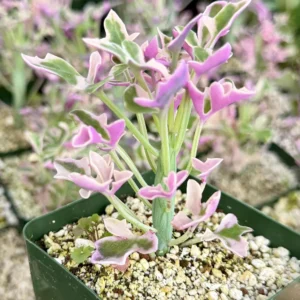
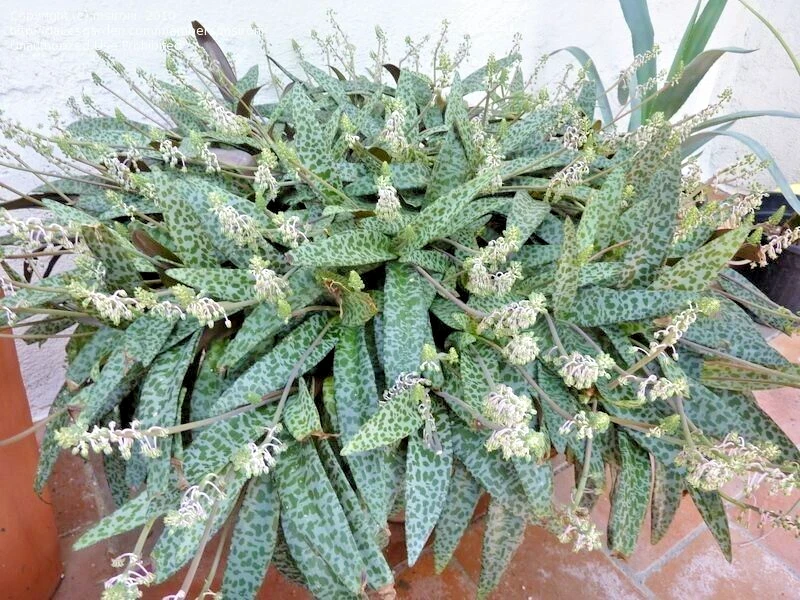
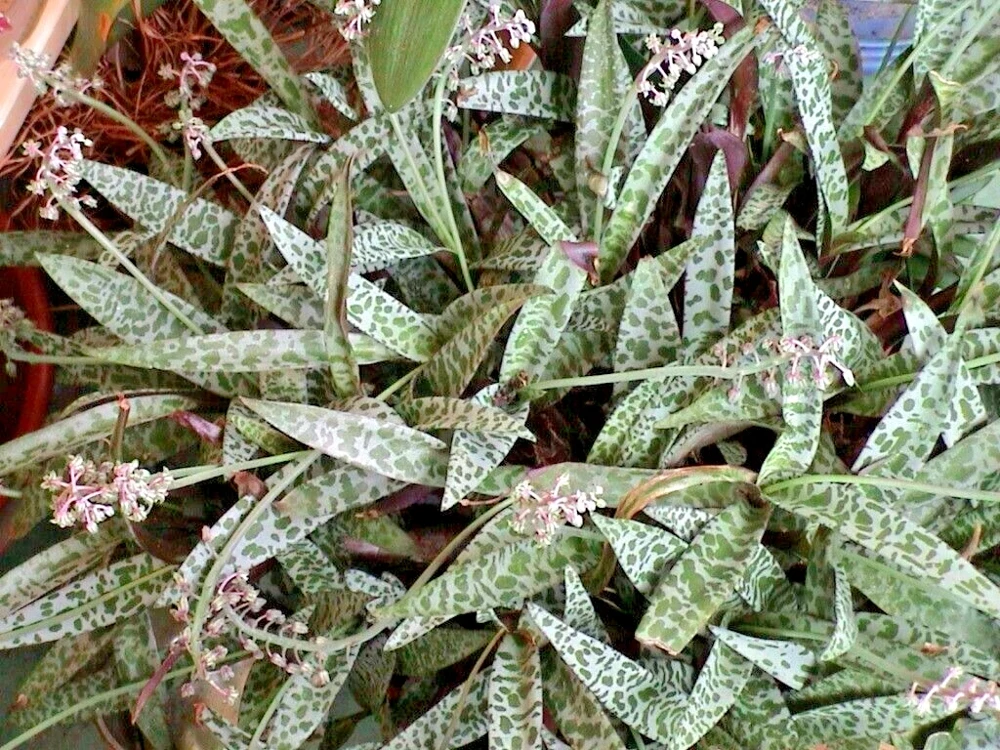
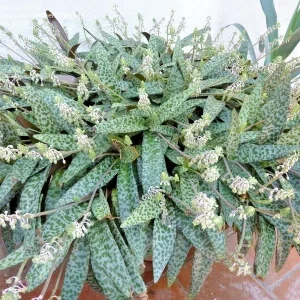
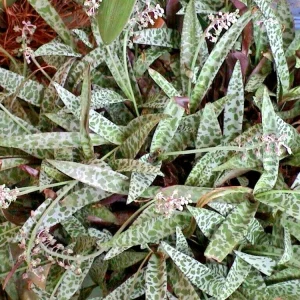
Introduce a touch of unique elegance to your plant collection with the Silver Squill Ledebouria socialis. This beautiful live plant, also known as Leopard Lily or South African Scilla, is a geophytic bulbous perennial native to the Eastern Cape Province of South Africa. While often mistaken for a succulent due to its drought tolerance, it is actually a member of the Asparagaceae family. The Silver Squill Ledebouria socialis is celebrated for its distinctive teardrop-shaped bulbs that form above ground, storing moisture and giving rise to its striking foliage. Its lance-shaped leaves are adorned with captivating silver spots and boast a rich purple underside, making it an attractive, colorful, and structurally unique houseplant or outdoor accent.
Growing up to 10 inches (30 cm) tall, this plant forms a charming rosette of foliage emerging from its bulbs. It thrives in well-drained, humus-rich soil and prefers shaded environments, typically found in closed evergreen woodlands in its natural habitat. Whether you’re an experienced gardener or a novice, the variegated Silver Squill offers an intriguing addition that requires minimal fuss, providing beauty through multiple seasons. Its unique appearance and easy-care nature make it a fantastic choice for anyone looking to enhance their living space with a distinctive botanical specimen.
Key Benefits
The Silver Squill Ledebouria socialis offers numerous advantages that make it a highly desirable plant for both indoor and outdoor settings. Its striking appearance and resilient nature contribute to its widespread appeal, providing continuous beauty and interest.
- Unique Ornamental Appeal: The silver-spotted, lance-shaped leaves with vibrant purple undersides create a stunning visual contrast. The exposed, teardrop-shaped bulbs add an unusual and sculptural element, making this variegated Silver Squill a true conversation piece.
- Drought-Tolerant: Thanks to its moisture-storing bulbs, the plant exhibits excellent drought resistance, making it suitable for gardeners who prefer less frequent watering or for arid climates. This feature also contributes to its low-maintenance profile, making it easy to care for.
- Versatile Growth: Thriving both indoors as a charming houseplant and outdoors in appropriate climates, the Silver Squill Ledebouria socialis adapts well to various environments. It can add beauty to windowsills, desks, or shaded garden beds.
- Pet-Friendly: For pet owners, finding non-toxic plants is crucial. The pet safe Silver Squill is a wonderful choice, allowing you to enjoy lush greenery without worrying about your furry friends.
- Easy Care: This plant is relatively low-maintenance, requiring minimal attention once established. Its ability to tolerate dry conditions and preference for shade makes it forgiving for beginners and busy individuals alike.
- Seasonal Interest: Beyond its attractive foliage, the plant produces delicate pink stems bearing small greenish flowers in summer, adding another layer of interest to its seasonal display.
- Clumping Growth Habit: The clumping growth habit of the Silver Squill Ledebouria socialis means it will gradually fill its container or garden space, creating a fuller, more substantial display over time.
Plant Care & Growing Tips
Caring for your Silver Squill Ledebouria socialis is straightforward, making it an excellent choice for both beginner and experienced plant enthusiasts. Understanding its preferred conditions will ensure a thriving and beautiful plant.
Sunlight Requirements: This plant naturally grows in the shade of woodlands, so it prefers bright, indirect light when grown indoors. Avoid direct harsh sunlight, which can scorch its delicate leaves. If growing outdoors, choose a location with partial to full shade. Morning sun is generally acceptable, but protect it from intense afternoon sun, especially in warmer climates. For optimal growth and to maintain the vibrant variegation, ensure consistent, filtered light.
Watering Schedule: The Silver Squill Ledebouria socialis is drought-tolerant, thanks to its moisture-storing bulbs. Allow the soil to dry out completely between waterings. Overwatering is the most common cause of problems, leading to bulb rot. During the active growing seasons (spring and summer), water thoroughly but infrequently. Reduce watering significantly in fall and winter when the plant’s growth slows. The ‘Light’ watering instruction emphasizes this need for conservative watering.
Soil Type and Drainage: This plant thrives in well-draining, humus-rich soil. A sandy loam or a potting mix amended with perlite or coarse sand is ideal to ensure excellent drainage. The input mentions ‘Loam, Peat, Saline, Sand, Silt, sandy, rocky soil with good drainage,’ indicating its adaptability but highlighting the critical need for good drainage. Prevent water from sitting around the bulbs. A neutral soil pH is generally preferred.
Temperature and USDA Hardiness Zone: The Silver Squill Ledebouria socialis is hardy in USDA Zones 8A through 11B. It prefers warm temperatures and should be protected from frost. If growing outdoors in zones colder than 8A, it’s best to bring the plant indoors for winter or treat it as an annual. Indoors, average room temperatures are suitable.
Fertilization: Fertilize sparingly during the active growing season (spring and summer) with a balanced liquid fertilizer diluted to half strength. Too much fertilizer can harm the plant. Avoid fertilizing during its dormant period in fall and winter. This plant is not a heavy feeder, so less is often more.
Common Problems: The primary issue is overwatering, leading to bulb or root rot. Ensure proper drainage and allow soil to dry between waterings. Pests are generally not a significant problem, but occasionally mealybugs or spider mites may appear. Treat with insecticidal soap if necessary. Providing proper Silver Squill plant care will minimize most issues.
Size & Details
This offering includes 1 live plant of Silver Squill Ledebouria socialis, typically provided in a bare root form, ready for planting in your chosen container or garden spot. The plant is in a vegetative growth stage and is expected to reach a mature height of up to 10 inches (30 cm), forming a beautiful rosette of foliage from its distinctive bulbs. Its growth rate is medium, allowing you to enjoy its development over time. The clumping habit means it will gradually expand, creating a fuller display. The leaves are broadleaf, showcasing the signature green and silver variegation with purple undersides. It is a perennial plant, offering beauty year after year, and is heat and drought resistant, making it a resilient addition to your collection. The plant also features flowering stems in summer, adding to its charm.
Frequently Asked Questions
- Q: How big does this plant get? A: The Silver Squill Ledebouria socialis typically grows up to 10 inches (30 cm) tall. It forms a rosette of leaves emerging from its above-ground bulbs, creating a compact and attractive plant suitable for various spaces.
- Q: What size pot does it come in? A: This plant is typically shipped as 1 bare root plant. Upon arrival, you will need to plant it in a pot appropriate for its size, generally a 4-6 inch pot to allow for initial growth and bulb development.
- Q: Is this an indoor or outdoor plant? A: The Silver Squill Ledebouria socialis is versatile and can be grown both indoors and outdoors. It thrives as a houseplant in bright, indirect light or outdoors in shaded areas in USDA Zones 8A-11B.
- Q: How much sunlight does it need? A: It prefers bright, indirect light indoors and partial to full shade outdoors. Avoid direct, intense sunlight, especially in the afternoon, as it can scorch the leaves of your variegated Silver Squill.
- Q: Is this plant easy to care for? A: Yes, the Silver Squill Ledebouria socialis is considered a low-maintenance plant. Its drought tolerance and preference for indirect light make it a forgiving option for beginners. Proper Silver Squill plant care primarily involves careful watering.
- Q: Is it good for beginners? A: Absolutely! Its resilience and minimal care requirements make it an excellent choice for those new to plant ownership. It’s much easier to care for than many other succulents or houseplants.
- Q: What condition will it arrive in? A: Your Silver Squill Ledebouria socialis will typically arrive as a bare root plant, carefully packaged to ensure its health during transit. You should plant it as soon as possible upon arrival.
- Q: Is it shipped in soil? A: No, it is usually shipped bare root to ensure the plant’s health and reduce shipping weight. You will need to provide your own well-draining soil mix for planting.
- Q: Is it pet-safe? A: Yes, the pet safe Silver Squill is a great option for households with pets. It is generally considered non-toxic, allowing you to enjoy its beauty without concern for your furry companions.
- Q: When is the best time to plant? A: For indoor growing, planting can be done year-round. If planting outdoors in suitable zones, spring and early summer are ideal times to allow the plant to establish before colder weather.
- Q: Will it survive winter in my zone? A: The Silver Squill Ledebouria socialis is hardy in USDA Zones 8A-11B. If you are in a colder zone, it is recommended to bring the plant indoors during winter months to protect it from frost and freezing temperatures.
- Q: What type of soil is best for this plant? A: A well-draining soil mix is crucial. A blend of loam, sand, and peat or humus-rich soil is ideal. Ensure the pot has drainage holes to prevent waterlogging and root rot, which is vital for healthy buy Ledebouria socialis plants.


Reviews
There are no reviews yet.