Overview
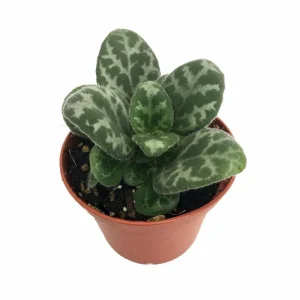
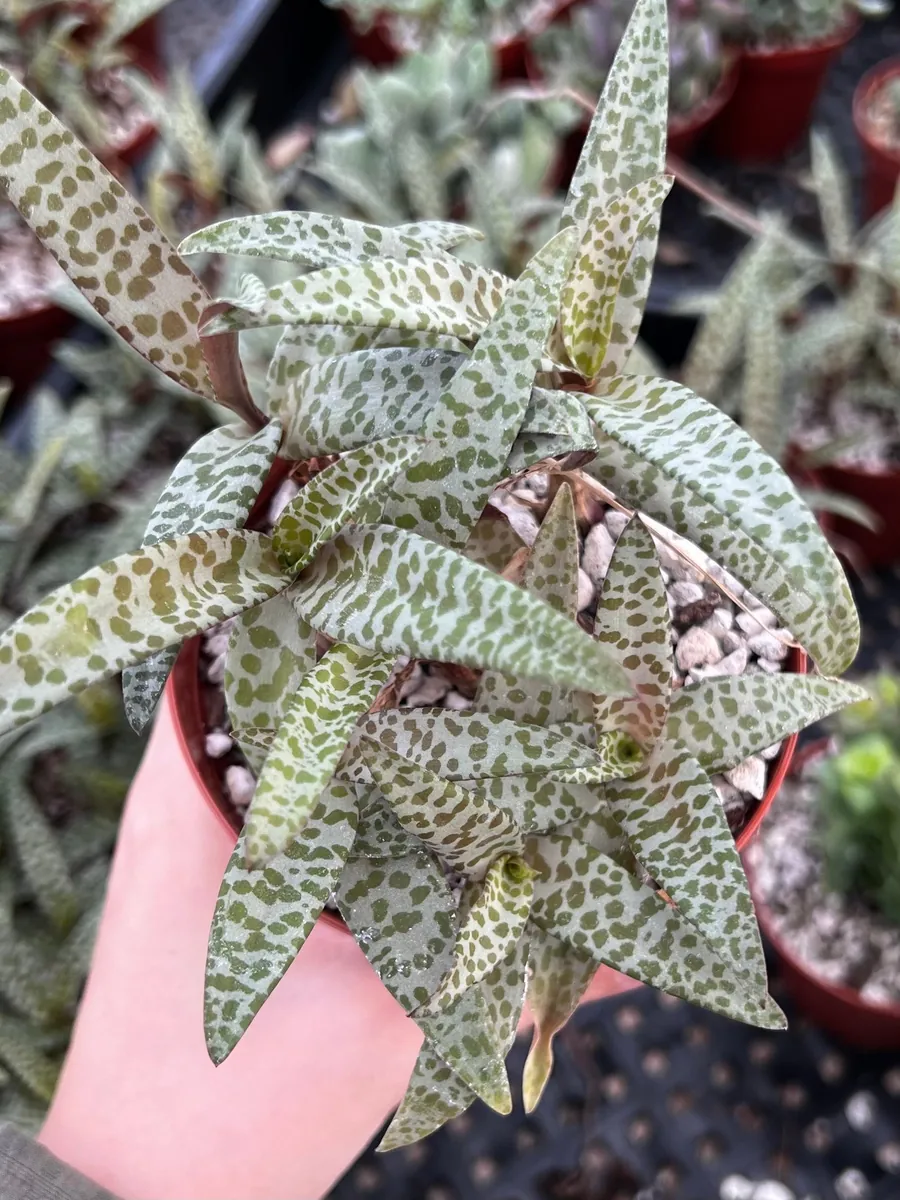
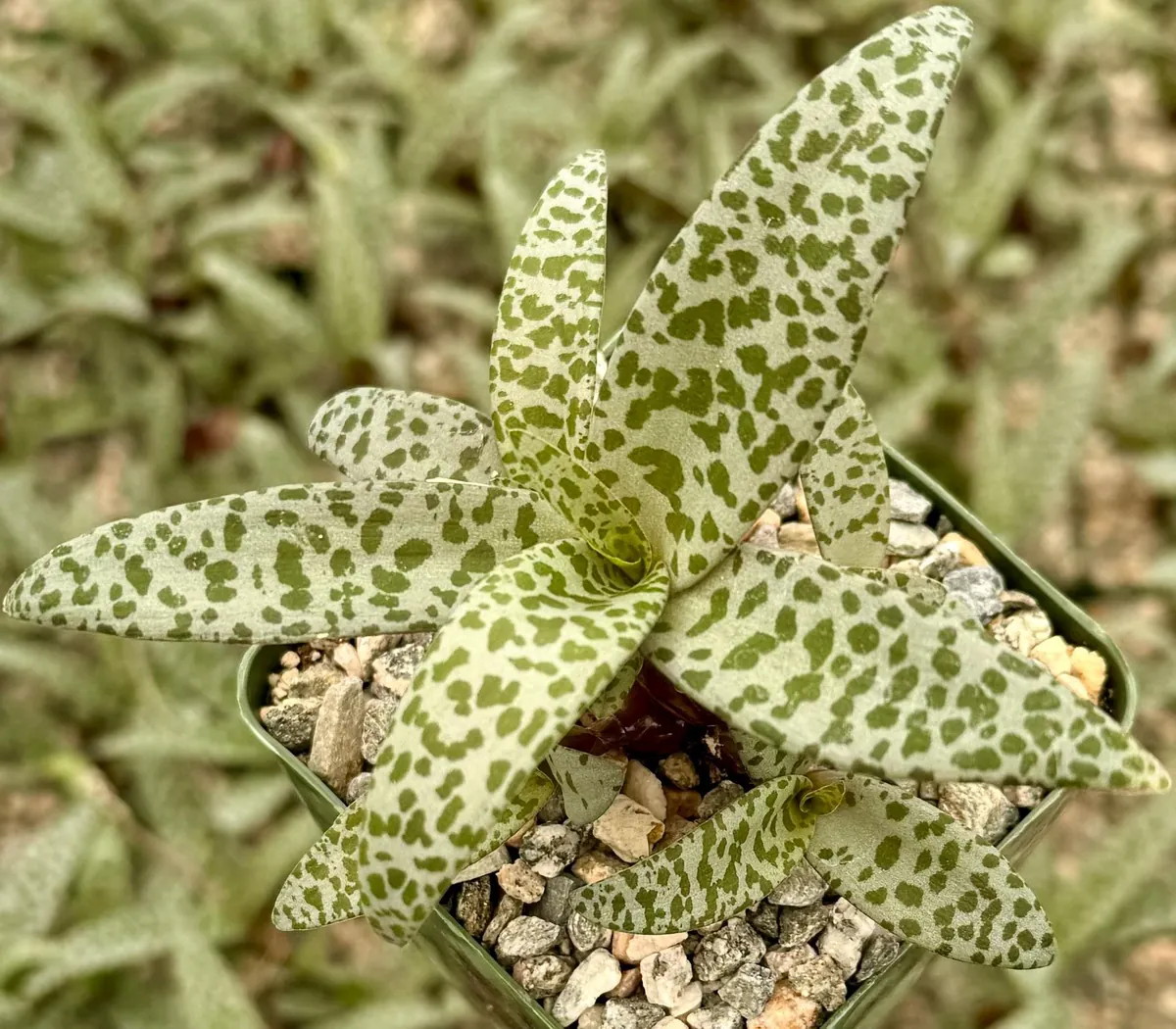
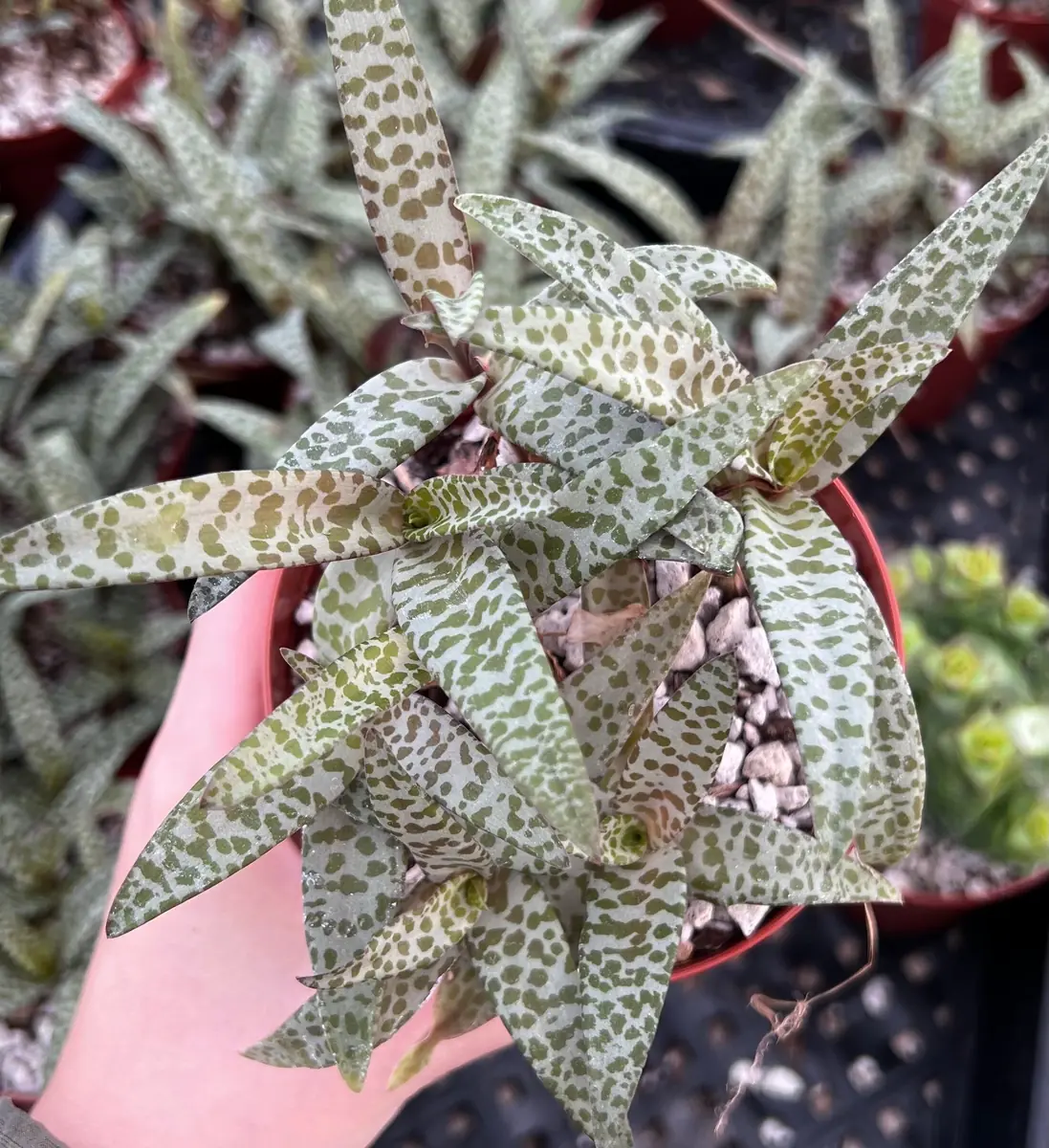
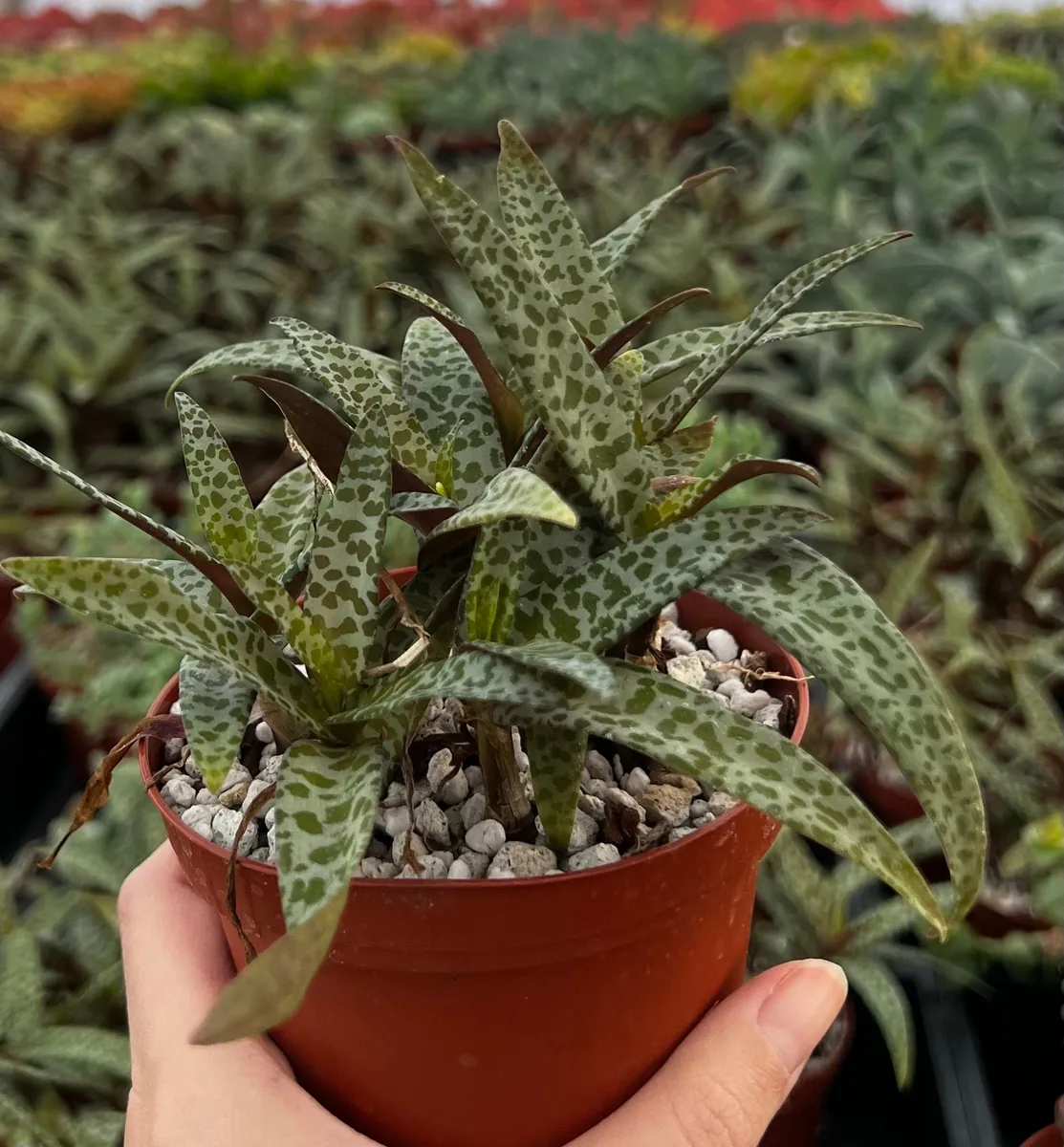
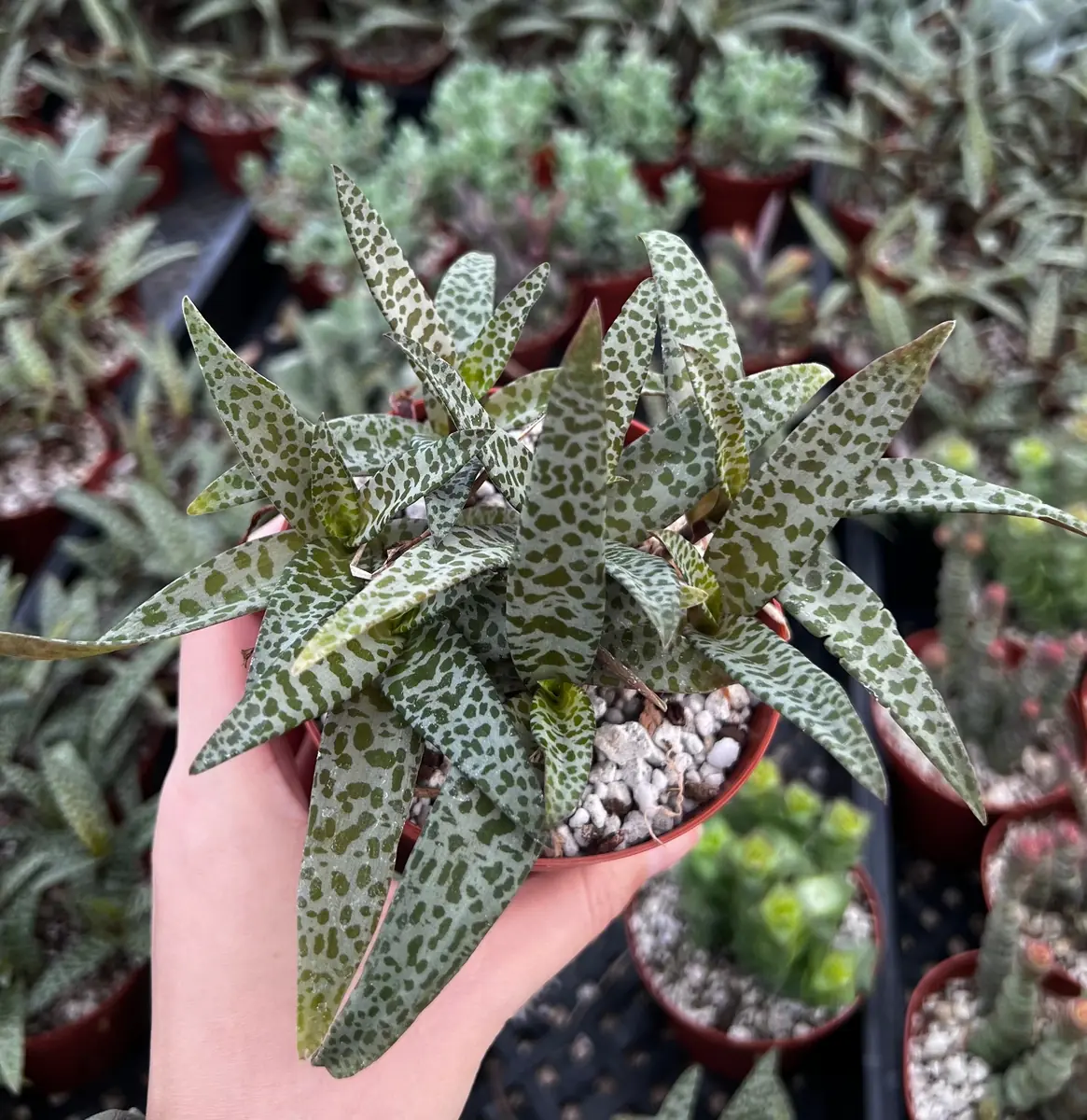
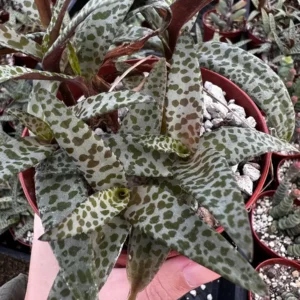
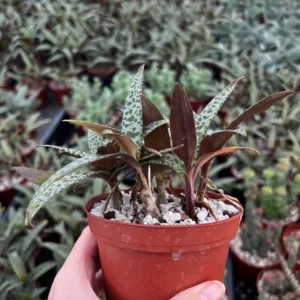
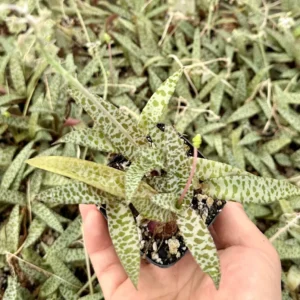
Introduce a touch of exotic elegance to your indoor garden with the beautiful silver squill live plant (Ledebouria socialis). This captivating small succulent plant is a true gem, native to the arid landscapes of South Africa, and is cherished for its striking silver-grey foliage adorned with distinctive leopard-like spots. Often referred to as Leopard Lily or South African Scilla, the Silver Squill is a popular choice for both novice and experienced plant enthusiasts due to its low-maintenance nature and unique visual appeal. Each plant is a healthy, vibrant specimen, ready to thrive in its new home, bringing a natural decorative element to any space. Its compact size makes it an ideal addition to desks, shelves, or windowsills, offering continuous beauty throughout the year.
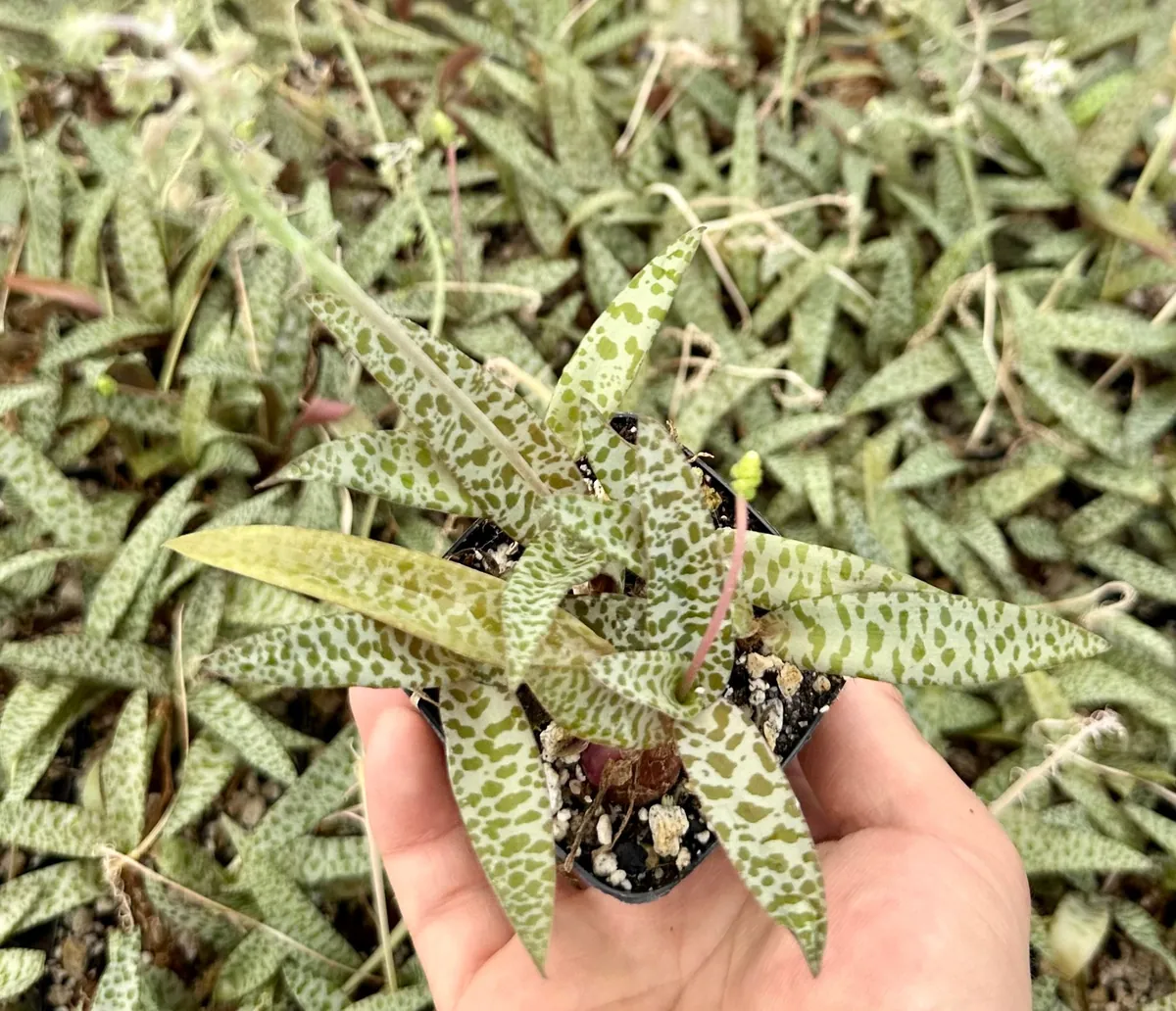
The silver squill live plant is more than just a pretty face; it’s a resilient and adaptable plant that can flourish in a variety of indoor conditions. Its succulent leaves store water, making it drought-tolerant and forgiving if you occasionally forget to water. Beyond its foliage, the Silver Squill also produces delicate pink or white flowers on slender stems, adding another layer of charm. This easy care houseplant is perfect for those looking for a unique and rewarding plant without demanding extensive attention.
Key Benefits
The silver squill live plant offers a multitude of benefits, making it an excellent choice for any home or office. Its distinctive appearance and straightforward care requirements contribute to a rewarding plant ownership experience.
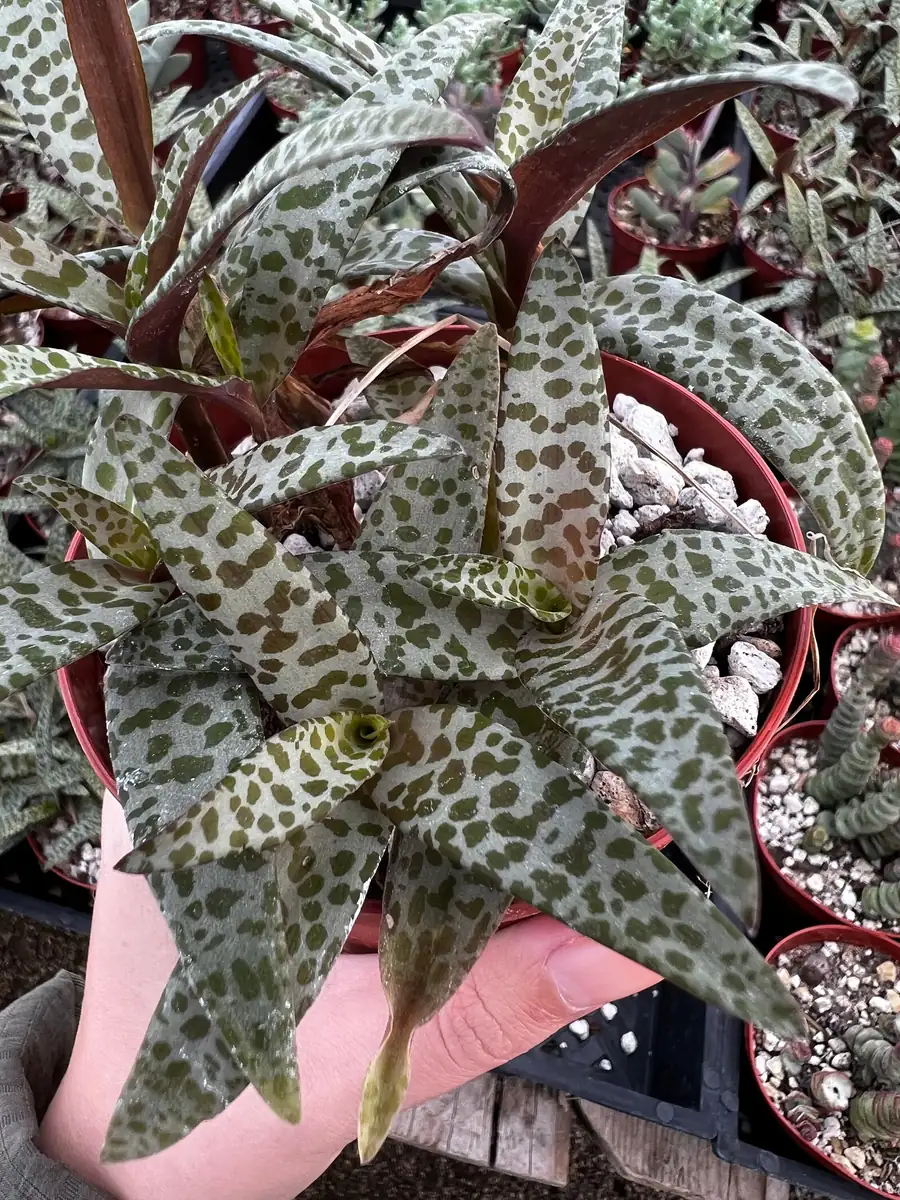
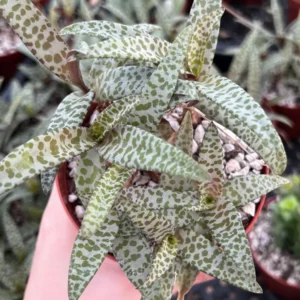
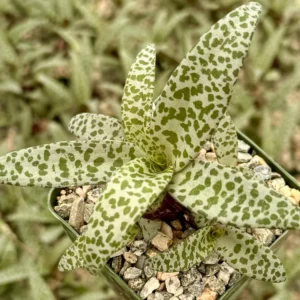
- Unique Ornamental Appeal: The striking silver-grey leaves with dark green spots create a captivating leopard-like pattern, ensuring this plant stands out as a focal point in any plant collection. Its unusual texture and color add sophisticated visual interest.
- Low Maintenance & Drought Tolerant: As a succulent, the silver squill live plant is incredibly forgiving. It stores water in its fleshy leaves and bulb, meaning it doesn’t require frequent watering, making it ideal for busy individuals or those new to plant care.
- Compact Size for Any Space: Its small, rosette-forming growth habit makes it perfect for small apartments, office desks, windowsills, or as part of a succulent arrangement. It won’t outgrow its space quickly.
- Attractive Blooms: In addition to its stunning foliage, the Silver Squill periodically produces delicate pink or white flowers on tall, slender stalks, adding an unexpected touch of beauty and a pleasant, sweet fragrance to your environment.
- Versatile Growing Conditions: While it thrives in bright, indirect light, this resilient plant can also tolerate lower light conditions, offering flexibility in placement within your home. It’s adaptable to both indoor and suitable outdoor climates.
- Air Purifying Qualities: Like many houseplants, the leopard lily houseplant contributes to a healthier indoor environment by helping to filter common airborne toxins, promoting cleaner air.
- Pet-Friendly Option: While it’s always best to keep plants out of reach of pets, Ledebouria socialis is generally considered non-toxic to cats and dogs, offering peace of mind compared to other common houseplants.
Plant Care & Growing Tips
Caring for your silver squill live plant is straightforward, making it an ideal choice for both beginners and seasoned plant enthusiasts. Originating from South Africa, this succulent is naturally adapted to drier conditions and bright light.
Sunlight: The ledebouriasocialis care guide emphasizes bright, indirect sunlight. A spot near an east or west-facing window is often ideal. While it can tolerate lower light, its vibrant leaf patterns and flowering potential are maximized with ample bright light. Avoid direct, intense afternoon sun, especially during summer, as this can scorch the leaves. If growing outdoors in appropriate zones, partial shade is best.
Watering: Water thoroughly when the soil is completely dry. This is a crucial aspect of small succulent plant care. During the growing season (spring and summer), this might be every 2-4 weeks, depending on humidity and temperature. In winter, reduce watering significantly, allowing the soil to remain dry for longer periods. Overwatering is the most common cause of problems, leading to root rot. Ensure excess water drains away completely.
Soil & Potting: Use a well-draining potting mix, ideally one formulated for cacti and succulents. This typically includes perlite or pumice to enhance drainage. A pot with drainage holes is essential to prevent waterlogging. Repot only when the plant has outgrown its container, usually every 1-2 years, in spring.
Temperature & Humidity: Silver Squill prefers average room temperatures between 65-80°F (18-27°C). It can tolerate slightly cooler temperatures but should be protected from frost. As a desert native, it thrives in low to average humidity and does not require misting.
Fertilization: Feed sparingly during the active growing season (spring and summer) with a diluted, balanced liquid fertilizer, or one specifically for succulents. Fertilize once every 2-3 months. Avoid fertilizing in winter when the plant is dormant.
Pests & Problems: This plant is generally pest-resistant. Occasionally, mealybugs or spider mites might appear. Treat promptly with insecticidal soap or neem oil. The main issue to watch for is overwatering, which can lead to soft, mushy leaves or bulb rot. Ensure proper drainage and allow soil to dry between waterings for the best easy care houseplant experience.
Size & Details
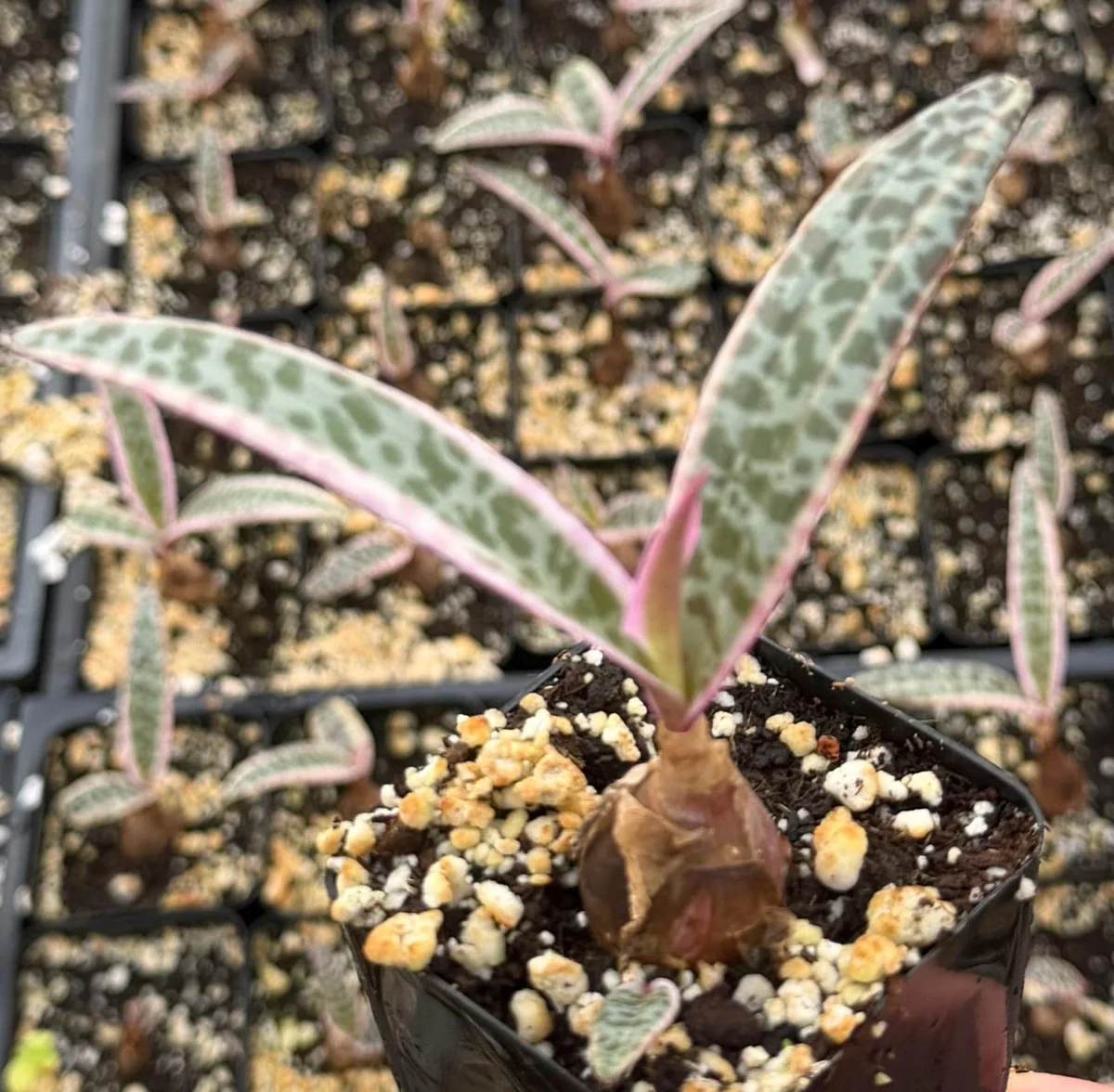
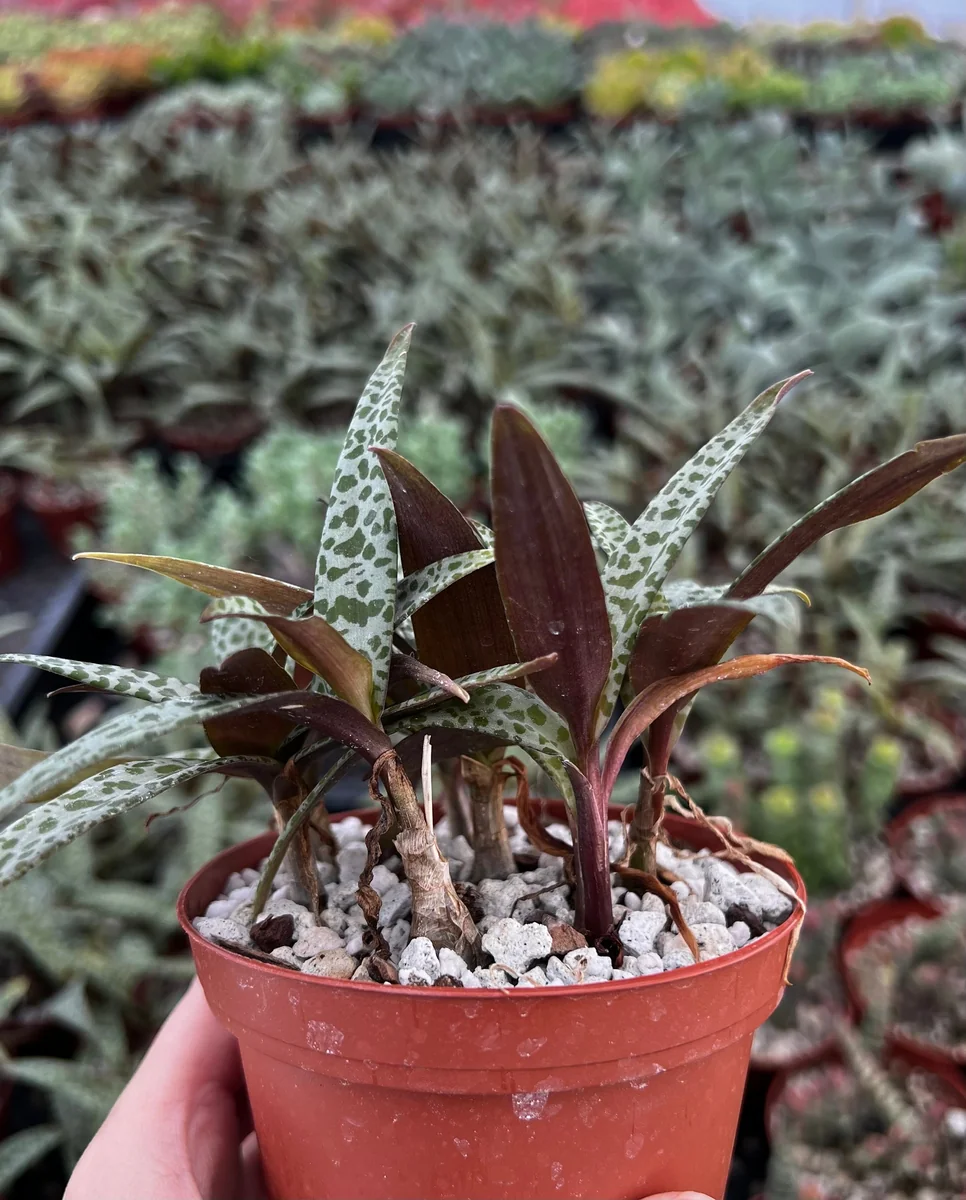
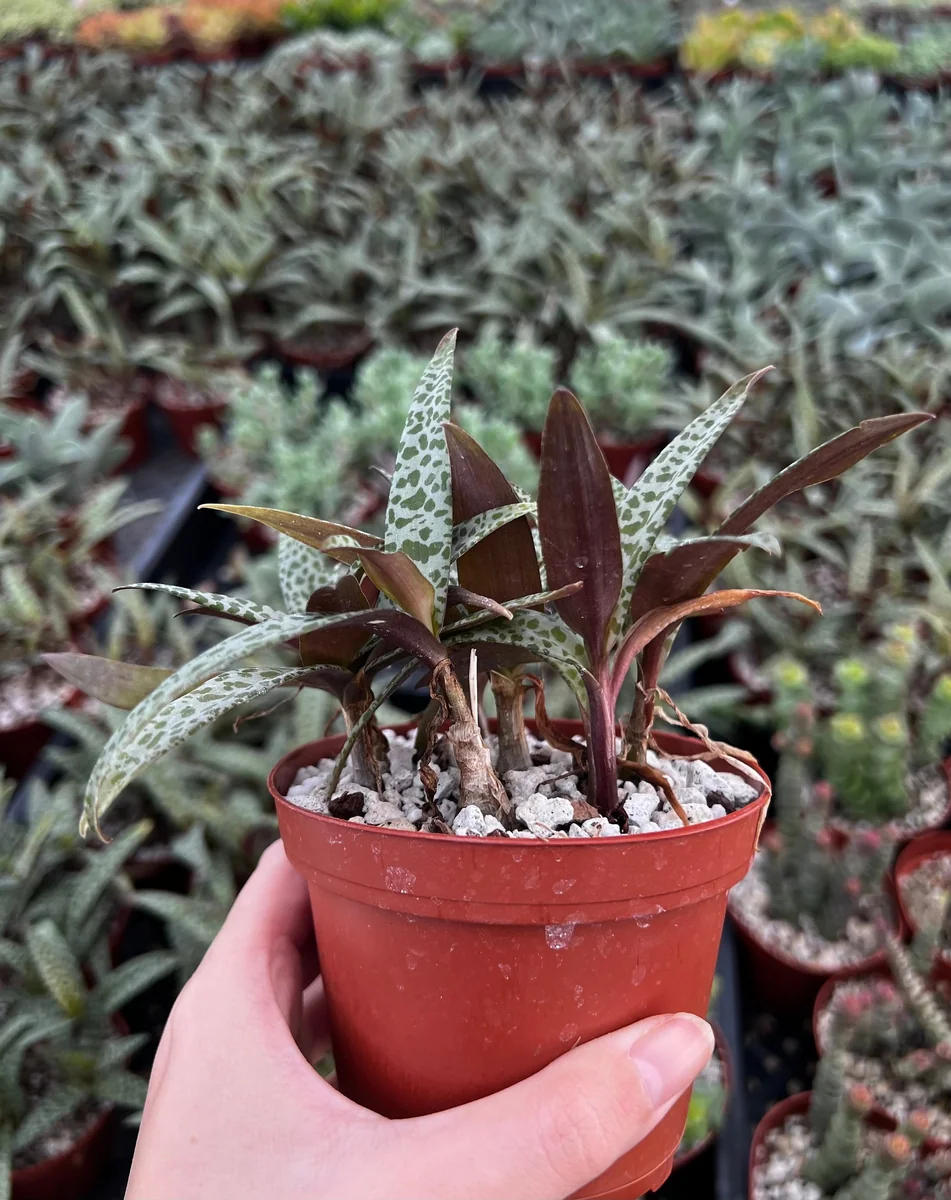
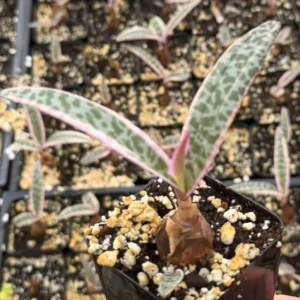
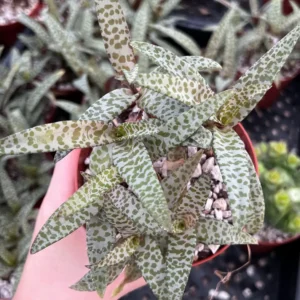
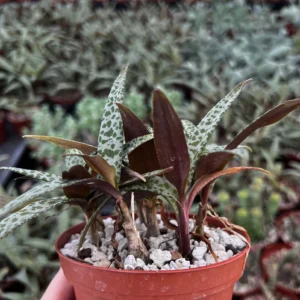
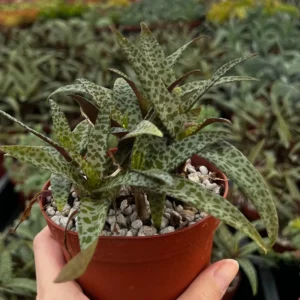
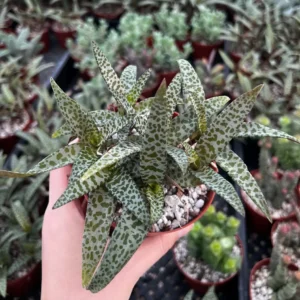
This offering is for a vibrant silver squill live plant, shipped directly in its nursery pot. Each plant is carefully selected to ensure you receive a healthy specimen, similar in size and vigor to those pictured. The plant will come potted in either a 2.5 inch or 4 inch nursery pot, depending on availability and the plant’s growth stage, providing a stable environment for its journey to your home. Silver Squill typically grows to a compact size, reaching about 6-12 inches in height and spread, making it an excellent choice for small spaces or collective succulent displays. Its growth rate is moderate, allowing you to enjoy its development without it quickly outgrowing its spot.
Your leopard lily houseplant will arrive established in its container, minimizing transplant shock. The leaves are typically long, narrow, and fleshy, forming an attractive rosette. Expect to see the characteristic silver-grey color with dark green spots, providing a unique texture and visual appeal. This plant is mature enough to display its distinctive foliage and has the potential to produce its delicate pink or white blooms in due course, adding an extra layer of beauty to your collection.
Frequently Asked Questions
- Q: How big does this plant get? A: The silver squill live plant typically grows to a compact size, reaching about 6-12 inches (15-30 cm) in height and similar spread, making it ideal for tabletops and shelves.
- Q: What size pot does it come in? A: Your plant will be shipped in either a 2.5 inch or 4 inch nursery pot, providing a perfect start for this small succulent plant.
- Q: Is this an indoor or outdoor plant? A: The leopard lily houseplant is primarily grown as an indoor plant due to its sensitivity to cold. However, it can be grown outdoors in USDA zones 9-11 in a sheltered location with partial shade.
- Q: How much sunlight does it need? A: It thrives in bright, indirect light. Direct afternoon sun can scorch its leaves, but too little light can reduce the vibrancy of its foliage patterns.
- Q: Is this plant easy to care for? A: Yes, the Silver Squill is considered an easy care houseplant, making it suitable for beginners. Its drought tolerance and minimal maintenance requirements are big advantages.
- Q: Is it shipped in soil? A: Yes, the silver squill live plant will be shipped established in its original nursery pot with soil to ensure minimal stress during transit.
- Q: How often should I water my Silver Squill? A: Water only when the soil is completely dry to the touch. Overwatering is the biggest risk, so err on the side of underwatering.
- Q: Is the Silver Squill pet-safe? A: While generally considered non-toxic, it’s always best to keep plants out of reach of pets to prevent any potential mild digestive upset if ingested.
- Q: Does this plant flower? A: Yes, the ledebouriasocialis care will often result in delicate pink or white flowers that emerge on slender stalks, adding to its charm.
- Q: What kind of soil is best for Silver Squill? A: A well-draining potting mix, such as a succulent or cactus blend, is ideal to prevent root rot.


Reviews
There are no reviews yet.