Overview
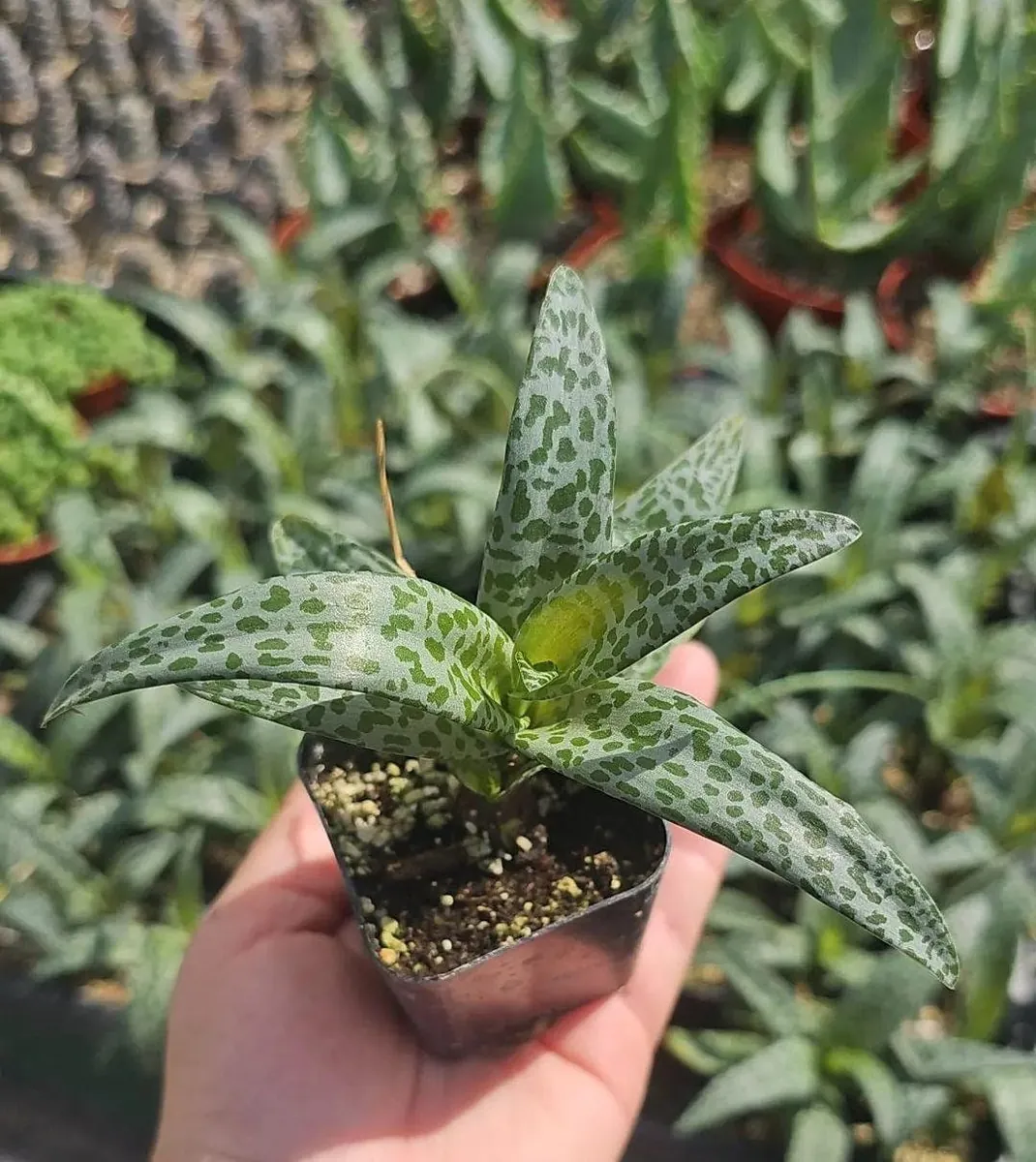
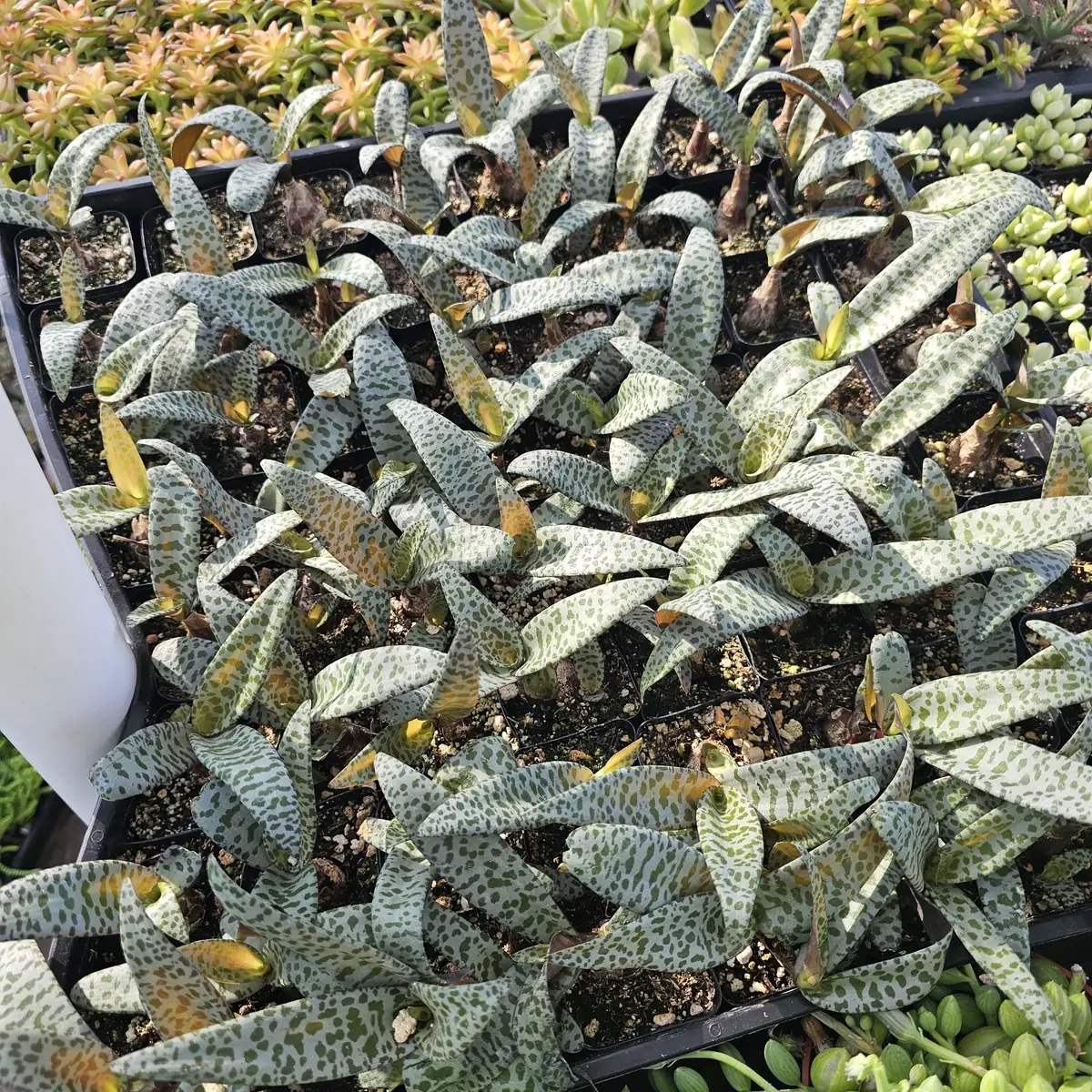
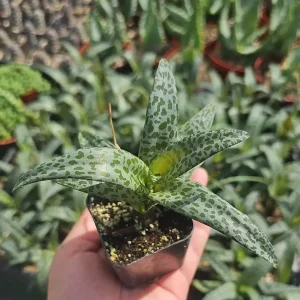
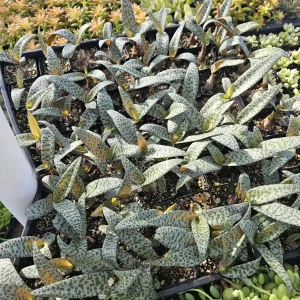
Introduce a touch of exotic elegance to your indoor garden with the captivating silver squill live plant. Scientifically known as Ledebouria socialis, but commonly referred to as Leopard Lily, this delightful succulent is cherished for its distinctive foliage and charming growth habit. Originating from South Africa, the silver squill live plant is a bulbous perennial that forms attractive rosettes of lance-shaped leaves. These leaves are a visual feast, featuring a beautiful silver-green upper surface adorned with dark green to purple spots, while the undersides are often a rich purple hue. This unique coloring and pattern make the leopard lily plant a standout addition to any plant collection, providing year-round visual interest. It’s an ideal choice for those seeking an easy care houseplant that offers both beauty and resilience.
The Silver Squill is a relatively compact plant, making it perfect for windowsills, desks, or as part of a succulent arrangement. Beyond its striking leaves, it also produces delicate spikes of small, greenish-white flowers, typically appearing in spring or summer, adding another layer of charm. These flowers, while not as showy as its foliage, contribute to its overall appeal and make it a truly unique specimen. Whether you are a seasoned plant enthusiast or just beginning your journey into the world of indoor gardening, the silver squill live plant is a rewarding choice that promises to brighten your living space with its enduring beauty and minimal demands.
Key Benefits
The silver squill live plant offers a multitude of benefits that make it a highly desirable addition to any home or office. Its striking appearance and low maintenance requirements are just the beginning of what this unique succulent has to offer. Choosing a leopard lily plant means embracing both aesthetic appeal and practical ease.
- Unique Ornamental Foliage: The primary draw of the silver squill live plant is its stunning leaves. The silver-green base with dark green and purple spots, coupled with purple undersides, creates a truly eye-catching display. This intricate patterning ensures it stands out among other houseplants, adding a sophisticated and exotic touch to your decor.
- Low Maintenance & Drought Tolerant: As a succulent, Ledebouria socialis is incredibly forgiving and perfect for busy individuals or beginner plant parents. It thrives on neglect rather than over-fussing, requiring infrequent watering and tolerating a range of indoor conditions. This makes it a truly easy care houseplant.
- Compact Size: With its modest growth habit, the Silver Squill remains relatively small, typically reaching about 6-8 inches in height. This makes it an excellent choice for small spaces, apartment living, or as a charming addition to terrariums and dish gardens.
- Air Purifying Qualities: Like many houseplants, the silver squill live plant contributes to a healthier indoor environment by helping to filter out common airborne toxins, improving the overall air quality in your home.
- Interesting Flower Spikes: While its foliage is the star, the Silver Squill also produces delicate flower spikes with small, green-white blooms. These subtle flowers add an extra layer of interest and can appear at various times throughout the year, especially in spring and summer.
- Pet-Friendly (with caution): While generally considered non-toxic, it’s always best to keep plants out of reach of curious pets to prevent any potential irritation. However, it’s not known to be severely toxic like some other common houseplants.
Plant Care & Growing Tips
Providing proper Ledebouria socialis care is straightforward, making it an excellent choice for both novice and experienced plant enthusiasts. This resilient succulent thrives with minimal attention, but a few key practices will ensure your silver squill live plant remains vibrant and healthy. Understanding its needs for light, water, and soil will help it flourish in your home.
Sunlight Requirements: The Silver Squill prefers bright, indirect light. A south, east, or west-facing window where it receives plenty of ambient light but is shielded from harsh, direct afternoon sun is ideal. While it can tolerate lower light conditions, its vibrant leaf coloration and potential for flowering will be diminished. If you notice the leaves losing their distinct patterns or becoming leggy, it may need more light. Conversely, too much direct sun can scorch its leaves, so find a balance.
Watering Schedule and Soil Moisture: As a bulbous succulent, the leopard lily plant stores water in its bulbs and leaves, making it highly drought-tolerant. The most common mistake in succulent plants indoor care is overwatering. Allow the soil to dry out completely between waterings. In warmer months, you might water every 2-3 weeks, while in winter, this could extend to once a month or even less. Always check the soil moisture with your finger or a moisture meter before watering. Ensure proper drainage to prevent root rot, which is fatal for this plant.
Soil Type and Drainage: A well-draining potting mix is crucial for the Silver Squill. A standard succulent or cactus mix works perfectly. You can also create your own by mixing regular potting soil with perlite, coarse sand, or pumice in a 1:1:1 ratio. The pot should also have drainage holes to prevent water from sitting at the bottom.
Temperature Range and USDA Hardiness Zone: The silver squill live plant prefers average indoor temperatures between 60-80°F (15-27°C). It is not frost-tolerant and should be protected from temperatures below 50°F (10°C). It is typically grown as an indoor plant in most climates, but in USDA zones 9-11, it can be grown outdoors in a protected area. Avoid sudden temperature fluctuations.
Fertilization Schedule: Fertilize sparingly, if at all. During the active growing season (spring and summer), you can feed your Silver Squill with a diluted liquid fertilizer formulated for succulents or general houseplants, at half strength, once every 2-4 weeks. Do not fertilize during its dormant period in winter. Over-fertilization can lead to leggy growth and potential root burn.
Common Problems and Solutions: The Silver Squill is generally pest-resistant. However, watch out for common houseplant pests like mealybugs or spider mites, especially if the plant is stressed. Treat with insecticidal soap or neem oil. The most common issue is overwatering, leading to soft, mushy bulbs or yellowing leaves. If this occurs, reduce watering immediately and ensure good drainage. If leaves are shriveling, it likely needs more water, but check the soil first to confirm it’s dry.
Size & Details
This offering is for a vibrant silver squill live plant, shipped in a convenient 2 inch pot, ready to be placed in your home or repotted into a decorative container. These young plants typically stand between 2-4 inches tall from the soil line, showcasing their distinctive spotted foliage and developing bulbs. The leopard lily plant is a relatively slow to moderate grower, eventually forming a dense clump of attractive leaves and producing offsets from its bulbs. Over time, mature plants can reach a height of 6-8 inches with a similar spread, making them an ideal choice for compact spaces.
Your succulent plants indoor will arrive as a healthy, established plant in its nursery pot, carefully packaged to ensure safe transit. While it is a robust plant, some minor soil displacement might occur during shipping, which is normal and easily remedied. The Silver Squill is known for its resilience and ability to adapt to new environments quickly after arrival. Expect to enjoy its unique beauty for many years with proper Ledebouria socialis care. This plant is sold individually, providing you with a single, healthy specimen to start or expand your collection of easy care houseplants.
Frequently Asked Questions
- Q: How big does this plant get? A: The silver squill live plant typically grows to about 6-8 inches in height and can spread similarly as it produces offsets. It is a compact plant, ideal for tabletops and windowsills.
- Q: What size pot does it come in? A: This plant is shipped in a 2 inch pot, perfect for its initial growth stage. You can keep it in this pot for a while or transplant it into a slightly larger decorative container after it settles.
- Q: Is this an indoor or outdoor plant? A: The Silver Squill is primarily grown as an indoor plant due to its sensitivity to cold. In warmer climates (USDA zones 9-11), it can be grown outdoors in a sheltered location.
- Q: How much sunlight does it need? A: This leopard lily plant thrives in bright, indirect light. Avoid prolonged exposure to harsh, direct sunlight, which can scorch its leaves. A spot near an east or west-facing window is usually ideal.
- Q: Is this plant easy to care for? A: Yes, the Silver Squill is considered an easy care houseplant. It is very forgiving and suitable for beginners, primarily requiring minimal watering and bright, indirect light.
- Q: What condition will it arrive in? A: Your silver squill live plant will arrive as a healthy, established plant in its nursery pot, carefully packaged to minimize stress during transit. Some slight soil shift is normal.
- Q: Is it pet-safe? A: While generally considered mildly toxic if ingested, it’s always best to keep all plants out of reach of pets to prevent any potential irritation or adverse reactions.
- Q: How often should I water my Silver Squill? A: Water only when the soil is completely dry to the touch. This typically means every 2-3 weeks during warmer months and less frequently in winter for succulent plants indoor.
- Q: What kind of soil is best for Ledebouria socialis care? A: A well-draining succulent or cactus potting mix is ideal. You can also amend regular potting soil with perlite or coarse sand to improve drainage.
- Q: When does the Silver Squill flower? A: The leopard lily plant typically produces small, green-white flower spikes in the spring or summer, though flowering can occur at other times given optimal conditions.


Reviews
There are no reviews yet.