Overview
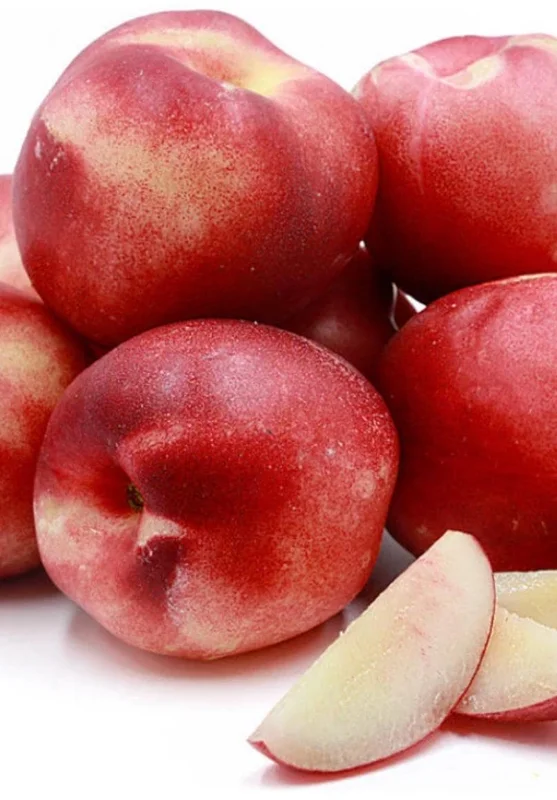
Bring the joy of homegrown fruit to your garden with the remarkable Snow Queen Nectarine tree. This live plant offers the unique opportunity to cultivate delicious, white-fleshed nectarines directly in your backyard. Known for its exceptional sweetness and smooth, non-fuzzy skin, the Snow Queen Nectarine is a highly sought-after variety among fruit enthusiasts. Our vigorous young tree arrives at a healthy 4 ft height, securely planted in a 3-gallon pot, ensuring it’s ready for successful transplanting and growth. Being a self-fertile variety, it simplifies the growing process, as you won’t need a second tree for pollination, making it an ideal choice for both novice and experienced gardeners looking to grow nectarine tree.
The Snow Queen Nectarine (Prunus persica var. nucipersica ‘Snow Queen’) is celebrated not only for its delectable fruit but also for its ornamental value. In spring, it bursts with beautiful pink blossoms, adding a touch of elegance to your landscape before yielding its prized harvest. This resilient tree thrives in a range of climates, particularly well-suited for USDA Zones 6-9, where it can produce an abundant crop of juicy nectarines during the summer months. Enjoy the satisfaction of picking your own fresh, sun-ripened fruit, free from pesticides and full of natural flavor.
Key Benefits
Investing in a Snow Queen Nectarine tree offers a multitude of rewards, from fresh produce to aesthetic appeal. This particular variety is chosen for its superior qualities and ease of cultivation.
- Self-Pollinating Convenience: The self-fertile nectarine characteristic means this tree does not require a second nectarine variety for fruit production. This is perfect for smaller gardens or for those who wish to plant just one tree, simplifying the pollination process and guaranteeing a harvest.
- Delicious, High-Quality Fruit: Enjoy an abundant crop of large, sweet, white-fleshed nectarines with a beautiful red blush. These fruits are known for their low acid content, making them exceptionally sweet and enjoyable straight from the tree or in various culinary applications.
- Attractive Ornamental Value: Beyond its fruit, the tree provides significant landscape beauty. It features vibrant pink blossoms in spring, followed by lush green foliage, and finally, the colorful developing fruit, enhancing your garden’s visual appeal throughout the seasons.
- Robust Growth & Health: Shipped as a healthy 4 ft fruit tree in a 3-gallon pot, this plant has a strong root system, ready to establish quickly in your garden. Its vigorous growth ensures a productive life with proper care.
- Adaptability to Climate: Well-suited for USDA Zones 6-9, this nectarine tree is resilient and can withstand typical temperature fluctuations within these zones, making it a reliable choice for many gardeners.
- Gardening Satisfaction: There’s immense satisfaction in growing your own food. Cultivating a Snow Queen Nectarine tree allows you to enjoy fresh, organic fruit and connect with nature.
- Health Benefits: Nectarines are packed with vitamins A and C, and antioxidants, contributing to a healthy diet. Having them readily available from your garden encourages healthier eating habits.
Plant Care & Growing Tips
Ensuring the health and productivity of your Snow Queen Nectarine tree requires attention to a few key care aspects. Proper planting and ongoing maintenance will lead to bountiful harvests. When you grow nectarine tree, choosing the right location is paramount. Select a site that receives full sun, meaning at least 6-8 hours of direct sunlight per day. Good air circulation is also beneficial to prevent fungal diseases. Dig a hole twice as wide as the root ball and just as deep. Carefully remove the tree from its 3-gallon pot, loosen any circling roots, and place it in the center of the hole, ensuring the top of the root ball is level with the ground. Backfill with native soil, gently tamping to remove air pockets, and water thoroughly.
Nectarine tree care involves consistent watering, especially during dry spells and the fruit development stage. Aim for deep watering that moistens the root zone. Avoid overhead watering to minimize leaf diseases. The ideal soil type is well-draining loam with a slightly acidic to neutral pH (6.0-7.0). Amend heavy clay soils with organic matter to improve drainage, or sandy soils to enhance water retention. Fertilize your tree in early spring before new growth begins, using a balanced fruit tree fertilizer according to package directions. For optimal fruit production, annual pruning is essential. Prune in late winter or early spring to shape the tree, remove dead or diseased branches, and encourage new fruiting wood. Thinning fruit in late spring, leaving individual fruits 6-8 inches apart, will result in larger, sweeter nectarines.
Protecting your 4 ft fruit tree from pests and diseases is another crucial aspect of care. Common issues include peach leaf curl, brown rot, and various insect pests. Regular scouting and appropriate organic or chemical treatments can keep these problems at bay. In colder regions within USDA Zone 6, providing winter protection for young trees, such as wrapping the trunk, can be beneficial. With diligent care, your Snow Queen Nectarine tree will flourish, providing you with years of delicious fruit.
Size & Details
This offering is for a vibrant Snow Queen Nectarine tree, a live plant that stands approximately 4 ft tall upon shipment. It is carefully nurtured and shipped in a sturdy 3-gallon nursery pot, providing a well-established root system ready for transplanting into your garden or a larger container. The mature height of a Snow Queen Nectarine tree typically ranges from 12-15 feet tall with a similar spread, though it can be maintained at a smaller size with regular pruning. This variety exhibits a moderate growth rate, allowing it to establish and begin fruiting within a few years of planting. Expect fruit production to begin 2-4 years after planting, with increasing yields as the tree matures. The tree is rated for USDA Hardiness Zones 6-9, indicating its resilience to a broad range of temperate climates.
Frequently Asked Questions
- Q: How big does this plant get? A: This Snow Queen Nectarine tree ships at approximately 4 ft tall in a 3-gallon pot. When mature, it can reach a height of 12-15 feet, but its size can be managed with proper pruning.
- Q: Is this an indoor or outdoor plant? A: The Snow Queen Nectarine tree is an outdoor plant, best suited for planting in the ground in USDA Hardiness Zones 6-9. It requires full sun exposure to produce fruit.
- Q: How much sunlight does it need? A: For optimal growth and fruit production, your self-fertile nectarine tree needs at least 6-8 hours of direct sunlight per day. Choose a sunny location in your garden.
- Q: Is this plant easy to care for? A: While fruit trees require more attention than some ornamental plants, the Snow Queen Nectarine is considered relatively easy to care for, especially being self-fertile. Consistent watering, annual pruning, and occasional fertilization are key to good nectarine tree care.
- Q: What condition will it arrive in? A: Your 4 ft fruit tree will arrive as a healthy, live plant, securely packaged in its 3-gallon nursery pot with its root ball intact, ready for planting.
- Q: When is the best time to plant? A: The best time to plant your Snow Queen Nectarine tree is in early spring after the last frost, or in early fall before the ground freezes, allowing it to establish its roots.
- Q: Will it survive winter in my zone? A: This tree is hardy in USDA Zones 6-9. If you are in Zone 6, providing some winter protection for young trees may be beneficial during exceptionally cold periods.
- Q: Does it need another tree to produce fruit? A: No, the Snow Queen Nectarine is a self-fertile nectarine, meaning it can produce fruit without another nectarine tree for pollination.
- Q: How long until it produces fruit? A: You can typically expect your Snow Queen Nectarine tree to start producing fruit within 2-4 years after planting, with increasing yields as it matures.
- Q: What kind of soil does it prefer? A: This tree thrives in well-draining, loamy soil with a pH between 6.0 and 7.0. Ensure good drainage to prevent root rot.


Reviews
There are no reviews yet.