


Overview
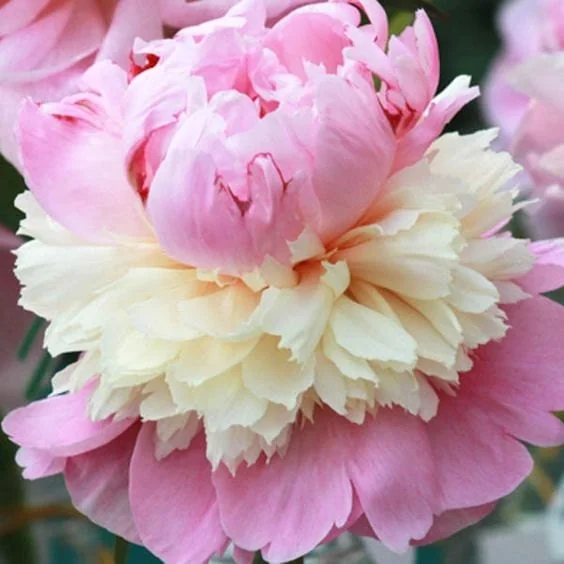
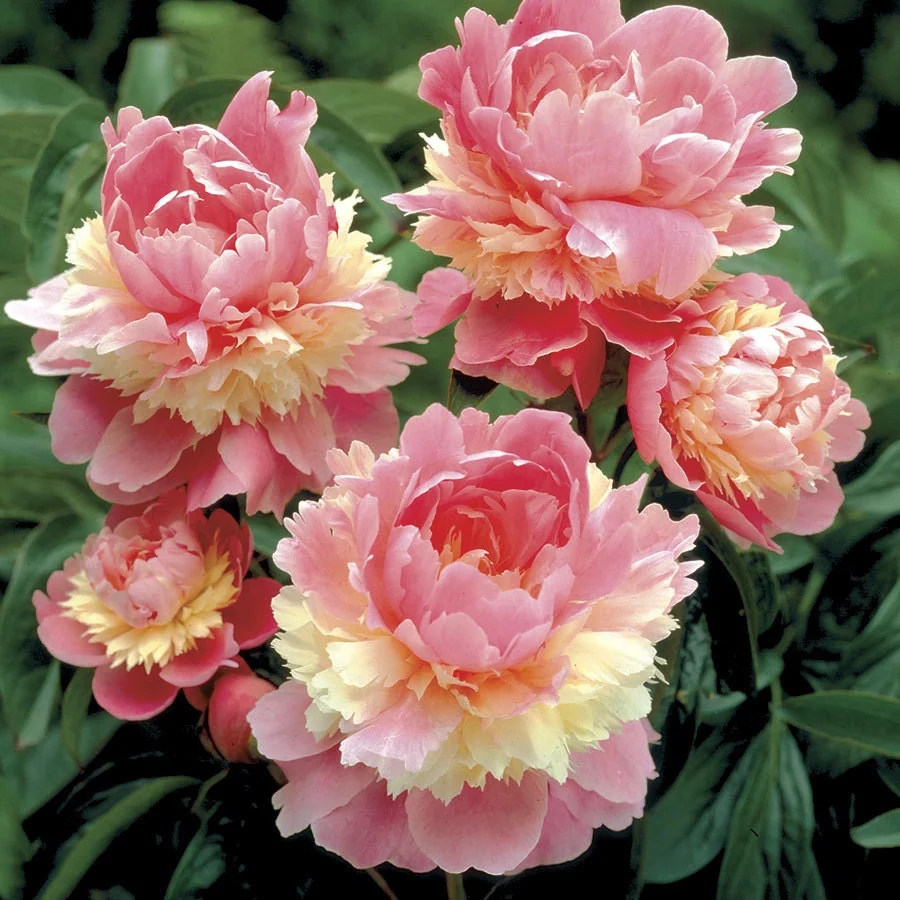
Introduce a touch of timeless elegance to your garden with the exquisite sorbet peony bareroot. This impressive bare root plant promises a spectacular display of large, 8-9 inch double blooms, showcasing a captivating blend of light pink and creamy white hues. Known for its dramatic presence, the ‘Sorbet’ Peony begins its magnificent show in late spring, transforming your outdoor space into a vibrant tapestry of color and fragrance. As a robust and award-winning shrub, it’s an excellent choice for gardeners seeking a reliable and visually stunning addition. This particular offering is a 2-3 eye bare root, ensuring a strong start for your new plant. Whether you’re looking to enhance an existing flower bed or create a new focal point, this classic peony variety is sure to impress.
The sorbet peony bareroot offers an opportunity to cultivate a beautiful, long-lived perennial. Its impressive size and lush blooms make it a favorite for cut flower arrangements, bringing the garden’s beauty indoors. Peonies are known for their longevity, often thriving for decades with proper care, making them a truly rewarding investment for any garden enthusiast. Planting in the fall or spring allows these resilient plants to establish a strong root system before their vigorous growth season.
Key Benefits
The ‘Sorbet’ Peony is more than just a pretty face; it offers a multitude of benefits that make it a cherished addition to any garden:
-
Stunning Double Blooms: Experience the breathtaking beauty of 8-9 inch double flowers, featuring an enchanting blend of light pink and cream. These multi-layered petals create a luxurious, full appearance that is truly captivating.
-
Dramatic Late Spring Show: This peony variety is celebrated for its spectacular bloom period in late spring, providing a vibrant and eye-catching display when many other plants are just beginning to emerge. It truly puts on a show.
-
Hardy and Resilient: Thriving in USDA Zones 2-8, the ‘Sorbet’ Peony is incredibly cold-hardy and adaptable to a wide range of climates. This ensures a robust and reliable performance year after year, making it an excellent choice for a diverse array of garden settings.
-
Award-Winning Classic: Recognized for its exceptional qualities, this peony is an award-winning classic. Its enduring popularity is a testament to its beauty, vigor, and reliability, guaranteeing a high-quality garden addition.
-
Excellent for Cut Flowers: The large, fragrant blooms of the sorbet peony bareroot make them ideal for cutting. Bring the beauty and delightful scent of your garden indoors to create stunning floral arrangements that last.
-
Long-Lived Perennial: Peonies are known for their exceptional longevity, often living and blooming for 50 years or more. This makes them a fantastic long-term investment for your landscape, providing beauty for generations.
-
Low Maintenance: Once established, these peonies require minimal care, making them suitable for both experienced gardeners and beginners looking for a high-impact, low-effort plant. A proper peony planting guide will ensure success.
Plant Care & Growing Tips
To ensure your sorbet peony bareroot flourishes, understanding its specific care requirements is crucial. Peonies are generally low-maintenance once established but benefit from proper initial planting and ongoing attention. They prefer a location with full sun, meaning at least 6 hours of direct sunlight per day, especially in northern climates. In the deeper Southern States (Zones 7-8), light shade during the hottest part of the afternoon can be beneficial to prevent scorching and prolong bloom life. Ensure good air circulation around the plant to prevent fungal diseases.
When it comes to soil, peonies thrive in rich, well-draining soil with a neutral to slightly alkaline pH. Amend heavy clay soils with compost and sand to improve drainage, or sandy soils with organic matter to improve water retention. The most critical aspect of peony planting guide is planting depth: do not plant the bare root deeper than 2 inches of soil on top of the eyes. Planting too deep is a common reason for poor blooming. Water regularly during dry periods, especially during the first year, to help establish the root system. Once established, peonies are quite drought-tolerant. Fertilize sparingly in early spring with a balanced fertilizer, avoiding high-nitrogen formulas which can promote foliage over flowers. Deadhead spent blooms to maintain a tidy appearance, but leave foliage until it yellows in the fall, as it helps store energy for the next year’s blooms. For successful spring peony care, ensure consistent moisture and protection from late frosts.
Size & Details
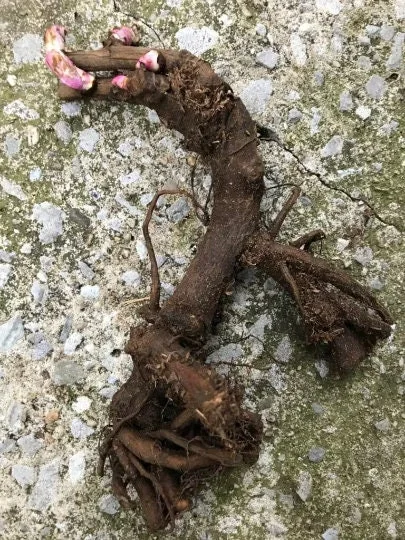
This offering is for a sorbet peony bareroot featuring 2-3 eyes, which are the growth buds from which new shoots will emerge. Each bare root is carefully selected to ensure vigorous growth and abundant blooms. Mature ‘Sorbet’ Peony plants typically reach a height of 2-3 feet with a similar spread, forming a substantial and bushy presence in the garden. The impressive double blooms measure 8-9 inches across, making a significant visual impact. These bare roots are ready for planting in either the fall or spring, depending on your USDA hardiness zone. Fall planting is generally preferred as it allows the roots to establish before winter, leading to stronger growth the following spring. Expected bloom time is late spring, with the plant reaching its mature size and full blooming potential within 2-3 years, though some blooms may appear in the first year after planting. Proper fall planting peony techniques are essential for optimal establishment.
Frequently Asked Questions
-
Q: How big does this sorbet peony bareroot get? A: The ‘Sorbet’ Peony typically grows to a height of 2-3 feet and has a similar spread, creating a beautiful, rounded shrub. Its large double blooms can reach an impressive 8-9 inches in diameter.
-
Q: Is this an indoor or outdoor plant? A: Peonies are outdoor plants, thriving in garden beds, borders, or as specimen plants. They require a period of winter chill to properly form flower buds, making them unsuitable for indoor cultivation.
-
Q: How much sunlight does the ‘Sorbet’ Peony need? A: For best blooming, this peony requires full sun, which means at least 6 hours of direct sunlight daily. In hotter climates, a little afternoon shade can protect the blooms and foliage from intense heat.
-
Q: Is this plant easy to care for? A: Yes, once established, peonies are remarkably easy to care for and are long-lived perennials. The main key to success is proper initial planting, particularly regarding planting depth. Following a basic peony planting guide will ensure a healthy plant.
-
Q: What condition will the sorbet peony bareroot arrive in? A: Your peony will arrive as a bare root plant with 2-3 eyes, carefully packaged and ready for planting. Bare roots are dormant and are the ideal way to plant peonies for strong establishment.
-
Q: How long until it blooms? A: While some blooms may appear in the first year, peonies typically take 2-3 years to establish fully and produce an abundance of their characteristic large, double blooms. Patience is a virtue with these long-lived beauties.
-
Q: When is the best time for fall planting peony? A: The ideal time for fall planting is generally from early September to early October, depending on your specific USDA zone. This allows the roots to develop before the ground freezes, setting the plant up for strong spring growth.
-
Q: Will it survive winter in my zone? A: The ‘Sorbet’ Peony is hardy in USDA Zones 2-8, meaning it is very cold-tolerant and will survive winter in these regions. The winter chill is actually essential for flower bud formation.
-
Q: What is the recommended planting depth for this double bloom peony? A: It is crucial to plant the bare root with no more than 2 inches of soil covering the eyes (growth buds). Planting too deep is the most common reason peonies fail to bloom.
-
Q: What are some tips for spring peony care? A: In spring, ensure consistent moisture as new growth emerges, protect new shoots from late frosts, and provide support for heavy blooms if necessary. Avoid over-fertilizing with nitrogen, which can lead to lush foliage but fewer flowers.


Reviews
There are no reviews yet.