Overview
The Sourwood Tree bare-root, scientifically known as Oxydendrum Arboreum plant, is a captivating deciduous tree native to the eastern and southern United States. Belonging to the blueberry family, Ericaceae, this small to medium-sized tree is highly prized for its exceptional ornamental qualities, making it a favorite among gardeners and landscapers. Its common name, ‘sourwood,’ derives from the distinctly sour taste of its leaves. Beyond its unique flavor profile, the Sourwood Tree offers a magnificent display of color, especially in autumn, when its leaves transform into brilliant shades of red, orange, and purple. As a bare-root specimen, this plant is an economical and effective way to establish this beautiful tree in your garden, ready to thrive and bring natural elegance to your landscape. The Oxydendrum Arboreum plant is a true native gem, providing ecological benefits and aesthetic appeal.
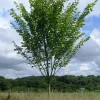
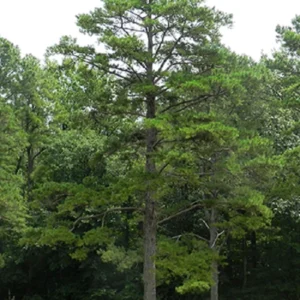
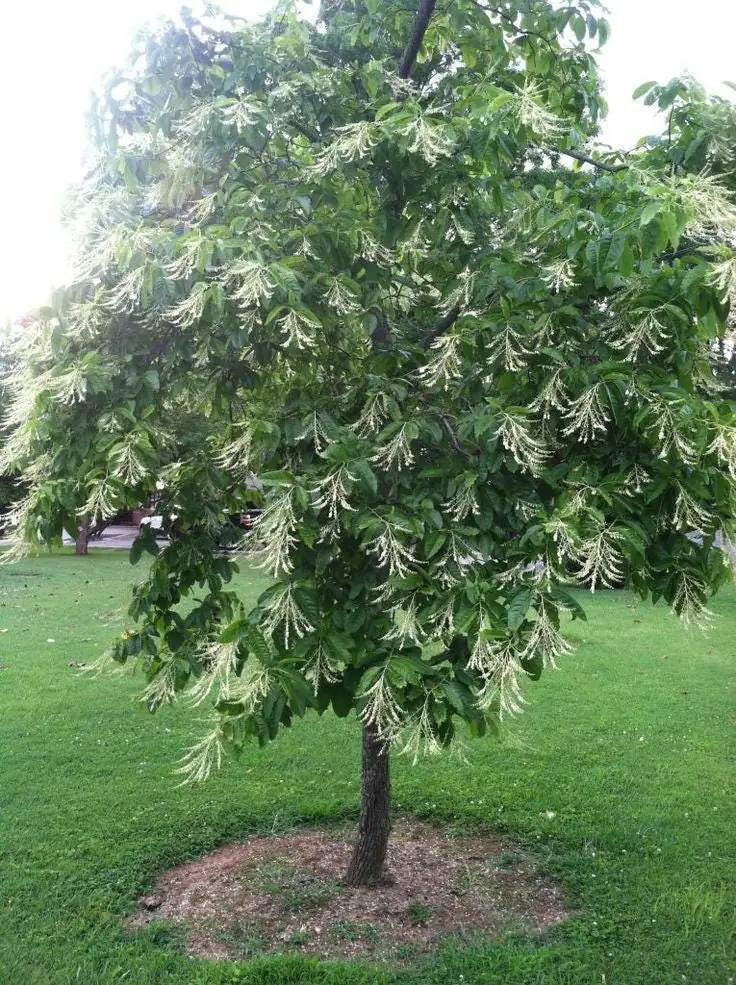
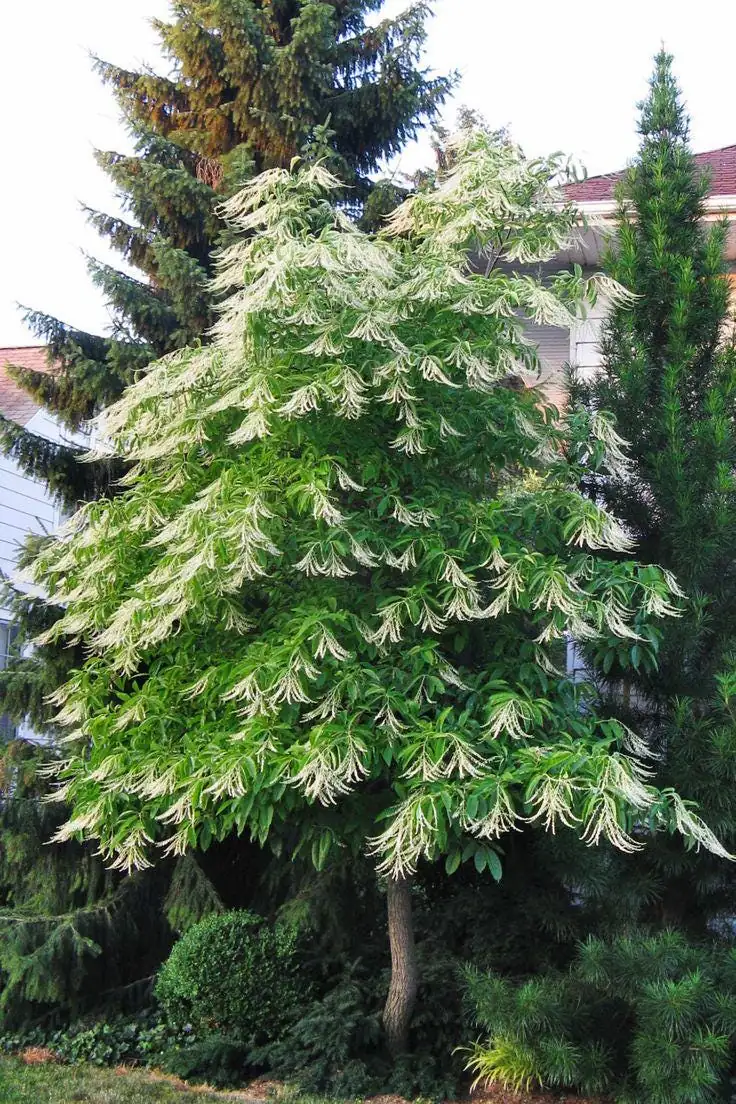
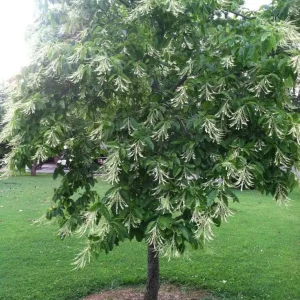
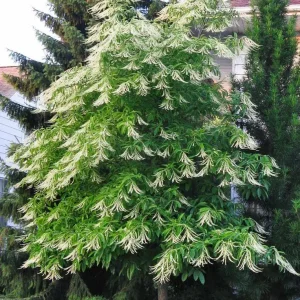
Typically growing to a height of 25–35 feet, with some wild specimens reaching 50–60 feet, the Sourwood Tree develops a graceful pyramidal or narrow oval shape with a straight trunk. Its attractive form provides year-round visual interest. In mid-summer, it produces delicate, urn-shaped white flowers that hang in long, fragrant clusters, attracting pollinators and adding a touch of elegance. These flowers are followed by erect, silvery-gray capsular fruits that persist into winter. The bark of mature sourwood trees is also noteworthy, characterized by its gray, fissured, ridged, and scaly texture, adding to its distinctive charm. This adaptable tree thrives in various conditions, making the Sourwood Tree bare-root an excellent choice for a wide range of garden designs.
Key Benefits
The Sourwood Tree bare-root offers a multitude of benefits that enhance any garden or landscape. From its striking seasonal changes to its ecological contributions, this tree is a valuable addition.
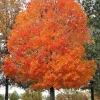
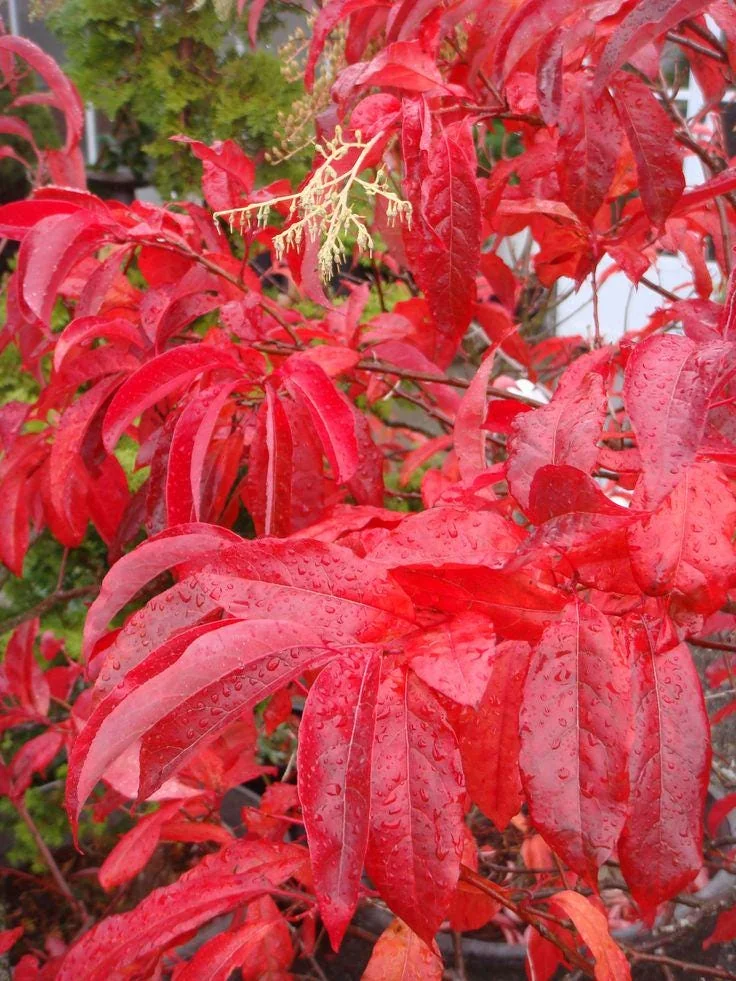
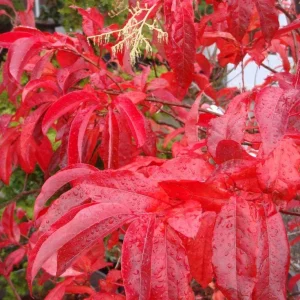
- Spectacular Fall Foliage: The most celebrated feature of the Oxydendrum Arboreum plant is its absolutely breathtaking fall color. Its glossy, dark green leaves transform into vibrant hues of brilliant red, providing a stunning visual spectacle that stands out in any autumn landscape. This fiery display makes it a focal point in any garden.
- Fragrant Summer Flowers: In mid-July, the tree produces delicate, urn-shaped white flowers in long, pendulous clusters. These flowers are not only beautiful but also emit a slight, pleasant fragrance, attracting bees and other pollinators, making it an excellent choice for those interested in supporting local ecosystems.
- Unique Bark Texture: As the Sourwood Tree bare-root matures, its bark develops a distinctive gray, deeply fissured, ridged, and scaly texture. This adds significant winter interest and architectural beauty to the tree, ensuring it remains attractive even after its leaves have fallen.
- Pollinator Magnet: The abundant, nectar-rich flowers of the Oxydendrum Arboreum plant are a favorite among bees, making it an excellent choice for supporting local bee populations and producing high-quality sourwood honey, renowned for its unique flavor.
- Native and Adaptable: As a tree native to the eastern United States, the sourwood tree is well-adapted to local climates and soils, making it a resilient and relatively low-maintenance option for many gardeners. Its natural habitat includes rocky wooded slopes, demonstrating its hardiness.
- Graceful Form: With its naturally pyramidal or narrow oval shape and straight trunk, the sourwood tree offers an elegant and refined silhouette, making it an ideal specimen tree or a beautiful addition to a mixed border.
- Year-Round Interest: From its unique leaves and fragrant flowers to its brilliant fiery red fall leaves and textured bark, the sourwood tree provides visual appeal throughout all four seasons, ensuring your garden always has something special to admire.
Plant Care & Growing Tips
Caring for your Sourwood Tree bare-root ensures it establishes strongly and flourishes, providing years of beauty. Understanding its specific needs for sunlight, water, and soil will contribute to its robust growth. The native sourwood tree is generally low-maintenance once established, but initial care is crucial for success.
Sunlight Requirements: The Sourwood Tree thrives in full sun to partial shade. For the most vibrant fall color and abundant flowering, aim for at least 6 hours of direct sunlight per day. In hotter climates, some afternoon shade can be beneficial to prevent leaf scorch. When planting your Oxydendrum Arboreum plant, consider its mature size and ensure it won’t be overshadowed by larger trees.
Watering Schedule and Soil Moisture: During its establishment period (the first 1-2 years), consistent moisture is vital. Water deeply 2-3 times a week, especially during dry spells, to encourage a strong root system. Once established, the sourwood tree is moderately drought-tolerant but will perform best with regular watering during extended dry periods. Ensure the soil remains consistently moist but not waterlogged. Good drainage is key for preventing root rot, which is important for healthy sourwood tree care.
Soil Type and Drainage: Sourwood trees prefer acidic, well-draining soil rich in organic matter. They are often found in woodland settings, indicating their preference for slightly acidic conditions. A soil pH between 5.0 and 6.5 is ideal. Amend heavy clay soils with compost or pine bark to improve drainage and aeration. For sandy soils, adding organic matter will help retain moisture and nutrients. Proper soil preparation is a cornerstone of effective sourwood tree care.
Temperature Range and USDA Hardiness Zone: The Sourwood Tree is hardy in USDA Zones 5-9. It can tolerate a range of temperatures, from cold winters to hot summers, provided its other growing conditions are met. Protect young trees from extreme winter winds in colder zones. The native sourwood tree is well-adapted to the climatic conditions of its native range.
Fertilization: Fertilize in early spring with a balanced, slow-release granular fertilizer formulated for acid-loving plants, such as those recommended for rhododendrons or azaleas. Follow the product instructions for application rates. Avoid over-fertilizing, especially with high-nitrogen fertilizers, as this can lead to excessive leafy growth at the expense of flowers and fall color. A soil test can help determine specific nutrient deficiencies.
Common Problems and Solutions: Sourwood trees are generally resistant to most pests and diseases. However, they can be susceptible to leaf spot or powdery mildew in overly humid conditions or if air circulation is poor. Ensure adequate spacing between plants. Yellowing leaves can indicate an iron deficiency, often a result of alkaline soil; an application of iron chelate can help. Proper sourwood tree care, including good cultural practices, can prevent most issues.
Size & Details
This offering is for a Sourwood Tree bare-root, a young, dormant tree without soil around its roots, making it efficient for shipping and planting. Bare-root plants establish quickly once planted, as their roots are directly exposed to the soil. The mature height of the Sourwood Tree typically ranges from 25–35 feet, with a spread of 15–20 feet, though it can reach up to 50–60 feet in ideal wild conditions. It exhibits a moderate growth rate, adding about 1–2 feet in height per year under optimal conditions. The leaves are oblong, 5–8 inches long, and glossy dark green, turning into stunning fiery red fall leaves. Flowers bloom in mid-July, with clusters 8–10 inches long. Expect your bare-root tree to begin showing signs of growth in its first spring after planting, with significant development in subsequent years. The bare-root form allows for robust root development directly in your garden soil.
Frequently Asked Questions
- Q: How big does this Sourwood Tree bare-root get? A: The Sourwood Tree bare-root typically grows to a height of 25–35 feet with a spread of 15–20 feet in cultivation. In its native wild habitat, it can reach up to 50–60 feet tall, developing a beautiful pyramidal or narrow oval shape.
- Q: Is this an indoor or outdoor plant? A: The Sourwood Tree (Oxydendrum Arboreum plant) is an outdoor deciduous tree. It requires a significant amount of space to grow and thrive, making it unsuitable for indoor cultivation.
- Q: How much sunlight does the Sourwood Tree need? A: For optimal growth, the Sourwood Tree prefers full sun to partial shade. Aim for at least 6 hours of direct sunlight daily to encourage the best flowering and the most vibrant fiery red fall leaves.
- Q: Is this plant easy to care for? A: Once established, the Sourwood Tree is relatively low-maintenance. It requires consistent watering during its first few years but becomes more drought-tolerant thereafter. Its general resistance to pests and diseases makes sourwood tree care manageable for most gardeners.
- Q: What condition will the bare-root Sourwood Tree arrive in? A: Your Sourwood Tree bare-root will arrive dormant, meaning it will have no leaves and appear to be a stick. This is normal for bare-root plants and ensures a successful transplant. The roots will be carefully packaged to retain moisture.
- Q: When is the best time to plant a bare-root Sourwood Tree? A: The ideal time to plant a bare-root Sourwood Tree is in early spring, as soon as the soil can be worked and before the tree breaks dormancy. Fall planting is also possible in milder climates, allowing roots to establish before winter.
- Q: Will the native sourwood tree survive winter in my zone? A: Yes, the native sourwood tree is hardy in USDA Zones 5-9. It is well-adapted to cold winters within these zones and will reliably return each spring, offering beautiful seasonal interest.
- Q: What kind of soil does the Sourwood Tree prefer? A: The Sourwood Tree thrives in acidic, well-draining soil that is rich in organic matter. A soil pH between 5.0 and 6.5 is ideal. Avoiding heavy, compacted clay soils will ensure the best growth.
- Q: How long until it blooms and shows fall color? A: Young Sourwood Trees may take a few years to begin flowering consistently. Once established, they typically bloom in mid-July. The spectacular fiery red fall leaves usually develop from late September through October, depending on your specific climate.
- Q: Why are the leaves sour? A: The leaves of the Oxydendrum Arboreum plant contain oxalic acid, which gives them a distinctively sour taste, hence the common name “sourwood.” While not typically consumed, this unique characteristic is part of the tree’s identity.


Reviews
There are no reviews yet.