Overview
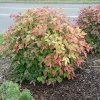
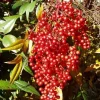
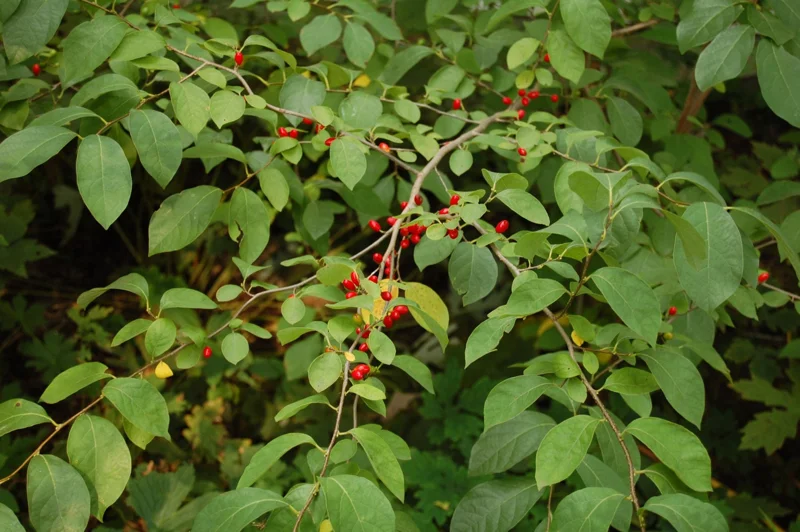
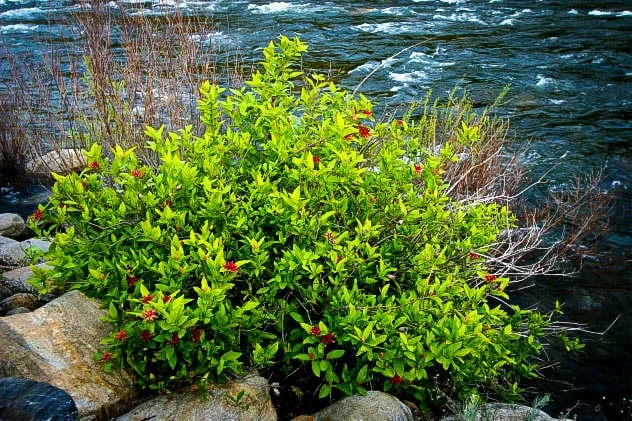
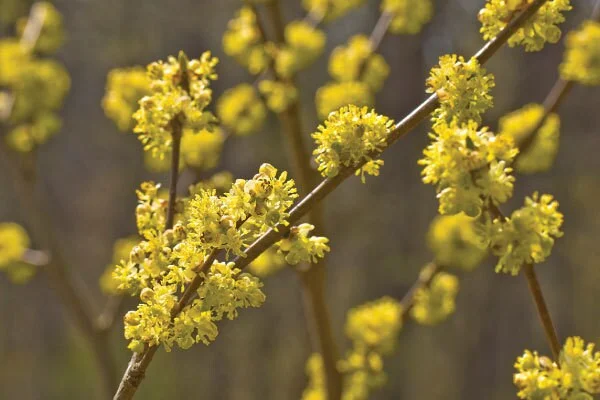
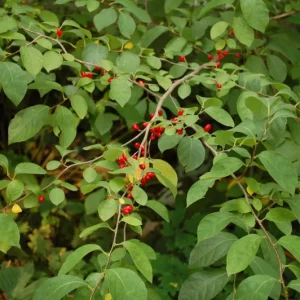
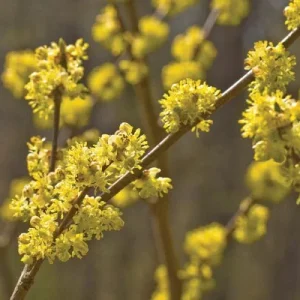
Bring the beauty and ecological benefits of a Spicebush live plant into your landscape. This delightful native shrub, scientifically known as Lindera benzoin, is also commonly referred to as Pond Berry. Revered for its delicate beauty and significant ecological role, the Spicebush live plant is an essential addition for gardeners looking to support local wildlife, especially birds. Growing 3-4 feet tall and 2 feet wide at maturity, this shrub from the laurel family offers an elegant presence in any garden setting. Its early spring flowers, appearing before the leaves, add a subtle charm, while the glossy red berries in late summer provide a crucial food source for many bird species. The sweet, spicy fragrance released when its stems, leaves, or fruits are bruised gives this plant its distinctive common name, making it a truly sensory experience in your garden.
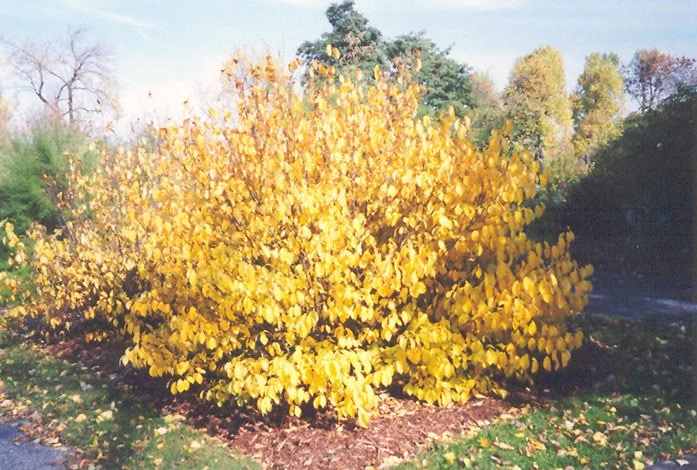
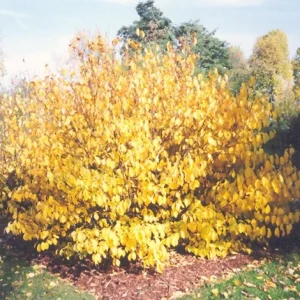
The Lindera benzoin shrub is celebrated not only for its aesthetic appeal but also for its hardiness and adaptability. It’s a fantastic choice for adding structure and interest to shady garden spots, though it can also flourish in full sun with adequate moisture. Its deep green leaves maintain a lush appearance throughout the growing season, transforming into a brilliant yellow in the fall, creating a stunning autumnal display. This plant is a cornerstone for creating a biodiverse environment, attracting a variety of pollinators and providing shelter. Whether you’re a seasoned gardener or just starting, the Spicebush offers a rewarding experience with minimal fuss.
Embrace the charm of this versatile native. The Spicebush live plant is shipped in a 1 gallon pot, ready to be planted and establish itself in your garden. Its presence will not only elevate the visual appeal of your outdoor space but also contribute significantly to the local ecosystem, providing food and habitat for numerous species. Consider adding this remarkable shrub to your collection for year-round interest and environmental enrichment.
Key Benefits
The Spicebush live plant offers a multitude of benefits, making it a highly desirable addition to any garden:
-
Ecological Impact: This native Spicebush for birds is a critical host plant for Spicebush Swallowtail and Eastern Tiger Swallowtail butterflies. Its berries are a vital food source for over 20 species of birds, especially wood thrushes, ensuring a vibrant ecosystem in your backyard.
-
Fragrant Foliage: Enjoy the unique sweet and spicy fragrance released from the stems, leaves, and fruits when bruised. This natural aroma adds another layer of sensory delight to your garden experience, distinguishing the fragrant Spicebush plant from many other shrubs.
-
Stunning Fall Color: Witness a spectacular display as the deep green leaves turn a brilliant yellow in the fall, providing a striking contrast and extending the seasonal interest of your garden. This vibrant foliage ensures your landscape remains captivating long after summer has faded.
-
Adaptable & Hardy: Thriving in USDA Zones 4-9, the Spicebush is incredibly versatile, tolerating both shady and full sun locations, provided it has moist soil. This adaptability makes it suitable for a wide range of garden designs and climates.
-
Low Maintenance: Once established, the pond berry plant requires minimal care, making it an excellent choice for gardeners seeking an attractive yet easy-to-manage shrub. Its natural hardiness means less time spent on upkeep and more time enjoying its beauty.
-
Year-Round Interest: From early spring flowers to vibrant fall foliage and attractive red berries in late summer, the Spicebush provides visual interest throughout the seasons. Its structural form adds beauty even in winter, making it a valuable asset to your garden.
-
Naturalized Beauty: As a native species, it blends seamlessly into naturalized garden settings, supporting local biodiversity and creating a harmonious environment. Its presence enhances the authentic feel of a native landscape.
Plant Care & Growing Tips
Caring for your Spicebush live plant is relatively straightforward, making it an excellent choice for gardeners of all experience levels. When selecting a location, consider its light requirements. While it can tolerate full sun, especially in cooler climates, it truly thrives in partial shade, mimicking its natural woodland habitat. In hotter regions, some afternoon shade is beneficial to prevent leaf scorch. The ideal site will receive at least 4-6 hours of sunlight daily. Ensure the planting area has good air circulation to prevent fungal issues, which is important for the overall health of your Lindera benzoin shrub.
Moisture is key for the Spicebush live plant. It prefers consistently moist, well-draining soil. While it can adapt to various soil types, a rich, organic loam is ideal. Avoid excessively dry or waterlogged conditions. During dry spells, especially in its first year, supplemental watering is crucial to help the plant establish a strong root system. Once mature, it becomes more drought-tolerant but will perform best with regular moisture. Mulching around the base of the plant can help retain soil moisture and regulate soil temperature, promoting healthy growth for your native Spicebush for birds. Fertilization is generally not heavily required; a balanced, slow-release fertilizer in early spring can provide a boost if your soil is poor.
The Spicebush live plant is hardy in USDA Zones 4-9. It is quite resistant to most pests and diseases, making it a robust choice for a low-maintenance garden. Pruning should be done in late winter or early spring before new growth begins. Focus on removing any dead, damaged, or crossing branches to maintain its natural shape and promote healthy growth. Minimal pruning is often needed, as this shrub naturally develops an attractive form. Remember that the common name, pond berry plant, reflects its preference for moist environments, so keeping the soil adequately hydrated is paramount for its success.
Size & Details
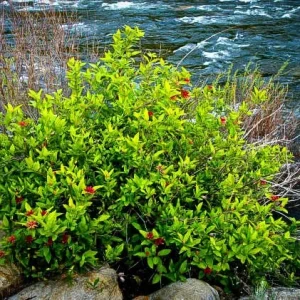
This offering is for one Spicebush live plant (Lindera benzoin) shipped in a 1 gallon nursery pot. The plant’s size at shipping will vary based on the season and growth cycle but will be well-rooted and ready for transplanting into your garden. At maturity, the Spicebush live plant typically reaches a height of 3-4 feet and spreads approximately 2 feet wide, forming a dense, rounded shrub. It exhibits a moderate growth rate, establishing itself well within a few seasons.
The plant will arrive carefully packaged to ensure its health during transit. Its flowers appear in early spring before the leaves, followed by the development of bright red, single-seeded berries in late summer to early fall. These berries are a key feature, making it an excellent native Spicebush for birds. The vibrant yellow fall foliage adds another dimension of seasonal interest. This resilient shrub is a fantastic addition for creating a layered look in your garden, providing both visual appeal and ecological benefits throughout the year.
Frequently Asked Questions
-
Q: How big does this Spicebush live plant get? A: At maturity, the Spicebush live plant typically grows to a height of 3-4 feet and spreads about 2 feet wide, forming a nicely shaped, dense shrub. Its size makes it versatile for various garden spaces, from borders to naturalized areas.
-
Q: What size pot does the Spicebush live plant come in? A: This Spicebush live plant is shipped in a 1 gallon nursery pot, ensuring it has a well-established root system and is ready for successful transplanting into your garden or a larger container.
-
Q: Is this an indoor or outdoor plant? How much sunlight does it need? A: The Spicebush live plant is an outdoor shrub. It thrives in partial shade but can also grow in full sun, especially in cooler climates, as long as the soil remains moist. In hotter regions, some afternoon shade is recommended.
-
Q: Is this plant easy to care for? Is it good for beginners? A: Yes, the Spicebush live plant is considered relatively easy to care for, making it a great choice for beginners. Once established, it is quite hardy and requires minimal maintenance, primarily focusing on consistent moisture.
-
Q: What condition will the fragrant Spicebush plant arrive in? A: Your fragrant Spicebush plant will arrive carefully packaged in its 1 gallon pot, with a healthy root system and foliage, ready for planting. We take great care to ensure the plant’s well-being during shipment.
-
Q: How long until it blooms or produces berries? A: The Spicebush live plant typically begins blooming in early spring, often before its leaves emerge. Berries will form in late summer to early fall. Young plants may take a season or two to establish before producing a significant amount of fruit.
-
Q: Will the pond berry plant survive winter in my zone? What’s the minimum temperature? A: Yes, the pond berry plant is very hardy and thrives in USDA Zones 4-9. It is well-adapted to cold winters within this range and can tolerate temperatures well below freezing, making it a robust choice for many regions.
-
Q: Why is it called “Pond Berry”? A: The common name “Pond Berry” is sometimes used for the Spicebush live plant due to its preference for moist soils, often found near ponds, streams, or low-lying areas in its native habitat. This highlights its need for consistent moisture to thrive.
-
Q: Does the Lindera benzoin shrub attract wildlife? A: Absolutely! The Lindera benzoin shrub is a magnet for wildlife. Its flowers attract early pollinators, and its berries are a crucial food source for many bird species, including wood thrushes, making it an excellent choice for a wildlife garden.
-
Q: Can I grow the native Spicebush for birds in a container? A: While the native Spicebush for birds can be grown in a large container for a period, it generally prefers to be planted directly in the ground where its roots have ample space to grow and access consistent moisture. If container growing, ensure a very large pot and consistent watering.


Reviews
There are no reviews yet.