Overview
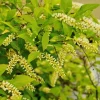
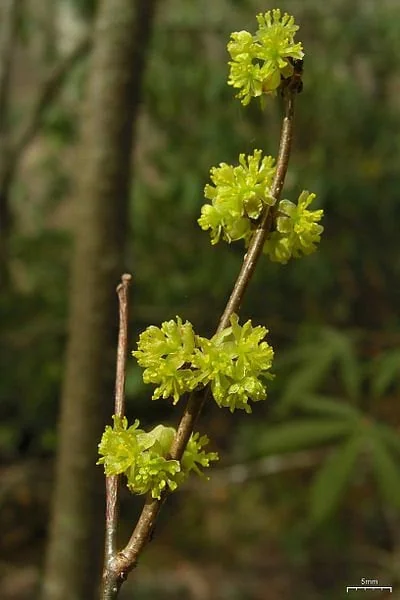
Bring the beauty of native flora to your garden with this exquisite spicebush live plant, scientifically known as Lindera Benzoin. This deciduous shrub is a true harbinger of spring, showcasing delicate greenish-yellow flowers in early to mid-April, even before its leaves emerge. The lindera benzoin plant is not only a visual delight but also a vital host plant for swallowtail butterfly larvae, making it an excellent choice for supporting local ecosystems and attracting wildlife. Thriving in various conditions, the Spicebush offers year-round interest, from its fragrant early blossoms to its brilliant yellow fall foliage and bright red berries. It’s a wonderful addition for naturalizing areas, borders, or even as a standalone specimen where its beauty can be fully appreciated.
The spicebush live plant is a versatile and resilient shrub that can adapt to both semi-shady spots and full sun conditions, provided it has adequate moisture. Its slow to medium growth rate makes it manageable for many garden sizes, eventually forming a dense, rounded shrub that provides excellent cover and food for birds. Whether you’re a seasoned gardener or just starting, this plant will reward you with its charm and ecological benefits, enriching your outdoor space with natural elegance.
Key Benefits
The spicebush live plant offers a multitude of benefits, making it a highly desirable addition to any landscape. Its unique characteristics provide both aesthetic appeal and ecological value.
- Early Spring Blooms: Be among the first to witness the arrival of spring with the Spicebush’s delicate greenish-yellow flowers, appearing before the leaves. These subtle yet charming blooms provide early nectar for pollinators.
- Wildlife Attractor: This plant is a crucial host for the Spicebush Swallowtail butterfly and provides berries that are a favorite food source for many bird species, including thrushes, vireos, and warblers. Planting a lindera benzoin plant contributes significantly to local biodiversity.
- Vibrant Fall Color: Enjoy a spectacular display of golden-yellow foliage in autumn, adding a warm and inviting glow to your garden. The fall color of the Spicebush is truly a standout feature.
- Fragrant Foliage: Crush a leaf or twig, and you’ll be greeted with a pleasant, spicy aroma, reminiscent of allspice. This unique scent adds another sensory dimension to your garden experience.
- Adaptable & Resilient: The Spicebush is known for its adaptability, thriving in a range of light conditions from partial shade to full sun and tolerating various soil types, making growing spicebush relatively easy.
- Moisture Tolerance: This shrub performs exceptionally well in moist soil areas, making it suitable for rain gardens or areas with consistent soil moisture.
- Low Maintenance: Once established, the spicebush live plant requires minimal care, making it an ideal choice for gardeners seeking a beautiful yet undemanding shrub.
Plant Care & Growing Tips
Caring for your spicebush live plant is straightforward, and with the right conditions, it will flourish and become a treasured part of your garden. This hardy shrub is quite adaptable, but optimal conditions will ensure the best growth and display of its unique features. When considering spicebush care, remember its native habitat preferences.
For sunlight requirements, the Spicebush thrives in a range from partial shade to full sun. In semi-shady spots, it will develop a more open habit, while in full sun with consistent moisture, it will be denser and exhibit more profuse flowering and vibrant fall color. Aim for at least 4-6 hours of direct sunlight for best results. When it comes to watering, the Spicebush prefers consistently moist soil. It’s particularly well-suited for moist areas and can tolerate occasional wet feet, but it does not like prolonged drought, especially when young. Water regularly, especially during dry spells, ensuring the soil remains damp but not waterlogged. The ideal soil type is a rich, well-draining loam. It can tolerate clayey soils if drainage is adequate. A slightly acidic to neutral pH is preferred.
The spicebush live plant is cold-hardy and typically thrives in USDA zones 4-9. Fertilization is generally not heavily required for established plants in good soil. If your soil is poor, a balanced slow-release granular fertilizer applied in early spring can be beneficial. Pruning is best done in late winter or early spring before new growth begins, primarily for shaping or removing any dead or damaged branches. Common problems are few, as the Spicebush is generally pest and disease resistant. Ensure good air circulation and avoid overwatering to prevent fungal issues. Understanding these aspects of growing spicebush will ensure a healthy and thriving plant.
Size & Details
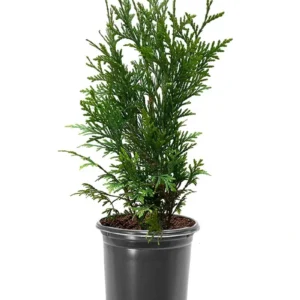
This spicebush live plant is supplied in a 4-inch container, providing a well-rooted specimen ready for planting. At the time of shipping, plants are typically 6 inches in height. At maturity, the Spicebush (Lindera Benzoin) can reach a height of 6-12 feet with a similar spread, forming a rounded, multi-stemmed shrub. Its growth rate is considered slow to medium, allowing it to establish well without becoming overly aggressive in the landscape. The plant will arrive as a young, potted shrub, ready to be transplanted into your garden or a larger container. Expect it to gradually increase in size, developing its full form and vibrant characteristics over several seasons. This shrub is an excellent choice as a native shrub for wildlife, providing habitat and food.
Frequently Asked Questions
- Q: How big does this plant get? A: The spicebush live plant typically grows to a mature height of 6-12 feet with a similar spread, forming a dense, rounded shrub. Its size can vary slightly depending on growing conditions and sun exposure.
- Q: What size pot does it come in? A: This Spicebush plant is rooted and shipped in a 4-inch container, providing a healthy start for your garden. It is ready for transplanting upon arrival.
- Q: Is this an indoor or outdoor plant? A: The Spicebush (Lindera Benzoin) is primarily an outdoor plant, a deciduous shrub that thrives in garden settings. It is not typically grown as an indoor houseplant.
- Q: How much sunlight does it need? A: This lindera benzoin plant prefers partial shade to full sun. It will tolerate full sun if the soil remains consistently moist, but generally performs well with 4-6 hours of direct sunlight per day.
- Q: Is this plant easy to care for? A: Yes, spicebush care is relatively easy. Once established, it is a low-maintenance shrub that is tolerant of various conditions and generally resistant to pests and diseases, making it suitable for beginners.
- Q: What condition will it arrive in? A: Your Spicebush plant will arrive as a healthy, live plant rooted in its 4-inch container, carefully packaged to ensure its safe journey. Planting instructions are included with each purchase.
- Q: When is the best time to plant? A: The best time for growing spicebush is typically in spring or early fall, allowing the plant sufficient time to establish its root system before extreme weather conditions.
- Q: Will it survive winter in my zone? A: The Spicebush is a cold-hardy shrub, typically thriving in USDA Hardiness Zones 4-9. It is well-adapted to surviving cold winters within these zones.
- Q: Why is the Spicebush considered a good plant for wildlife? A: It’s an excellent native shrub for wildlife because it is a host plant for the Spicebush Swallowtail butterfly larvae and produces berries that are a valuable food source for numerous bird species in the fall.


Reviews
There are no reviews yet.