Overview
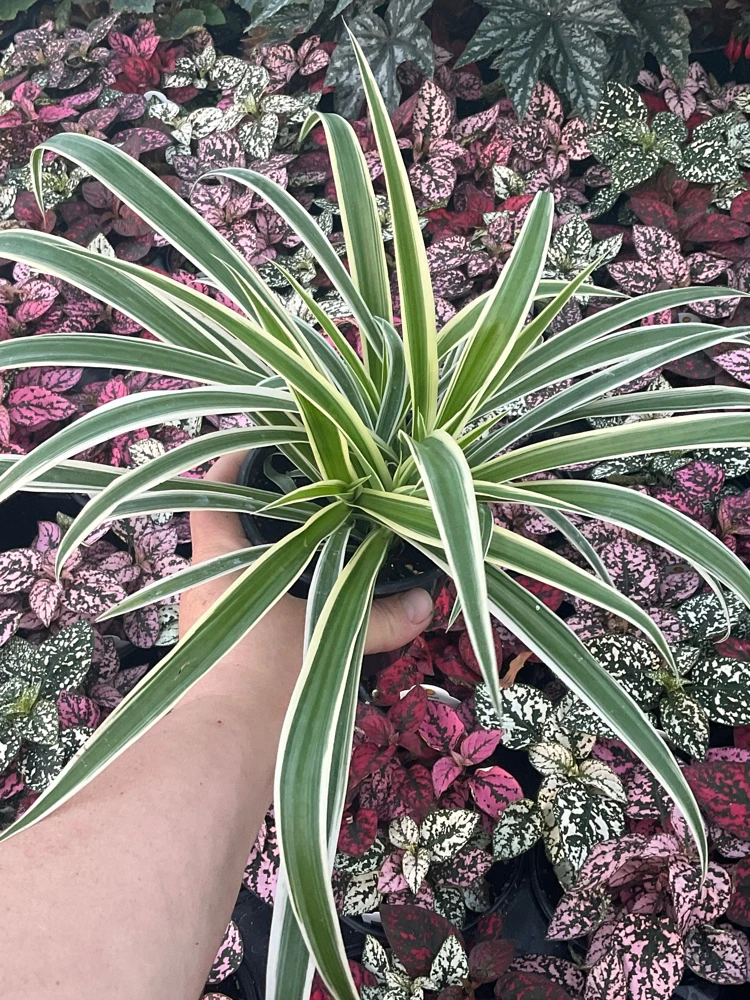
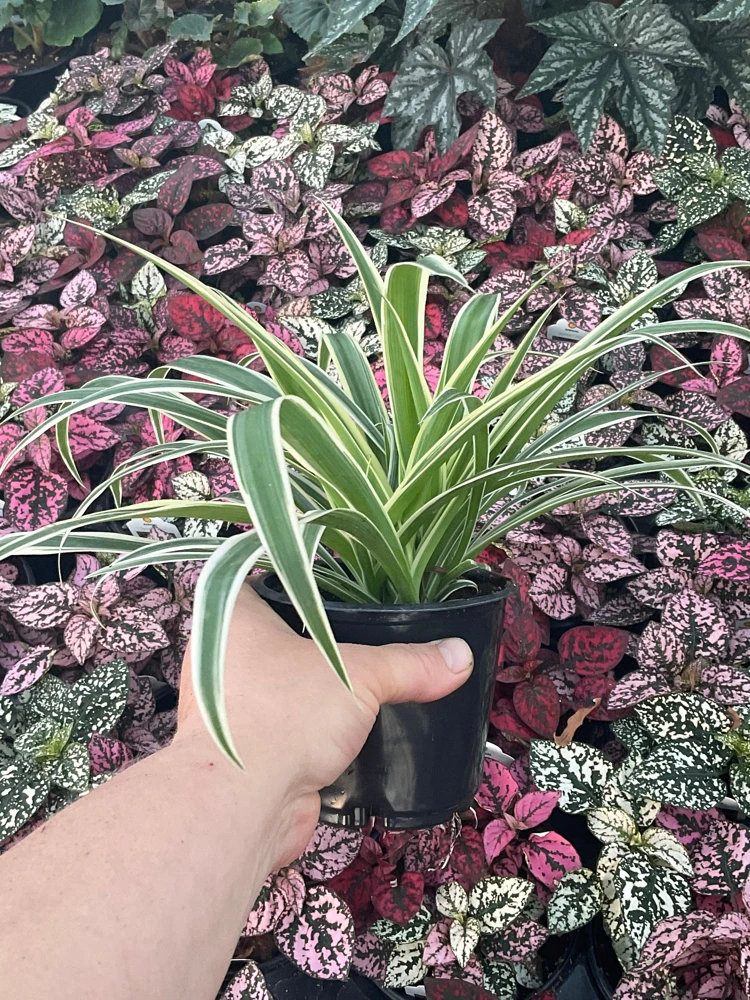
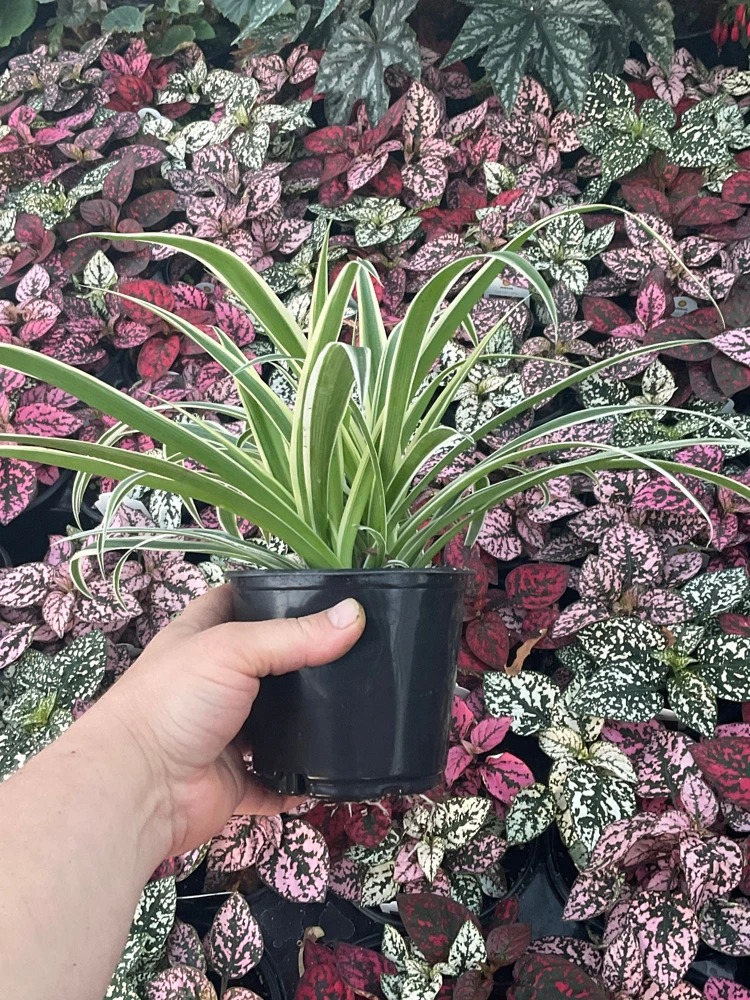
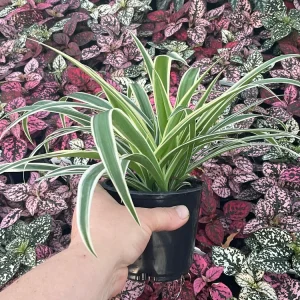
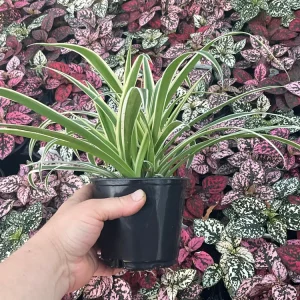
Introduce a classic and resilient favorite into your indoor plant collection with the spider plant reverse. This charming live plant, scientifically known as Chlorophytum comosum ‘Reverse Variegatum’, is celebrated for its distinctive foliage featuring a creamy white center stripe bordered by lush green edges. Shipped in a convenient 4.5 inch pot, this particular variety offers a refreshing take on the traditional spider plant, providing a bright and airy feel to any room. Known for its ease of care and ability to produce plantlets, the spider plant reverse is a perfect choice for beginners and experienced gardeners alike. It’s not just beautiful; it’s also recognized by NASA as an excellent air-purifying plant, actively working to remove toxins from your home environment.
Originating from southern Africa, spider plants have adapted well to indoor environments around the globe. The ‘Reverse Variegatum’ cultivar stands out with its unique color pattern, making it a visually appealing addition to desks, shelves, or hanging baskets. Its arching leaves create an attractive fountain-like display, and the plantlets (or ‘spiders’) that dangle from mature plants add a playful touch, offering easy opportunities for spider plant propagation. This robust and adaptable houseplant promises to bring continuous beauty and cleaner air to your living space with minimal fuss.
Key Benefits
The spider plant reverse offers a multitude of benefits, making it one of the most popular and rewarding houseplants to cultivate. From its aesthetic appeal to its health-boosting properties, this plant is a true indoor gem.
- Exceptional Air Purification: One of the most significant benefits of spider plant is its proven ability to cleanse indoor air. It effectively removes common household toxins like formaldehyde and xylene, contributing to a healthier living or working environment.
- Remarkably Easy to Care For: This plant is incredibly forgiving and low-maintenance, making it perfect for those new to plant care or individuals with busy schedules. It tolerates a range of conditions, bouncing back quickly from minor neglect.
- Stunning Variegated Foliage: The ‘Reverse Variegatum’ variety boasts an eye-catching display of creamy white centers framed by vibrant green edges, adding a bright and cheerful accent to any decor.
- Natural Decor Enhancement: With its graceful, arching leaves and compact size, the spider plant reverse is ideal for various display options – from tabletops and shelves to hanging baskets, where its plantlets can beautifully cascade.
- Simple Propagation: Mature plants readily produce ‘spiderettes’ or plantlets, which can be easily detached and rooted to create new plants, offering endless opportunities to expand your collection or share with friends.
- Pet-Friendly Option: Unlike many other houseplants, spider plants are non-toxic to cats and dogs, providing peace of mind for pet owners who want to enjoy indoor greenery.
- Boosts Mood and Well-being: Studies suggest that having plants indoors can reduce stress, improve focus, and enhance overall mood, making the spider plant indoor a beneficial addition to any home or office.
Plant Care & Growing Tips
Caring for your spider plant reverse is straightforward, ensuring a thriving and beautiful display with minimal effort. Understanding its basic needs will help you maintain its vibrant foliage and encourage healthy growth.
Sunlight: The spider plant indoor thrives in bright, indirect light. Place it near a window where it receives plenty of ambient light but is shielded from direct, harsh sunlight, which can scorch its leaves. An east or north-facing window is often ideal. While it can tolerate lower light conditions, variegation may become less pronounced. For optimal growth and color, aim for at least 6-8 hours of bright, indirect light daily.
Watering: Water thoroughly when the top inch of soil feels dry to the touch. Allow excess water to drain completely from the bottom of the pot to prevent root rot. During warmer months or in drier environments, you may need to water more frequently. In winter, reduce watering as the plant’s growth slows. Using distilled or rainwater is often recommended, as spider plants can be sensitive to fluoride and chlorine found in tap water, which can cause brown leaf tips. If using tap water, let it sit out overnight to allow chemicals to dissipate.
Soil, Temperature & Humidity: Use a well-draining potting mix that retains some moisture but doesn’t become waterlogged. A standard all-purpose potting mix with added perlite or coco coir works well. These plants prefer average room temperatures between 65-75°F (18-24°C) and can tolerate slightly cooler conditions but should be protected from drafts. They appreciate moderate to high humidity, though they are quite adaptable. If your home is very dry, occasional misting or placing the pot on a pebble tray with water can be beneficial. The reverse spider plant care for these conditions is quite forgiving.
Fertilization: Feed your spider plant reverse with a balanced liquid fertilizer diluted to half strength every 2-4 weeks during the active growing season (spring and summer). Reduce feeding in fall and winter when the plant is less active. Over-fertilization can lead to fertilizer burn, so always err on the side of less. Common problems include brown leaf tips, often due to dry air, inconsistent watering, or chemical sensitivity in water. Regular pruning of yellowing or damaged leaves will keep your plant looking its best.
Size & Details
This offering includes one healthy spider plant reverse, carefully nurtured and shipped in a 4.5 inch nursery pot. At the time of shipping, the plant typically stands approximately 6-10 inches tall from the base of the pot, with a spread of 8-12 inches, creating an immediate visual impact in your home. These plants are known for their moderate to fast growth rate under optimal conditions. Expect your plant to produce arching stems with adorable ‘spiderettes’ (plantlets) as it matures, usually within a year, providing ample opportunity for spider plant propagation. It is shipped as a live, established plant, ready to be enjoyed or transplanted into a decorative container of your choice. With proper reverse spider plant care, this plant can live for many years, growing into a lush specimen that continues to produce new plantlets.
Frequently Asked Questions
- Q: How big does this spider plant get? A: The spider plant reverse in a 4.5 inch pot typically reaches a mature size of 12-18 inches in height and spread. Its arching leaves can extend further, and mature plants will produce long stolons with plantlets.
- Q: Is this an indoor or outdoor plant? A: This is primarily an spider plant indoor, thriving in typical household environments. It can be placed outdoors in shaded areas during warm summer months, but it is not frost-tolerant and must be brought inside before temperatures drop.
- Q: How much sunlight does the spider plant reverse need? A: The spider plant reverse prefers bright, indirect light. Avoid direct sun exposure, which can scorch its leaves. A north or east-facing window is usually ideal, or a spot a few feet away from a south or west-facing window.
- Q: Is this plant easy to care for, especially for beginners? A: Yes, the spider plant reverse is renowned for being one of the easiest houseplants to care for, making it an excellent choice for beginners. Its resilience and adaptability forgive minor care mistakes.
- Q: What condition will it arrive in? A: Your spider plant reverse will arrive as a healthy, established live plant in its 4.5-inch nursery pot, securely packaged to minimize stress during transit and ready to thrive in its new home.
- Q: How often should I water my spider plant? A: Water when the top inch of soil feels dry. The frequency depends on your home’s humidity and temperature, but typically once a week or every 10 days is sufficient. Ensure good drainage to prevent waterlogging.
- Q: Can I propagate new plants from my spider plant reverse? A: Absolutely! One of the great benefits of spider plant is its ease of propagation. Mature plants produce ‘spiderettes’ that can be rooted in water or directly in soil to create new plants. This is a key aspect of spider plant propagation.
- Q: Are spider plants safe for pets? A: Yes, spider plant indoor are considered non-toxic to cats and dogs, making them a safe choice for households with pets.
- Q: What are the common reasons for brown leaf tips on a spider plant? A: Brown leaf tips are often caused by dry air, inconsistent watering (both under and overwatering), or sensitivity to chemicals like fluoride and chlorine in tap water. Using distilled or filtered water can help.
- Q: Does the ‘Reverse Variegatum’ variety require special care compared to other spider plants? A: The reverse spider plant care is largely the same as for other spider plant varieties. Its main distinguishing feature is the variegation pattern, which thrives best with bright, indirect light to maintain its vibrant colors.


Reviews
There are no reviews yet.