

Overview
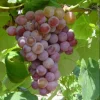
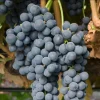
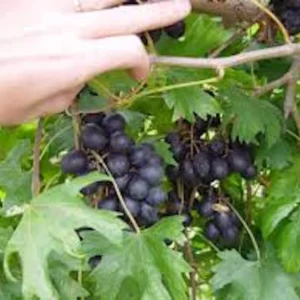
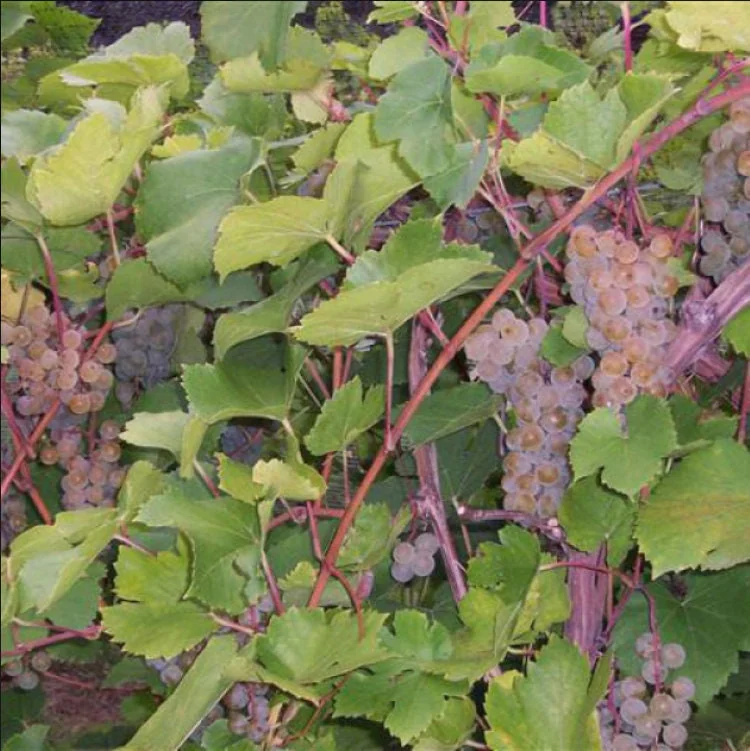
Embark on your viticulture journey with the exceptional St. Pepin grape vine. This offering includes 2 healthy bare root plants, carefully prepared for successful establishment in your garden. The St. Pepin grape is a highly regarded hybrid variety, celebrated for its robust growth, adaptability to various climates, and production of sweet, crisp white grapes. Developed from a cross between the classic French varieties Seibel and De Chaunac, St. Pepin grapes are a favorite among home gardeners and winemakers alike. Whether you aspire to create your own dessert wines, sparkling wines, or simply enjoy fresh, juicy grapes straight from the vine, this variety offers an excellent choice. These bare root grape plant specimens are ready to thrive, providing you with years of delicious harvests and ornamental beauty.
The St. Pepin grape is renowned for its versatility, performing well in a wide range of growing conditions and offering both table grape qualities and excellent winemaking potential. Its vigorous growth habit and disease resistance make it a rewarding plant for both novice and experienced growers. With proper siting and care, these vines will quickly establish themselves, becoming a focal point in your landscape while delivering a consistent yield of high-quality fruit.
Key Benefits
Growing your own St. Pepin grape vine offers numerous advantages, blending aesthetic appeal with practical utility. These vines are not only productive but also add significant beauty to your garden, whether trained on a trellis, arbor, or fence. Here are some of the key benefits you can expect:
- Delicious White Grapes: Produce abundant clusters of sweet, crisp white grapes perfect for fresh eating, juice, and various culinary applications.
- Excellent for Winemaking: Highly prized by home winemakers for crafting a range of white wines, including dessert and sparkling varieties, due to their balanced acidity and rich flavor profile.
- Cold Hardiness & Adaptability: The St. Pepin variety is known for its resilience, thriving in USDA Zones 4-12, making it suitable for a broad spectrum of climates. This adaptability simplifies the process for those who want to grow grapes at home.
- Vigorous Growth Habit: Exhibits strong, upright growth, allowing for easy training and management on various support structures, ensuring a productive and tidy vineyard or garden space.
- Disease Resistance: Generally robust and less susceptible to common grape diseases, reducing the need for extensive chemical treatments and simplifying maintenance.
- Long-Term Productivity: With proper care, a well-established St. Pepin grape vine can continue to produce bountiful harvests for many years, offering a sustainable source of fruit.
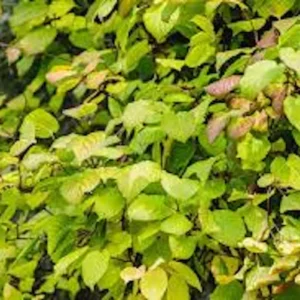
- Garden Aesthetic: Provides beautiful foliage and fruit clusters, enhancing the visual appeal of trellises, pergolas, and garden structures.
Plant Care & Growing Tips
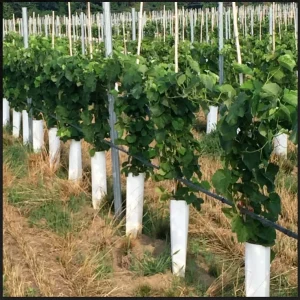
Successful cultivation of your St. Pepin grape vine begins with thoughtful planning and consistent care. These vines require specific conditions to flourish and produce their best fruit. First, select a site that receives at least 8 hours of direct sunlight daily; full sun is crucial for fruit development and flavor. The soil should be well-drained, deep, and rich in organic matter. Before planting your bare root grape plant, amend the soil with compost to improve fertility and drainage. Dig a hole that is two to three feet deep and wide, ensuring ample space for the root system to spread.
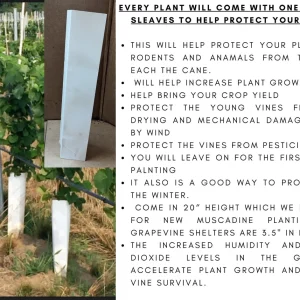
When planting, ensure the roots are spread out and the crown of the plant is at soil level. Water thoroughly after planting to settle the soil around the roots. Regular watering is essential, especially during dry periods and fruit development, but avoid waterlogging the soil. Fertilize your vines in the spring with a balanced fertilizer specifically formulated for grapes, or a slow-release granular product. Pruning is a critical aspect of grape vine care; annual winter pruning helps maintain vine shape, promotes healthy growth, and encourages fruit production. Remove dead, damaged, or weak canes, and aim to leave 2-4 strong canes per vine, each with 8-10 buds. Training the vines on a trellis or arbor is vital for optimal sunlight exposure and airflow, which helps prevent disease and ensures even ripening of the fruit. Protecting young vines from pests and diseases with appropriate organic or conventional methods will also contribute to a healthy, productive plant. By following these guidelines, you’ll be well on your way to a successful harvest of delicious grapes.
Size & Details
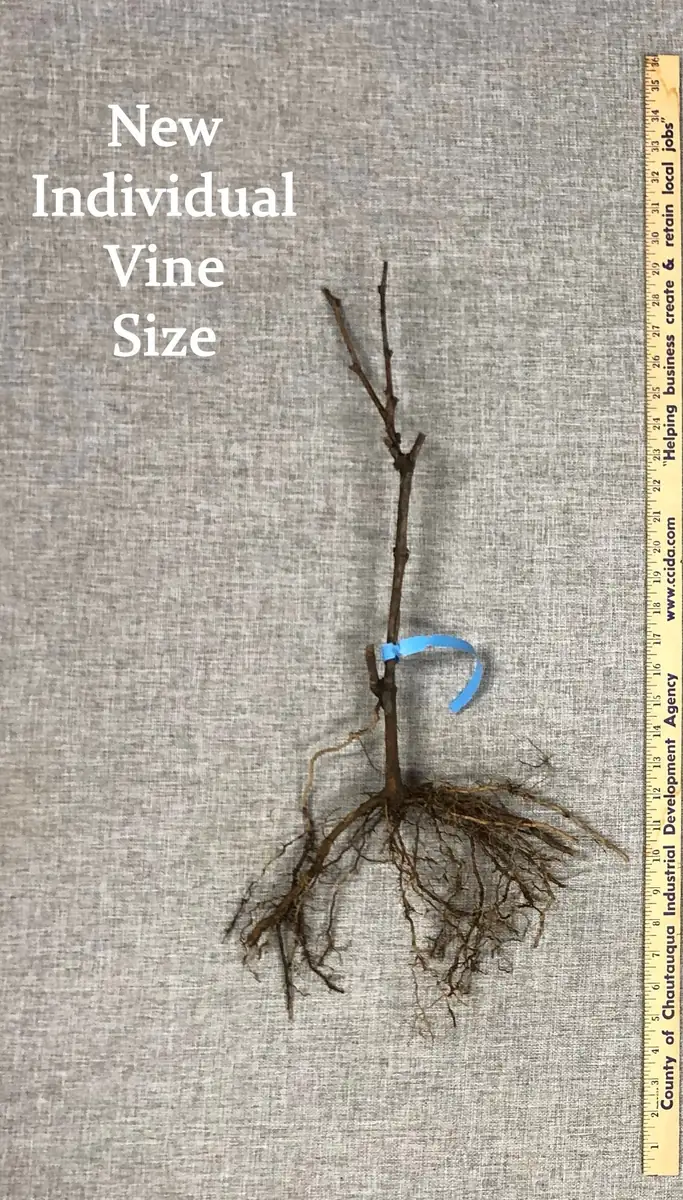
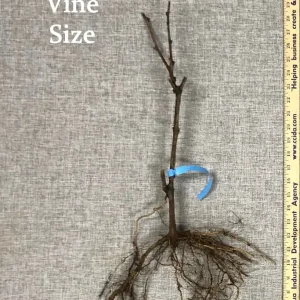
This offering includes two St. Pepin grape vine bare root plants, carefully harvested and prepared for shipment. Bare root plants are dormant and ship without soil or a pot, making them ideal for planting upon arrival in early spring. Each plant features a healthy, established root system, ready to quickly establish itself in your garden. The St. Pepin variety exhibits an upright growth habit and can be trained to various support systems like trellises or arbors. Expect mature vines to reach lengths of 15-20 feet or more, depending on pruning and training. For optimal growth and air circulation, it is suggested to plant vines 6-8 feet apart. Grapes typically ripen in late summer to early fall, offering a sweet harvest. These vines are cold-hardy, thriving in USDA Zones 4-12, making them a robust choice for many climates. This ensures that you can successfully grow grapes at home in a wide range of environments.
Frequently Asked Questions
- Q: How big does this St. Pepin grape vine get? A: A mature St. Pepin grape vine can grow quite large, typically reaching lengths of 15-20 feet or more when properly trained and pruned on a trellis or arbor. Its size is largely dependent on growing conditions and annual pruning.
- Q: Is this an indoor or outdoor plant? A: The St. Pepin grape vine is an outdoor plant, best suited for cultivation in gardens, vineyards, or large containers outdoors where it can receive ample sunlight and space to grow.
- Q: How much sunlight does the St. Pepin grape vine need? A: For optimal growth and fruit production, these grape vines require at least 8 hours of direct, full sunlight per day. Adequate sunlight is crucial for developing sweet, flavorful grapes.
- Q: Is this plant easy to care for? Is it good for beginners? A: While grape vines require consistent pruning and training, the St. Pepin variety is known for its adaptability and relative disease resistance, making it a good choice for motivated beginners interested in grape vine care.
- Q: What condition will the bare root grape plant arrive in? A: Your bare root grape plant will arrive dormant, without soil or leaves, ensuring it’s ready for immediate planting in early spring. It will have a healthy, well-developed root system.
- Q: How long until it produces grapes? A: Typically, a St. Pepin grape vine will begin to produce a small harvest in its second or third year after planting, with full production achieved by the fourth or fifth year.
- Q: Will it survive winter in my zone? A: Yes, the St. Pepin grape is known for its excellent cold hardiness, thriving in USDA Zones 4-12. This makes it suitable for winter survival in many temperate climates.
- Q: Can I use St. Pepin grapes for making white wine? A: Absolutely! St. Pepin grapes are highly favored for winemaking, producing excellent white wines, including dessert and sparkling varieties, due to their balanced sugar and acid content. It’s a great option for those who want to grow grapes at home for wine.
- Q: What’s the best way to support my grape vine? A: Grape vines like St. Pepin benefit greatly from support structures such as trellises, arbors, or pergolas. Training the vine onto these structures helps with air circulation, sun exposure, and fruit development.
- Q: What’s the best time to plant a bare root grape plant? A: The ideal time to plant your bare root grape plant is in early spring, after the last threat of hard frost has passed, and before the plant breaks dormancy.


Reviews
There are no reviews yet.