Overview
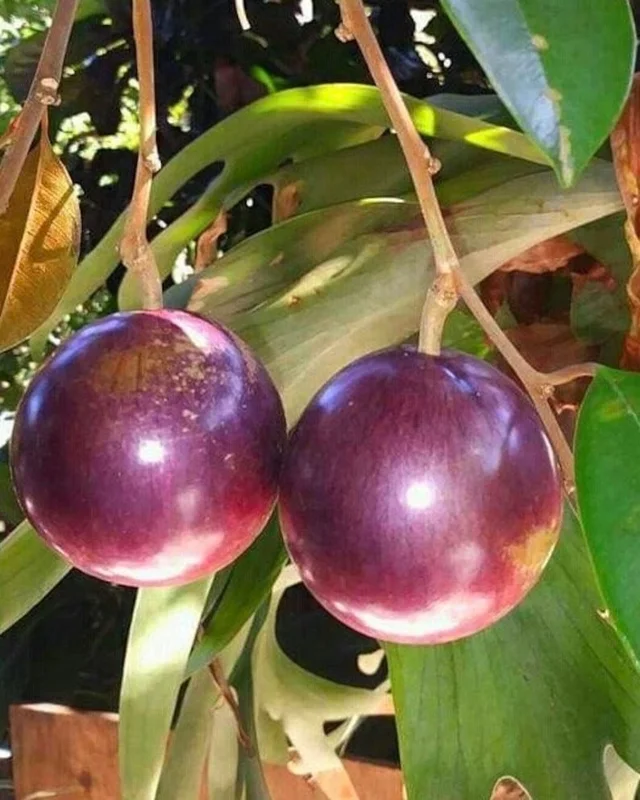
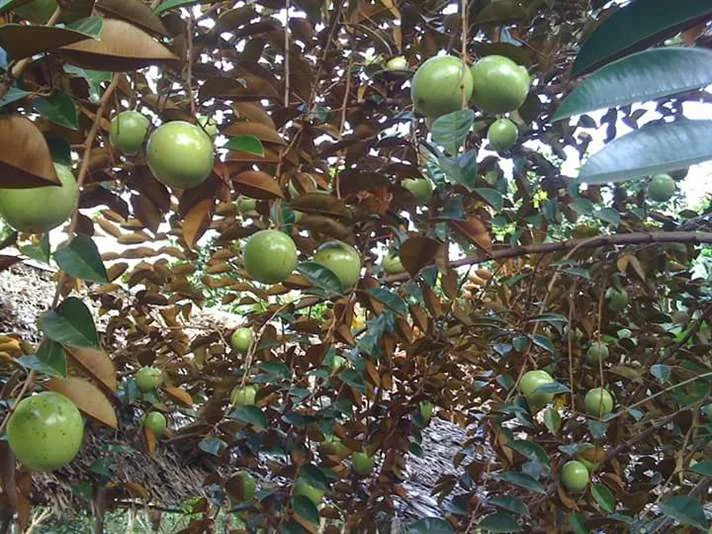
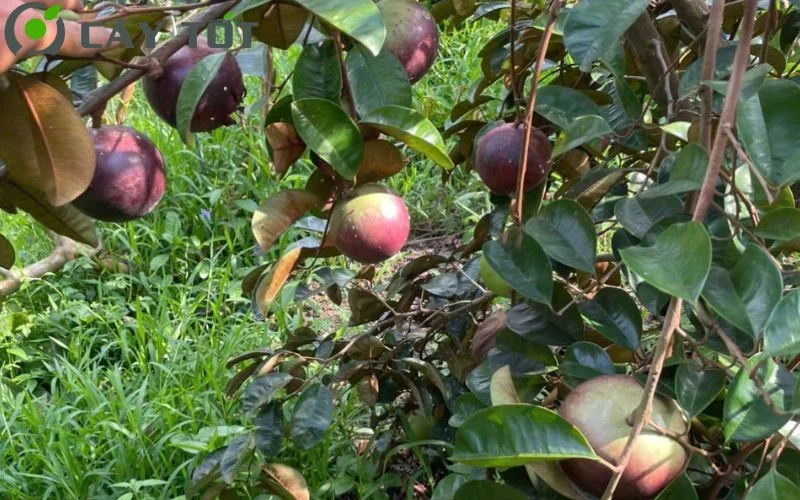
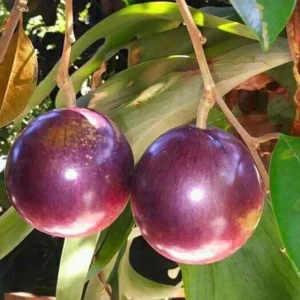
Experience the allure of the tropics with our exquisite star apple purple live plant. This vibrant and unique fruit tree, scientifically known as Chrysophyllum cainito, is a true gem for any garden or large container. Our purple star apple tree is offered in a convenient half gallon pot, providing a well-established start for your growing adventure. The Star Apple, or Caimito, is celebrated for its stunning foliage, featuring glossy green leaves with a shimmering, coppery underside, and of course, its delightful fruit. The purple variety yields round to oval fruits with a smooth, deep purple skin that, when cut horizontally, reveals a star-shaped pattern in its juicy, sweet white or purplish pulp. This tropical fruit tree is not only a source of delicious, refreshing fruit but also an ornamental addition to your landscape, bringing an exotic touch to patios or gardens in suitable climates.
Growing a chrysophyllum cainito means embracing a piece of tropical paradise. This particular offering is a young, healthy specimen, carefully nurtured to ensure it thrives in its new home. Whether you are an avid fruit grower or simply looking to add a unique and beautiful plant to your collection, the Star Apple Purple is an excellent choice. Its relatively quick growth rate and rewarding fruit production make it a favorite among tropical plant enthusiasts. Prepare to enjoy the sweet, custard-like flavor of homegrown star apples, a truly unforgettable culinary experience.
Key Benefits
The star apple purple live plant offers a multitude of benefits, from its aesthetic appeal to its delectable fruit. This tropical beauty is more than just a plant; it’s a statement piece and a source of incredible flavor.
- Exotic Fruit Production: Enjoy the unique and delicious flavor of fresh star apples directly from your own purple star apple tree. The fruit is sweet, juicy, and has a delightful custard-like texture, perfect for fresh eating or desserts.
- Ornamental Value: With its glossy green leaves and shimmering coppery undersides, the chrysophyllum cainito adds significant visual interest to any garden or patio. It provides a lush, tropical ambiance.
- Nutrient-Rich Fruit: Star apples are a good source of vitamins A and C, calcium, and phosphorus, contributing to a healthy diet. Growing your own ensures pesticide-free, fresh produce.
- Unique Garden Specimen: Stand out from the crowd with this uncommon and captivating tropical fruit tree. It’s a conversation starter and a testament to your gardening prowess.
- Adaptable Growth: While preferring tropical climates, with proper care and protection, this star apple purple live plant can be grown in containers in cooler regions, allowing you to bring it indoors during colder months.
- Relatively Low Maintenance: Once established, the Star Apple tree requires moderate care, making it a rewarding plant for both experienced and novice gardeners.
Plant Care & Growing Tips
Caring for your star apple purple live plant involves understanding its tropical needs to ensure robust growth and abundant fruit. This tropical fruit tree thrives in warm, humid environments. When it comes to sunlight, the Star Apple prefers full sun, meaning at least 6-8 hours of direct sunlight per day. If growing indoors or in a greenhouse, ensure it receives bright, direct light for most of the day. In extremely hot climates, some afternoon shade can be beneficial to prevent leaf scorch, especially for young plants.
Watering is crucial for a young purple star apple tree. Keep the soil consistently moist but never waterlogged. Allow the top inch or two of soil to dry out slightly between waterings. During dry periods, regular deep watering is necessary. For soil, a well-draining, rich, loamy soil with a slightly acidic to neutral pH (6.0-7.0) is ideal. Amending heavy clay soils with organic matter will improve drainage. The chrysophyllum cainito is not frost-tolerant and requires protection when temperatures drop below 40°F (4°C). It is best suited for USDA hardiness zones 10-11, where it can be grown outdoors year-round. In cooler zones, it must be grown in a container and brought indoors during winter or protected with a frost cloth and heating elements.
Fertilize your star apple purple live plant with a balanced slow-release fertilizer designed for tropical fruit trees, or use a liquid feed every 2-4 weeks during the growing season (spring and summer). Reduce fertilization in fall and winter. Pruning should be done to maintain shape, remove dead or diseased branches, and encourage fruit production. Light pruning after fruiting is generally sufficient. Watch out for common pests like aphids or scale insects; treat with horticultural oil or insecticidal soap if infestations occur. Good air circulation and proper watering practices can help prevent fungal diseases.
Size & Details
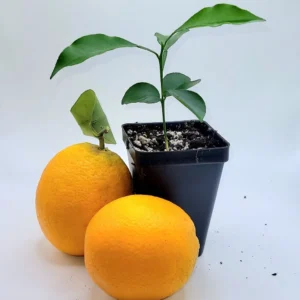
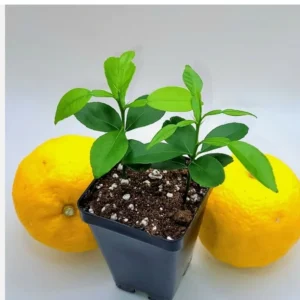
This offering is for one healthy star apple purple live plant, cultivated in a half gallon pot. At this stage, the plant typically stands approximately 8-18 inches tall from the top of the soil, though exact size may vary slightly based on growth rate and nursery stock. The tree will ship in its nursery pot, with soil, ready for transplanting into a larger container or directly into your garden if you reside in a suitable climate. The Star Apple is a moderately fast-growing tree, capable of reaching 20-30 feet tall in ideal conditions, though it can be kept smaller with regular pruning. Expect your young tropical fruit tree to begin bearing fruit within 3-5 years under optimal care, with fruit typically maturing in late winter to early spring.
Frequently Asked Questions
- Q: How big does this star apple purple live plant get? A: In ideal tropical conditions, a Star Apple tree can grow 20-30 feet tall. However, with regular pruning, it can be maintained at a more manageable size for home gardens or even grown in large containers.
- Q: Is this an indoor or outdoor plant? A: The purple star apple tree is a tropical plant best suited for outdoor growth in USDA zones 10-11. In cooler climates, it can be grown outdoors in containers during warm months and brought indoors or protected from frost during winter.
- Q: How much sunlight does the chrysophyllum cainito need? A: This tropical fruit tree thrives in full sun, requiring at least 6-8 hours of direct sunlight per day for optimal growth and fruit production. Ensure it has ample light when grown indoors.
- Q: Is this plant easy to care for? A: Once established, the star apple purple live plant is considered moderately easy to care for. It requires consistent watering, proper fertilization, and protection from cold temperatures. It’s a rewarding plant for those willing to meet its basic needs.
- Q: What condition will the star apple purple live plant arrive in? A: Your plant will arrive healthy and well-packaged in its half gallon pot with soil, ready for its new home. We take great care to ensure it reaches you in excellent condition.
- Q: How long until it blooms and fruits? A: With proper care, you can typically expect your purple star apple tree to start flowering and producing fruit within 3-5 years from planting, though this can vary based on growing conditions and specific plant vigor.
- Q: What’s the minimum temperature this tropical fruit tree can tolerate? A: The chrysophyllum cainito is not tolerant of frost. It needs protection when temperatures drop below 40°F (4°C) and will suffer damage or death if exposed to freezing temperatures for extended periods.
- Q: Can I grow this star apple purple live plant in a container? A: Yes, the Star Apple can be successfully grown in a large container, which makes it ideal for gardeners in cooler zones who need to move the plant indoors during winter. Ensure the container has excellent drainage.
- Q: What kind of soil is best for a purple star apple tree? A: A well-draining, rich, loamy soil with a slightly acidic to neutral pH (6.0-7.0) is ideal for your star apple purple live plant. Good drainage is crucial to prevent root rot.
- Q: When is the best time to plant a tropical fruit tree like this? A: The best time to plant your star apple purple live plant is during the warmer months, typically spring or early summer, once all danger of frost has passed and temperatures are consistently warm.


Reviews
There are no reviews yet.