Overview
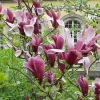
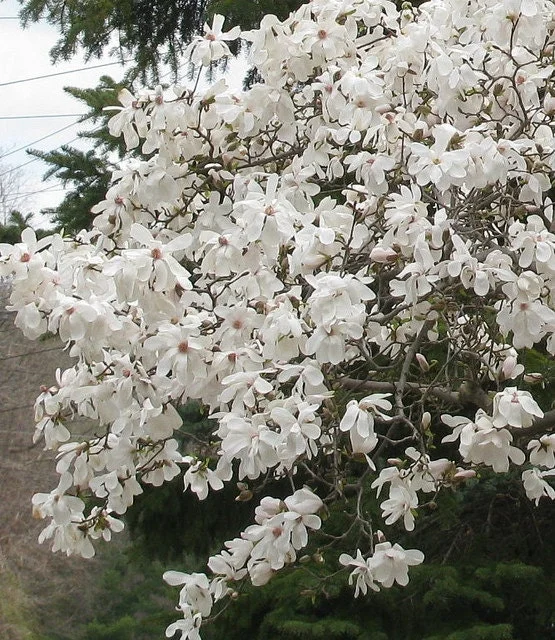
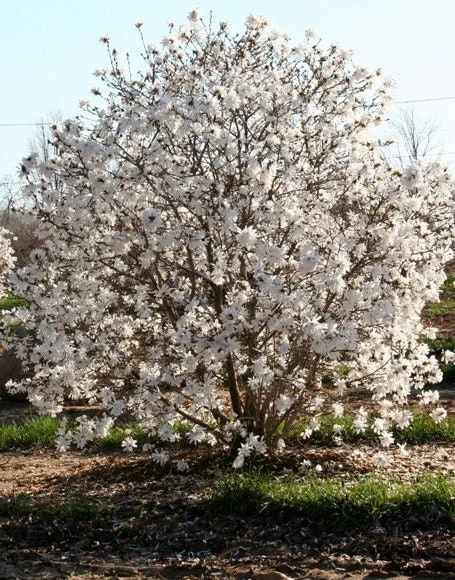
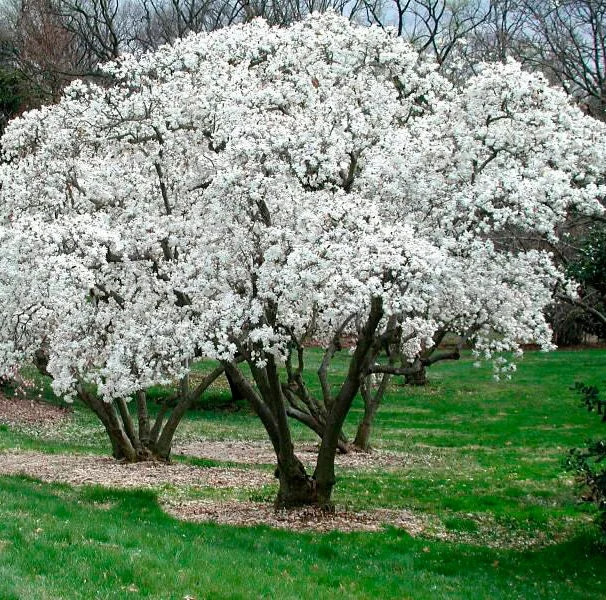
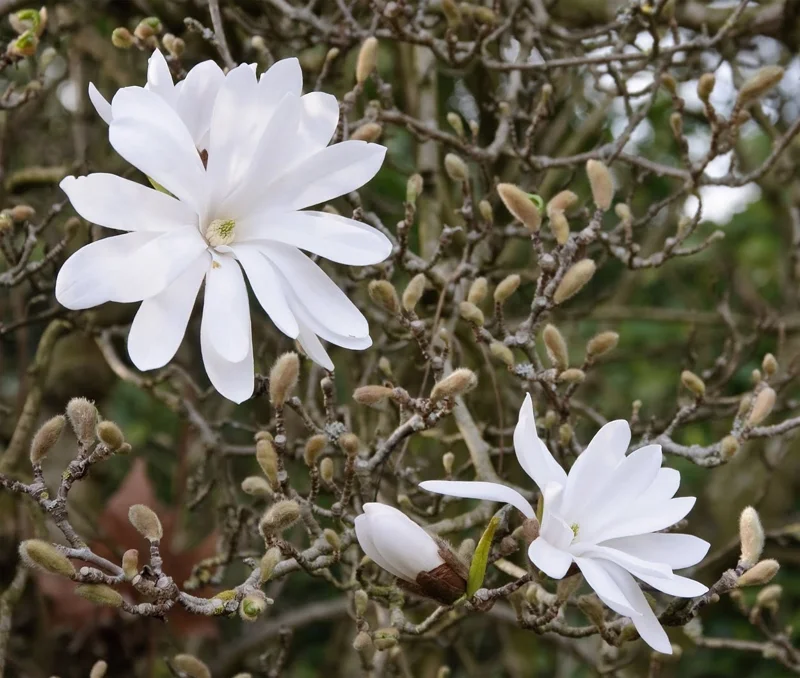
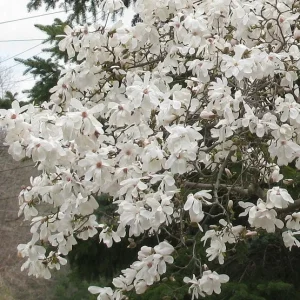
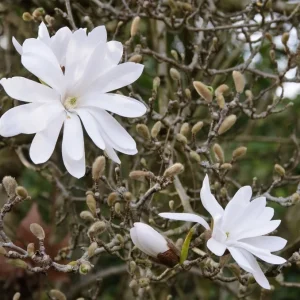
Introduce timeless beauty to your landscape with the exquisite star magnolia live plant (Magnolia stellata). This charming woody shrub or small tree is celebrated for its breathtaking display of delicate, fragrant white flowers that emerge in late winter to early spring, typically from February to March, before its leaves appear. Each flower boasts a unique star-like shape, creating a spectacular visual and aromatic experience. The magnolia stellata shrub is a versatile addition to nearly any garden, thriving across a wide range of climates (USDA Zones 4-9) and serving beautifully as a standalone specimen or integrated into foundation plantings. Known for its adaptability and stunning floral show, this star magnolia live plant promises to be a focal point in your outdoor space, ushering in the spring season with grace and elegance.
Our offering brings you a healthy young star magnolia live plant, meticulously nurtured and ready to flourish in its new home. It’s an ideal choice for both seasoned gardeners and those new to cultivating ornamental shrubs, thanks to its relatively low maintenance requirements and robust nature. Whether you envision it as a stately small tree or a dense, flowering shrub, the Star Magnolia can be trained to suit your desired aesthetic. Its medium to fast growth rate ensures you won’t wait long to enjoy its full splendor, making it a rewarding investment for any garden enthusiast seeking an early spring flowering shrub.
Key Benefits
The star magnolia live plant offers numerous advantages, enhancing your garden with both beauty and ecological value. Its striking features and easy-care nature make it a highly desirable choice for diverse landscapes:
- Spectacular Early Spring Bloom: Enjoy an explosion of pristine white, star-shaped flowers that appear before the leaves, providing a much-needed burst of color and fragrance when most other plants are still dormant. This early display is a true harbinger of spring.
- Delightful Fragrance: The beautiful white blooms emit a sweet, delicate fragrance that can perfume your garden, inviting pollinators and adding sensory pleasure to your outdoor living space.
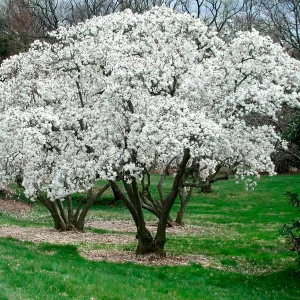
- Versatile Landscape Use: This magnolia stellata shrub is incredibly adaptable, perfect for use as a stunning specimen plant, an elegant foundation planting, or even as part of a mixed border. It can be trained as a multi-stemmed shrub or a small, single-trunk tree.
- Hardy and Resilient: Suitable for USDA Zones 4-9, the Star Magnolia is remarkably cold-hardy and adaptable to various environmental conditions, ensuring it thrives in a broad range of climates across the U.S.
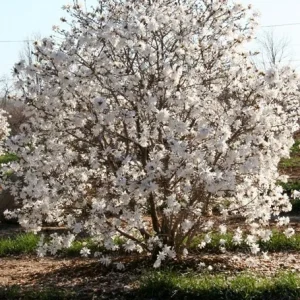
- Attractive Form and Foliage: Beyond its flowers, the Star Magnolia maintains an attractive oval pyramidal shape, even when not in bloom. Its lush green foliage provides a pleasant backdrop throughout the growing season.
- Medium to Fast Growth Rate: Experience satisfying growth with this shrub, which can increase in height by 13 to more than 24 inches per year, reaching a significant size relatively quickly.
- Low Maintenance: Once established, the star magnolia care requirements are minimal, making it an excellent choice for gardeners seeking high impact with less effort. It’s generally resistant to most pests and diseases.
Plant Care & Growing Tips
Caring for your star magnolia live plant is relatively straightforward, ensuring years of beautiful blooms and healthy growth. This resilient shrub prefers specific conditions to truly flourish. For optimal growth and flowering, ensure your plant receives adequate sunlight. The Star Magnolia thrives in full sun to partial shade, meaning it requires a minimum of 4 hours of direct sunlight each day. In hotter climates, some afternoon shade can protect the delicate blooms and foliage from scorching. Position it in a location where it is somewhat sheltered from strong winds, which can damage the early spring flowers.
When it comes to soil, the magnolia stellata shrub prefers acidic, loamy, and well-drained soils. Good drainage is crucial, as magnolias do not tolerate soggy roots. If your soil is heavy clay, amend it generously with organic matter like compost or pine bark to improve drainage and acidity. Regular watering is important, especially during dry spells and in the first few years after planting, to help establish a strong root system. Keep the soil consistently moist but never waterlogged. Once established, it becomes more drought-tolerant, but supplemental watering during prolonged dry periods will benefit the plant. Fertilize in early spring with a balanced, slow-release fertilizer formulated for acid-loving plants, following package directions.
The fragrant star magnolia is hardy in USDA Zones 4 through 9, making it suitable for a wide range of temperate climates. Pruning should be done immediately after flowering to shape the plant and remove any dead or crossing branches. Avoid heavy pruning, as it can reduce the following year’s bloom. This shrub is generally robust, but keep an eye out for common issues like powdery mildew or scale insects, treating them promptly with appropriate organic or chemical solutions if they arise. Proper star magnolia care ensures a vibrant and healthy plant, delivering beautiful flowers year after year.
Size & Details
You will receive one healthy star magnolia live plant, measuring approximately 6-12 inches in height, carefully potted in a 4-inch nursery container. This size is ideal for transplanting, allowing the plant to quickly establish itself in your garden. The Star Magnolia (Magnolia stellata) is known for its medium to fast growth rate, typically adding between 13 to over 24 inches of height per year once established. Over time, it can mature into a shrub reaching 10-15 feet tall and equally wide, or be trained as a small tree. The plant will be shipped securely, with its roots protected, ensuring it arrives ready for planting. Expect your early spring flowering shrub to begin producing its characteristic white, star-shaped blooms in the spring following establishment, with more prolific flowering as it matures.
Frequently Asked Questions
- Q: How big does this star magnolia live plant get? A: This particular plant is 6-12 inches tall in a 4-inch pot. When mature, a Star Magnolia can reach 10-15 feet in height and spread, depending on growing conditions and whether it’s trained as a shrub or small tree.
- Q: Is this an indoor or outdoor plant? A: The magnolia stellata shrub is an outdoor plant, hardy in USDA Zones 4-9. It requires outdoor conditions to thrive and bloom effectively.
- Q: How much sunlight does the fragrant star magnolia need? A: It prefers full sun to partial shade, which means a minimum of 4 hours of direct sunlight daily. In very hot climates, some afternoon shade can be beneficial.
- Q: Is this plant easy to care for? A: Yes, the Star Magnolia is considered relatively low maintenance once established. It requires well-drained soil, consistent moisture, and occasional feeding.
- Q: What condition will it arrive in? A: Your star magnolia live plant will arrive securely packaged in its 4-inch nursery pot, with its root system intact and ready for planting. We ensure careful handling during shipment.
- Q: When is the best time to plant a Star Magnolia? A: The best time to plant is in early spring or fall, allowing the plant to establish its root system before extreme weather conditions.
- Q: What is the ideal soil for this early spring flowering shrub? A: It prefers acidic, loamy, and well-drained soil. Amend heavy clay soils with organic matter to improve drainage and provide the necessary acidity.
- Q: Will this star magnolia live plant survive winter in my zone? A: The Star Magnolia is hardy in USDA Zones 4-9, meaning it can withstand winter temperatures in these regions. Protection may be needed for young plants in the colder end of its hardiness range.
- Q: How long until it blooms? A: Your young Star Magnolia may produce a few flowers in its first year, but more significant and prolific blooms will typically appear in the spring following its establishment in your garden.
- Q: Can I prune my star magnolia care? A: Yes, prune immediately after flowering to shape the plant and remove any dead or crossing branches. Avoid heavy pruning, as it can reduce the following year’s blooms.


Reviews
There are no reviews yet.