Overview
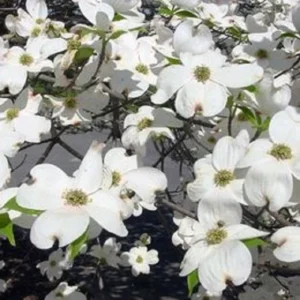
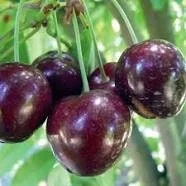
Cultivate your own delightful harvest with the Stella Cherry live plant, a remarkable addition to any garden, big or small. Renowned as the first self-fertile sweet cherry variety, the Stella Cherry simplifies fruit growing, as you only need one tree to enjoy an abundant crop. Developed in British Columbia, Canada, this cultivar has earned the prestigious Royal Horticultural Society’s Award of Garden Merit, a testament to its exceptional qualities. Standing at 2 to 3 feet tall and shipped in a 3-gallon pot, this young tree is ready to establish itself in your landscape. The Stella Cherry is celebrated for its compact growth habit, making it an excellent choice for urban gardens, patios, or smaller backyards where space is a premium. Prepare to be enchanted by its stunning white blossoms in spring, which transform into luscious, dark red cherries that resist common splitting and cracking issues. Experience the unparalleled flavor of tree-ripened sweet cherries, perfect for snacking, baking, or preserving.
This self-fertile cherry tree eliminates the need for cross-pollination, ensuring a reliable yield even if planted alone. The vibrant foliage and attractive form of the Stella Cherry make it a beautiful ornamental tree before it even begins to fruit. Its adaptability and low-maintenance nature make it a favorite among both novice and experienced gardeners. If you’re looking to enjoy delicious, homegrown fruit with minimal fuss, the Stella Cherry live plant is an outstanding choice that promises years of enjoyment and delectable harvests.
Key Benefits
The Stella Cherry offers a multitude of advantages for the home gardener, combining ornamental beauty with prolific fruit production. Its unique characteristics make it a standout choice for those seeking a rewarding and relatively easy fruit-growing experience.
- Self-Pollinating Convenience: Unlike many cherry varieties, the Stella Cherry live plant is completely self-fertile, meaning you only need one tree to produce a bountiful harvest. This is a significant advantage for gardeners with limited space or those who prefer not to manage multiple trees for pollination.
- Exceptional Fruit Quality: Enjoy juicy, sweet, dark red cherries known for their resistance to splitting and cracking, ensuring a higher quality and more usable yield. These cherries are perfect for fresh eating, pies, jams, and other culinary delights.
- Ideal for Small Gardens: Its naturally compact stature makes it a perfect sweet cherry for small gardens, container planting, or as an attractive focal point on a patio. You don’t need a sprawling orchard to grow your own cherries.
- Early Fruiting: This vigorous tree can begin to produce fruit in as few as 1-4 years after planting, allowing you to enjoy your first homegrown cherries relatively quickly.
- Beautiful Spring Blossoms: Beyond its fruit, the Stella Cherry provides a stunning display of white flowers in spring, adding significant aesthetic value to your landscape. These blossoms also attract beneficial pollinators to your garden.
- Low Maintenance: The Stella Cherry is known for its robust nature and does not require extensive pruning specifically for fruiting, simplifying its care routine. This makes Stella cherry care relatively straightforward.
- Award-Winning Variety: Recognized with the Royal Horticultural Society’s Award of Garden Merit, assuring you of a proven and high-performing cultivar.
Plant Care & Growing Tips
To ensure your Stella Cherry live plant thrives and produces abundant fruit, understanding its specific care requirements is essential. This resilient tree is relatively easy to care for, making it a great option for gardeners of all experience levels.
Sunlight:
The Stella Cherry requires full sun exposure to produce the best fruit. This means at least 6-8 hours of direct sunlight per day. Choose a planting site that receives ample morning sun, which helps to dry dew from the leaves and reduce the risk of fungal diseases. While it can tolerate some partial shade, fruit production will be significantly reduced, and the cherries may not be as sweet. Ensure no tall buildings or trees will overshadow your cherry tree as it grows.
Watering:
Consistent moisture is crucial for young cherry trees, especially during their first few years and during dry spells. Water deeply and regularly, aiming for about 1 inch of water per week, either from rainfall or irrigation. The soil should be kept consistently moist but not waterlogged. Once established, the tree is more tolerant of short periods of drought but will still benefit from supplemental watering during prolonged dry periods, particularly when fruit is developing. A good way to check is to feel the soil about 2-3 inches deep; if it feels dry, it’s time to water.
Soil:
Stella Cherry trees prefer well-draining, fertile soil with a pH between 6.0 and 7.0. A loamy soil enriched with organic matter provides the best growing conditions. Avoid heavy clay soils that retain too much water, as this can lead to root rot. If your soil is heavy clay, amend it with compost, perlite, or sand to improve drainage. Good drainage is paramount for healthy root development and overall tree vigor. Proper soil preparation is key for a successful Stella Cherry live plant.
Temperature & Hardiness:
The Stella Cherry is well-suited for temperate climates and is generally hardy in USDA Zones 5-8. It requires a certain number of chill hours (periods of cold temperatures below 45°F/7°C) during winter to set fruit properly. Protect young trees from extreme winter winds and late spring frosts that can damage blossoms. In hotter climates, ensure the tree receives adequate water to prevent stress.
Fertilization:
Fertilize your Stella Cherry tree annually in early spring, before new growth begins. Use a balanced fertilizer (e.g., 10-10-10) or one specifically formulated for fruit trees. Follow the product instructions carefully, as over-fertilization can harm the tree. For young trees, a slow-release granular fertilizer can provide a steady supply of nutrients. Compost or well-rotted manure can also be incorporated into the soil around the drip line to enrich fertility naturally.
Pruning:
While the Stella Cherry does not require extensive pruning for fruiting, annual pruning is beneficial for maintaining a strong structure, improving air circulation, and promoting healthier growth. Prune in late winter or early spring while the tree is dormant. Remove any dead, diseased, or crossing branches. You can also thin out some of the interior branches to allow more light and air into the canopy, which can help with fruit development and disease prevention. This also helps you to grow Stella cherry to its full potential.
Size & Details
This Stella Cherry live plant arrives ready for planting, typically standing 2 to 3 feet tall from the base of the plant to the top of its foliage. It is shipped securely in a 3-gallon nursery pot, ensuring the root system is well-established and protected during transit. This size provides a robust start, allowing the tree to quickly adapt to its new environment and begin growing. When mature, a Stella Cherry tree can reach heights of 15-20 feet with a similar spread, though its compact nature makes it amenable to pruning for smaller sizes, especially if grown in a container. Expect your tree to begin bearing fruit in as few as 1-4 years after planting, with full production typically achieved within 5-7 years. The consistent care you provide will help your self-fertile cherry tree reach its full potential for size and yield.
Frequently Asked Questions
- Q: How big does this Stella Cherry tree get? A: A mature Stella Cherry tree typically reaches a height of 15-20 feet with a similar spread. However, its compact nature makes it suitable for smaller spaces and it can be maintained at a smaller size with regular pruning.
- Q: Is this an indoor or outdoor plant? A: The Stella Cherry live plant is an outdoor fruit tree. It requires full sun and undergoes a dormancy period in winter, making it unsuitable for long-term indoor cultivation. It thrives in USDA Zones 5-8.
- Q: How much sunlight does the Stella Cherry need? A: This cherry tree requires at least 6-8 hours of direct sunlight per day to produce the best fruit. Choose a location in your garden that receives full sun exposure.
- Q: Is this plant easy to care for? A: Yes, the Stella Cherry is considered relatively easy to care for, especially because it is self-fertile, simplifying the pollination process. Consistent watering, adequate sunlight, and well-draining soil are key for successful Stella cherry care.
- Q: What condition will the Stella Cherry live plant arrive in? A: Your Stella Cherry live plant will arrive securely packaged in a 3-gallon nursery pot, with its root system intact and ready for planting. We take great care to ensure the plant is healthy upon arrival.
- Q: How long until it blooms and fruits? A: You can expect your Stella Cherry tree to begin blooming and producing fruit in as few as 1-4 years after planting, with more significant harvests as the tree matures.
- Q: Will it survive winter in my zone? A: The Stella Cherry is hardy in USDA Zones 5-8. If you are within these zones, it should survive winter without special protection. Outside these zones, winter protection may be necessary.
- Q: What is the best time to plant a Stella Cherry tree? A: The best time to plant a Stella Cherry tree is in early spring or fall, allowing the roots to establish before extreme summer heat or winter cold.
- Q: Do I need another cherry tree for pollination? A: No, the Stella Cherry is a self-fertile cherry tree, meaning it can produce fruit without the need for a second cherry tree for cross-pollination. This is one of its primary benefits.
- Q: What kind of fruit does it produce? A: It produces delicious, juicy, dark red sweet cherries that are known for their resistance to splitting and cracking, making them excellent for fresh eating and various culinary uses. This makes it an ideal sweet cherry for small gardens.


Reviews
There are no reviews yet.