Overview
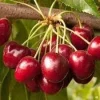
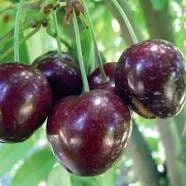
Bring the joy of fresh, homegrown fruit to your garden with the remarkable Stella cherry tree. This live plant offers a delightful combination of ornamental beauty and bountiful harvests. Originally developed in British Columbia, Canada, the Stella cherry is celebrated as the first self-fertile sweet cherry cultivar, meaning you only need one tree to produce an abundant crop of delicious fruit. Standing approximately 2 feet tall upon arrival, this tree is a fantastic choice for gardeners looking for a productive yet manageable fruit tree. Its stunning white blossoms in spring transform into vibrant, dark red cherries that are known for their juiciness, sweetness, and resistance to splitting and cracking. Recognized with the Royal Horticultural Society’s Award of Garden Merit, the Stella cherry is a proven performer, perfect for both novice and experienced gardeners seeking a reliable and rewarding fruit-bearing addition to their landscape. Embrace the convenience and pleasure of harvesting your own tree-ripened cherries right from your backyard.
Key Benefits
The Stella cherry tree offers numerous advantages, making it a highly desirable choice for any home orchard or garden. From its ease of care to its delicious yield, this tree provides endless satisfaction. Discover why the self-pollinating cherry tree is a favorite among fruit enthusiasts:
- Abundant Self-Pollinating Harvests: Unlike many other cherry varieties, the Stella cherry is self-fertile, eliminating the need for a second tree for cross-pollination. This guarantees a consistent and plentiful crop of cherries from a single plant, simplifying your gardening efforts.
- Delicious, High-Quality Fruit: Enjoy large, dark red cherries that are exceptionally juicy, sweet, and firm. These cherries are renowned for their resistance to cracking, ensuring a higher yield of perfect fruit for snacking, baking, or preserving.
- Ideal for Compact Gardens: With its moderate growth habit, the Stella cherry tree is well-suited for smaller spaces, urban gardens, or even large containers. It offers significant fruiting potential without overwhelming your landscape.
- Beautiful Ornamental Value: Beyond its fruit, the Stella cherry provides stunning visual appeal. Its profusion of white blossoms in early spring creates a spectacular display, attracting pollinators and enhancing the beauty of your garden.
- Early Fruiting Potential: Many Stella cherry trees can begin producing fruit within as few as 1 to 4 years after planting, offering a relatively quick return on your gardening investment.
- Attracts Beneficial Wildlife: The blossoms and fruit naturally attract birds and bees, contributing to the biodiversity and health of your garden ecosystem.
- Low Maintenance Fruiting: This variety is known for not requiring extensive pruning to fruit, making it a more manageable option for home gardeners compared to some other fruit trees.
Plant Care & Growing Tips
Caring for your Stella cherry tree is straightforward, ensuring a healthy plant and a bountiful harvest. These trees thrive with proper attention to their environmental needs. For optimal growth and fruit production, plant your compact fruit tree in a location that receives full sun, meaning at least 6-8 hours of direct sunlight per day. Good air circulation is also important to prevent fungal diseases. When it comes to soil, the Stella cherry prefers well-draining, fertile soil with a pH between 6.0 and 7.0. Amend heavy clay soils with organic matter to improve drainage, and sandy soils to increase water retention. Consistent watering is crucial, especially during dry spells and when the fruit is developing. Aim to keep the soil consistently moist but never waterlogged. Young trees will require more frequent watering until established. This particular dark red cherries producer is hardy in USDA zones 5-8, tolerating a range of climates. Protect young trees from late spring frosts if blossoms are present, as this can affect fruit set. Fertilize in early spring with a balanced fruit tree fertilizer, following package instructions. While not strictly necessary for fruiting, light pruning can be done in late winter to early spring to maintain shape, remove dead or diseased branches, and encourage good air circulation within the canopy. Watch out for common cherry pests and diseases, and address them promptly with organic or conventional solutions as needed.
Size & Details
This Stella cherry tree arrives as a vibrant live plant, measuring approximately 2 feet tall from the base of the root ball to the top of the plant. It is typically shipped in a 3-gallon nursery pot, providing a well-established root system ready for planting. Stella cherry trees are known for their moderate growth rate, eventually reaching a mature height of 15-20 feet with a similar spread if left unpruned. However, they can be kept smaller through regular pruning, making them excellent choices for smaller gardens or espalier training. This ensures your compact fruit tree remains manageable. Expect beautiful white blossoms in the spring, followed by dark red, juicy cherries that ripen in early to mid-summer. The tree’s self-pollinating nature means you can anticipate fruit production from a single plant, often within the first few years of planting.
Frequently Asked Questions
- Q: How big does this Stella cherry tree get? A: This Stella cherry tree arrives at about 2 feet tall. At maturity, it can reach 15-20 feet tall and wide, but it can be maintained at a smaller size with regular pruning, making it a truly compact fruit tree.
- Q: Is this an indoor or outdoor plant? A: The Stella cherry tree is an outdoor fruit tree. It requires specific chill hours during winter to produce fruit and thrives in full sun conditions in a garden setting.
- Q: How much sunlight does the self-pollinating cherry tree need? A: This tree requires full sun, meaning at least 6-8 hours of direct sunlight per day, for optimal growth and fruit production.
- Q: What condition will the 2 feet tall cherry tree arrive in? A: Your Stella cherry tree will arrive as a healthy, live plant, typically in a 3-gallon pot with its root system intact and soil. We take great care in packaging to ensure safe transit.
- Q: Is this cherry tree good for beginners? A: Yes, the Stella cherry tree is an excellent choice for beginners due to its self-pollinating nature and relatively low maintenance requirements compared to some other fruit trees.
- Q: Can I grow dark red cherries in a container? A: While primarily grown in the ground, a Stella cherry tree can be grown in a very large container (20-25 gallons or larger) for several years. Ensure adequate watering and fertilization for container-grown trees.
- Q: When is the best time to plant this cherry tree? A: The best time to plant your Stella cherry tree is in the spring after the last frost, or in the early fall before the ground freezes, allowing the roots to establish.
- Q: Will this tree attract birds? A: Yes, the fruit of the Stella cherry tree is very attractive to birds. You may want to consider netting your tree as the cherries ripen to protect your harvest.
- Q: What USDA zones is this cherry tree suitable for? A: The Stella cherry tree is generally hardy in USDA Zones 5-8, making it suitable for a wide range of climates across the US.
- Q: Does this tree need another cherry tree to produce fruit? A: No, the Stella cherry is a self-pollinating cherry tree, meaning it can produce fruit on its own without the need for a second cherry tree for cross-pollination.


Reviews
There are no reviews yet.