Overview
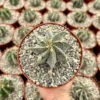
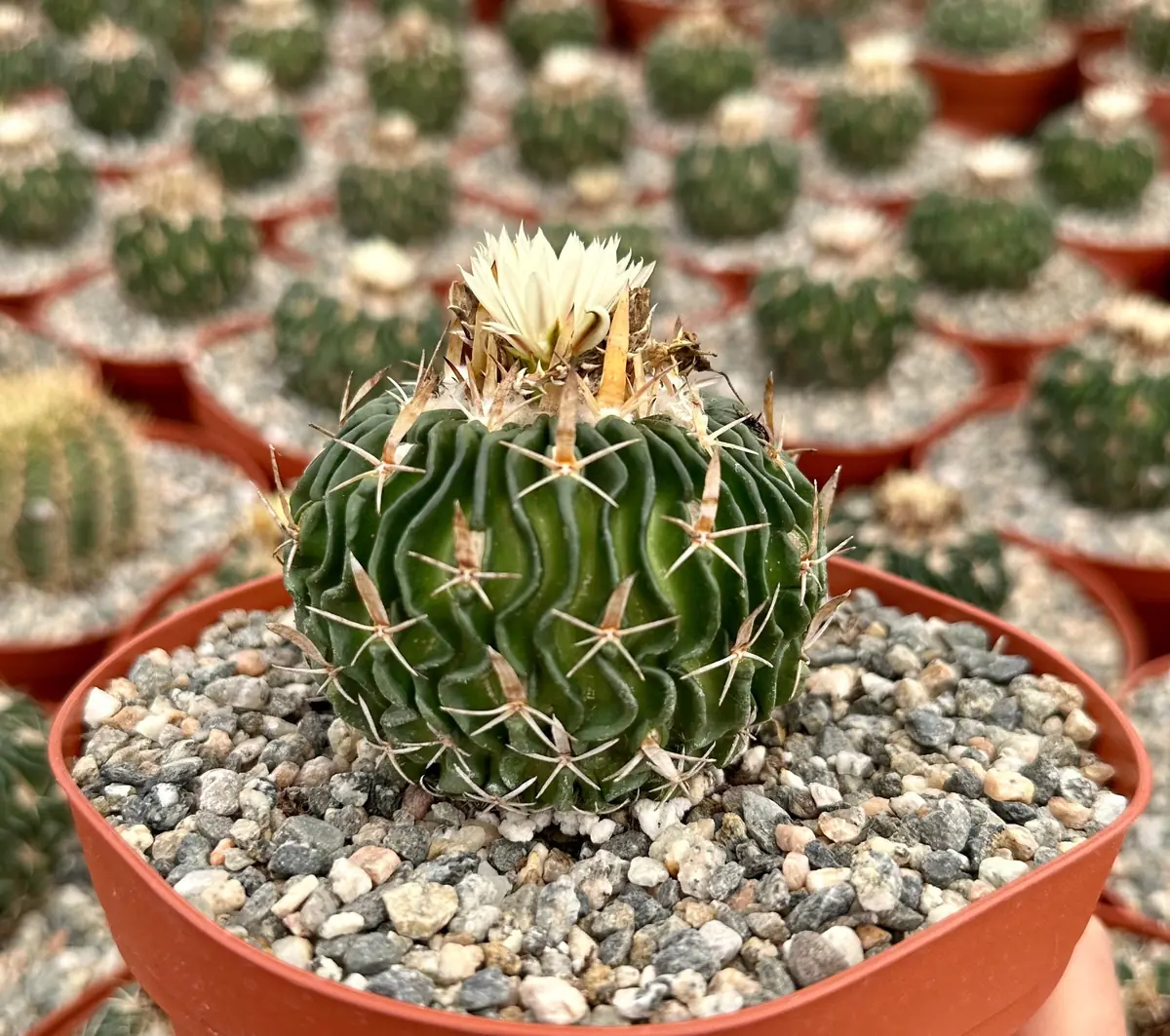
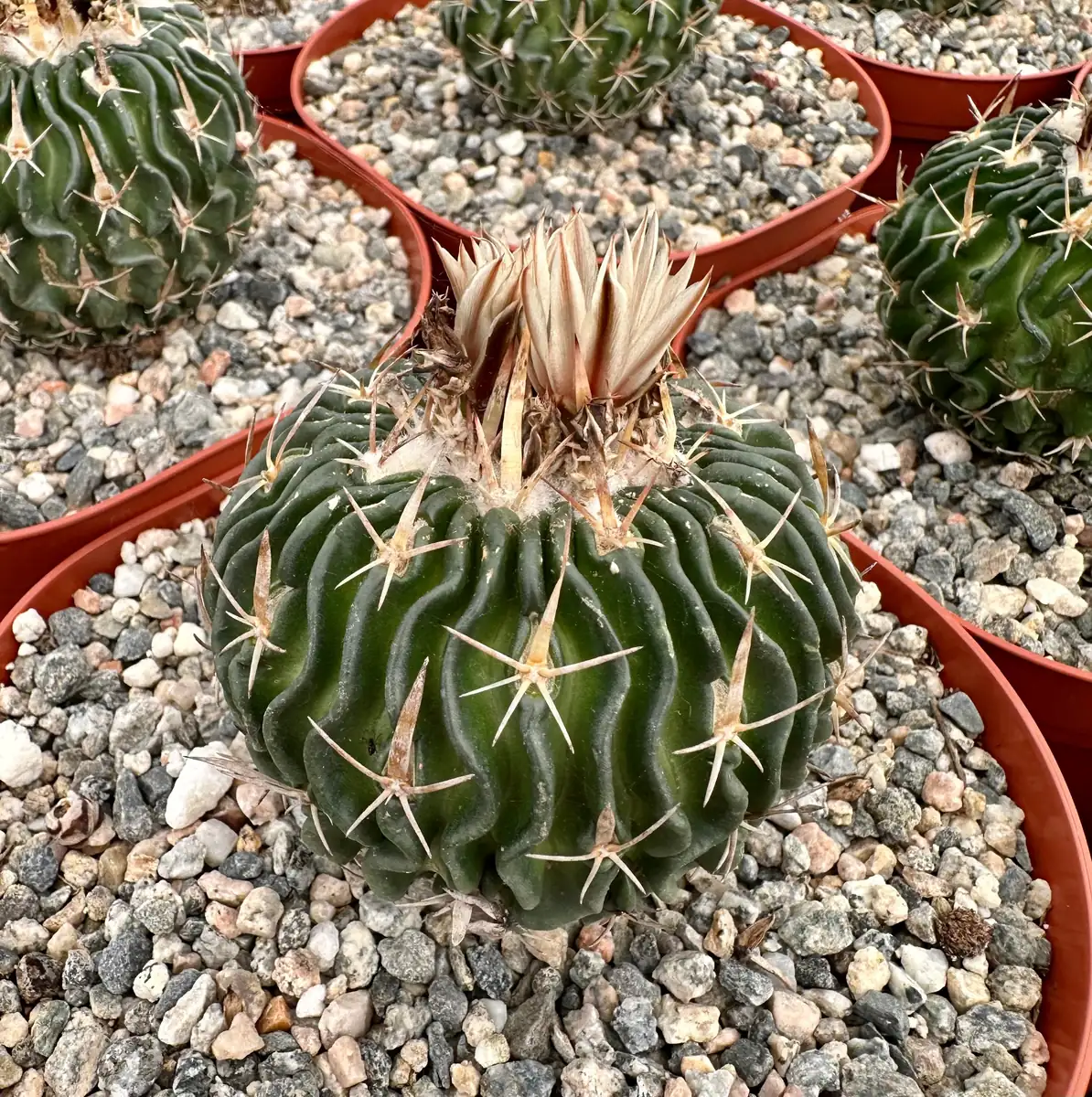
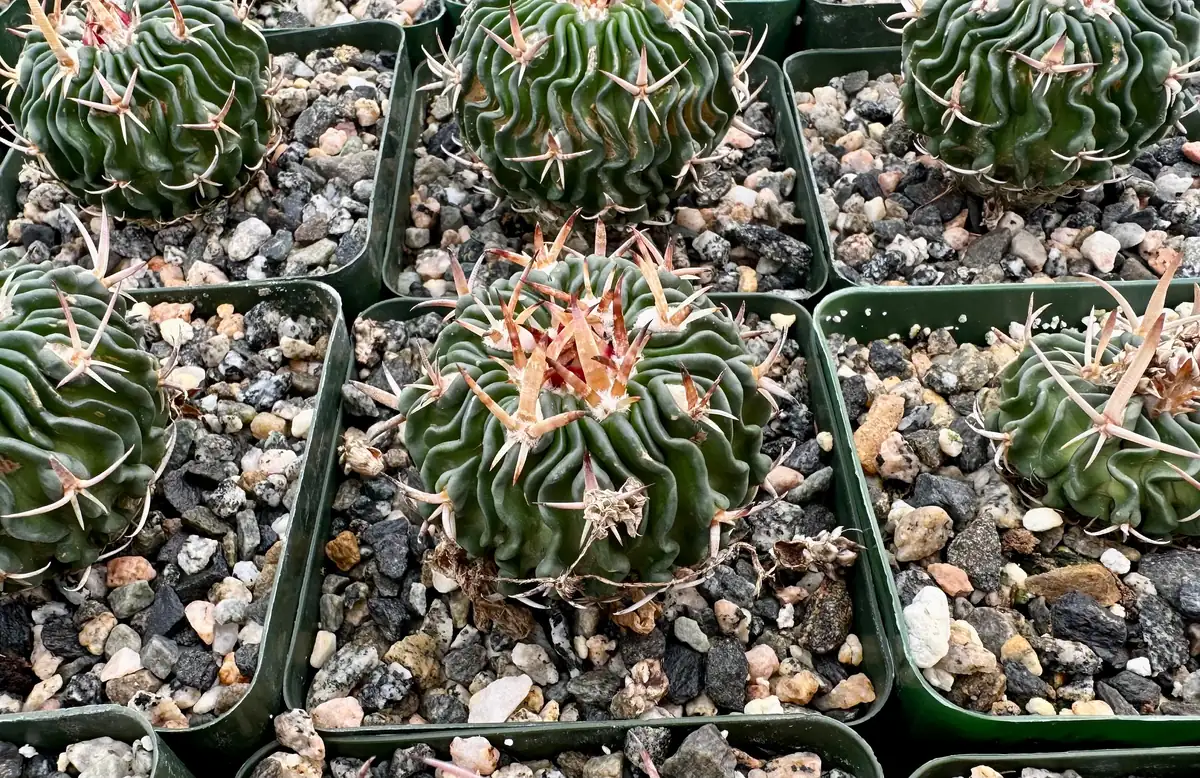
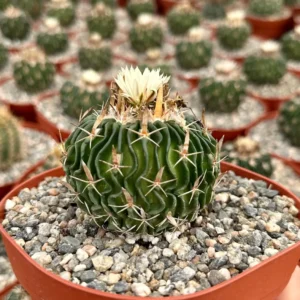
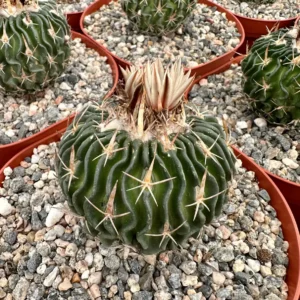
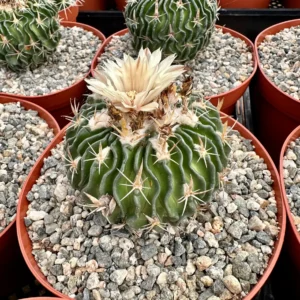
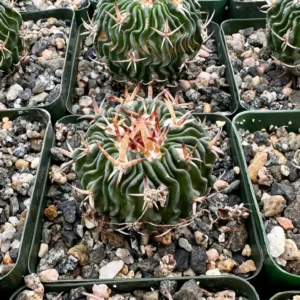
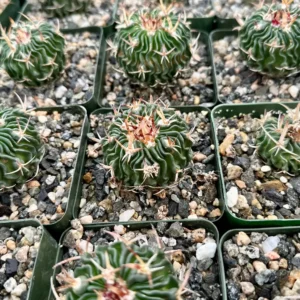
Introduce a truly unique specimen to your plant collection with the Stenocactus Multicostatus live plant, famously known as the ‘Brain Cactus’. This captivating succulent is celebrated for its distinctive appearance, featuring numerous narrow, sharp-edged ribs that crisscross and undulate, creating an intricate pattern reminiscent of a brain. Native to the arid regions of Mexico, this species, also referred to as Echinofossulocactus multicostatus, is a fascinating addition for both seasoned succulent enthusiasts and those new to collecting. Its compact size and intriguing form make it a perfect focal point in any indoor setting or xeriscape garden design. As a Brain Cactus succulent, it offers exceptional visual appeal without demanding extensive care, embodying both beauty and resilience.
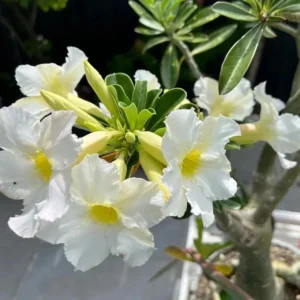
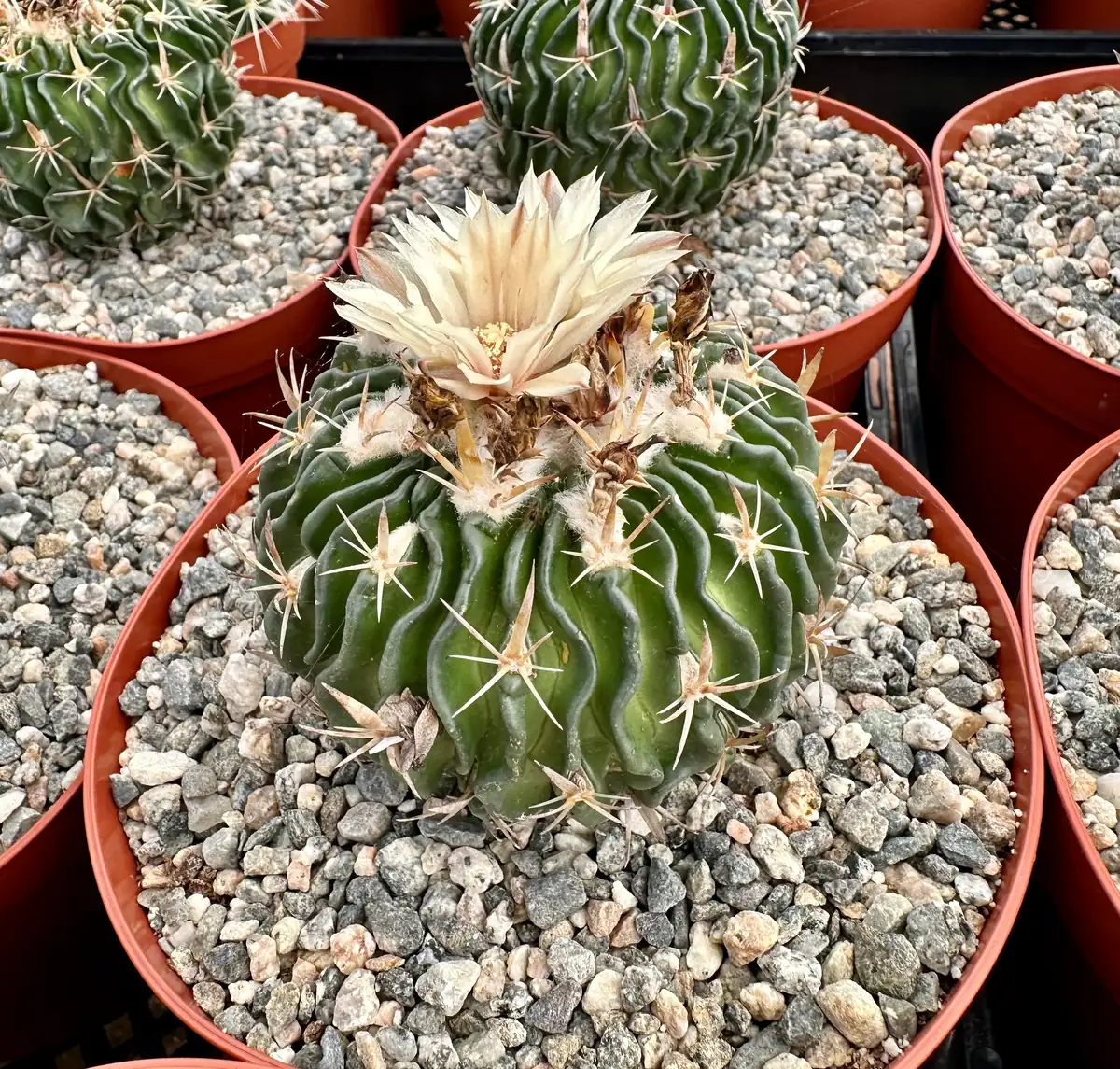
The Stenocactus Multicostatus live plant remains relatively compact, typically reaching 4-6 inches in height, making it ideal for container gardening and small spaces. Its body color varies from a lovely bluish or grayish-green to a deeper green, providing a subtle yet striking palette. Beyond its sculpted form, this cactus delights with delicate spring blooms, showcasing small flowers in shades of white, yellow, or pink. These vibrant blossoms offer a beautiful contrast against the ribbed green body, adding another layer of charm to an already exceptional plant. Embrace the understated elegance and intriguing complexity of this drought-tolerant marvel.
Key Benefits
The Stenocactus Multicostatus live plant offers a multitude of benefits, making it a highly desirable choice for plant lovers seeking both aesthetic appeal and ease of care. Its unique characteristics contribute to its popularity and make it a standout addition to any collection.
-
Visually Striking Appearance: The ‘Brain Cactus’ nickname perfectly describes its intricate, convoluted ribbing, creating a sculptural and highly decorative form. This unique texture and shape make it an instant conversation starter and a focal point in any plant display.
-
Low Maintenance: Like most cacti, the Stenocactus Multicostatus live plant is incredibly forgiving. It thrives on neglect, requiring infrequent watering and minimal attention, making it perfect for busy individuals or those new to plant care.
-
Drought-Tolerant: Adapted to arid environments, this cactus has excellent drought resistance. It stores water efficiently, meaning it can withstand periods without watering, reducing the risk of overwatering and making it a sustainable choice.
-
Compact Size: Growing to a modest 4-6 inches, this cactus is ideal for small spaces, windowsills, desks, or as part of a succulent arrangement. Its manageable size ensures it doesn’t outgrow its spot quickly, offering long-term enjoyment.
-
Spring Blooms: Despite its spiky appearance, the Brain Cactus succulent produces delicate, charming flowers in spring. These white, yellow, or pink blossoms add a burst of color and a touch of softness to its rugged form, enhancing its overall appeal.
-
Collector’s Item: Due to its distinct morphology, the Stenocactus Multicostatus is often sought after by succulent and cactus collectors. Adding this unique cactus for sale can elevate the diversity and interest of any plant collection.
-
Adaptable to Indoor Environments: While it loves sunlight, this cactus adapts well to indoor conditions, provided it receives adequate light. It’s an excellent choice for adding natural beauty and a touch of the desert to your home or office decor.
Plant Care & Growing Tips
Caring for your Stenocactus Multicostatus live plant is straightforward, making it an excellent choice for both novice and experienced gardeners. Understanding its native desert environment will guide you in providing the best conditions for its growth and unique beauty. Proper light, watering, and soil are crucial for a thriving Brain Cactus succulent.
Sunlight Requirements: The Stenocactus Multicostatus thrives in abundant sunlight. It prefers full sun, meaning at least 6 hours of direct sunlight per day. When grown indoors, place it in your brightest window, preferably south-facing. If direct sun is too intense, especially in hot climates, some afternoon shade can be beneficial to prevent scorching. Adequate light is essential for maintaining its compact shape and encouraging healthy rib development. Insufficient light can lead to etiolation, where the plant stretches and loses its characteristic form.
Watering Schedule and Soil Moisture: As a drought-tolerant cactus, overwatering is the biggest threat. Allow the soil to dry out completely between waterings. During the active growing season (spring and summer), water thoroughly until water drains from the bottom of the pot. In fall and winter, significantly reduce watering, often to once a month or even less, as the plant enters dormancy. Always check the soil moisture level before watering; if it feels damp, wait a few more days. Good drainage is paramount to prevent root rot.
Soil Type and Drainage: This cactus demands a very well-draining soil mix. A standard cactus or succulent potting mix is ideal. You can further improve drainage by adding perlite, pumice, or coarse sand to a regular potting mix, aiming for a ratio of about 50% inorganic material. The pot itself should have drainage holes to allow excess water to escape. This is a critical aspect of Stenocactus care.
Temperature Range and USDA Hardiness Zone: The Stenocactus Multicostatus prefers warm temperatures and can tolerate heat. It is generally hardy in USDA zones 9-11, where it can be grown outdoors year-round. If temperatures drop below 40°F (4°C), especially with moisture, it should be brought indoors or protected from frost. Protect it from prolonged exposure to freezing temperatures. Indoors, average room temperatures are suitable.
Fertilization: Fertilize sparingly during the growing season (spring to early summer) with a balanced, diluted liquid fertilizer formulated for cacti and succulents. Apply at half strength every 4-6 weeks. Avoid fertilizing during its dormant period in fall and winter. Over-fertilization can harm the plant.
Common Problems: The most common issues arise from overwatering, leading to root rot. Signs include a soft, mushy base. Pests are generally not a major concern, but watch out for mealybugs or spider mites, especially if the plant is stressed. Treat with insecticidal soap or neem oil if necessary. Ensure good air circulation to prevent fungal issues.
Size & Details
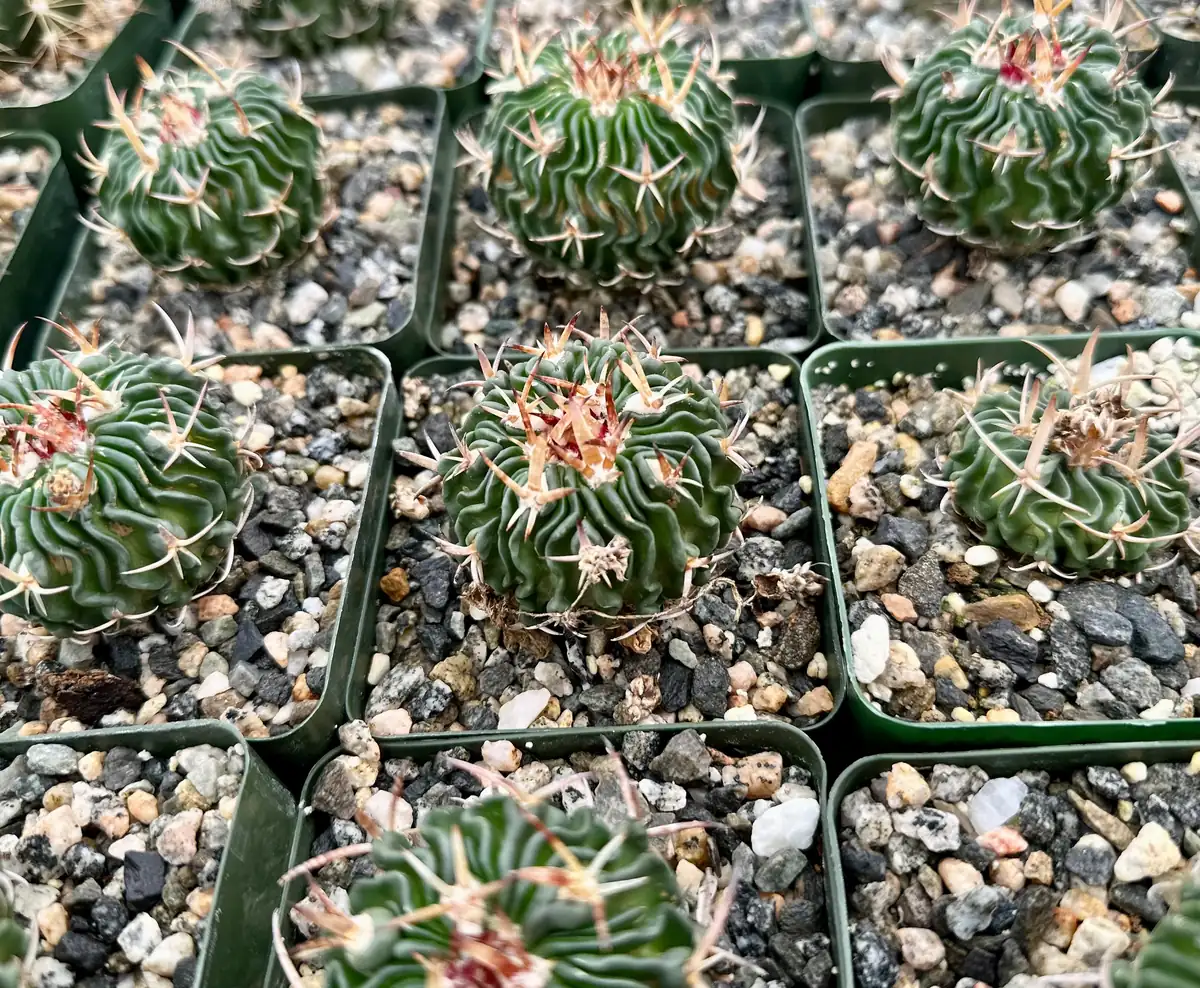
The Stenocactus Multicostatus live plant is offered in a 3-inch or 6-inch pot, providing options for various display preferences and growth stages. These plants typically grow to an approximate height of 4-6 inches (10-15 cm), forming a pleasingly spherical or slightly elongated shape. Its compact nature makes it an excellent choice for container gardening, rock gardens, or as a distinctive desk plant. You will receive a healthy, established plant similar in size and appearance to those pictured, ready to settle into its new home. Each plant is carefully selected to ensure quality and vitality upon arrival. This Brain Cactus succulent exhibits a relatively slow growth rate, meaning it will maintain its elegant form for many years with appropriate care. It ships as a well-rooted living plant, established in its nursery pot, ensuring a smooth transition to your environment.
Frequently Asked Questions
-
Q: How big does the Stenocactus Multicostatus get? A: The Stenocactus Multicostatus live plant typically grows to about 4-6 inches (10-15 cm) in height and width. It maintains a relatively compact, spherical, or slightly elongated shape, making it ideal for small spaces.
-
Q: Is this an indoor or outdoor plant? A: This cactus can thrive both indoors and outdoors. Outdoors, it is best suited for USDA Zones 9-11. Indoors, it requires a bright, sunny location, such as a south-facing window, to flourish. It’s a versatile unique cactus for sale.
-
Q: How much sunlight does the Brain Cactus need? A: The Brain Cactus succulent prefers full sun, ideally receiving at least 6 hours of direct sunlight per day. If grown indoors, place it in the brightest available spot. Too little light can cause it to stretch and lose its distinctive shape.
-
Q: Is this plant easy to care for? A: Yes, the Stenocactus Multicostatus live plant is considered low-maintenance and easy to care for, especially for those familiar with succulent care. Its primary requirements are ample sunlight and infrequent watering, making it a great option for beginners.
-
Q: What kind of soil is best for Stenocactus Multicostatus? A: It requires a very well-draining soil mix. A commercial cactus and succulent potting mix is ideal, or you can create your own by amending regular potting soil with perlite, pumice, or coarse sand to improve drainage.
-
Q: How often should I water my Brain Cactus? A: Water sparingly. Allow the soil to dry out completely between waterings. During the growing season (spring/summer), water thoroughly until it drains from the bottom. Reduce watering significantly in fall and winter. This careful watering is key to good Stenocactus care.
-
Q: Will Stenocactus Multicostatus bloom? A: Yes, the Stenocactus Multicostatus live plant is a spring bloomer. It produces small, delicate flowers, typically in shades of white, yellow, or pink, at the top of the plant, adding to its visual appeal.
-
Q: What condition will my plant arrive in? A: Your plant will arrive as a healthy, established live plant in its nursery pot, carefully packaged to ensure its safety during transit. It will be similar in size and appearance to the product images.
-
Q: Is this cactus drought-tolerant? A: Absolutely. The Stenocactus Multicostatus is highly drought-tolerant cactus, adapted to arid conditions. It stores water efficiently, making it resilient to periods of dryness and requiring minimal watering.
-
Q: Can I repot it immediately after receiving it? A: It’s generally best to wait a week or two after receiving your plant to allow it to acclimate to its new environment before repotting. When you do repot, choose a pot only slightly larger than its current one with excellent drainage.


Reviews
There are no reviews yet.