Overview
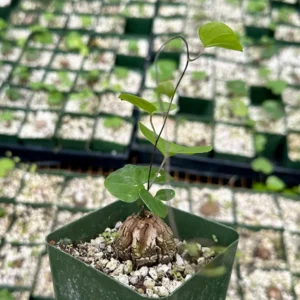
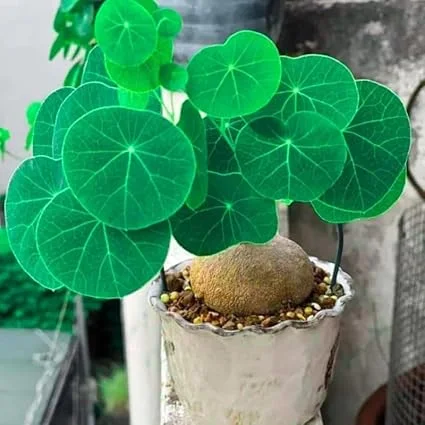
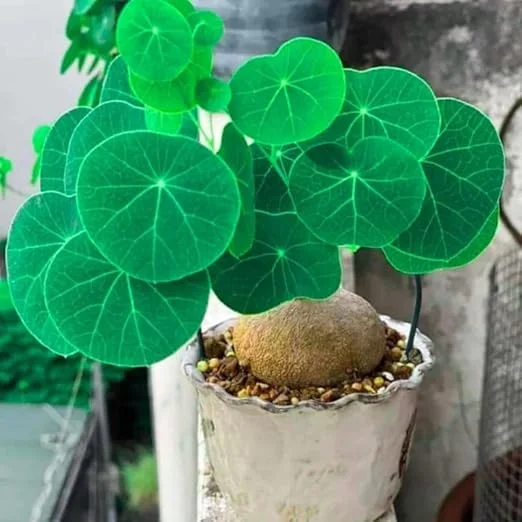
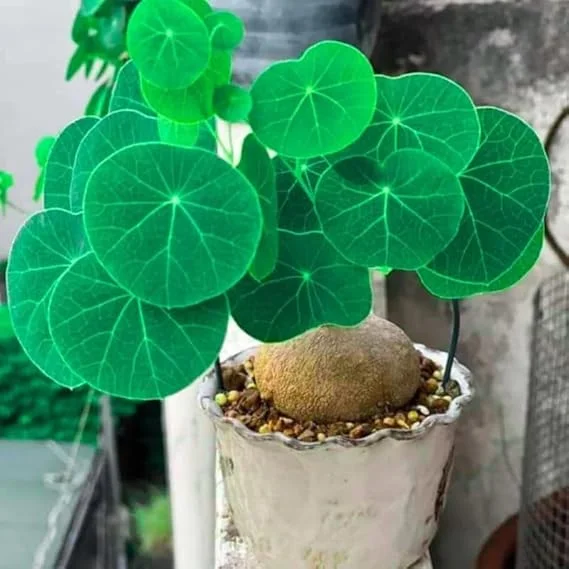
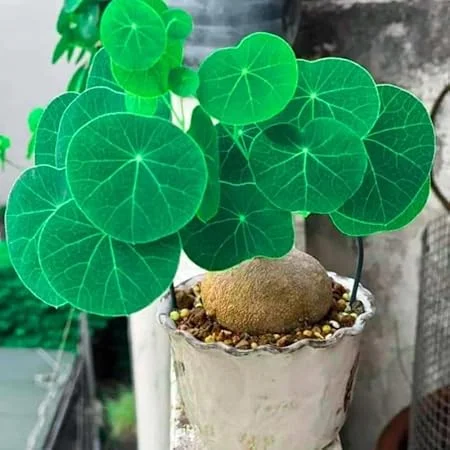
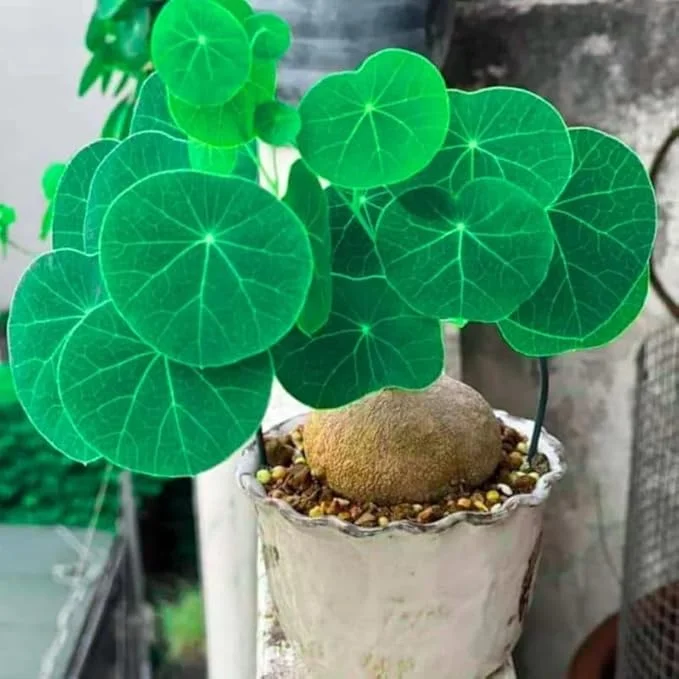
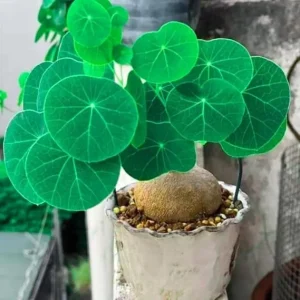
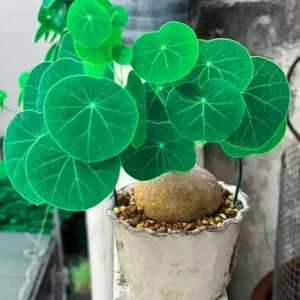
The Stephania Cephalantha live plant is a truly unique and sought-after botanical specimen, perfect for enthusiasts looking to add an exotic touch to their indoor garden. This fascinating rare caudex succulent is distinguished by its prominent, potato-like caudex, which stores water and nutrients, allowing the plant to thrive even in challenging conditions. Unlike many other plants, this particular variety is often noted for having no visible hair roots, adding to its distinctive appearance. Originating from regions like Thailand, the Stephania Cephalantha is a deciduous vine that goes dormant in cooler months, only to re-emerge with its stunning, round, heart-shaped leaves, creating an eye-catching display. Its intriguing form and relatively easy care make it a favorite among succulent collectors and those new to caudiciform plants.
Known by its scientific name, Stephania cephalantha, this plant offers a captivating growth habit as its delicate vines emerge from the caudex, eventually unfurling beautiful foliage. It’s an excellent choice for indoor planting, bringing a piece of the tropics into your home. The plant’s unique aesthetic makes it a conversation starter and a focal point in any room, whether displayed in a hanging basket, a decorative pot, or as a distinctive ground cover in terrariums. Embrace the charm of this unusual succulent and elevate your plant collection with its extraordinary presence.
Key Benefits
The Stephania Cephalantha live plant offers a multitude of benefits, making it an excellent choice for both novice and experienced plant parents. Its unique characteristics provide aesthetic appeal and a rewarding growing experience.
- Exotic Aesthetic: This plant boasts a distinctive, bulbous caudex and delicate, heart-shaped leaves that emerge on slender vines, creating a captivating and exotic display. It’s a true statement piece for any interior design.
- Low Maintenance: As a rare caudex succulent, it’s designed for resilience, requiring less frequent watering compared to many other houseplants. This makes it an ideal choice for busy individuals or those new to plant care.
- Adaptable Indoors: Perfectly suited for indoor environments, the Stephania Cephalantha live plant thrives in bright, indirect sunlight, making it easy to find a suitable spot in most homes. It adapts well to various indoor conditions with proper care.
- Unique Caudex Formation: The prominent, woody caudex is its signature feature, growing larger and more characterful with age. This makes each plant a living sculpture, offering a dynamic and evolving aesthetic.
- Dormancy Cycle: Experience the natural cycle of growth and dormancy. While it may lose its leaves in cooler months, it will reliably re-sprout with fresh foliage when conditions are right, providing a fascinating lesson in plant resilience.
- Conversation Starter: Its unusual appearance and growth habits are sure to spark curiosity and conversation among guests, highlighting your unique taste in botanical decor.
- Compact Size: With its manageable size, this plant is perfect for desks, shelves, windowsills, or small apartments, adding greenery without taking up too much space.
Plant Care & Growing Tips
Caring for your Stephania Cephalantha live plant is relatively straightforward, especially once you understand its unique needs as a caudex succulent. Providing the right conditions will ensure its caudex grows robustly and its beautiful foliage flourishes. For optimal growth, this plant prefers bright, indirect sunlight. Avoid direct, intense sun exposure, especially during the hottest parts of the day, as this can scorch its delicate leaves. A north or east-facing window is often ideal, or a spot further back from a south or west-facing window. If leaves start to yellow or appear bleached, it might be receiving too much sun; if growth is leggy, it may need more light.
When it comes to watering, moderation is key. As a rare caudex succulent, it stores water in its caudex, making it drought-tolerant. Allow the soil to dry out completely between waterings to prevent rot. During its active growing season (typically spring and summer), water thoroughly but infrequently. Reduce watering significantly during its dormancy period (fall and winter) when the leaves may die back. Some growers cease watering entirely during dormancy. A well-draining soil mix is crucial; a cactus or succulent mix amended with perlite or pumice is excellent. Ensure the pot has drainage holes to prevent waterlogging. The ideal temperature range for the Stephania Cephalantha live plant is between 65-85°F (18-29°C). It can tolerate temperatures down to USDA Hardiness Zone 9, but it’s best kept indoors in cooler climates to avoid frost. Fertilize sparingly during the growing season with a diluted, balanced liquid fertilizer. Watch out for common pests like spider mites or mealybugs, and treat promptly with insecticidal soap if detected.
Size & Details
This offering includes one Stephania Cephalantha live plant, featuring a caudex that measures approximately 2.5-3 inches in diameter. The plant is shipped without hair roots, which is typical for this variety, ensuring a smooth transition into your home environment. Upon arrival, the plant may be in a dormant state or just beginning to sprout its characteristic round, heart-shaped leaves. The growth habit is that of a deciduous vine, with foliage emerging from the caudex and trailing or climbing. While initially compact, with proper care, the caudex will slowly increase in size over several years, becoming more pronounced and sculptural. The vines can reach lengths of several feet if allowed to grow, but they can also be pruned to maintain a desired shape or size. This rare caudex succulent is typically grown as a potted houseplant and is shipped ready for planting in your preferred well-draining substrate.
Frequently Asked Questions
- Q: How big does this plant get? A: The caudex of this Stephania Cephalantha live plant is approximately 2.5-3 inches in diameter upon arrival. With good care, the caudex will slowly grow larger over time, and its vines can extend several feet, though they can be pruned to maintain a compact size.
- Q: Is this an indoor or outdoor plant? A: The Stephania Cephalantha live plant is primarily an indoor plant in most climates due to its sensitivity to cold. It thrives indoors where temperatures can be controlled, preferring bright, indirect light.
- Q: How much sunlight does it need? A: This rare caudex succulent prefers bright, indirect sunlight. Avoid harsh, direct sun exposure for prolonged periods, which can scorch its leaves. A spot near an east or north-facing window is often ideal.
- Q: Is this plant easy to care for? A: Yes, once you understand its dormancy cycle and watering needs, the Stephania Cephalantha live plant is relatively easy to care for. It’s quite forgiving due to its water-storing caudex, making it suitable for beginners.
- Q: What condition will it arrive in? A: Your Stephania Cephalantha live plant will arrive as a caudex, possibly with new sprouts or in a dormant state, depending on the season. It is typically shipped without hair roots, which is normal for this variety.
- Q: Is it shipped in soil? A: No, this plant is typically shipped as a bare caudex, ready for you to plant it in your preferred well-draining soil mix upon arrival. This ensures safer transport and allows you to choose the best substrate.
- Q: How long until it blooms? A: While Stephania Cephalantha can produce small, inconspicuous flowers, they are not typically grown for their blooms. The primary appeal of this unusual succulent for home is its unique caudex and foliage.
- Q: What’s the minimum temperature it can tolerate? A: The Stephania Cephalantha live plant prefers temperatures above 60°F (15°C). It can tolerate USDA Hardiness Zones 9-11 outdoors in frost-free areas, but it’s best to protect it from cold drafts and temperatures below 50°F (10°C).
- Q: What kind of pot should I use? A: Choose a pot with excellent drainage holes. Terracotta pots are often recommended as they help wick away excess moisture, which is beneficial for this indoor caudex plant. The pot size should be slightly larger than the caudex.
- Q: How do I know if it’s dormant or dead? A: During dormancy, the leaves will yellow and fall off. The caudex itself should remain firm. If the caudex is soft or mushy, it might be suffering from rot. A firm caudex indicates healthy dormancy for your Stephania Cephalantha care.


Reviews
There are no reviews yet.