Overview
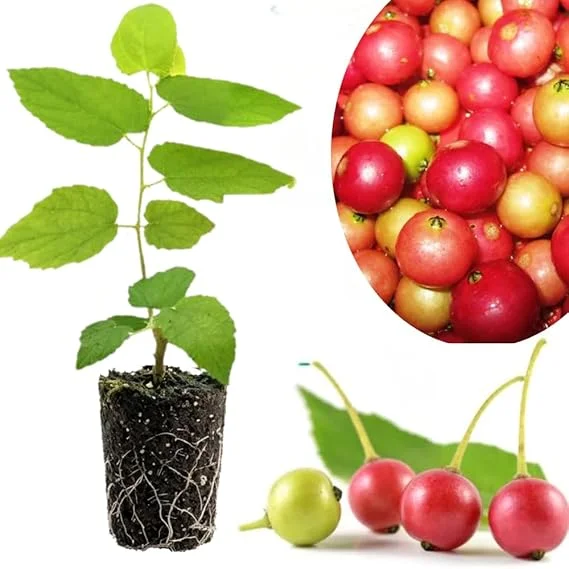
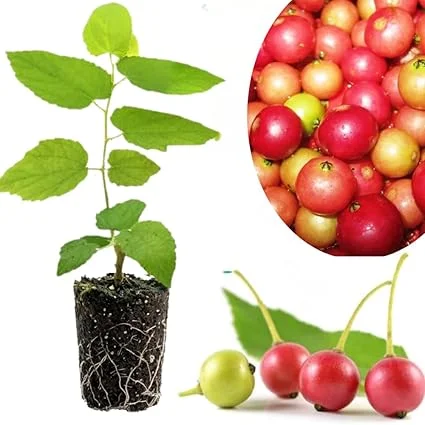
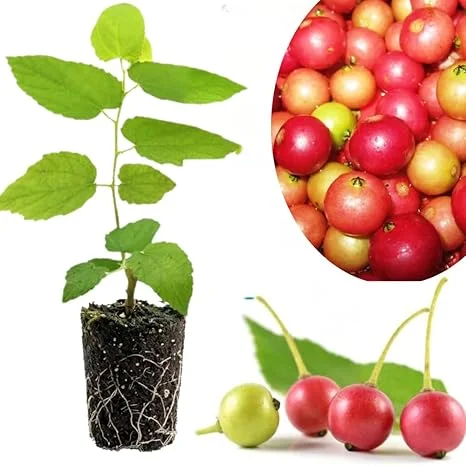
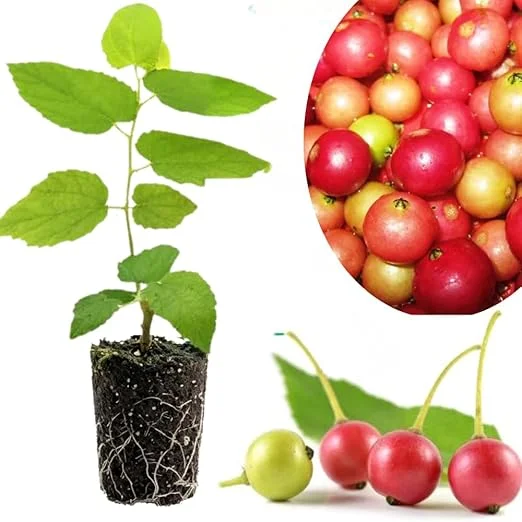
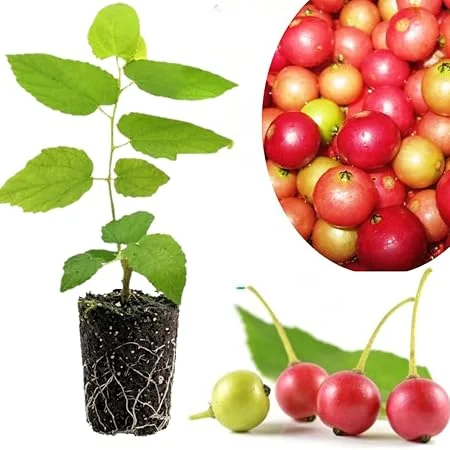
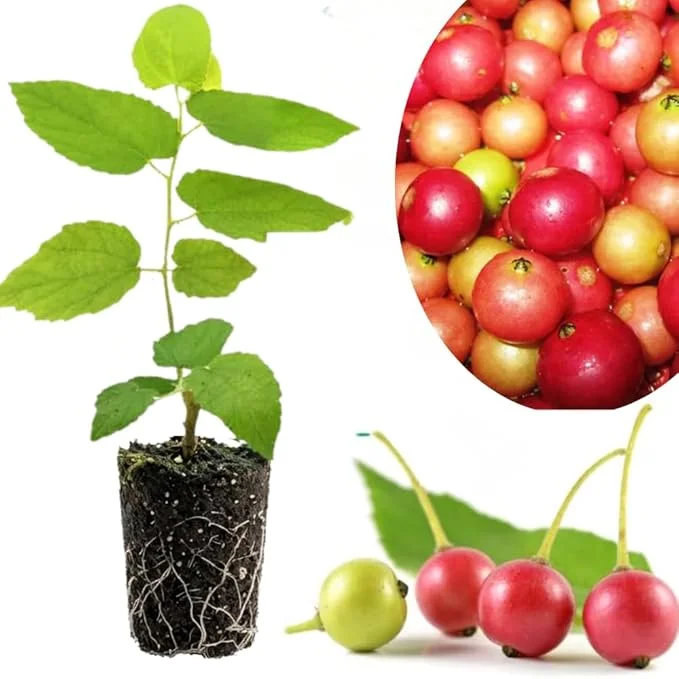
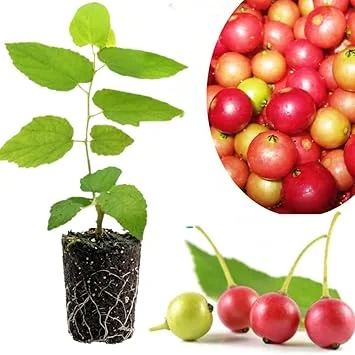
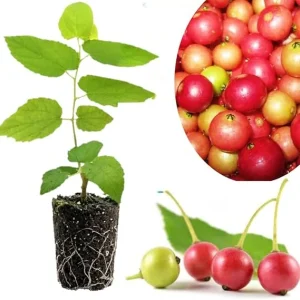
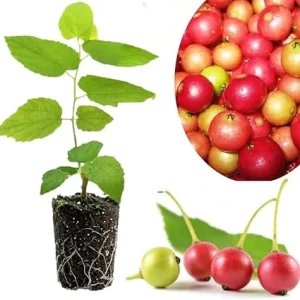
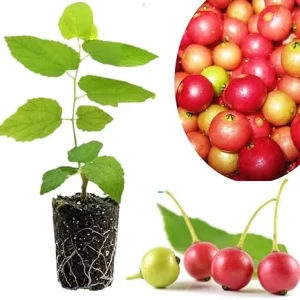
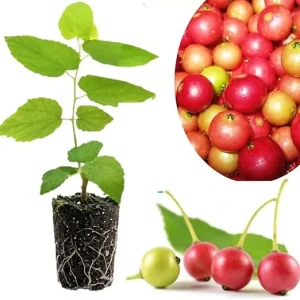
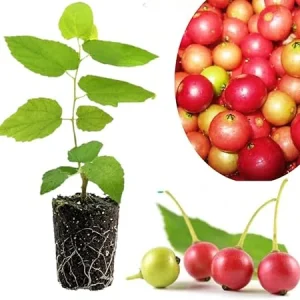
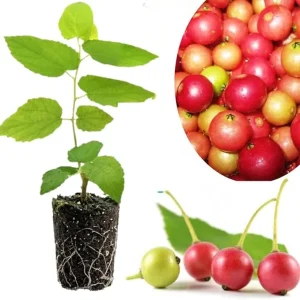
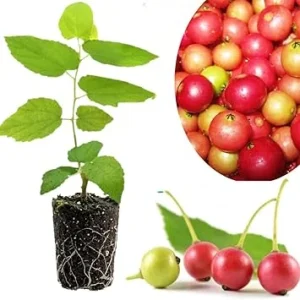
Bring the taste of the tropics to your home with a vibrant strawberry Jamaican cherry tree. This delightful live plant, scientifically known as Muntingia calabura, is a fast-growing tropical fruit tree celebrated for its small, sweet, and tangy berries that resemble tiny strawberries. Originating from Central and South America, the strawberry Jamaican cherry tree is a fantastic addition for gardeners looking for an exotic, productive, and relatively low-maintenance fruit producer. This 4-6 inch starter plant provides an excellent foundation to cultivate your own supply of these unique and flavorful fruits, often producing berries within just a few months of planting. It’s a true gem for any tropical garden enthusiast or those in suitable climates.
The strawberry Jamaican cherry tree is not only prized for its delicious fruit but also for its ornamental value. Its delicate flowers and lush foliage add a beautiful, exotic touch to any landscape or container garden. Often referred to as the ‘cotton candy berry’ or ‘tropical cherry,’ this tree is a conversation starter and a rewarding plant to grow. Its adaptability to various soil conditions and its rapid growth make it a popular choice for both seasoned gardeners and beginners alike. Discover the joy of harvesting your own sweet berries from this remarkable tropical tree.
Key Benefits
The strawberry Jamaican cherry tree offers a multitude of benefits, making it an excellent choice for a productive and attractive addition to your garden or patio. From its delicious fruit to its ease of care, this tropical plant is sure to impress.
- Sweet, Flavorful Fruit: Enjoy a continuous harvest of small, red berries that boast a unique sweet and tangy flavor, often compared to strawberries or cotton candy. These delightful fruits are perfect for fresh eating, jams, or desserts.
- Fast-Growing & Productive: This tree grows quickly and can start producing fruit in just a few months after planting, providing a rapid return on your gardening efforts. You won’t have to wait long to enjoy its delicious bounty.
- Tropical Beauty & Ornamental Value: With its lush green foliage and delicate white flowers, the strawberry Jamaican cherry tree adds an exotic and beautiful aesthetic to any garden space, enhancing its visual appeal.
- Ideal for Small Gardens & Containers: Its compact growth habit makes it perfectly suited for smaller gardens, patios, or even growing in large containers, offering flexibility for various outdoor spaces.
- Easy to Care For: Known for its resilience and adaptability, this tropical fruit tree is relatively low-maintenance, making the Jamaican cherry plant care accessible even for novice gardeners.
- Attracts Wildlife: The sweet berries are a favorite among birds and other small wildlife, adding a lively and natural element to your garden ecosystem.
- Cold Hardy for Tropical Zones: Thrives in warm climates and is sufficiently cold hardy for USDA Zones 9-11, ensuring it can flourish in many subtropical and tropical regions.
Plant Care & Growing Tips
Ensuring the healthy growth of your strawberry Jamaican cherry tree involves understanding its basic care requirements, which are generally straightforward. This tropical plant thrives in conditions that mimic its native environment, preferring warmth and ample sunlight. For optimal growth and fruit production, plant your Muntingia calabura plant in a location that receives full sun, meaning at least 6-8 hours of direct sunlight per day. While it can tolerate partial shade, full sun will result in a more vigorous plant and a more abundant harvest of sweet berries.
When it comes to watering, the strawberry Jamaican cherry tree prefers consistently moist soil, especially during its establishment phase and fruiting periods. However, it’s crucial to ensure good drainage to prevent root rot. Allow the top inch or two of soil to dry out slightly between waterings. For soil, a well-draining, fertile loam is ideal, but it can adapt to various soil types, including sandy or clay soils, as long as drainage is adequate. Incorporating organic matter into the planting hole will provide a good start. This tropical fruit tree live plant performs best in USDA Zones 9-11, where temperatures rarely drop below freezing. If you live in a cooler zone, it can be grown in a container and brought indoors during colder months.
Fertilize your strawberry Jamaican cherry tree with a balanced slow-release fertilizer or a fruit tree specific formula during the growing season (spring and summer) to support its rapid growth and fruit production. Pruning is generally minimal, focusing on shaping the tree and removing any dead or diseased branches. This also helps in maintaining a manageable size, especially if growing in a container. While generally robust, keep an eye out for common pests like aphids or scale insects, which can be managed with horticultural oil or insecticidal soap. Proper Jamaican cherry plant care will ensure a long-lived and productive tree.
Size & Details
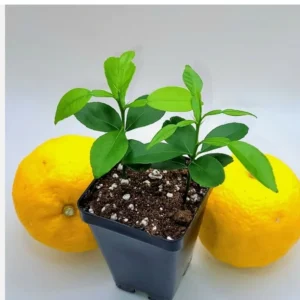
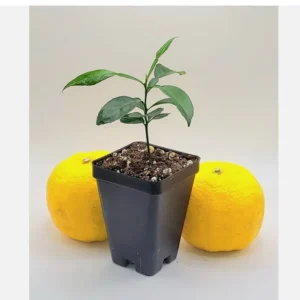
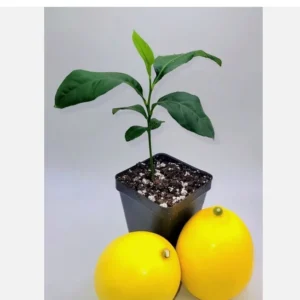
This offering is for a strawberry Jamaican cherry tree live plant, typically measuring 4-6 inches in height upon arrival. This starter size is ideal for planting directly into your garden or a larger pot, allowing you to watch its rapid development. The plant is shipped as a rooted cutting or a young seedling, ready for establishment. With proper care, this Muntingia calabura plant can grow into a small to medium-sized tree, reaching heights of 10-20 feet in its natural environment, though it can be kept smaller with pruning, especially in containers. Its fast growth rate means you can expect to see significant development and potentially even fruit within the first year of planting under ideal conditions.
The tree will develop a spreading canopy with attractive foliage, providing shade and a tropical aesthetic. When grown in containers, choose a pot that is at least 15-20 gallons to allow for adequate root development. The berries, which are about 1/2 inch in diameter, will appear abundantly once the tree matures, offering a continuous harvest throughout the warmer months. This sweet berry tree is a truly rewarding plant for those looking to cultivate unique and delicious tropical fruits in their own backyard or patio.
Frequently Asked Questions
- Q: How big does this strawberry Jamaican cherry tree get? A: In ideal tropical conditions, it can reach 10-20 feet tall. However, when grown in containers or with regular pruning, it can be maintained at a smaller, more manageable size, typically 6-10 feet.
- Q: What size pot does it come in? A: This is a 4-6 inch starter plant, typically shipped in a small nursery pot or with its root ball wrapped, ready for transplanting into a larger container or the ground.
- Q: Is this an indoor or outdoor plant? A: The Muntingia calabura plant is primarily an outdoor tropical plant, thriving in USDA Zones 9-11. In colder climates, it can be grown outdoors during summer and brought indoors during winter as a container plant.
- Q: How much sunlight does it need? A: For the best growth and fruit production, your strawberry Jamaican cherry tree requires full sun, meaning at least 6-8 hours of direct sunlight per day.
- Q: Is this plant easy to care for? A: Yes, this tropical fruit tree live plant is known for being relatively easy to care for, making it suitable for both experienced and novice gardeners. It’s quite resilient once established.
- Q: What condition will it arrive in? A: Your strawberry Jamaican cherry tree will arrive as a healthy, live starter plant, carefully packaged to ensure its safety during transit. It will be ready for immediate planting.
- Q: Can I really get fruit in just a few months? A: Yes, one of the remarkable features of this tree is its fast growth and quick fruiting. Under optimal conditions, you can often see it produce its first sweet berries within a few months of planting.
- Q: Is the sweet berry tree cold hardy? A: It is cold hardy in USDA Zones 9-11. In areas outside these zones, it will need protection from frost or should be grown in a container and overwintered indoors.
- Q: What kind of soil is best for a Jamaican cherry plant care? A: A well-draining, fertile soil mix is ideal. It can tolerate various soil types, but good drainage is crucial to prevent waterlogging.
- Q: How often should I water my strawberry Jamaican cherry tree? A: Water regularly to keep the soil consistently moist, especially during dry periods and when the plant is young or fruiting. Allow the top soil to dry slightly between waterings.


Reviews
There are no reviews yet.