Overview
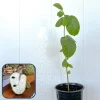
Introducing the magnificent strawberry tree live plant, a stunning addition to any garden or landscape. This particular specimen stands an impressive 2-3 feet tall and is carefully shipped in a 3-gallon pot, ensuring a healthy start in its new home. Often known by its botanical name, Arbutus unedo, the strawberry tree is not actually a true strawberry, but rather a captivating evergreen shrub or small tree native to the Mediterranean region and Western Europe. Its common name comes from its striking, strawberry-like red fruits that ripen in autumn, often alongside its white, bell-shaped flowers. This unique characteristic makes it a highly ornamental plant, providing interest throughout multiple seasons. The fruit, though small, offers a mild, sweet flavor often compared to cotton candy, making it a favorite among children and curious gardeners alike. Beyond its edible appeal, the strawberry tree live plant is also cherished for its attractive, peeling bark, glossy green leaves, and fast-growing nature, which quickly establishes it as a focal point in your outdoor space.
The arbutus unedo tree is a versatile and resilient plant, thriving in various conditions and adding a touch of exotic beauty wherever it’s planted. Its ability to produce both flowers and fruit simultaneously creates a breathtaking display, attracting pollinators and birds. This tree is an excellent choice for those looking for an easy-to-grow, low-maintenance, and visually rewarding plant. Whether you’re a seasoned gardener or just starting, learning how to grow strawberry tree is a delightful experience that yields both aesthetic pleasure and a unique edible harvest.
Key Benefits
The strawberry tree live plant offers a wealth of advantages, making it a highly desirable choice for diverse garden settings. From its ornamental appeal to its ecological benefits, this tree is a true garden gem. Here are some of its most compelling benefits:
- Unique Edible Fruit: Enjoy small, sweet, red fruits with a flavor often compared to cotton candy. These berries are a delightful treat for both children and adults, ripening in the fall.
- High Ornamental Value: Features attractive, reddish-brown peeling bark, glossy evergreen leaves, and delicate white, bell-shaped flowers that appear alongside the ripening fruit, providing year-round visual interest.
- Fast Growing & Shade Provider: This tree grows relatively quickly, establishing itself well and providing a good source of natural shade, perfect for creating cool retreats in your garden.
- Wildlife Attraction: The flowers attract bees and other pollinators, while the fruits are a food source for birds and other wildlife, enhancing biodiversity in your yard.
- Drought Tolerant & Low Maintenance: Once established, the arbutus unedo tree is remarkably drought-tolerant and requires minimal care, making it an excellent choice for busy gardeners or those in drier climates.
- Evergreen Foliage: Maintains its lush green leaves throughout the year, ensuring continuous beauty and structure in the landscape, even during winter months.
- Versatile Landscaping: Can be grown as a large shrub or a small tree, suitable for specimen planting, hedges, or even in large containers, adapting to various garden designs.
Plant Care & Growing Tips
Caring for your strawberry tree live plant is relatively straightforward, making it an excellent choice for both novice and experienced gardeners. For optimal growth, plant your tree in a location that receives full sun to partial shade. While it can tolerate some shade, more sun generally leads to better fruiting and flowering. Ensure the planting site has well-draining soil, as the strawberry tree is susceptible to root rot in waterlogged conditions. It thrives in a variety of soil types, including sandy, loamy, or clay soils, as long as drainage is adequate. A slightly acidic to neutral pH (6.0-7.0) is ideal.
When it comes to watering, newly planted trees will require regular moisture to help establish their root system. Water deeply once or twice a week, checking the soil moisture before each watering. Once established, the strawberry tree live plant is remarkably drought-tolerant and will only need occasional watering during prolonged dry spells. Overwatering is a common mistake, so always allow the top few inches of soil to dry out between waterings. Fertilization is typically not a high priority for mature strawberry trees. If your soil is poor, a balanced, slow-release granular fertilizer can be applied in early spring. Avoid high-nitrogen fertilizers, which can promote leafy growth at the expense of flowers and fruit.
The arbutus unedo tree is hardy in USDA zones 7-10, tolerating temperatures down to about 10-15°F (-12 to -9°C). In colder regions within its hardiness zone, providing some winter protection for young trees, such as a layer of mulch around the base, can be beneficial. Pruning is generally minimal, primarily to remove dead, damaged, or crossing branches, or to shape the tree as desired. The best time to prune is in late winter or early spring before new growth begins. Keep an eye out for common pests like aphids or scale insects, and treat with horticultural oil or insecticidal soap if necessary. With proper strawberry tree care, your plant will flourish and provide years of beauty and delicious fruit.
Size & Details
This strawberry tree live plant arrives as a healthy, thriving specimen, standing approximately 2 to 3 feet tall from the base of the pot to the top of the foliage. It is carefully rooted and shipped in a sturdy 3-gallon nursery pot, providing a well-established root system ready for transplanting. While the exact height can vary slightly due to natural growth, you can expect a robust plant that is ready to grow. The tree has a moderate to fast growth rate, typically adding 12 to 24 inches in height per year once established. Mature trees can reach heights of 15 to 30 feet tall with a similar spread, forming a dense, rounded canopy.
The fruits begin to appear in late summer and ripen into vibrant red berries in the autumn, often coinciding with the emergence of new flowers. This unique characteristic ensures a long season of interest. The plant is delivered as a live, actively growing tree, ensuring a strong start in your garden. Learning how to grow strawberry tree is made easier with a plant of this size and vigor.
Frequently Asked Questions
- Q: What size pot does the strawberry tree come in? A: The strawberry tree live plant is shipped in a robust 3-gallon nursery pot, ensuring a healthy and well-established root system for successful transplanting into your garden or a larger container.
- Q: How tall is the strawberry tree when it arrives? A: Your new strawberry tree will be approximately 2 to 3 feet tall upon arrival, measured from the base of the pot to the top of the plant. This size is ideal for establishing quickly.
- Q: Is this an indoor or outdoor plant? A: The strawberry tree live plant is primarily an outdoor plant, thriving in USDA Zones 7-10. It requires significant sunlight and space to grow to its full potential.
- Q: How much sunlight does the strawberry tree need? A: This tree prefers a location with full sun to partial shade. For the best fruiting and flowering, aim for at least 6 hours of direct sunlight per day.
- Q: Is the fruit of the strawberry tree edible? A: Yes, the fruits are edible! They have a mild, sweet flavor often compared to cotton candy, though they are not as intensely flavored as true strawberries. Many enjoy them fresh or in jams.
- Q: How long until the tree produces fruit? A: Your arbutus unedo tree may produce some fruit in its first year or two after planting, but consistent and abundant fruiting typically begins once the tree is more established, usually within 3-5 years.
- Q: Is this plant easy to care for? A: Yes, the strawberry tree is known for being relatively low-maintenance once established. It’s drought-tolerant and doesn’t require extensive pruning or fertilization, making strawberry tree care quite simple.
- Q: What condition will the plant arrive in? A: We take great care in packaging our plants. Your strawberry tree will arrive as a healthy, live plant, securely packaged to minimize stress during transit, ready for planting.
- Q: Will it survive winter in my zone? A: The strawberry tree is hardy in USDA Zones 7-10. If you are in these zones, it should tolerate winter conditions well. In Zone 7, some protection for young plants during severe cold snaps may be beneficial.
- Q: What kind of soil does the strawberry tree prefer? A: The strawberry tree live plant thrives in well-draining soil. It can adapt to various soil types, but good drainage is crucial to prevent root rot.


Reviews
There are no reviews yet.