Overview
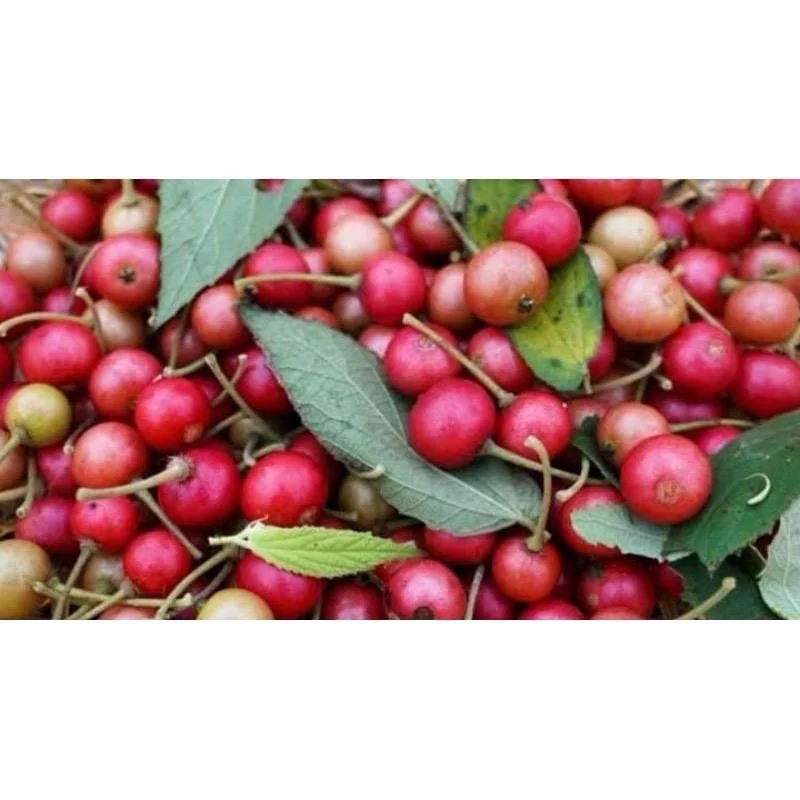
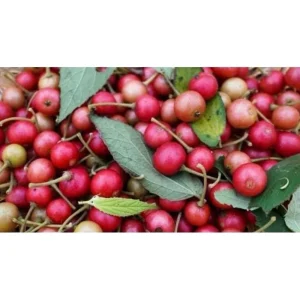
Introduce a touch of the tropics to your home or garden with the remarkable strawberry tree live plant, scientifically known as Muntingia calabura. Often referred to as the Jamaican Cherry, this medium-sized tropical fruit tree is celebrated for its prolific production of small, sweet, red fruits. These pea-sized berries are not only delicious but also appear year-round in suitable climates, providing a continuous harvest. While its common name, Strawberry Tree, might suggest a connection to traditional strawberries, it actually refers to the resemblance of its delicate flowers to those of a strawberry plant, rather than the fruit itself. This robust and fast-growing specimen is an excellent choice for gardeners looking to cultivate unique fruit-bearing trees, offering both ornamental beauty and edible rewards.
Our Muntingia calabura care guide will help you nurture this vibrant addition, ensuring it thrives whether planted directly in the ground or maintained in a container. This versatile plant adapts well to various settings, making it a popular choice for many garden styles. Experience the joy of harvesting your own sweet berries from this captivating jamaican cherry tree, a true gem among tropical flora.
Key Benefits
The strawberry tree live plant offers a multitude of benefits for both the enthusiastic gardener and the casual fruit lover. Its easy-care nature and generous fruit production make it a highly desirable specimen.
- Abundant, Sweet Fruit: Enjoy a continuous supply of small, sweet, and delicious red berries that ripen year-round in tropical conditions. These fruits are perfect for snacking, making jams, or adding to desserts.
- Fast Growing: This tree establishes quickly, allowing you to enjoy its benefits sooner. Its rapid growth contributes to a lush, full appearance in your garden or container.
- Versatile Planting Options: While it can reach significant heights in the ground (15-25 feet), it also adapts beautifully to container living with regular pruning, making it suitable for various garden sizes and patio spaces.
- Attractive Flowers: The delicate white flowers resemble those of a strawberry plant, adding an ornamental touch before the fruits even appear. These blossoms enhance the aesthetic appeal of your garden.
- Adaptable to Sun Exposure: Thrives in full sun but tolerates partial shade, offering flexibility in choosing its placement within your landscape. This resilience makes Muntingia calabura care relatively straightforward.
- Low Maintenance: Once established, the jamaican cherry tree requires consistent moisture but is otherwise quite hardy, making it a great choice for both novice and experienced gardeners.
- Unique Tropical Appeal: Add an exotic flair to your garden with this uncommon and delightful tropical fruit tree, which stands out from more traditional choices.
Plant Care & Growing Tips
Caring for your strawberry tree live plant, or Muntingia calabura, is relatively straightforward, especially when you understand its basic needs. This tropical beauty thrives in warm environments and appreciates consistent attention during its establishment phase. For optimal growth, ensure it receives ample sunlight. Full sun preferred, tolerates partial shade, meaning it will perform best with at least 6-8 hours of direct sunlight daily. If growing indoors or in a container, place it near a south-facing window or in a location that gets plenty of bright light. A well-lit spot will encourage prolific fruiting and healthy foliage.
Watering is crucial, particularly for the first few years. The plant requires consistent moisture, so do not let the soil dry out completely. Once established, it can tolerate occasional dry periods but will still benefit from regular watering, especially during hot, dry spells. For soil, a loam ideal mixture is best, ensuring good drainage while retaining adequate moisture. The soil pH should be slightly alkaline. Fertilize regularly to support its fast growth and fruit production. A balanced, slow-release fertilizer or a liquid feed applied every few weeks during the growing season will keep your jamaican cherry tree healthy and productive. If you’re looking for a low-maintenance tropical fruit tree, this is an excellent option.
While the strawberry tree for sale can reach impressive heights of 15 to 25 feet when planted in the ground, it can also be successfully grown in containers. For container-grown plants, expect to prune a few times a year to maintain a manageable size and shape. Pruning also encourages bushier growth and more fruit production. Protect young plants from frost if you live in a region with colder winters, as it is a tropical species. With proper Muntingia calabura care, your plant will flourish and provide you with delicious fruit for years to come.
Size & Details
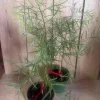
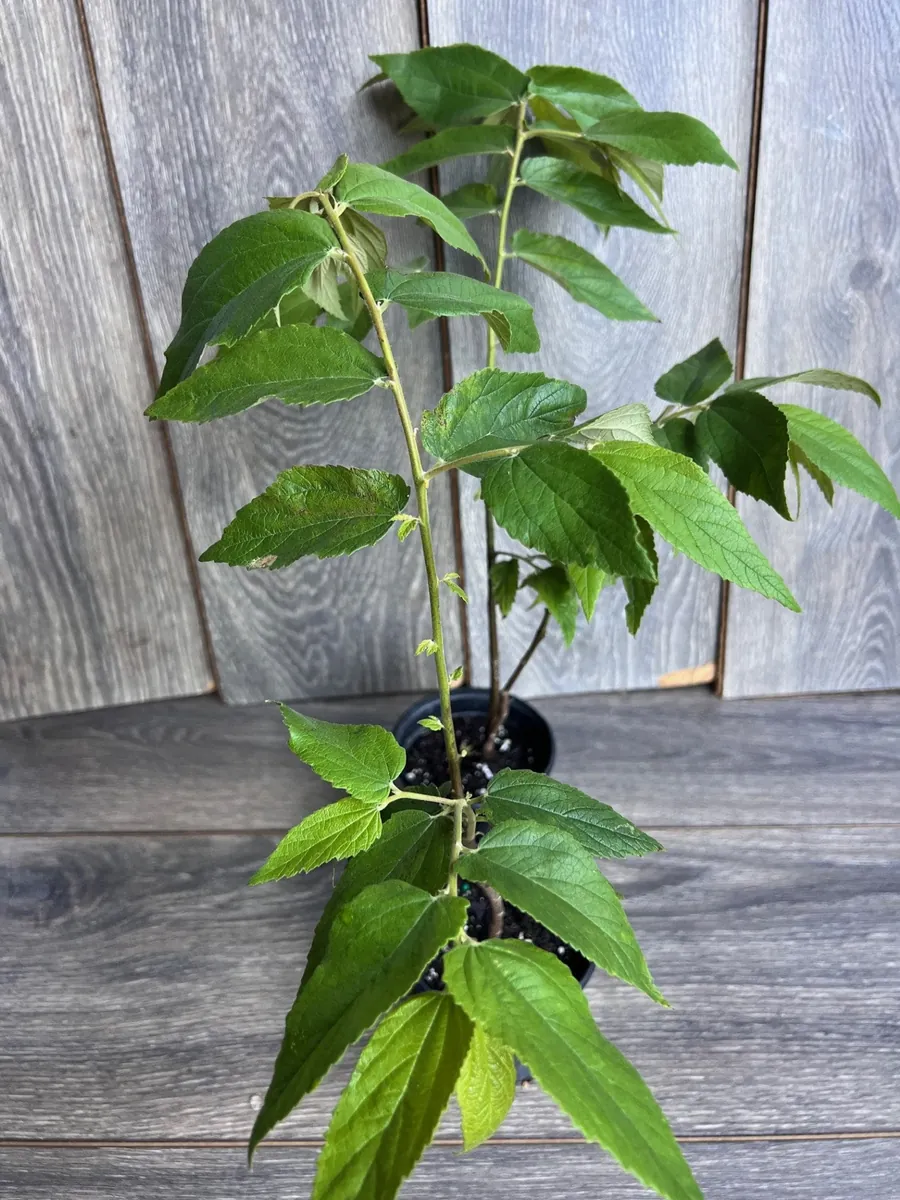
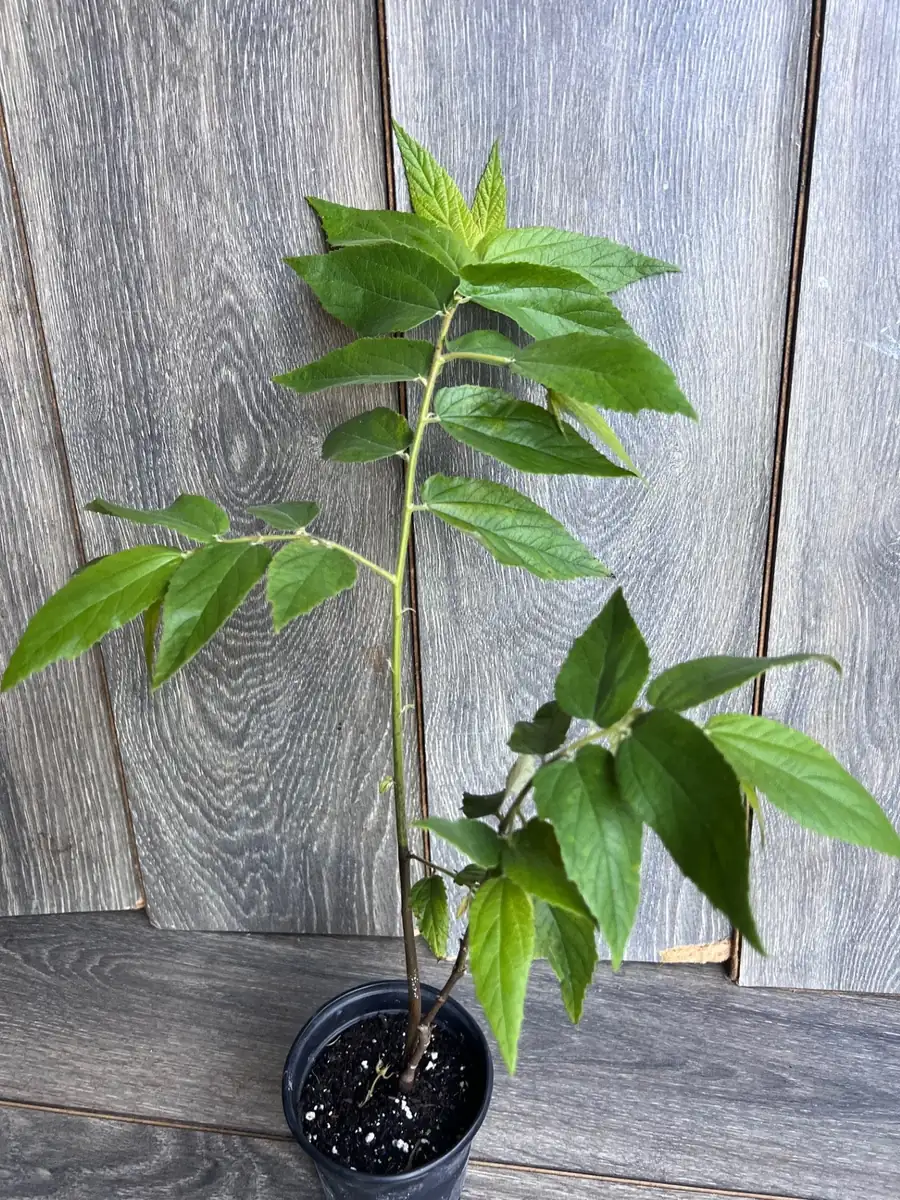
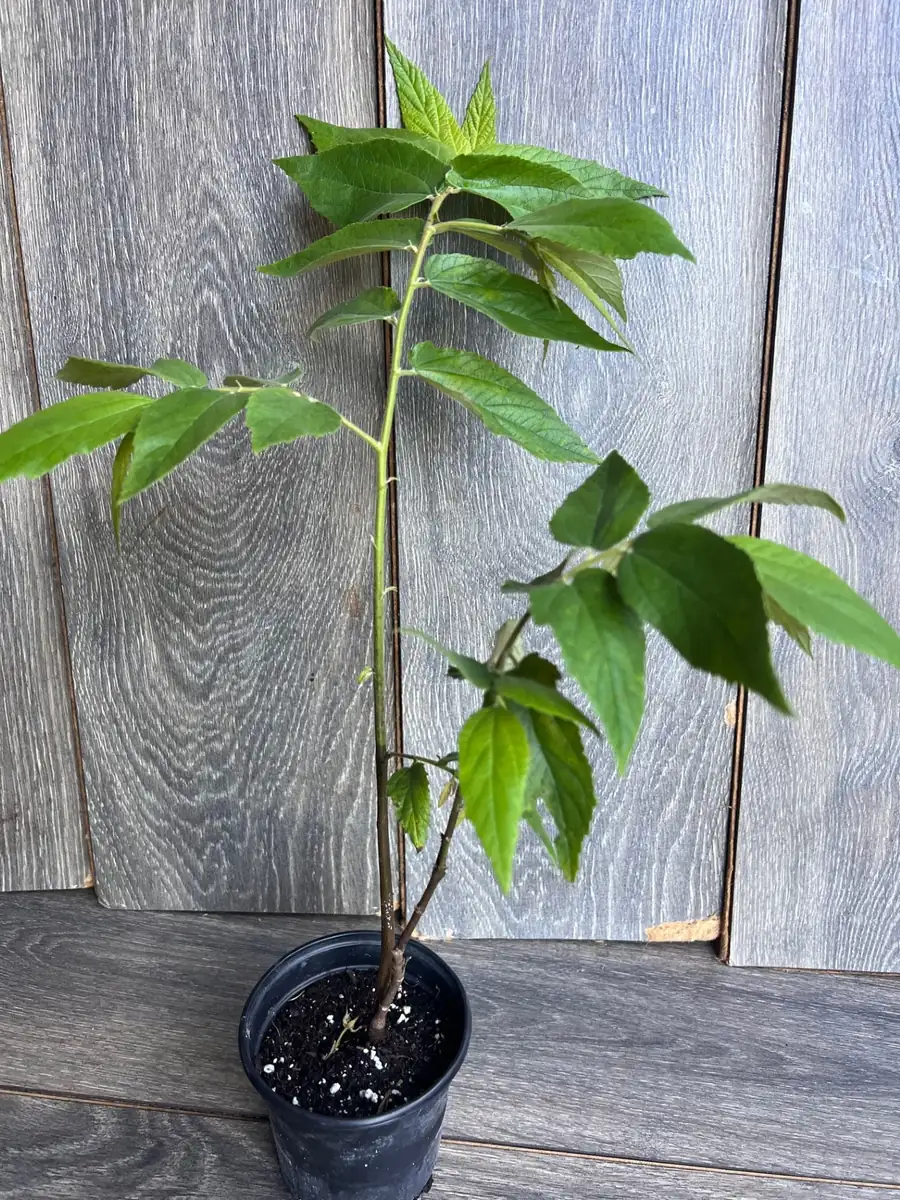
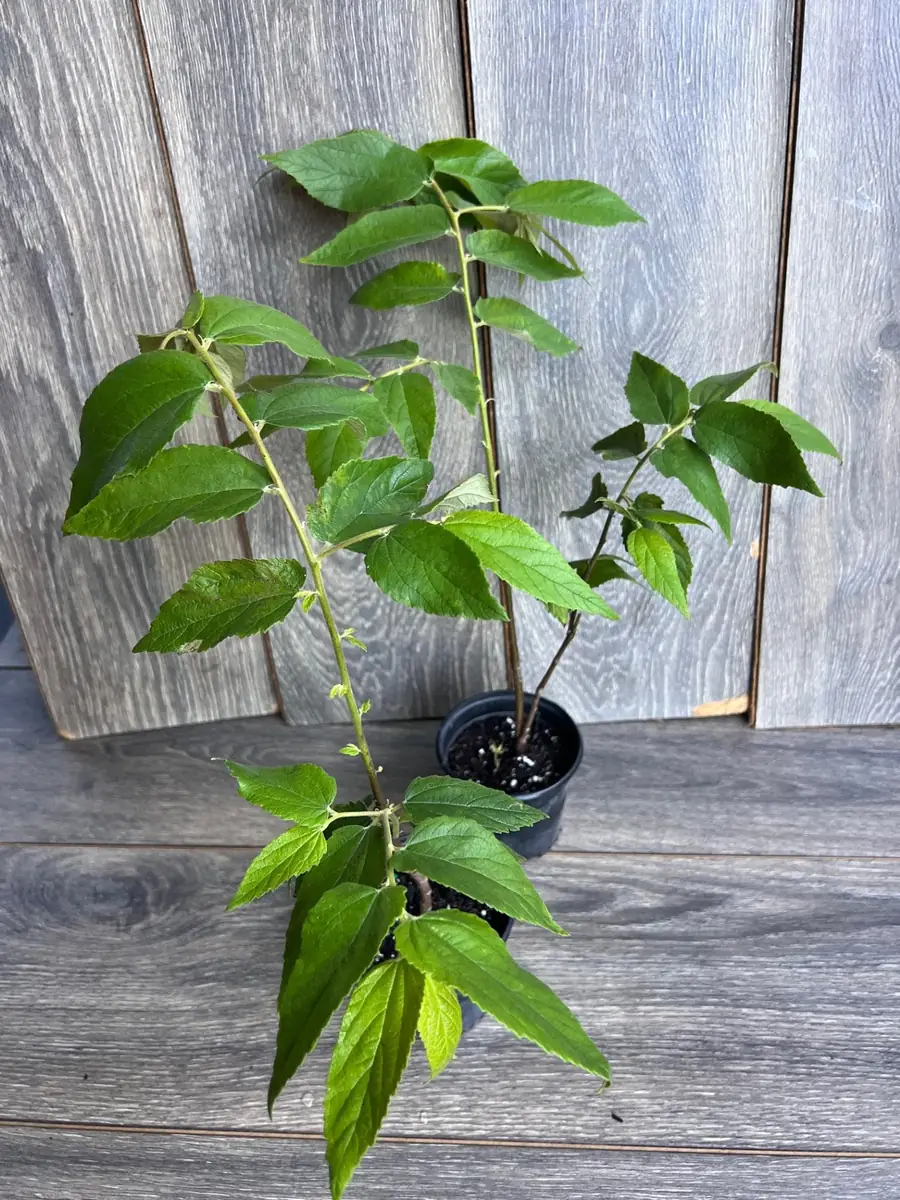
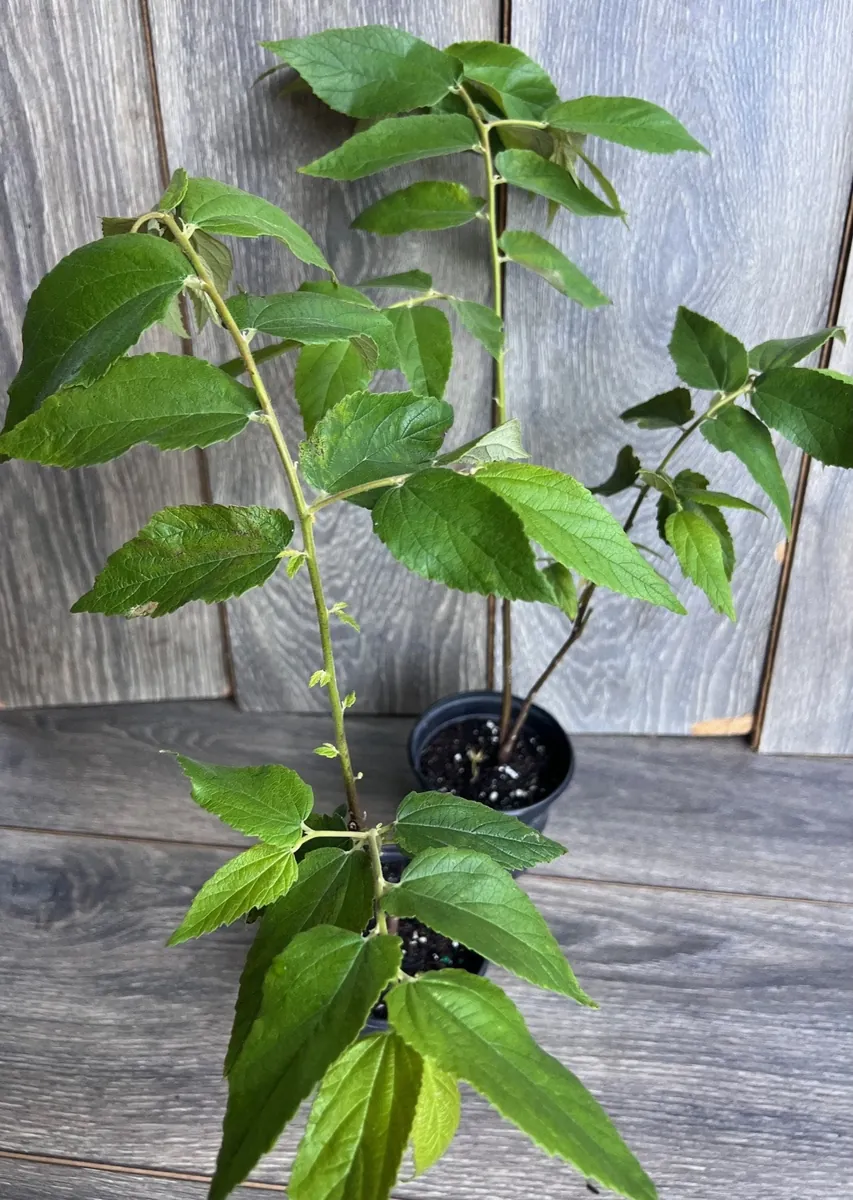
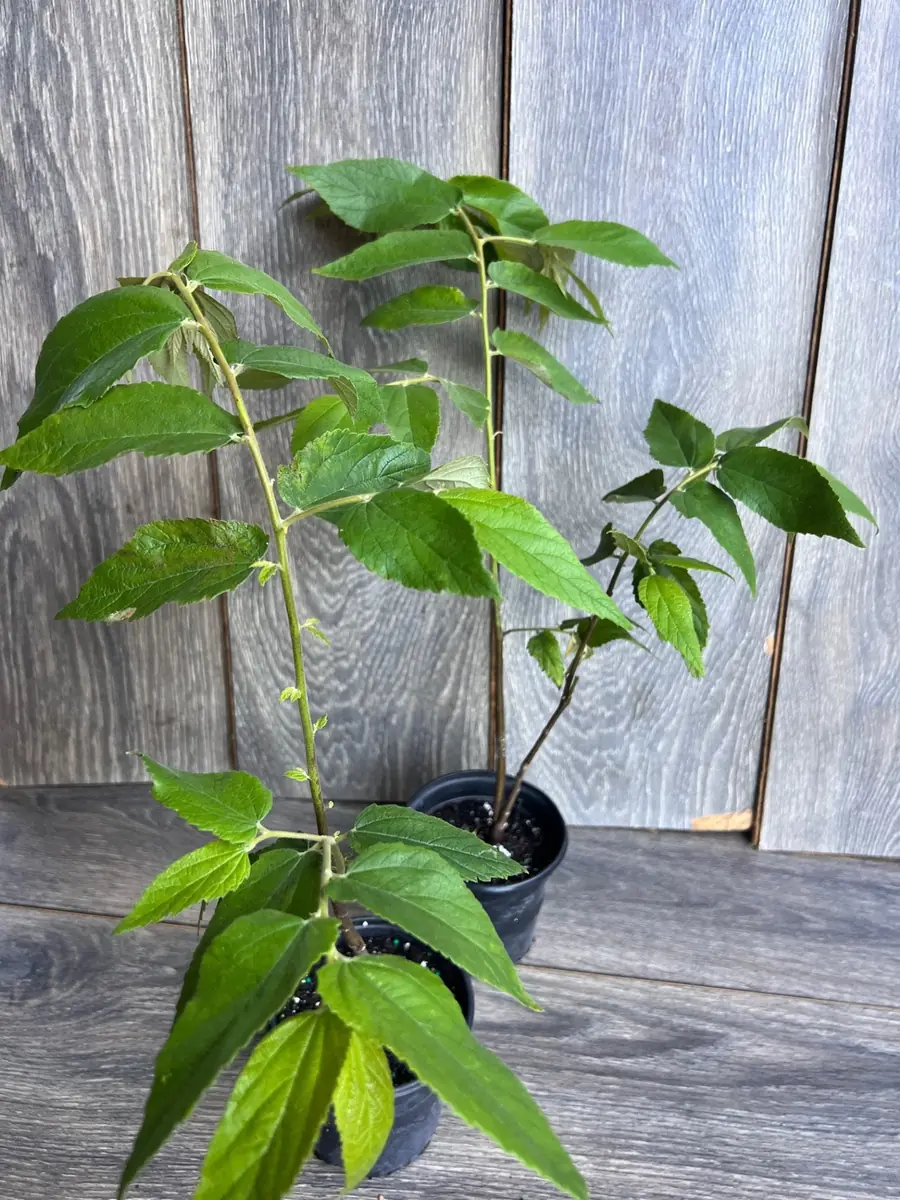
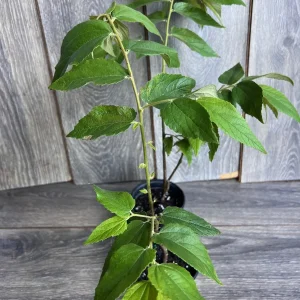
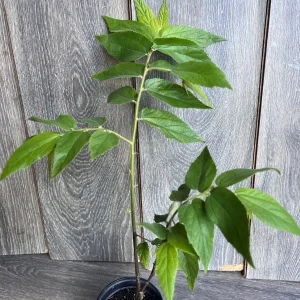
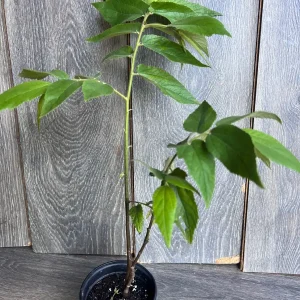
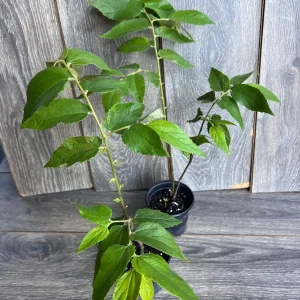
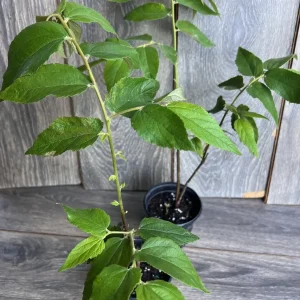
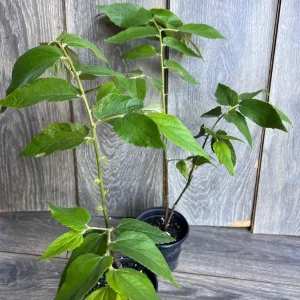
This offering is for a strawberry tree live plant, specifically a Muntingia calabura, provided in a 6 inch pot. Upon arrival, the plant will be similar to the pictures shown, healthy and ready for transplanting into your garden or a larger container. The Jamaican Cherry is a fast-growing species that, when planted in the ground, can reach heights of 15 to 25 feet, developing into a medium-sized tropical fruit tree. If kept in a container, its size can be managed through regular pruning, making it suitable for patios, balconies, or even as an indoor plant in very bright conditions.
The plant will arrive established in its nursery pot, with a developed root system to ensure a smooth transition. Expect to see the characteristic delicate flowers and, in favorable conditions, the sweet, red, pea-sized fruits that give the jamaican cherry tree its appeal. This tree is known for its ability to produce fruit year-round in tropical climates, offering a continuous harvest. Its robust nature and relatively quick growth make it a rewarding addition to any plant collection, providing both aesthetic beauty and edible delights. This tropical fruit tree is a fantastic choice for those seeking an exotic and productive plant.
Frequently Asked Questions
- Q: How big does this strawberry tree live plant get? A: When planted directly in the ground, the Jamaican Cherry tree can reach heights of 15 to 25 feet. If grown in a container, its size can be effectively managed through regular pruning to suit your space.
- Q: What size pot does it come in? A: Your Muntingia calabura will arrive in a 6-inch nursery pot, established and ready for transplanting into a larger container or directly into your garden.
- Q: Is this an indoor or outdoor plant? A: This plant thrives outdoors in tropical and subtropical climates (USDA zones 9-11). It can be grown indoors in a bright, sunny location, but may require more frequent pruning and careful environmental control.
- Q: How much sunlight does it need? A: The jamaican cherry tree prefers full sun, meaning at least 6-8 hours of direct sunlight per day. It can tolerate partial shade, but fruit production may be reduced.
- Q: Is this plant easy to care for? A: Yes, once established, the Strawberry Tree is relatively low-maintenance. It requires consistent watering, especially when young, and benefits from regular fertilization. It’s a great choice for beginners looking for a tropical fruit tree.
- Q: What condition will it arrive in? A: Your plant will arrive healthy, live, and well-rooted in its 6-inch pot, similar to the product pictures, ready for its new home. We package carefully to ensure safe delivery.
- Q: How long until it blooms and produces fruit? A: The Strawberry Tree is known for being a fast grower and can produce flowers and fruit within its first year or two under optimal growing conditions, especially in warm climates.
- Q: What type of soil is best for Muntingia calabura care? A: A well-draining loamy soil with a slightly alkaline pH is ideal for this plant. Good drainage is crucial to prevent root rot.
- Q: Can I really get fruit year-round from this tree? A: In consistently warm, tropical climates, the Jamaican Cherry tree is known to produce fruit year-round, offering a continuous harvest of its sweet berries.
- Q: Is the strawberry tree for sale suitable for all USDA zones? A: It is best suited for USDA Hardiness Zones 9-11. In colder zones, it must be grown in a container and brought indoors during winter or treated as an annual.


Reviews
There are no reviews yet.