Overview
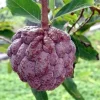
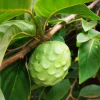
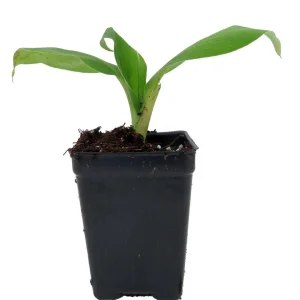
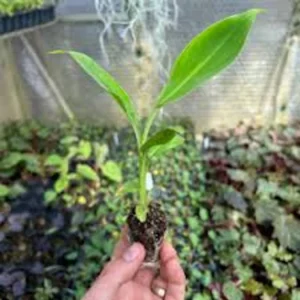
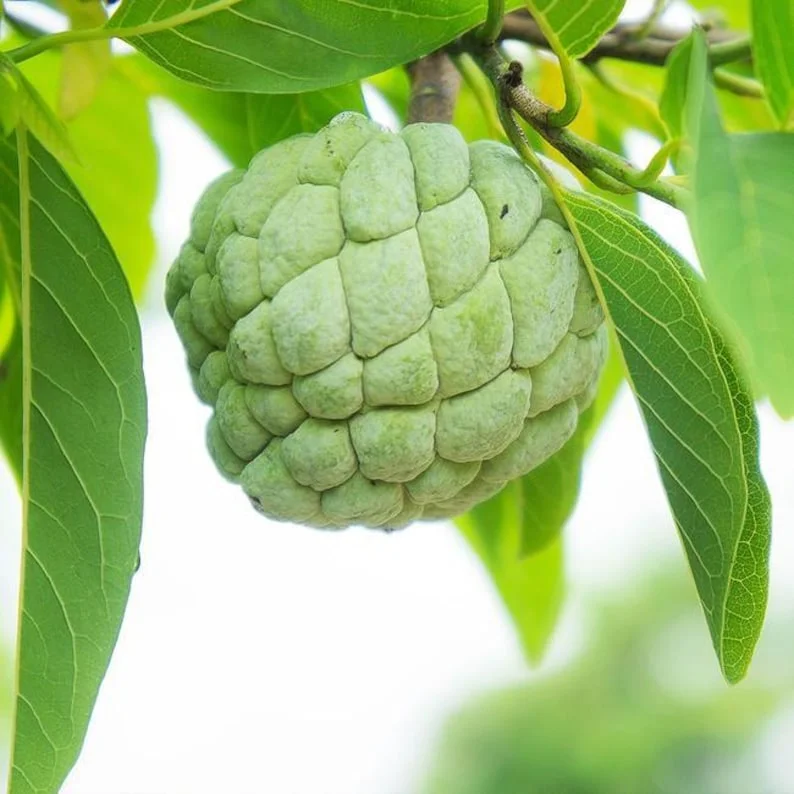
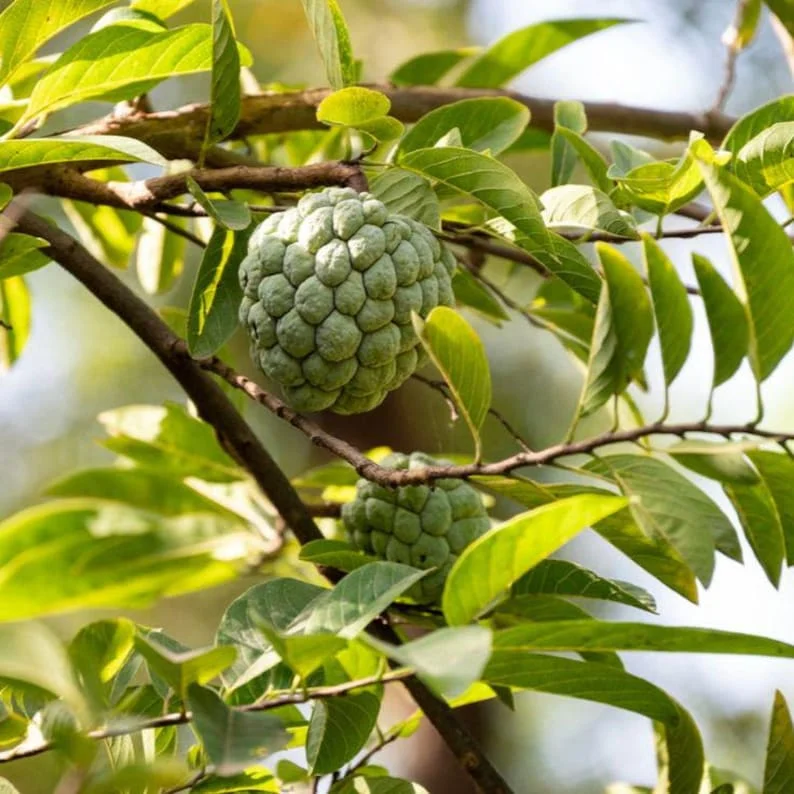
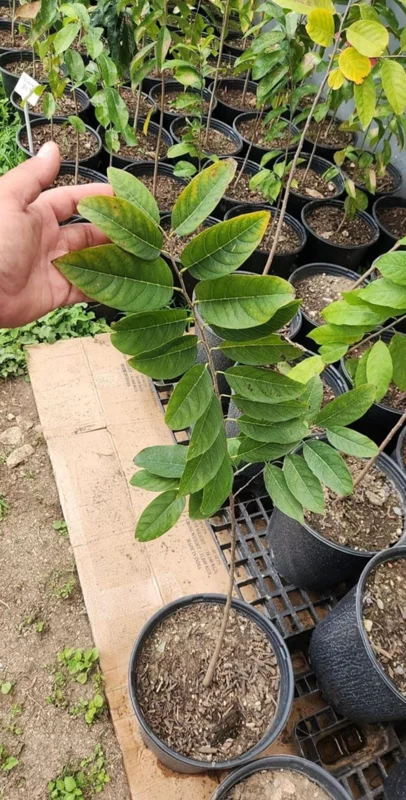
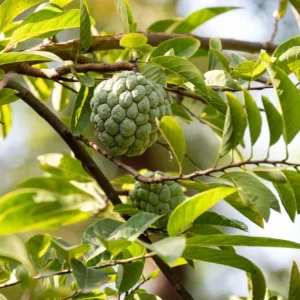
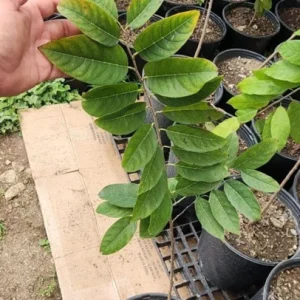
Cultivate your own exotic fruit with this vibrant sugar apple live plant. Also known as Sweetsop or Custard Apple, the Annona squamosa is a tropical fruit tree prized for its uniquely segmented, sweet, and aromatic fruit with a creamy texture. This particular plant measures an impressive 22 to 26 inches in height and comes established in a 1-gallon nursery pot, providing a strong start for your new tropical garden addition. The sugar apple live plant is a fantastic choice for those looking to explore home-grown tropical fruits, offering both ornamental beauty and delicious harvests. It’s a relatively fast-growing tree, making it a rewarding project for gardeners of all experience levels who reside in suitable climates or have the means to provide indoor protection.
Originating from the American tropics, the Annona squamosa tree is well-adapted to warm, humid conditions. Its distinctive fruit is enjoyed fresh, in desserts, and beverages worldwide. With proper care, your sugar apple live plant will mature into a productive tree, yielding abundant, flavorful fruits that are far superior to store-bought varieties. This specimen is carefully nurtured to ensure it arrives healthy and ready to be transplanted into its new home, whether that’s a larger container or directly into your garden if conditions allow.
Key Benefits
Owning a sugar apple live plant offers a multitude of benefits, from the joy of growing your own food to enhancing your garden’s aesthetic and biodiversity. This tropical gem is more than just a fruit producer; it’s a conversation starter and a source of natural goodness.
- Delicious Homegrown Fruit: Enjoy the unparalleled sweetness and creamy texture of fresh sugar apple fruit, often described as a blend of pineapple and banana, right from your own backyard or patio.
- Ornamental Appeal: The attractive foliage and unique flowers of the Annona squamosa tree add a distinctive tropical flair to any landscape or container garden, providing year-round visual interest.
- Nutritional Value: Sugar apples are packed with vitamins, minerals, and antioxidants, contributing to a healthy diet with every bite of their luscious fruit.
- Rewarding Growing Experience: Witnessing the growth from a young plant to a fruit-bearing tree is incredibly satisfying, especially when you harvest your first sweet treats.
- Adaptable for Containers: While a tropical tree, the sugar apple live plant can be successfully grown in large containers, making it suitable for patios and for moving indoors during colder months, extending its reach to cooler climates.
- Pollinator Friendly: The flowers attract various pollinators, contributing to the health of your local ecosystem and ensuring good fruit set.
- Potential for Multiple Harvests: In optimal conditions, a mature Annona squamosa tree can produce multiple flushes of fruit throughout its growing season, providing a steady supply of fresh produce.
Plant Care & Growing Tips
Caring for your sugar apple live plant involves understanding its tropical needs to ensure healthy growth and abundant fruiting. This Annona squamosa tree thrives in warm conditions and requires specific attention to light, water, and soil. For optimal growth, provide at least 6-8 hours of direct sunlight daily. If growing indoors, place it near a south-facing window or supplement with a grow light. Consistent watering is crucial, especially during dry periods and when the tree is fruiting. The soil should be kept moist but never waterlogged; allow the top inch or two of soil to dry out slightly between waterings. Good drainage is paramount to prevent root rot, a common issue for tropical plants.
The ideal soil for your sugar apple live plant is a well-draining, slightly acidic to neutral (pH 6.0-7.0) loamy soil rich in organic matter. Amend heavy clay soils with compost and sand to improve drainage, or sandy soils with compost to increase water retention. Fertilize regularly during the growing season (spring through fall) with a balanced, slow-release fertilizer or a liquid feed formulated for fruit trees. Reduce fertilization during winter dormancy. Protect your plant from temperatures below 40°F (4°C); if you’re in a colder climate, bring it indoors or provide frost protection. Pruning can be done to shape the tree, remove dead or diseased branches, and encourage better fruit production. Keep an eye out for common pests like aphids and mealybugs, and address them promptly with organic pest control methods. Understanding sugar apple tree care is key to a thriving plant.
Size & Details
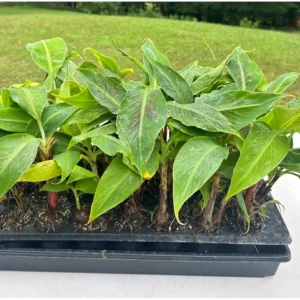
This sugar apple live plant arrives as a well-established young tree, standing proudly at 22 to 26 inches tall from the base of the pot to the top of the foliage. It is potted in a standard 1-gallon nursery container, providing an ample root system for a smooth transition to its new home. The plant is typically shipped in its nursery pot with soil, carefully packaged to minimize stress during transit. Expect a moderate growth rate, with the tree potentially reaching 10-20 feet in height at maturity in ideal outdoor conditions, though it can be kept smaller with pruning in containers. The fruit typically matures 3-5 years after planting, depending on growing conditions and care. This tropical fruit plant is a long-term investment in delicious, homegrown produce.
The specific dimensions of the plant ensure it’s robust enough to handle transplanting and continue its growth journey. While the exact spread will vary with age and pruning, a mature Annona squamosa tree can have a canopy spread of 8-15 feet. This size makes it suitable for larger garden spaces or as a prominent feature in a spacious patio container. It’s an excellent choice for those interested in growing sugar apple and enjoying its unique flavor.
Frequently Asked Questions
- Q: How big does this sugar apple live plant get? A: This particular plant is 22-26 inches tall. At maturity, an outdoor Annona squamosa tree can reach 10-20 feet in height, but it can be maintained at a smaller size with regular pruning, especially when grown in a container.
- Q: What size pot does it come in? A: Your sugar apple live plant will arrive in a 1-gallon nursery pot, which is a good size for its initial growth stage. You’ll want to transplant it into a larger container or directly into the ground soon after arrival.
- Q: Is this an indoor or outdoor plant? A: Sugar apples are tropical plants. They thrive outdoors in USDA zones 9-11. In colder climates, they can be grown outdoors during warm months and brought indoors as a container plant when temperatures drop, making growing sugar apple versatile.
- Q: How much sunlight does it need? A: The Annona squamosa tree requires full sun, meaning at least 6-8 hours of direct sunlight per day, for optimal growth and fruit production.
- Q: Is this plant easy to care for? A: While tropical, sugar apple tree care is relatively straightforward. They need consistent warmth, plenty of sun, regular watering, and well-draining soil. Protecting them from cold is the main challenge in non-tropical areas.
- Q: What condition will it arrive in? A: Your sugar apple live plant is carefully packaged to ensure it arrives healthy and vibrant, ready for planting. It will typically be shipped in its original nursery pot with soil.
- Q: Can I use sugar apple in cooking? A: Yes, the sweet, custardy flesh of the sugar apple is delicious eaten fresh, used in smoothies, ice cream, or other desserts. It’s a versatile and flavorful tropical fruit.
- Q: How long until it blooms and produces fruit? A: A sugar apple live plant typically begins to flower and produce fruit within 3-5 years after planting, given proper care and ideal growing conditions.
- Q: What’s the best time to plant a sugar apple? A: The best time to plant is in spring or early summer after all danger of frost has passed, allowing the plant ample time to establish itself before cooler weather.
- Q: Is the sugar apple tree drought-tolerant? A: While mature trees can tolerate short periods of drought, young sugar apple plants and fruiting trees prefer consistent moisture and are not considered highly drought-tolerant. Regular watering is essential for good fruit development.


Reviews
There are no reviews yet.