Overview
Embark on a tropical gardening adventure with the exquisite sugar loaf mango tree. This particular variety is renowned for its distinctive flavor profile, offering a delightful combination of pineapple-like notes when unripe, transitioning to an incredible coconut aroma and strong dessert-like sweetness as it fully matures. Often compared to the taste of a Mounds candy bar, the sugar loaf mango tree is a true connoisseur’s choice for home orchards and tropical plant enthusiasts. Our offering is a healthy, vigorous grafted mango plant, ensuring that you receive a tree with desirable fruit characteristics and earlier fruiting potential compared to seed-grown specimens. Growing your own mangoes allows you to enjoy fresh, organic fruit right from your backyard or patio.
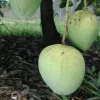
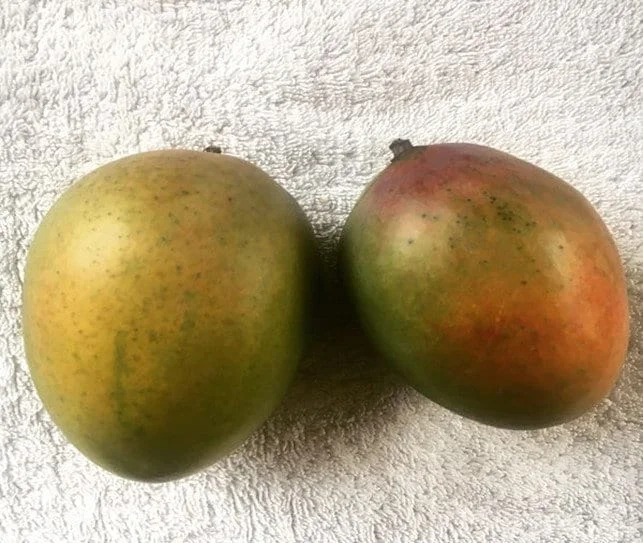
This tropical mango tree is a live plant, carefully cultivated and ready to be integrated into your garden or container planting scheme. Mangoes are not only a source of delicious fruit but also provide lush, green foliage, adding an ornamental touch to any landscape. The Sugar Loaf variety produces yellow, oblique-oval fruits with pale yellow, soft, and slightly fibrous flesh. Its unique taste makes it a highly sought-after addition for those looking to expand their edible landscape.
Key Benefits
Bringing a sugar loaf mango tree into your home or garden offers a multitude of advantages, from its delicious fruit to its aesthetic appeal. This grafted mango plant is an excellent investment for any fruit lover.
- Exotic & Unique Fruit: Enjoy the distinct flavor of Sugar Loaf mangoes, which boast a fascinating blend of pineapple and coconut notes, culminating in a rich, dessert-like sweetness. It’s a taste experience unlike any other mango.
- Grafted for Early Fruiting: Our trees are grafted, meaning they are propagated from a mature, fruit-producing parent plant. This ensures you get a tree that retains the desirable characteristics of the Sugar Loaf variety and typically begins bearing fruit sooner than seed-grown trees.
- Ornamental Value: Beyond its fruit, the sugar loaf mango tree provides attractive, dense foliage that adds a lush, tropical ambiance to your garden, patio, or even as a vibrant indoor plant in suitable environments.
- Fresh & Organic Produce: Grow your own chemical-free mangoes, ensuring you have access to fresh, healthy, and organic fruit whenever it’s in season. This control over your food source is a significant benefit.
- Polyembryonic Seeds: The seeds are polyembryonic, meaning they often produce multiple seedlings that are true-to-type, offering potential for further propagation, though grafted trees are generally preferred for fruit quality and speed.
- Rewarding Growing Experience: Cultivating your own tropical mango tree is a deeply satisfying endeavor, connecting you with nature and providing a tangible reward in the form of delicious fruit.
- Versatile Planting: While ideal for in-ground planting in warm climates, this grafted mango plant can also thrive in large containers, allowing gardeners in cooler zones to enjoy its fruits by bringing it indoors during colder months.
Plant Care & Growing Tips
Caring for your sugar loaf mango tree requires attention to its specific needs to ensure healthy growth and bountiful harvests. Mangoes are tropical plants and thrive in warm, humid conditions. When planting, choose a location that receives full sun, ideally 8-10 hours of direct sunlight per day. Good drainage is crucial; mangoes do not tolerate waterlogged soil. A sandy loam soil with a slightly acidic to neutral pH (6.0-7.0) is ideal. If planting in a container, use a high-quality potting mix designed for tropical fruits or palms, ensuring excellent drainage.
Watering should be consistent, especially during dry periods and when the tree is young. Allow the top few inches of soil to dry out between waterings to prevent root rot. Reduce watering during the flowering and fruiting stage to encourage fruit set and prevent disease. Fertilize your tropical mango tree with a balanced fertilizer specifically formulated for fruit trees, following the product’s instructions. Young trees benefit from more frequent, lighter applications, while mature trees can be fertilized less often. Pruning is important for shaping the tree, removing dead or diseased branches, and encouraging fruit production. Keep an eye out for common pests like scale and mealybugs, and treat promptly with organic or appropriate horticultural solutions. Protecting young trees from frost is essential in cooler climates; consider covering them or bringing container plants indoors.
Size & Details
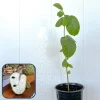
This sugar loaf mango tree is a robust grafted mango plant, standing approximately 1 feet tall at the time of shipment. It arrives well-rooted in a 6 inch pot, providing a strong foundation for continued growth. Grafted trees like this one are selected for their superior fruit quality and tend to begin bearing fruit within 3-5 years, much faster than trees grown from seed. The Sugar Loaf variety typically grows to a medium to large size, often reaching 10-20 feet in height when planted in the ground, though it can be kept smaller with regular pruning or by growing in a large container. Expect a moderate growth rate, especially once established in its permanent location. The tree will develop a broad, dense canopy, ideal for shade and fruit production. It prefers USDA Hardiness Zones 9-11 for outdoor planting, but can be successfully grown in containers in colder regions and overwintered indoors.
Frequently Asked Questions
- Q: How big does this sugar loaf mango tree get? A: When planted in the ground in suitable climates, a sugar loaf mango tree can grow to be 10-20 feet tall. Its size can be managed with proper pruning, and it will remain smaller if grown in a large container.
- Q: What size pot does the grafted mango plant come in? A: This grafted mango plant is shipped in a 6 inch pot, providing a healthy root system for transplanting into a larger container or directly into your garden.
- Q: Is this an indoor or outdoor plant? A: The sugar loaf mango tree is primarily an outdoor plant in USDA Zones 9-11. However, it can be grown as a patio plant in cooler zones and brought indoors during cold weather, or grown year-round indoors with sufficient light.
- Q: How much sunlight does a tropical mango tree need? A: Mango trees require full sun, ideally 8-10 hours of direct sunlight per day, to thrive and produce fruit optimally. Provide the brightest possible location.
- Q: Is this grafted mango plant easy to care for? A: While not completely hands-off, caring for a sugar loaf mango tree is manageable for most gardeners. Providing adequate sunlight, proper watering, and occasional fertilization are key.
- Q: What condition will it arrive in? A: Your grafted mango plant will arrive as a live, healthy plant with a good root system, carefully packaged to ensure its safe transit. It will be approximately 1 feet tall.
- Q: Can I use the fruit from this sugar loaf mango tree in cooking? A: Absolutely! The Sugar Loaf mango is known for its unique sweet flavor, making it excellent for eating fresh, in desserts, smoothies, salsas, and various culinary applications.
- Q: How long until it blooms and fruits? A: As a grafted mango plant, the sugar loaf mango tree typically begins to bloom and produce fruit within 3-5 years after planting, much sooner than trees grown from seed.
- Q: Will it survive winter in my zone? A: Mango trees are tropical and are sensitive to frost. They will survive winter outdoors only in USDA Hardiness Zones 9-11. In colder zones, they must be protected from freezing temperatures.
- Q: What type of soil is best for a tropical mango tree? A: Mangoes prefer well-draining, slightly acidic to neutral soil (pH 6.0-7.0). A sandy loam is ideal, and for containers, a good quality potting mix for tropical fruits is recommended.


Reviews
There are no reviews yet.