Overview
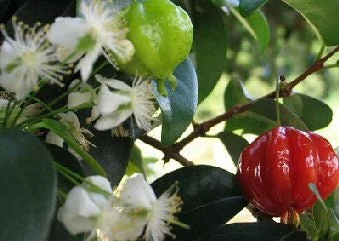
Bring the tropics to your garden with this vibrant surinam cherry live plant. Known for its distinctive, ribbed fruits, the Surinam Cherry (Eugenia uniflora), also called Pitanga, is a beautiful and productive addition to any landscape. This particular variety, sometimes referred to as the ‘Star Cherry’, produces some of the most unique-looking and robust cherries available, growing up to 2 inches in width with deep, ribbed indentations that resemble a star. Originating from tropical South America, the pitanga fruit tree is not just a source of delicious, vitamin-rich fruit but also an excellent choice for visual interest with its glossy green leaves and attractive form. Whether you’re an experienced gardener or just starting, growing a surinam cherry live plant offers the rewarding experience of harvesting your own exotic produce.
This surinam cherry live plant is a fantastic choice for those looking to expand their edible garden or simply add an ornamental fruit tree. It’s a relatively fast-growing shrub or small tree that adapts well to various conditions, making it a popular choice in warmer climates. The delightful aroma of its flowers gives way to a bounty of tart-sweet fruit, perfect for fresh eating, jams, jellies, or even beverages. Discover the joy of nurturing your own tropical fruit producer with this stunning specimen, designed to thrive and bring flavor to your outdoor space.
Key Benefits
The surinam cherry live plant offers a multitude of benefits, from its ornamental appeal to its delicious fruit. It’s a versatile plant that provides both beauty and bounty, making it a valuable addition to many gardens. Enjoy fresh, home-grown fruit and enhance your landscape with this unique tree.
- Delicious Edible Fruit: Harvest your own abundant supply of surinam cherry live plant fruits, known for their unique tart-sweet flavor, perfect for fresh eating, juices, jams, and jellies.
- Visually Striking Appearance: The ‘Star Cherry’ variety boasts distinctive, deeply ribbed, star-shaped fruits that add an exotic and decorative element to your garden.
- Tropical Garden Appeal: With glossy green leaves and attractive growth habit, this plant brings a lush, tropical aesthetic to any outdoor space, creating a vibrant focal point.
- Adaptable and Resilient: The surinam cherry tree care is relatively straightforward, making it suitable for gardeners of various skill levels. It tolerates a range of soil conditions once established.
- Fast Growth Rate: Experience quick growth and sooner harvests with this vigorous plant, allowing you to enjoy its fruits sooner than many other fruit trees.
- Attracts Pollinators: Its small, fragrant white flowers attract bees and other beneficial pollinators to your garden, contributing to a healthy ecosystem.
- Rich in Nutrients: Surinam cherries are known to be packed with vitamins and antioxidants, offering a healthy and fresh snack directly from your own backyard.
Plant Care & Growing Tips
Providing proper care for your surinam cherry live plant will ensure a healthy and productive tree. This tropical plant thrives in warm environments and appreciates consistent attention to its basic needs. Understanding its specific requirements for sunlight, water, and soil will lead to a successful harvest and a beautiful ornamental addition to your garden. Regular monitoring for pests and diseases is also crucial for maintaining its vitality.
For optimal growth, plant your surinam cherry live plant in a location that receives full sun to partial shade, ideally at least 6 hours of direct sunlight per day. While it can tolerate some shade, more sun generally leads to better fruit production. The plant prefers well-draining, slightly acidic to neutral soil (pH 5.5-7.0). Amend heavy clay soils with organic matter to improve drainage. Water regularly, especially during dry periods and when the plant is establishing. Keep the soil consistently moist but never waterlogged. Young plants may need more frequent watering. Once established, the star cherry plant shows some drought tolerance but will produce more fruit with consistent moisture. Fertilize young trees every 2-3 months with a balanced, slow-release fertilizer, reducing frequency to 2-3 times a year for mature trees. Pruning can be done to shape the tree, remove dead or diseased branches, or to encourage bushier growth and fruit production. It’s also important to protect young plants from frost, as they are sensitive to cold temperatures. This grow surinam cherry guide will help you achieve a thriving plant.
The Surinam cherry is generally hardy in USDA Zones 9-11. In cooler climates, it can be grown in a container and brought indoors during winter or treated as an annual. When growing in a container, ensure it has good drainage and use a high-quality potting mix. Repot as needed to accommodate growth. Watch for common garden pests like aphids or scale insects and treat them with organic insecticidal soaps if necessary. With diligent surinam cherry tree care, your plant will reward you with abundant, flavorful fruit and attractive foliage for many years.
Size & Details
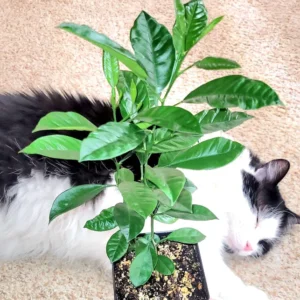
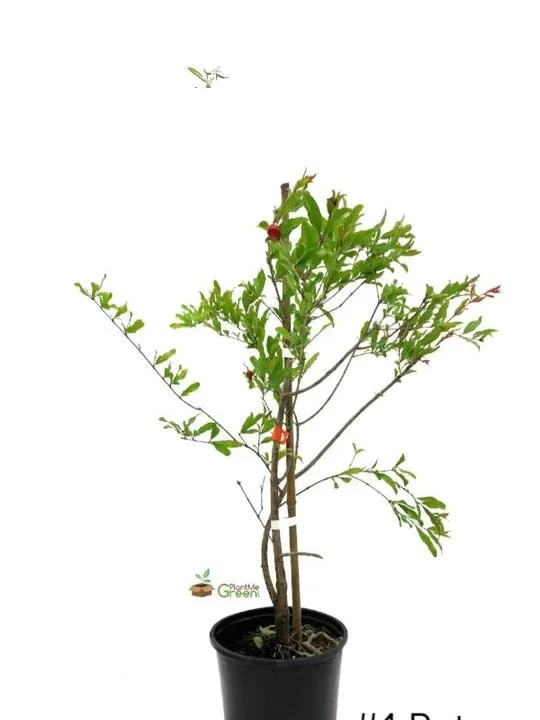
This surinam cherry live plant arrives as a healthy specimen, approximately 1 Foot Tall, and is carefully shipped in a 6 inch Pot. This size provides a robust start for your tropical fruit tree, allowing it to establish quickly in your garden or a larger container. The plant is ready to be transplanted upon arrival, ensuring a smooth transition to its new home.
The Surinam Cherry is a relatively fast-growing fruit tree that can reach heights of 6-15 feet in warmer climates if left unpruned, though it can be kept smaller with regular trimming. It typically begins to fruit within 2-3 years from planting. The distinctive star-shaped fruits, which are the hallmark of this particular variety, can grow up to 2 inches in width, offering a generous harvest. This pitanga fruit tree is a valuable addition for both its ornamental beauty and its delicious, unique fruit production.
Frequently Asked Questions
- Q: How big does this Surinam Cherry plant get? A: This surinam cherry live plant is currently about 1 foot tall and can grow to 6-15 feet in height when mature, depending on pruning and growing conditions. It can also be maintained as a smaller shrub with regular trimming.
- Q: What size pot does it come in? A: Your surinam cherry live plant will be shipped in a 6-inch nursery pot, providing a strong root system for successful transplanting.
- Q: Is this an indoor or outdoor plant? A: The Surinam Cherry is primarily an outdoor plant, thriving in warm, tropical, and subtropical climates (USDA Zones 9-11). In colder regions, it can be grown in a container and brought indoors during winter.
- Q: How much sunlight does it need? A: For best fruit production, your surinam cherry live plant requires at least 6 hours of direct sunlight per day. It can tolerate partial shade but may produce less fruit.
- Q: Is this plant easy to care for? A: Yes, surinam cherry tree care is considered relatively easy. It’s a hardy plant that tolerates various soil types and is quite resilient once established, making it suitable for both beginner and experienced gardeners.
- Q: What condition will it arrive in? A: Your surinam cherry live plant will arrive as a healthy, well-rooted specimen, carefully packaged to ensure its safety during transit. It will be shipped in its nursery pot with soil.
- Q: Can I grow Surinam Cherries in a container? A: Absolutely! The star cherry plant is well-suited for container growing, especially in areas with cold winters. Just ensure the container is large enough and has good drainage.
- Q: How long until it blooms and produces fruit? A: This 1-foot tall plant is typically young but healthy. You can usually expect the pitanga fruit tree to start blooming and producing fruit within 1-3 years of planting, given proper care.
- Q: What’s the best time to plant a Surinam Cherry tree? A: The ideal time to plant your surinam cherry live plant is in spring or early summer after all danger of frost has passed, allowing it ample time to establish before cooler weather.
- Q: Is the fruit from the Surinam Cherry edible? A: Yes, the fruit is edible and highly prized for its unique flavor. It can be eaten fresh or used in various culinary preparations like jams, jellies, and desserts.


Reviews
There are no reviews yet.