Overview
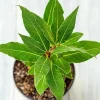
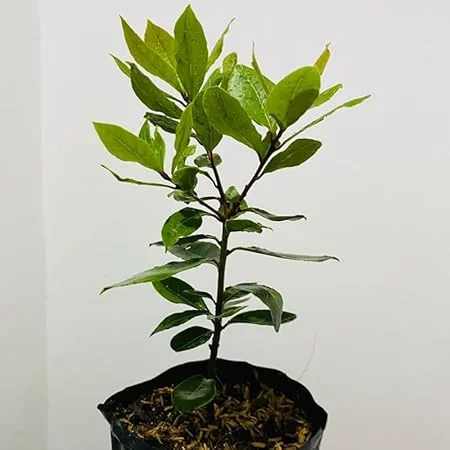
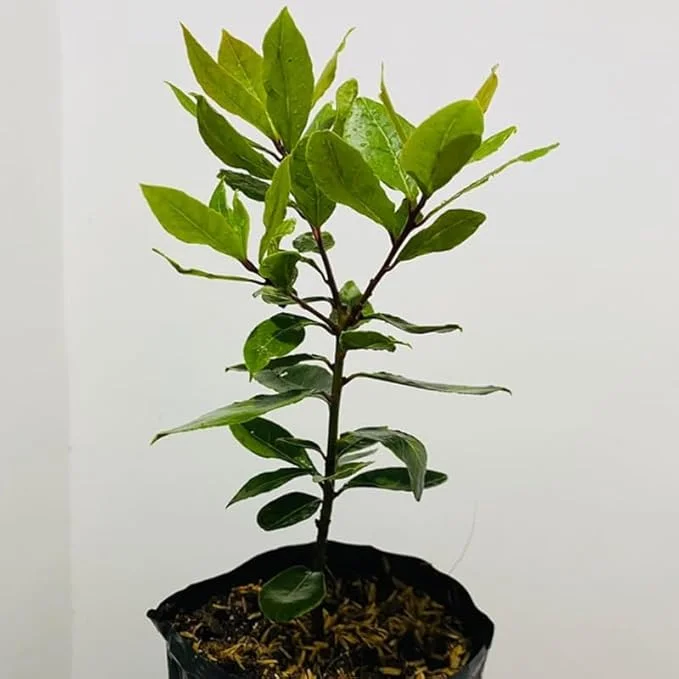
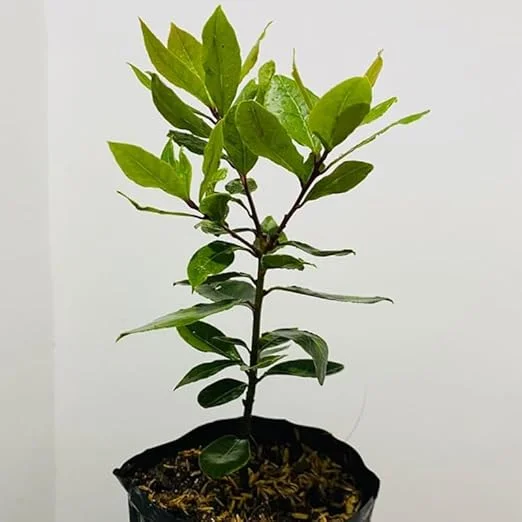
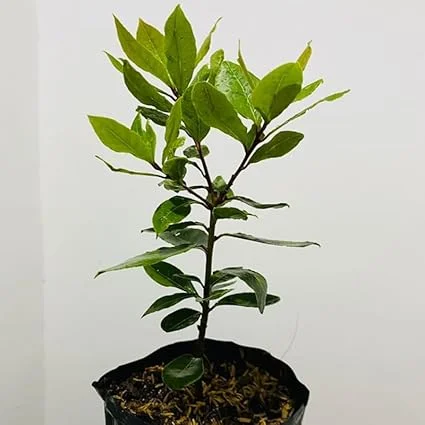
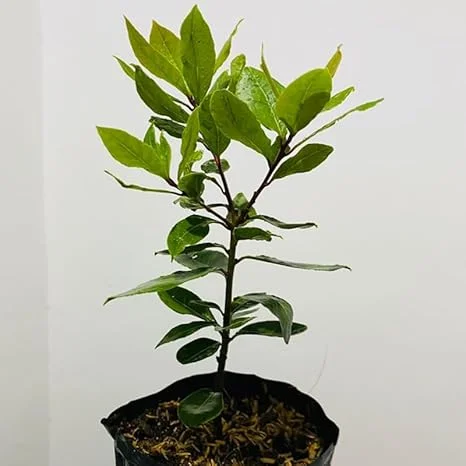
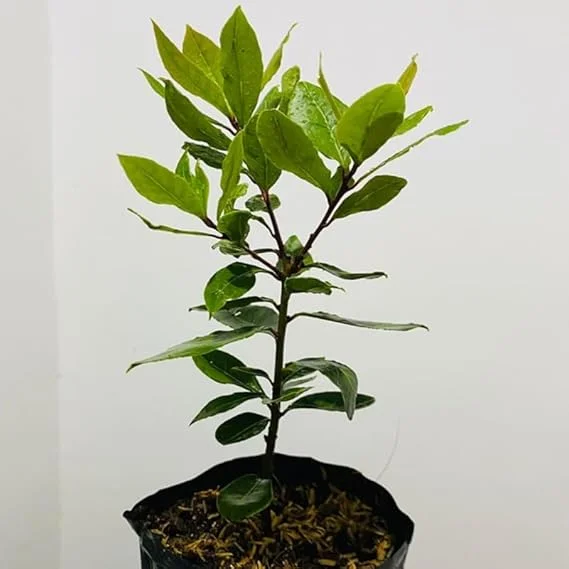
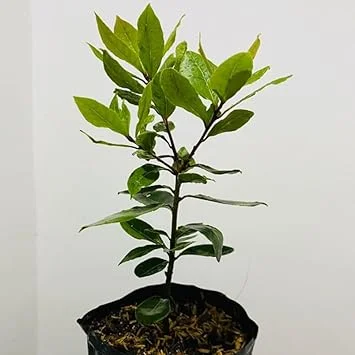
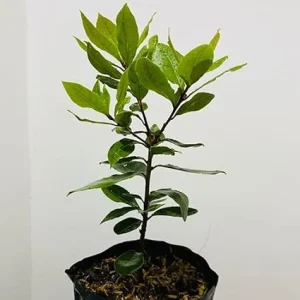
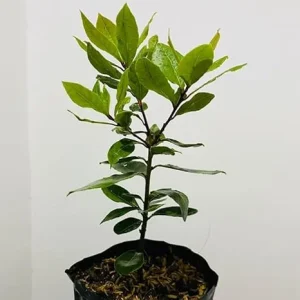
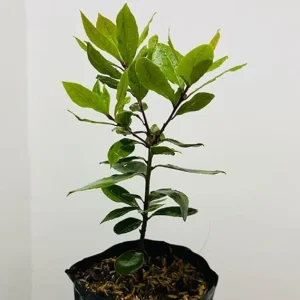
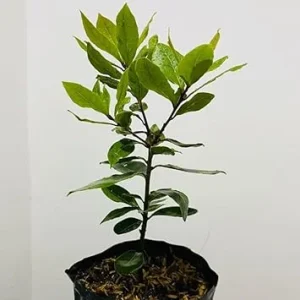
Bring the delightful aroma and culinary versatility of a sweet bay laurel live plant into your home or garden. This 1-year-old Laurus Nobilis specimen is a robust and healthy herb, ready to thrive in its new environment. Known for its glossy, evergreen leaves, the bay laurel is a staple in many kitchens, adding a rich, herbaceous flavor to soups, stews, and sauces. Beyond its culinary uses, this plant also serves as an attractive ornamental, whether grown as a potted plant indoors or as a shrub in your outdoor landscape. Our sweet bay laurel live plant ships at an ideal size of 8-10 inches tall, measured from the bottom of the pot, ensuring it’s established enough to continue growing beautifully.
The laurus nobilis plant is revered not only for its practical applications but also for its historical significance and elegant appearance. Its compact growth habit makes it suitable for various settings, from a sunny kitchen windowsill to a protected patio. This particular specimen is a 1-year-old plant, meaning it has developed a strong root system and is past its most delicate seedling stage, making it more resilient and easier for you to grow successfully. Whether you’re an experienced gardener or just starting your herb collection, this bay leaf herb plant is an excellent choice for adding both beauty and utility to your space.
Key Benefits
The sweet bay laurel live plant offers a multitude of benefits, from enhancing your culinary creations to beautifying your living space. Its evergreen foliage ensures year-round interest, while its hardy nature makes it a rewarding plant to cultivate.
-
Culinary Excellence: Harvest fresh bay leaves directly from your plant to infuse your dishes with a classic, aromatic flavor. These leaves are essential for many Mediterranean and European cuisines, adding depth to stews, roasts, and sauces. You’ll always have fresh bay leaves on hand, elevating your home cooking.
-
Aromatic & Ornamental: The glossy, dark green leaves of the laurus nobilis plant are not only fragrant but also highly decorative. It can be shaped into beautiful topiaries or kept as a natural shrub, making it a stunning addition to patios, balconies, or indoor plant collections. Its elegant appearance is a constant source of visual pleasure.
-
Versatile Growing: This bay laurel is suitable for both indoor and outdoor cultivation, adapting well to various environments. In cooler zones, it thrives as an indoor potted plant, while in warmer climates, it can be a beautiful addition to garden beds, making it a truly adaptable choice for many gardeners. This versatility makes it ideal for those interested in an indoor bay laurel or outdoor bay laurel.
-
Established Growth: As a 1-year-old plant, it comes with a developed root system, offering a head start compared to younger seedlings. This maturity contributes to its resilience and makes it easier to establish in your preferred growing location, reducing the initial care demands.
-
Low Maintenance Herb: Once established, the bay laurel is relatively easy to care for, requiring moderate watering and well-drained soil. It’s a forgiving plant that rewards consistent care with bountiful, fragrant leaves, making it perfect for both novice and experienced herb growers.
Plant Care & Growing Tips
Caring for your sweet bay laurel live plant is straightforward, ensuring you enjoy its beauty and bounty for years to come. Understanding its basic needs will help it flourish, whether you choose to grow it as an indoor bay laurel or as an outdoor bay laurel.
Sunlight Requirements: Bay laurel plants thrive in full sun to partial shade. This means at least 6 hours of direct sunlight per day for optimal growth, especially if you’re growing it outdoors. If grown indoors, place your laurus nobilis plant near a south or west-facing window where it can receive bright, indirect light for most of the day. Rotate the pot occasionally to ensure even growth. While it tolerates some shade, too little light can lead to sparse foliage and reduced vigor.
Watering and Soil: The bay laurel prefers consistently moist, but not waterlogged, soil. Water thoroughly when the top inch of soil feels dry to the touch, ensuring good drainage. Avoid letting the pot sit in standing water, as this can lead to root rot. Well-drained, loamy soil is ideal for this plant. A sandy soil type can also be beneficial, as it promotes good drainage. When potting, use a high-quality potting mix with good aeration. For outdoor planting, amend heavy clay soils with compost and sand to improve drainage.
Temperature and Hardiness: This plant is hardy in USDA zones 8-11, making it suitable for outdoor planting in warmer climates. In cooler zones (below USDA Zone 8), it’s best grown in containers and brought indoors before the first frost. Indoors, maintain a consistent room temperature, avoiding extreme fluctuations. Protect outdoor plants from harsh winter winds. Fertilize your bay leaf herb plant every 2-4 weeks during the growing season (spring and summer) with a balanced liquid fertilizer, reducing frequency in fall and winter. Watch out for common pests like scale insects or mealybugs; treat them promptly with insecticidal soap if observed.
Size & Details
Your sweet bay laurel live plant arrives as a healthy, established 1-year-old specimen, ranging from 8 to 10 inches in height, measured from the bottom of its nursery pot. This size ensures a robust plant with a well-developed root system, ready for successful transplanting into your desired container or garden bed. The plant is typically shipped in its nursery pot, with soil intact, to minimize transplant shock and ensure its vitality upon arrival.
Bay laurel (Laurus Nobilis) is a moderately growing evergreen shrub or small tree. When mature, it can reach heights of 10-20 feet outdoors if left unpruned, but it is easily maintained at a smaller size through regular pruning, especially when grown in containers as an indoor bay laurel. Expect new growth and fragrant leaves to emerge throughout the growing season, providing a continuous supply for your culinary needs. The exact dimensions upon arrival will vary slightly, but all plants are carefully selected to meet our quality standards.
Frequently Asked Questions
-
Q: How big does this sweet bay laurel live plant get? A: If grown outdoors in suitable climates and left unpruned, it can eventually reach heights of 10-20 feet. However, when grown in a pot, especially as an indoor bay laurel, its size can be easily managed through pruning, typically staying within 2-6 feet.
-
Q: What size pot does it come in? A: The plant typically arrives in a standard nursery pot, usually 4-6 inches in diameter, suitable for its current 8-10 inch height. You should plan to repot it into a slightly larger container upon arrival to allow for root growth.
-
Q: Is this an indoor or outdoor plant? A: The laurus nobilis plant is versatile. It can be grown outdoors year-round in USDA Zones 8-11. In cooler zones, it thrives as an indoor potted plant or can be moved outdoors during warm months and brought inside for winter.
-
Q: How much sunlight does it need? A: Bay laurel prefers full sun to partial shade, ideally receiving at least 6 hours of direct sunlight daily for best growth. If growing indoors, place it in a bright location, such as near a south or west-facing window.
-
Q: Is this bay leaf herb plant easy to care for? A: Yes, once established, bay laurel is considered a relatively low-maintenance plant. It requires consistent moisture, good drainage, and adequate sunlight, making it suitable for gardeners of various experience levels.
-
Q: What condition will it arrive in? A: Your plant will arrive healthy and well-packaged in its nursery pot with soil, ready for transplanting. We take great care to ensure the plant is protected during transit to minimize stress.
-
Q: Can I use the leaves from this plant for cooking? A: Absolutely! This is the true Laurus Nobilis, the culinary bay laurel. The leaves are perfect for adding their distinctive flavor to a wide range of dishes, from soups and stews to sauces and roasts.
-
Q: When is the best time to plant? A: For outdoor planting in suitable zones, spring or early fall is ideal. If growing indoors, you can plant it any time of year, ensuring it has adequate light and proper care.
-
Q: What’s the minimum temperature it can tolerate? A: The bay laurel can tolerate temperatures down to about 20°F (-6°C) in USDA Zone 8. Below this, it should be brought indoors or provided with significant winter protection to prevent frost damage.
-
Q: Is this plant pet-safe? A: While bay laurel leaves are used in cooking, large quantities can be toxic to pets if ingested. It’s always best to keep plants out of reach of curious pets or consult with a veterinarian for specific concerns about your animals.


Reviews
There are no reviews yet.