Overview
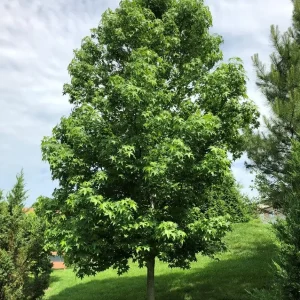
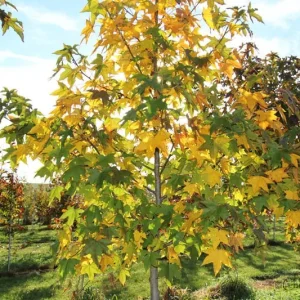
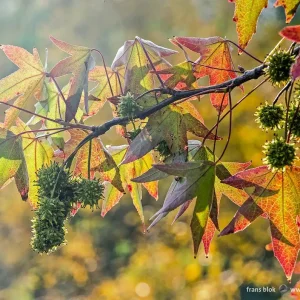
Transform your outdoor space with the magnificent sweet gum tree bare root, scientifically known as Liquidambar styraciflua tree. This impressive deciduous tree is celebrated for its striking fall foliage, which often displays a breathtaking array of red, orange, yellow, and purplish colors simultaneously on a single plant. The American sweetgum is easily recognizable by its unique, spiky, gumball-like fruits that persist into winter, adding textural interest to the garden. These trees are a fantastic choice for those looking to add significant visual impact and seasonal beauty to their landscape. As a bare-root specimen, this sweet gum tree bare root offers an economical and effective way to establish a robust tree that will grow into a cherished feature in your yard for years to come. With its distinctive star-shaped leaves and attractive bark, the sweetgum is a truly captivating addition to any garden.
Key Benefits
The sweet gum tree bare root offers numerous advantages for any landscape, making it a highly desirable choice for gardeners and homeowners alike. Its unique characteristics contribute both aesthetic appeal and ecological benefits to your environment.
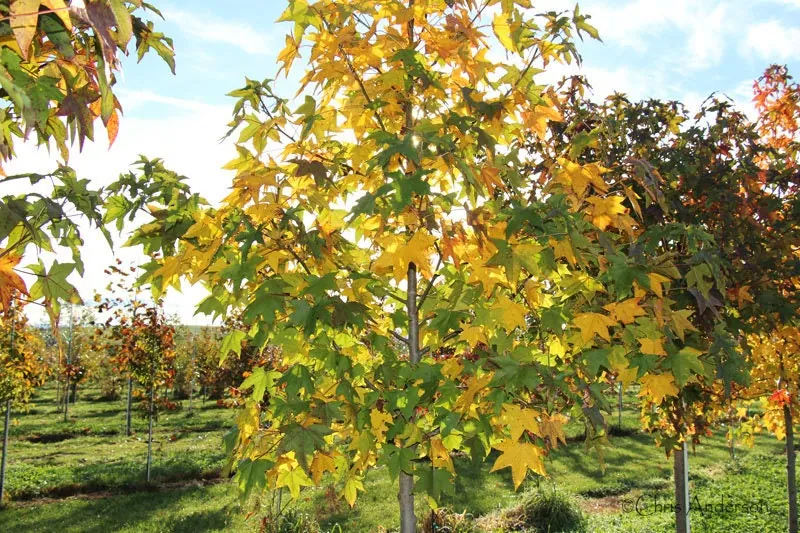
- Spectacular Fall Foliage: The primary draw of the sweet gum tree is its unmatched autumn display. Leaves transition into a vibrant palette of red, orange, yellow, and deep purple, providing a stunning visual spectacle that lasts for weeks. This makes it an ideal choice for creating a dramatic focal point in your yard.
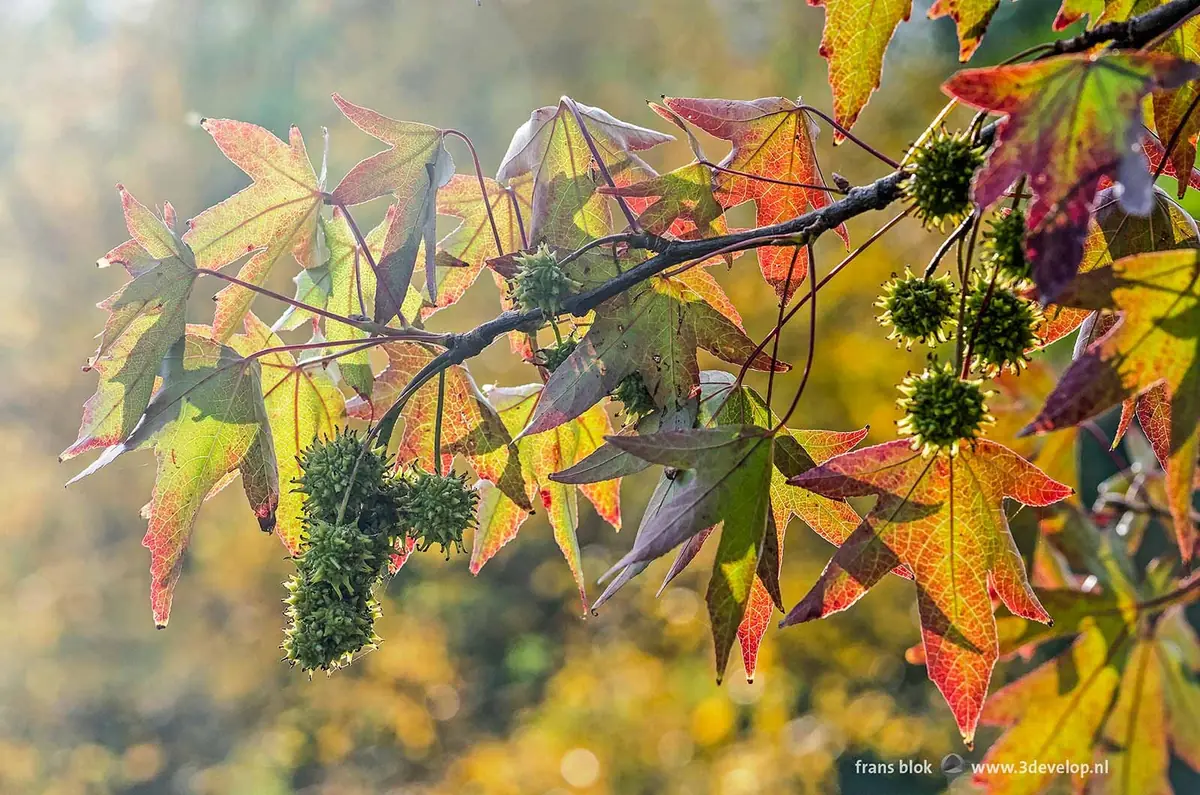
- Distinctive Star-Shaped Leaves: Its five to seven-lobed, star-shaped leaves are a defining feature, providing interesting texture and form throughout the growing season. This unique leaf shape adds a sophisticated touch to your garden’s aesthetic.
- Architectural Winter Interest: Even after the leaves fall, the tree offers visual appeal with its corrugated bark and persistent, spiky gumball-like fruits. These dark brown, spherical fruits, up to 1.5 inches in diameter, add a unique architectural element to the winter landscape.
- Fast Growing and Hardy: The Liquidambar styraciflua tree is known for its relatively fast growth rate and adaptability to various soil conditions once established. This makes it a reliable choice for quickly establishing a mature tree canopy.
- Wildlife Attraction: The unique fruits of the sweetgum can provide a food source for certain wildlife, contributing to the biodiversity of your garden environment.
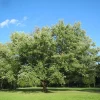
- Shade Provider: As it matures, the American sweetgum develops a broad canopy, offering excellent shade during hot summer months, which can help reduce cooling costs for homes.
- Low Maintenance: Once established, caring for an American sweetgum care is relatively straightforward, requiring minimal intervention beyond basic watering and occasional pruning.
Plant Care & Growing Tips
Proper American sweetgum care is crucial for ensuring your bare-root tree thrives and develops into a magnificent specimen. The sweet gum tree bare root is generally robust, but understanding its specific needs will lead to the best results. When considering planting sweetgum tree, choose a location that receives full sun to partial shade; full sun (at least 6 hours of direct sunlight daily) will encourage the most vibrant fall colors. It prefers moist, well-drained, acidic loamy soils but can tolerate a range of soil types, including clay, sand, and even wet conditions, though it dislikes highly alkaline soils. Ensure the planting site has good drainage to prevent root rot, especially for young trees.
Upon arrival, soak the bare roots in water for a few hours before planting. Dig a hole that is twice as wide as the root spread and deep enough so that the root collar (where the roots meet the stem) is at soil level. Backfill with native soil, gently tamping down to remove air pockets. Water thoroughly after planting. During the first year, consistent watering is key to establishment; aim for deep watering once or twice a week, especially during dry spells. Mulching around the base of the tree will help retain soil moisture and regulate soil temperature. Fertilization is generally not necessary in the first year if planted in fertile soil, but mature trees can benefit from a balanced, slow-release fertilizer in early spring. Prune in late winter or early spring to remove dead, damaged, or crossing branches, and to shape the tree. While the tree is generally disease-resistant, monitor for common tree pests and diseases. Understanding planting sweetgum tree techniques and ongoing care will ensure a healthy, beautiful addition to your landscape.
Size & Details
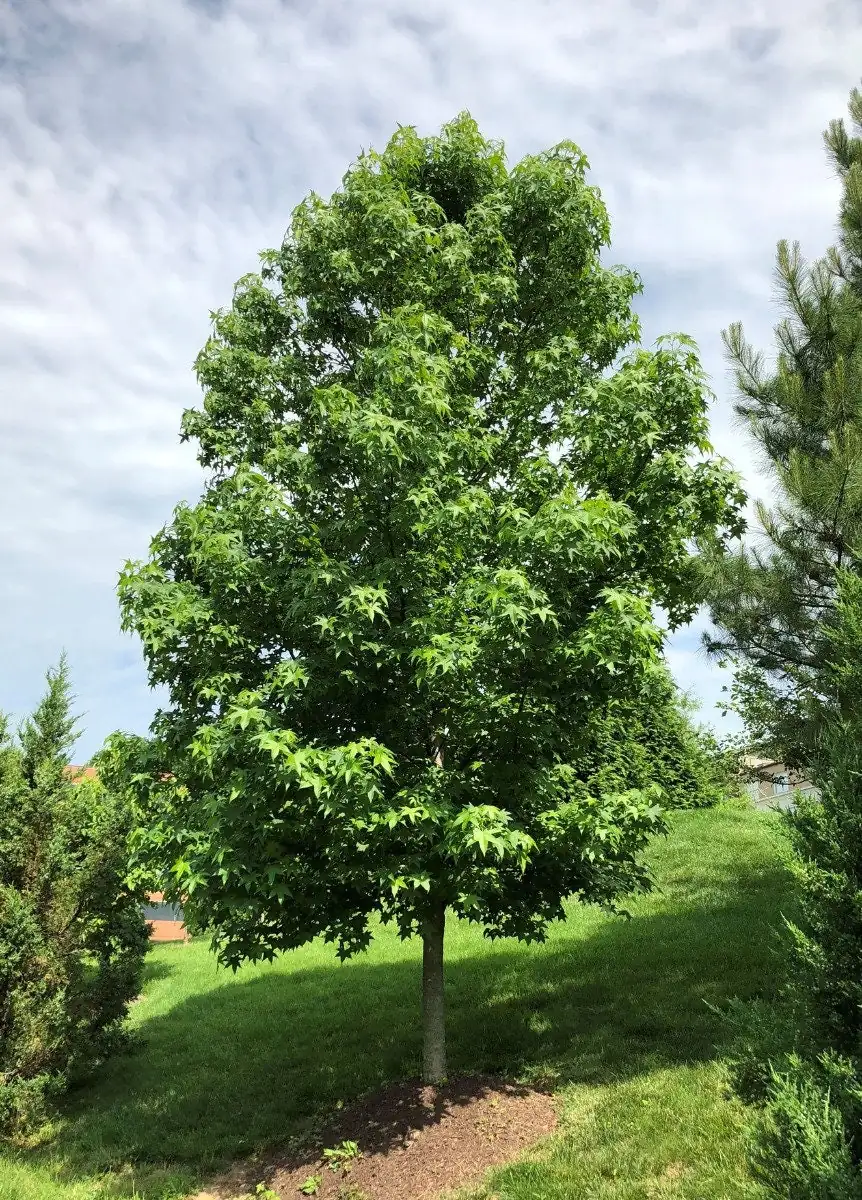
This offering includes 2 sweet gum tree bare root saplings, ready for planting to establish quickly in your garden. As a bare-root plant, it is shipped without soil around its roots, allowing for easier transport and often more vigorous initial growth once planted. Sweet gum trees are known for their impressive size at maturity, typically reaching heights of 60 to 80 feet, with some specimens growing up to 100 feet tall. They develop a spread of 40 to 50 feet, forming a broad, pyramidal crown. The growth rate is considered medium to fast, often adding 1 to 2 feet per year under ideal conditions. Expect to see the first signs of lush foliage in the spring following planting, with the iconic fall color developing in subsequent years as the tree establishes. The spiky, gumball-like fruits begin to appear on mature trees, providing unique visual interest throughout the dormant season.
Frequently Asked Questions
- Q: How big does this sweet gum tree get? A: A mature sweet gum tree bare root typically reaches heights of 60 to 80 feet, and can sometimes grow up to 100 feet tall, with a spread of 40 to 50 feet. It’s a large shade tree suitable for spacious landscapes.
- Q: What size bare roots are included? A: This listing is for 2 bare-root saplings. The exact size of the bare roots can vary, but they are typically young, dormant trees ready for planting and establishment.
- Q: Is this an indoor or outdoor plant? A: The Liquidambar styraciflua tree is an outdoor deciduous tree, best suited for planting in gardens, parks, or large yards where it has ample space to grow.
- Q: How much sunlight does it need? A: For optimal growth and the most vibrant fall colors, the sweet gum tree bare root prefers full sun, meaning at least 6 hours of direct sunlight per day. It can tolerate partial shade, but fall color may be less intense.
- Q: Is this tree easy to care for? A: Once established, American sweetgum care is relatively low maintenance. Young trees require consistent watering during their first year, but mature trees are quite adaptable and resilient.
- Q: What condition will it arrive in? A: As a bare-root plant, your sweet gum tree will arrive dormant, with its roots free of soil and carefully packaged to maintain moisture during transit. This is a common and effective way to ship deciduous trees.
- Q: When is the best time for planting sweetgum tree? A: The ideal time for planting sweetgum tree bare roots is in late winter or early spring, before the tree breaks dormancy and begins to leaf out. This gives the roots time to establish before the stress of summer heat.
- Q: What USDA hardiness zones is the sweet gum tree suitable for? A: The Liquidambar styraciflua tree is generally hardy in USDA Zones 5-9, making it suitable for a wide range of climates across the United States.
- Q: Does the sweet gum tree produce flowers? A: Sweet gum trees produce inconspicuous green flowers in spring, but they are not showy. The tree is primarily valued for its foliage and unique fruits rather than its blooms.
- Q: What kind of soil does it prefer? A: The sweet gum tree prefers moist, well-drained, acidic, loamy soils but is quite adaptable to various soil types, including clay and sandy soils, as long as drainage is adequate.


Reviews
There are no reviews yet.