Overview
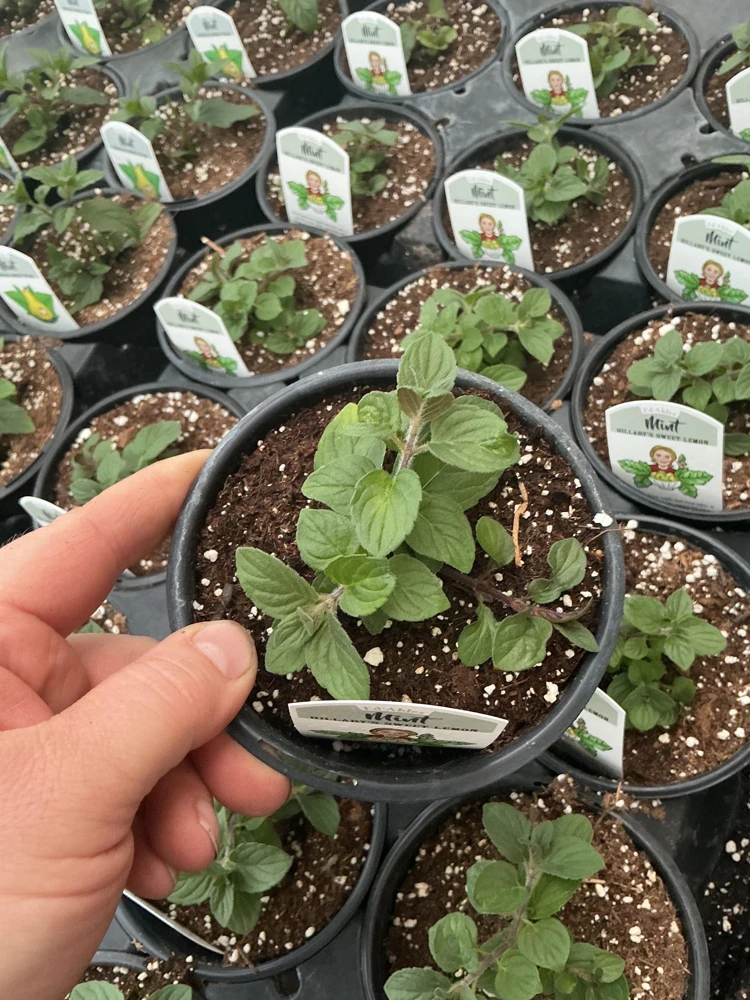
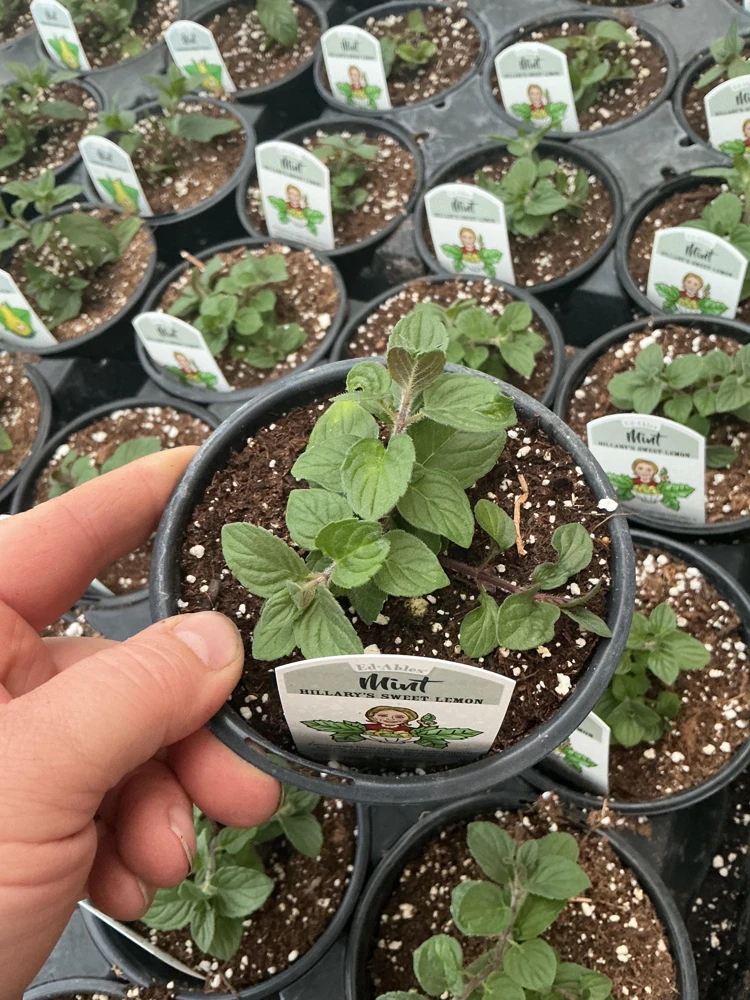
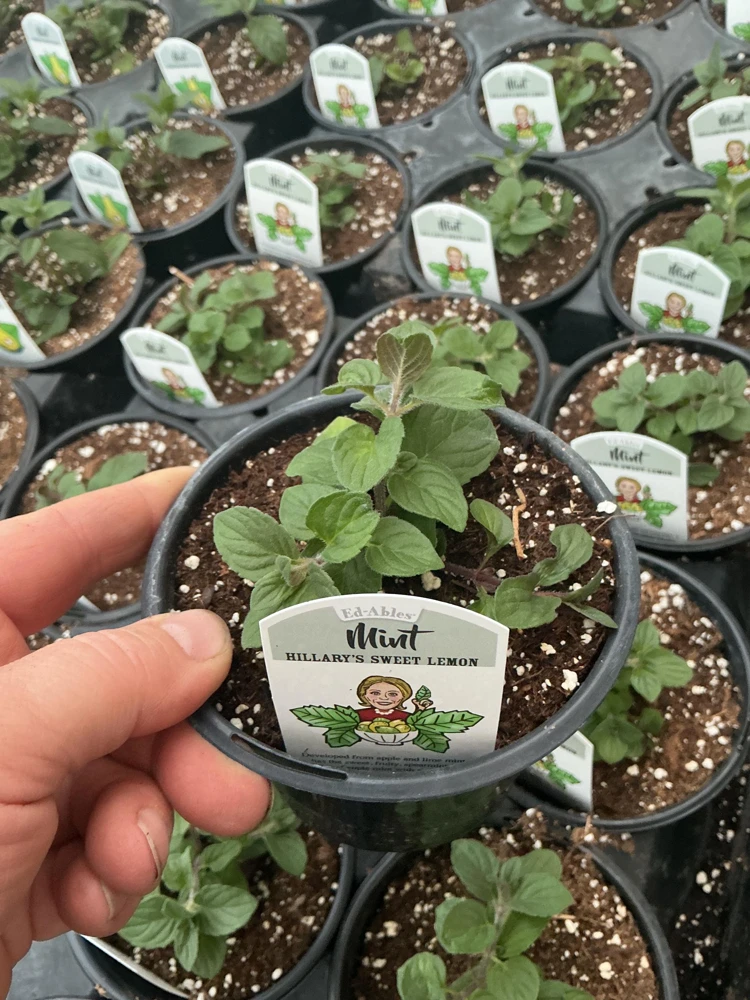
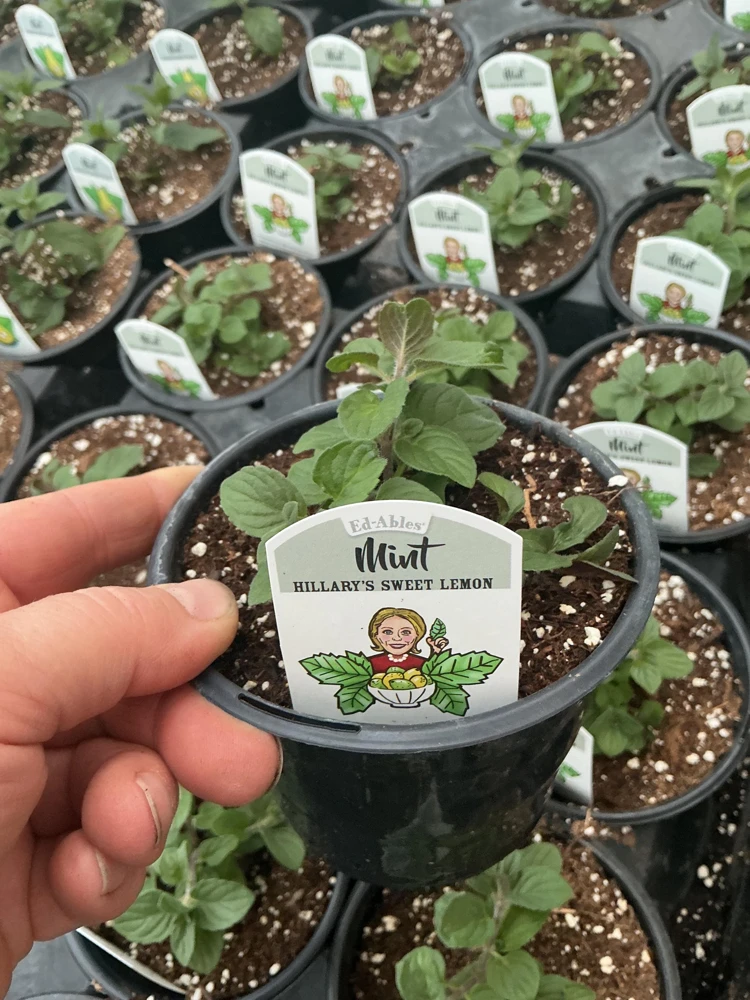
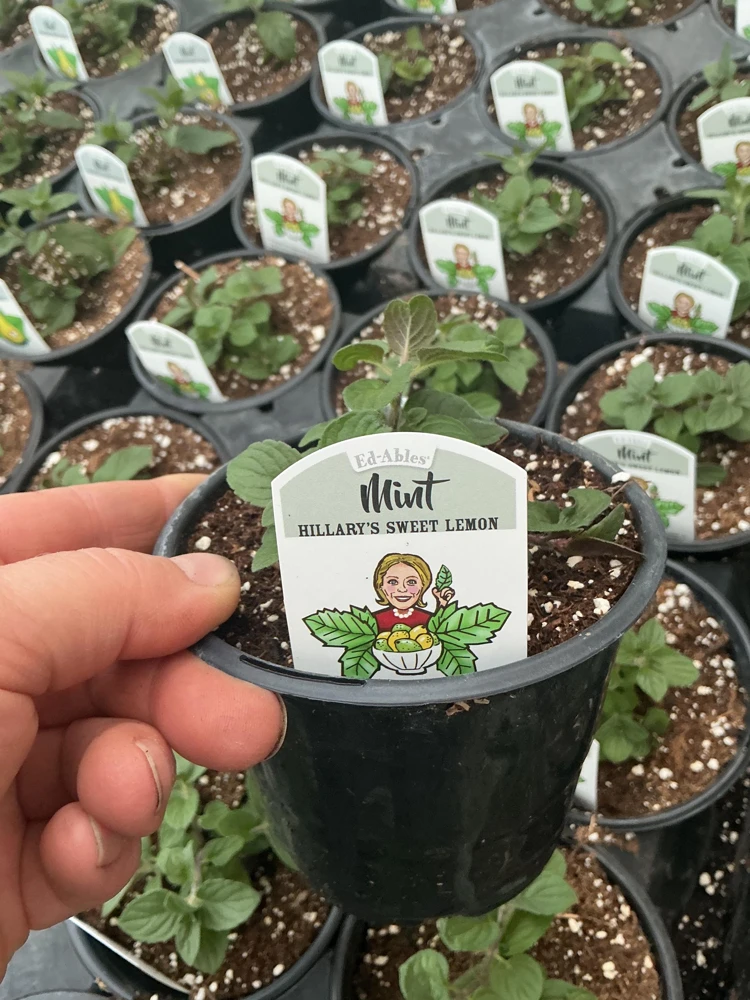
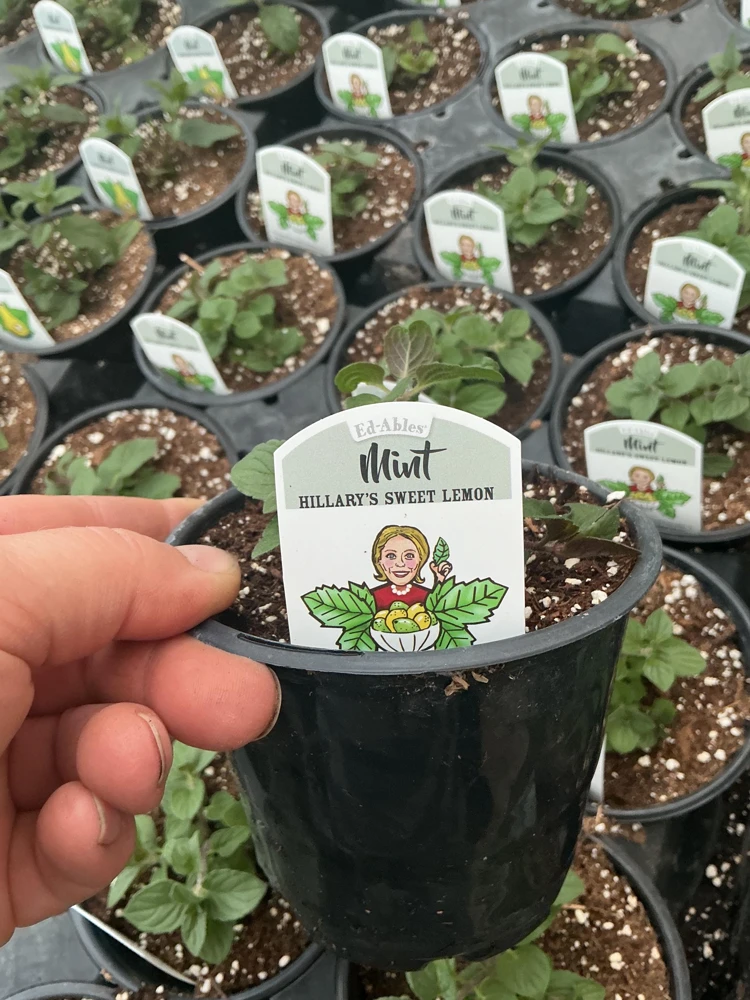
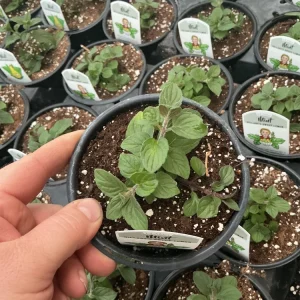
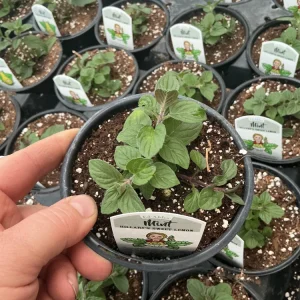
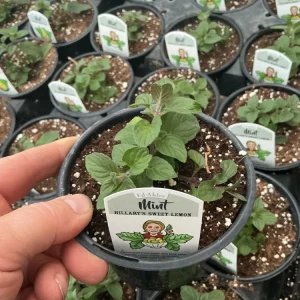
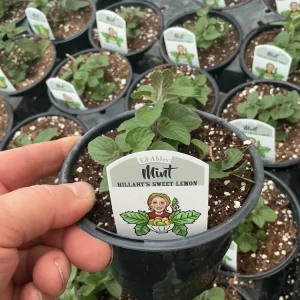
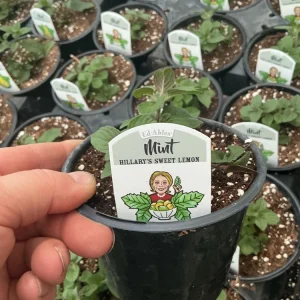
Introduce a burst of refreshing flavor and aroma to your home or garden with our exquisite sweet lemon mint live plant. This delightful herb, known for its bright citrusy notes combined with classic mint undertones, is a must-have for any culinary enthusiast or gardener seeking fragrant foliage. Our live plants are well-established, arriving healthy and ready to thrive in your chosen spot. The sweet lemon mint live plant is a versatile addition, perfect for enhancing your cooking, brewing soothing teas, or simply enjoying its invigorating scent. It’s an easy-to-care-for perennial that brings beauty and utility to any space, whether you plant it in a container on your patio or integrate it into your herb garden. Cultivating this plant allows you to enjoy fresh, organic flavors right at your fingertips, making every meal and beverage a little more special. Its vigorous growth and pleasant aroma make it a joy to nurture and a standout in any collection of herbs.
Key Benefits
The sweet lemon mint live plant offers a multitude of benefits, from its culinary versatility to its aromatic presence, making it a valuable addition to your plant collection. Its unique flavor profile and ease of growth appeal to both novice and experienced gardeners.
- Culinary Versatility: This plant is a chef’s delight. The leaves of your sweet lemon mint live plant can be used to elevate a wide array of dishes, from savory meats and fish to refreshing salads and desserts. Its bright, zesty flavor adds a unique twist that regular mint cannot provide, making your recipes truly stand out.
- Aromatic Delight: Crushing the leaves releases a wonderfully uplifting fragrance that combines the crispness of lemon with the coolness of mint. This natural aroma can freshen up any indoor space or add a pleasant scent to your garden, making it a joy to be around.
- Refreshing Teas and Drinks: Fresh leaves from your sweet lemon mint live plant are perfect for brewing invigorating herbal teas, infusing water, or creating unique cocktails and mocktails. Its flavor is particularly refreshing during warm weather, offering a natural and healthy beverage option.
- Easy to Grow: Lemon mint is known for its resilience and adaptability, making it an excellent choice for gardeners of all skill levels. It tolerates a range of conditions and grows vigorously, providing a continuous supply of fresh leaves with minimal effort.
- Attracts Pollinators: When allowed to flower, lemon mint produces small, attractive blooms that can draw beneficial pollinators like bees and butterflies to your garden, contributing to a healthier ecosystem.
- Natural Pest Deterrent: The strong aroma of mint plants can naturally deter certain garden pests, helping to protect nearby plants without the need for chemical sprays.
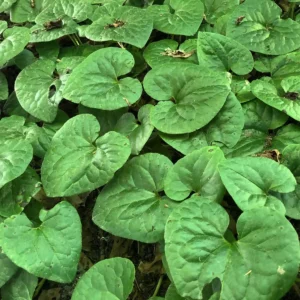
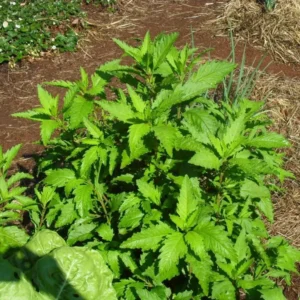
- Decorative Appeal: With its vibrant green foliage, the sweet lemon mint live plant adds a touch of natural beauty to windowsills, patios, or garden beds. It can be a lovely focal point or a complementary texture in a mixed planter.
Plant Care & Growing Tips
Caring for your sweet lemon mint live plant is straightforward, ensuring you enjoy a bountiful supply of fragrant leaves. Mint plants are generally robust, but providing optimal conditions will lead to the healthiest and most flavorful growth. Understanding its needs will help you maximize its potential and keep it thriving year-round.
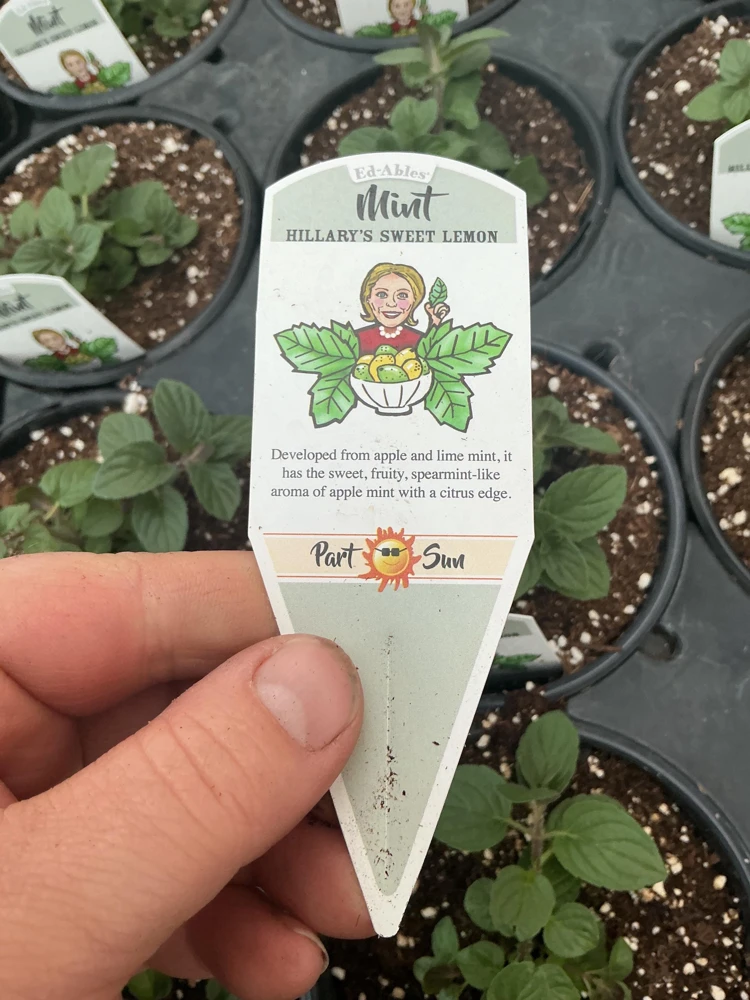
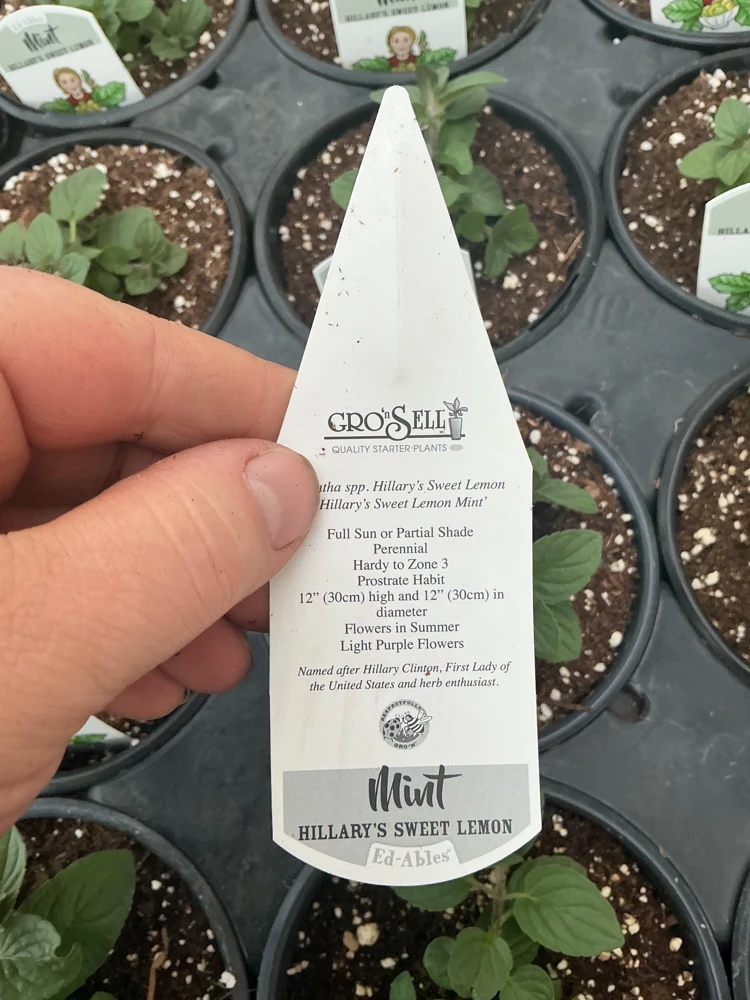
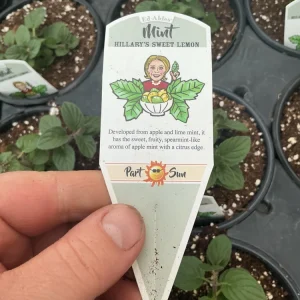
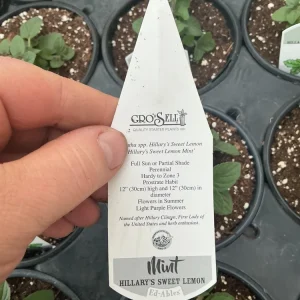
Sunlight Requirements: Sweet lemon mint thrives in full sun to partial shade. For the best flavor and most vigorous growth, aim for at least 4-6 hours of direct sunlight per day. If grown indoors, place it near a south or west-facing window where it can receive bright, indirect light. In very hot climates, some afternoon shade can prevent leaf scorch and keep the plant happy. Adequate light is crucial for developing the essential oils that give this herb its distinctive aroma and taste.
Watering Schedule and Soil Moisture: Keep the soil consistently moist but not waterlogged. Water your sweet lemon mint live plant when the top inch of soil feels dry to the touch. During hot, dry periods, it may need daily watering. Ensure good drainage to prevent root rot, which mint plants are susceptible to if their roots sit in standing water. Reduce watering slightly during cooler months when the plant’s growth slows down. A good way to check is to stick your finger into the soil; if it feels dry, it’s time to water.
Soil Type and Drainage Requirements: This herb prefers well-draining, fertile soil rich in organic matter. A standard potting mix amended with some compost works well for container growing. In the garden, ensure the soil is loose and drains freely. Heavy clay soils should be amended with compost or sand to improve drainage. The ideal pH for lemon mint is slightly acidic to neutral (6.0-7.0).
Temperature Range and USDA Hardiness Zone: Sweet lemon mint is a hardy perennial typically thriving in USDA Zones 5-9. It prefers moderate temperatures and can tolerate light frost. In colder climates, it may die back to the ground in winter but usually re-emerges in spring. For indoor plants, maintain average room temperatures between 60-75°F (15-24°C). Protect outdoor plants from severe winter conditions with a layer of mulch.
Fertilization Schedule and Type: Mint plants are not heavy feeders. If planted in rich soil, they may not need much fertilizer. For container-grown plants or those in less fertile soil, a balanced liquid fertilizer diluted to half strength can be applied every 4-6 weeks during the growing season (spring and summer). Avoid over-fertilizing, as this can lead to lush foliage but diminished flavor. Regular harvesting also encourages bushier growth and reduces the need for excessive feeding.
Common Problems and Solutions: Watch out for common mint pests like spider mites, aphids, and whiteflies. These can usually be managed with insecticidal soap or a strong spray of water. Fungal diseases like powdery mildew can occur in high humidity; ensure good air circulation and avoid overhead watering. Mint can be invasive in garden beds, so consider planting it in containers or using root barriers to control its spread. Regular pruning helps maintain plant health and prevents it from becoming leggy. Proper lemon mint plant care ensures a thriving, flavorful herb.
Size & Details
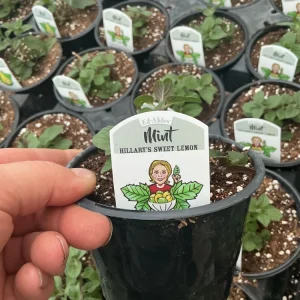
Your sweet lemon mint live plant will arrive well-established and actively growing in a 4.5-inch plastic nursery pot. This size provides a robust root system, ensuring the plant is ready for transplanting into a larger container or directly into your garden. At the time of shipment, plants typically stand between 6-10 inches tall, with healthy, vibrant green foliage. Lemon mint is a moderately fast grower, and with proper care, it can quickly fill out its space. It typically forms a bushy habit, reaching a mature height of 18-24 inches and a similar spread if given ample room. When planting, allow enough space for this growth to ensure good air circulation. Expect your plant to begin producing an abundance of aromatic leaves shortly after arrival, providing you with fresh herbs throughout the growing season. This fragrant herb plant is an excellent choice for those looking for both beauty and utility in their garden.
Frequently Asked Questions
- Q: How big does this sweet lemon mint plant get? A: A mature sweet lemon mint live plant typically reaches a height of 18-24 inches and can spread similarly. Its size can be managed with regular pruning and harvesting, which also encourages bushier growth.
- Q: What size pot does it come in? A: Your sweet lemon mint live plant will be delivered in a 4.5-inch plastic nursery pot, which is a good size for established young plants ready for transplanting.
- Q: Is this an indoor or outdoor plant? A: Sweet lemon mint can thrive both indoors and outdoors. Outdoors, it performs well in garden beds or containers. Indoors, place it near a sunny window where it receives ample light. This makes growing lemon mint flexible for various environments.
- Q: How much sunlight does it need? A: For optimal growth and flavor, this plant requires at least 4-6 hours of direct sunlight daily. It can tolerate partial shade, especially in hotter climates, but full sun encourages the best development of its aromatic oils.
- Q: Is this plant easy to care for? A: Yes, sweet lemon mint is considered an easy-to-care-for plant, making it suitable for beginners. It’s quite resilient and forgiving, requiring consistent moisture and adequate sunlight to thrive.
- Q: What condition will it arrive in? A: Your plant will arrive as a well-established, live plant in its nursery pot, carefully packaged to ensure it reaches you in healthy, vibrant condition, ready to continue growing.
- Q: Is it shipped in soil? A: Yes, the sweet lemon mint live plant is shipped actively growing in its 4.5-inch nursery pot with its original soil, ensuring minimal transplant shock upon arrival.
- Q: Can I use lemon mint in cooking? A: Absolutely! Lemon mint culinary uses are extensive. Its leaves are fantastic for flavoring teas, infusing water, garnishing desserts, and adding a unique citrusy-mint note to savory dishes like poultry, fish, and salads.
- Q: Is it pet-safe? A: While mint is generally considered non-toxic to cats and dogs in small quantities, large ingestions can cause mild digestive upset. It’s always best to monitor pets around any plant.
- Q: When is the best time to plant? A: For outdoor planting, spring after the last frost is ideal. If growing indoors, you can plant or repot your sweet lemon mint live plant any time of year.
- Q: Will it survive winter in my zone? A: Sweet lemon mint is hardy in USDA Zones 5-9. In these zones, it will typically die back in winter and regrow in spring. In colder zones, it can be grown as an annual or brought indoors for winter.
- Q: What’s the minimum temperature it can tolerate? A: It can tolerate light frosts, but prolonged freezing temperatures below 20°F (-6°C) can damage the plant. For best results, protect it from hard freezes.


Reviews
There are no reviews yet.