Overview
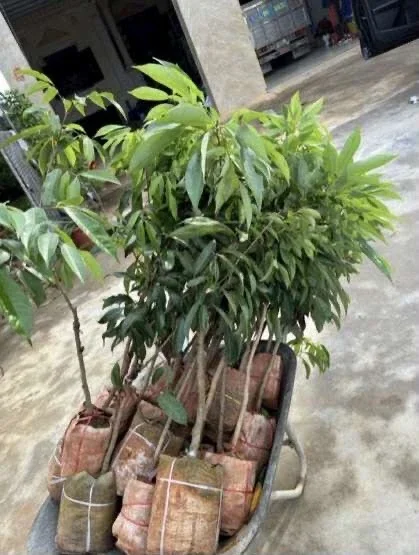
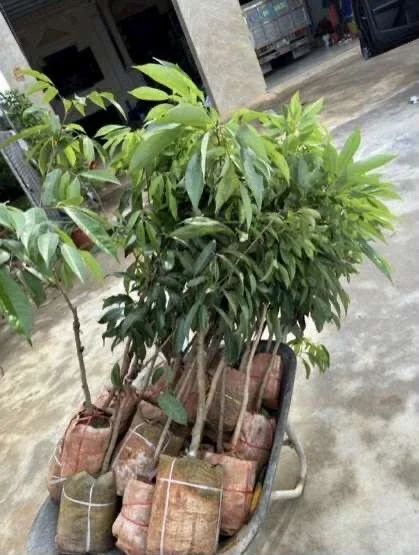
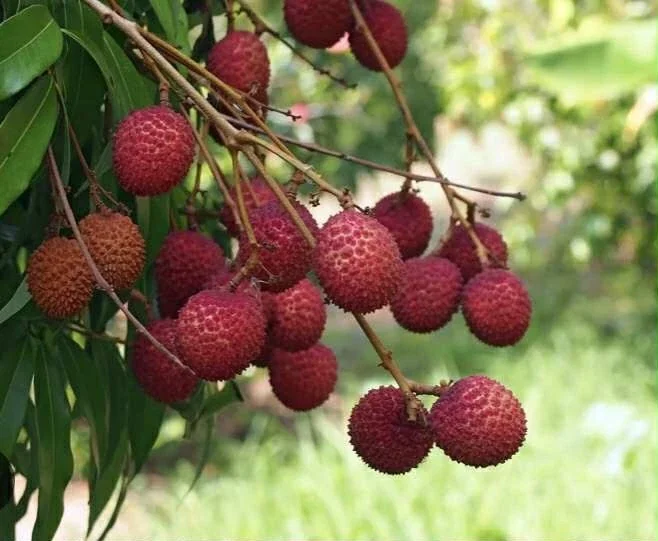
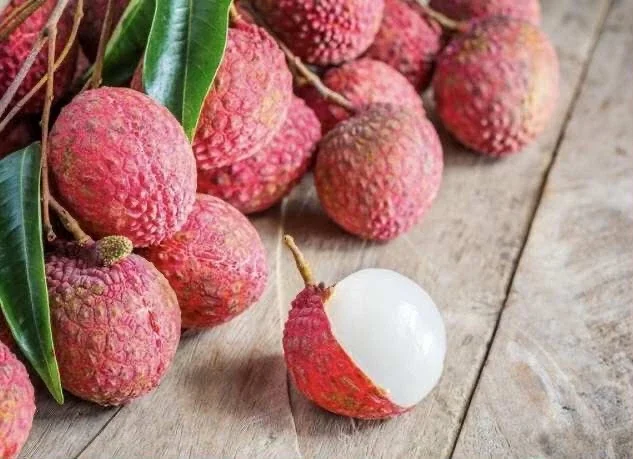
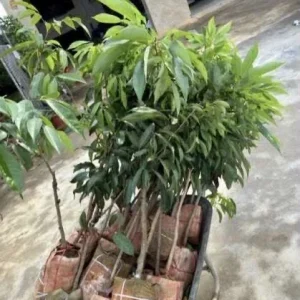
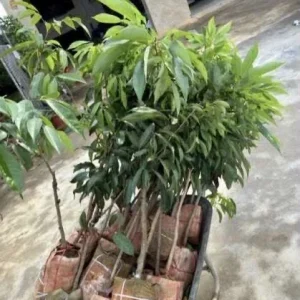
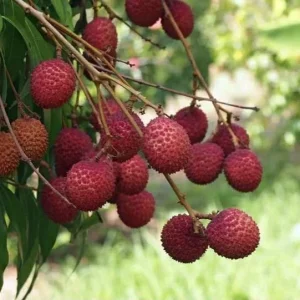
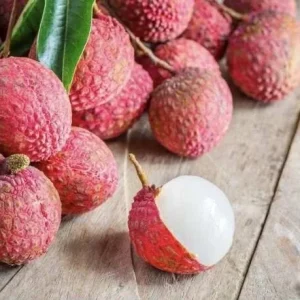
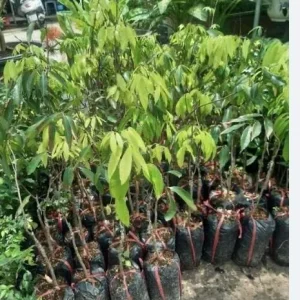
Embark on a rewarding gardening journey with the sweet lychee live plant. This exquisite 2-foot tall tree, propagated through the air-layering method, offers a head start on growing your own delicious tropical fruit. The lychee, scientifically known as Litchi chinensis, is celebrated for its juicy, fragrant, and sweet fruit, encased in a vibrant red, bumpy skin. Originating from Southeast Asia, this tropical fruit tree is a fantastic addition to any garden seeking to add an exotic touch and provide a bountiful harvest of fresh, flavorful lychees. Air-layering ensures that your new tree will bear fruit true to the parent plant’s characteristics and often much sooner than trees grown from seed, making it an ideal choice for enthusiasts eager to enjoy their own harvest.
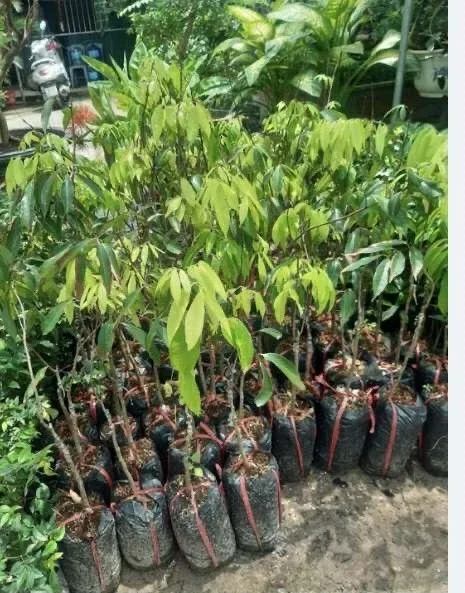
This particular lychee fruit tree is a robust specimen, standing approximately 2 feet (22 inches) tall, making it a manageable size for initial planting and establishment. It is perfect for those who want to cultivate a tropical edible landscape, providing both ornamental beauty and a source of fresh produce. With proper care, this air-layered tree will grow into a productive and attractive feature in your outdoor space, bringing the taste of the tropics right to your backyard.
Key Benefits
Bringing a sweet lychee live plant into your garden offers numerous advantages beyond just its delicious fruit. This tropical gem provides a blend of aesthetic appeal, culinary delight, and environmental benefits. Here are some of the key benefits:
- Delicious Edible Fruit: The primary benefit is undoubtedly the production of sweet, succulent lychee fruit. Homegrown lychees often have a superior flavor and freshness compared to store-bought varieties, allowing you to enjoy their unique taste at its peak.
- Ornamental Value: Beyond its fruit, the lychee tree is an attractive evergreen with lush green foliage, making it a beautiful addition to any landscape. Its dense canopy can provide shade and a touch of tropical elegance to your garden.
- Early Fruiting: As an air-layered lychee tree, it is more mature than a seedling, meaning it will typically begin to produce fruit much earlier. This accelerated growth allows you to enjoy your harvest sooner than with other propagation methods.
- Tropical Ambiance: Cultivating a tropical fruit tree like the lychee instantly transforms your garden into a more exotic and inviting space, enhancing its overall appeal and providing a unique focal point.
- Health Benefits: Lychee fruit is rich in Vitamin C, antioxidants, and other beneficial nutrients, contributing to a healthy diet. Growing your own ensures you have access to fresh, chemical-free fruit.
- Gardening Fulfillment: There’s immense satisfaction in growing lychee and harvesting your own fruit. It’s a rewarding experience that connects you with nature and provides a tangible result of your efforts.
- Environmental Contribution: Like all trees, the lychee contributes to local biodiversity, provides habitat for small wildlife, and helps improve air quality by producing oxygen and absorbing carbon dioxide.
Plant Care & Growing Tips
Caring for your sweet lychee live plant requires attention to its specific tropical needs, but with the right environment, it can thrive and yield abundant fruit. Lychee trees prefer a warm, humid climate and are generally suited for outdoor cultivation in appropriate USDA hardiness zones. This lychee fruit tree will flourish with consistent care.
Sunlight Requirements: Lychee trees need plenty of sun to produce fruit. Plant your tree in a location that receives at least 6-8 hours of direct sunlight per day. While young trees might benefit from some afternoon shade in extremely hot climates, mature trees prefer full sun exposure. Ensure your air-layered lychee has ample light for optimal growth and fruit production.
Watering Schedule and Soil Moisture: Consistent moisture is crucial, especially during the tree’s establishment phase and during fruit development. Water deeply and regularly, ensuring the soil remains evenly moist but not waterlogged. Reduce watering slightly during the cooler, dormant months. Good drainage is key to prevent root rot. As you are growing lychee, monitor the soil moisture closely.
Soil Type and Drainage: Lychees prefer slightly acidic, well-draining soil rich in organic matter. A sandy loam or loamy soil with a pH between 5.5 and 6.5 is ideal. If your soil is heavy clay, amend it with compost and sand to improve drainage. Proper soil preparation is vital for the health of your tropical fruit tree.
Temperature Range and USDA Hardiness Zone: Lychee trees are tropical and thrive in warm temperatures. They are generally hardy in USDA Zones 9-11. They can tolerate brief dips in temperature but are susceptible to frost damage. Protect young trees from cold snaps. Ideal growing temperatures are between 70-95°F (21-35°C).
Fertilization Schedule and Type: Fertilize your lychee tree regularly, especially during the growing season. Use a balanced fertilizer with a slightly higher potassium content as the tree matures and begins to fruit. Apply fertilizer every 2-3 months from spring through fall, following the product’s instructions. Avoid over-fertilizing, which can burn the roots.
Common Problems and Solutions: Watch out for common pests like aphids, scale insects, and mites. Treat infestations with horticultural oil or insecticidal soap. Fungal diseases can occur in overly humid conditions; ensure good air circulation and avoid overhead watering late in the day. Yellowing leaves can indicate nutrient deficiencies or improper watering; adjust your care routine accordingly.
Size & Details
This sweet lychee live plant is an air-layered specimen, which means it has been propagated from a mature parent tree to ensure genetic fidelity and accelerated fruiting. The tree currently stands at an impressive height of approximately 2 feet (22 inches) from the base of the root ball to the top of the foliage. This size makes it well-suited for planting directly into your garden or a larger container upon arrival.
The tree typically arrives with a well-developed root system, ready to establish quickly in its new environment. Lychee trees are known for their moderate growth rate, eventually reaching heights of 20-40 feet in ideal conditions, though they can be kept smaller with regular pruning. This particular tropical fruit tree is shipped as a live plant, usually in a nursery pot or with its root ball carefully wrapped to maintain moisture during transit, ensuring it arrives healthy and ready for planting.
Frequently Asked Questions
- Q: How big does this sweet lychee live plant get? A: This particular tree is 2 feet tall upon arrival. In optimal outdoor conditions, mature lychee trees can reach heights of 20-40 feet, though they can be maintained at a smaller size with regular pruning.
- Q: Is this an indoor or outdoor plant? A: The sweet lychee live plant is best suited for outdoor cultivation in USDA Hardiness Zones 9-11. In colder climates, it can be grown in a large pot and brought indoors during winter, but it thrives outdoors.
- Q: How much sunlight does my lychee fruit tree need? A: Lychee trees require at least 6-8 hours of direct sunlight per day for optimal growth and fruit production. Ensure it’s placed in a sunny location in your garden.
- Q: Is this plant easy to care for? A: While tropical plants require specific conditions, growing lychee is considered moderately easy for gardeners in suitable climates. Consistent watering, adequate sunlight, and proper soil are key.
- Q: What condition will the air-layered lychee arrive in? A: Your air-layered lychee will arrive as a healthy, live plant, typically with its root ball secured to ensure moisture and protection during shipping, ready for immediate planting.
- Q: When is the best time to plant a lychee tree? A: The best time to plant a lychee tree is in spring or early summer, after the last threat of frost has passed, allowing it ample time to establish before cooler weather.
- Q: Can I use lychee fruit in cooking? A: Absolutely! The fruit from your tropical fruit tree is delicious fresh and can also be used in desserts, drinks, salads, and various culinary dishes.
- Q: Will this lychee tree survive winter in my zone? A: Lychee trees are hardy in USDA Zones 9-11. If you are in a colder zone, you will need to provide winter protection or grow it in a container that can be moved indoors.
- Q: How long until this air-layered lychee starts producing fruit? A: Since this is an air-layered tree, it is more mature than a seedling and typically begins to fruit within 2-5 years after planting, much faster than seed-grown trees.
- Q: What kind of soil does a lychee tree prefer? A: Lychee trees prefer slightly acidic, well-draining soil rich in organic matter, with a pH between 5.5 and 6.5.


Reviews
There are no reviews yet.