Overview
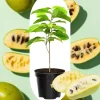
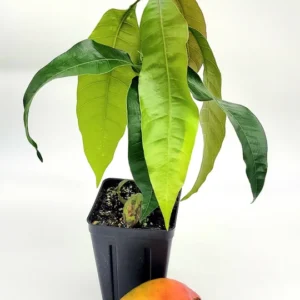
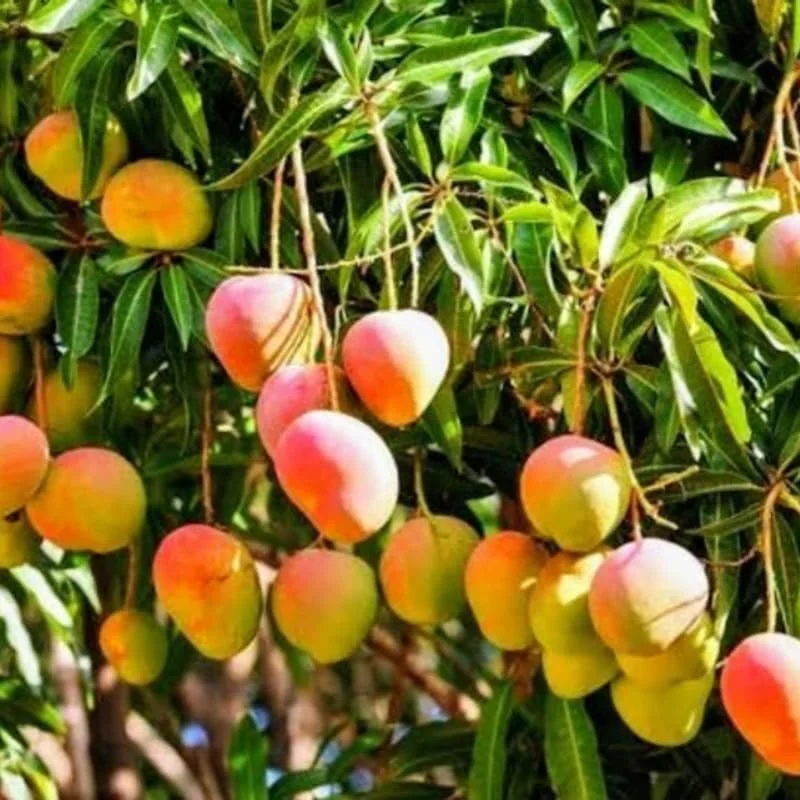
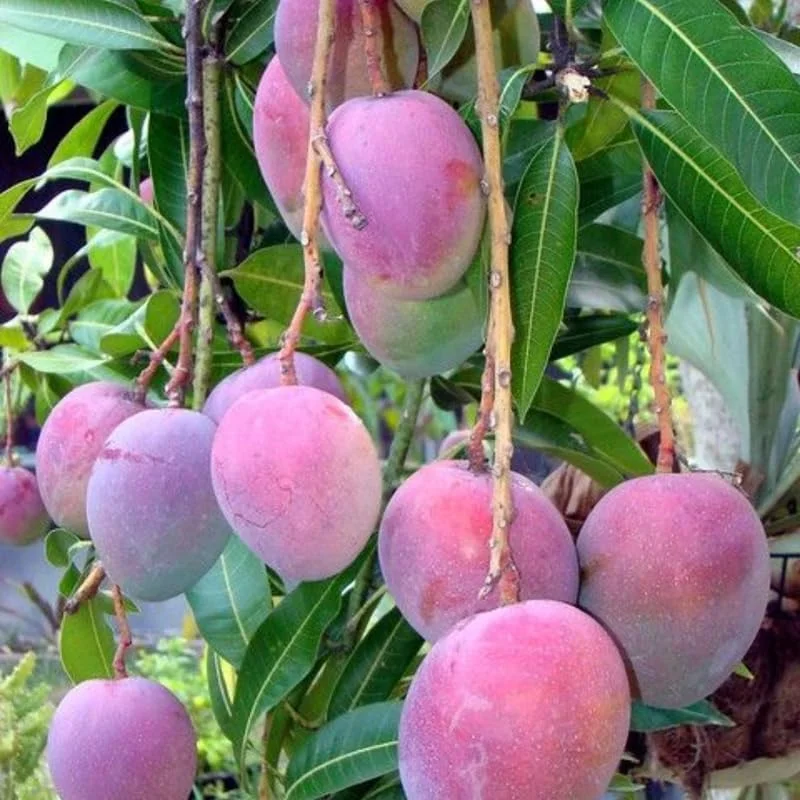
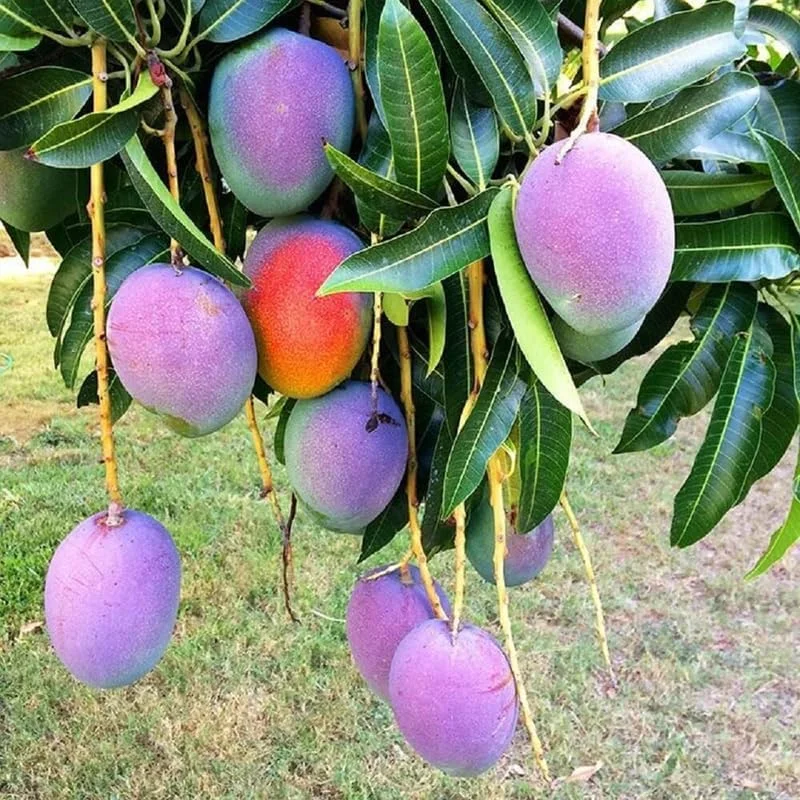
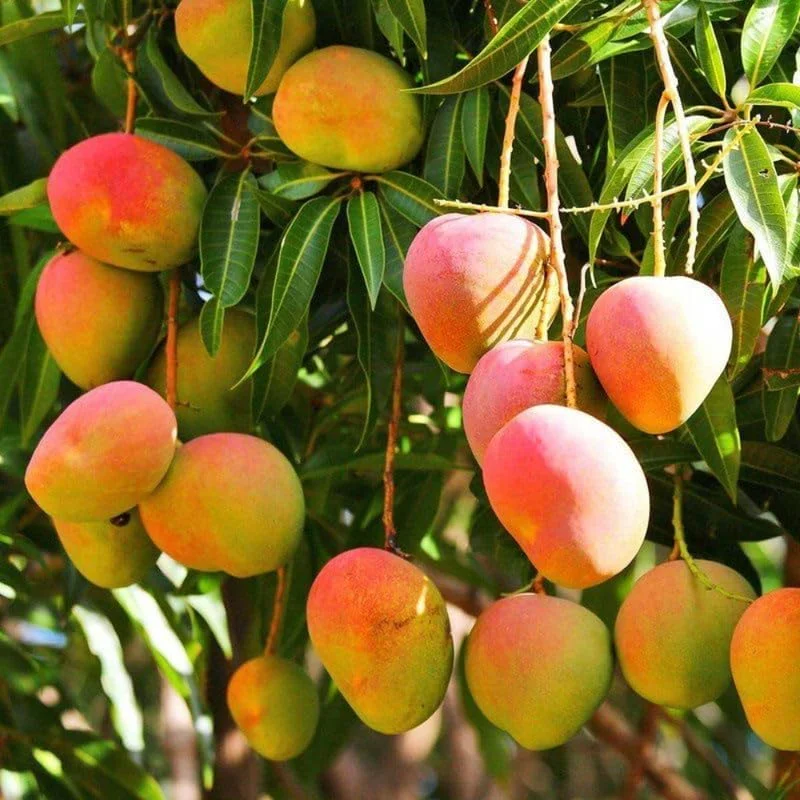
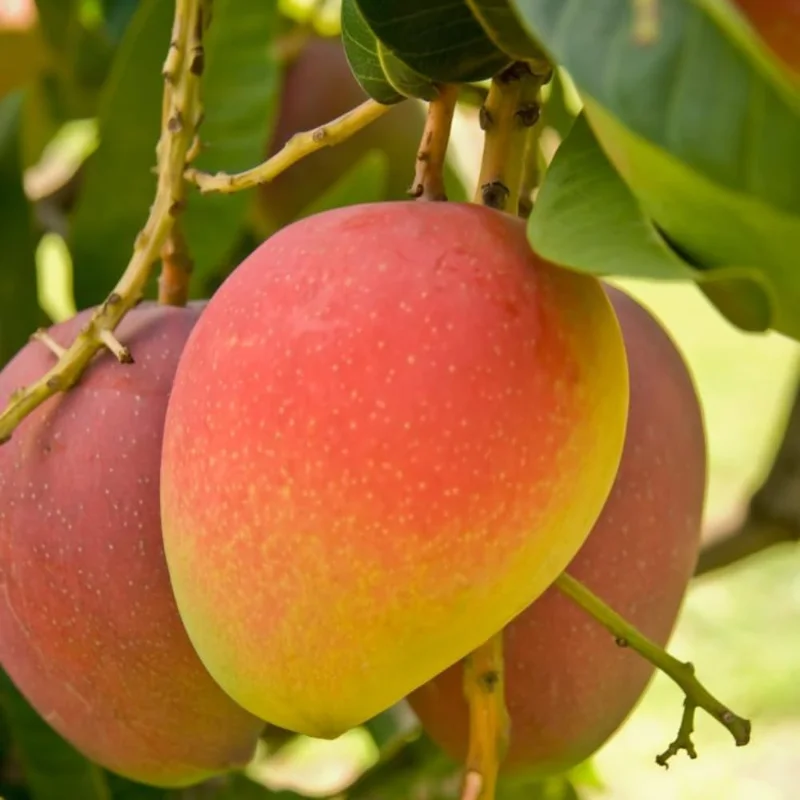
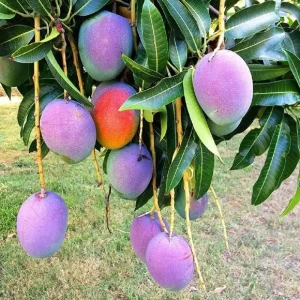
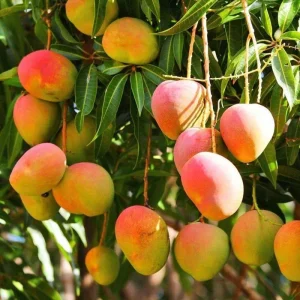
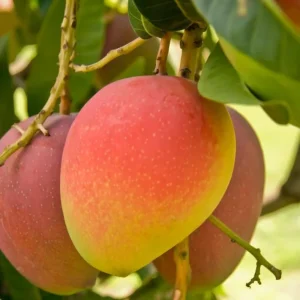
Embark on a delightful gardening journey with our sweet mango tree live plant, a vibrant addition to any home garden or patio. This particular variety, known for its delectable yellow mangoes, promises to transform your space into a tropical oasis. Standing at a healthy 10-14 inches tall, this well-rooted specimen is ready for planting, offering the immediate joy of nurturing a flourishing fruit tree. Imagine the sweet, juicy reward of harvesting your own mangoes, right from your backyard or balcony. This yellow mango plant is not just a source of food but also a beautiful ornamental, with lush green foliage and fragrant spring blooms that add an exotic touch to your environment. It’s an excellent choice for those looking to cultivate a productive and attractive tropical fruit tree.
Cultivating a mango tree at home is a rewarding experience, and this live plant makes it accessible to gardeners of all levels. Its compact growth habit means it can thrive in various settings, from spacious gardens to smaller urban patios, provided it receives adequate sunlight. With proper care, this mango plant will grow into a robust tree, ready to bear fruit. The anticipation of watching the tiny mangoes develop and ripen into their golden hue is a unique pleasure that only a homegrown tree can offer. Discover the simple joys of growing mango at home with this exceptional plant.
Key Benefits
Bringing a sweet mango tree live plant into your home or garden offers numerous advantages, from aesthetic appeal to the sheer joy of fresh produce. This yellow mango plant is more than just a decorative feature; it’s a living, breathing source of tropical delight. Here are some of the key benefits:
- Homegrown Tropical Fruit: Enjoy the unparalleled taste of fresh, ripe mangoes harvested directly from your own tree. There’s nothing quite like the flavor of fruit picked at its peak.
- Fragrant Spring Blooms: Experience the delightful aroma of the mango tree’s spring blossoms. These fragrant flowers not only add beauty but also signify the coming fruit.
- Compact Growth Habit: Designed for versatility, this tree’s compact size makes it suitable for both small yards and large containers, allowing even urban dwellers to enjoy a tropical fruit tree.
- Established Roots for Easy Planting: The plant arrives with well-established roots, ensuring a smoother transition and higher success rate when planting outdoors or repotting.
- Beautiful Ornamental Value: Beyond its fruit, the mango tree provides lush, green foliage that enhances the aesthetic appeal of any garden, patio, or even a sunny indoor spot.
- Engaging Gardening Experience: Nurturing a mango tree from a young plant to a fruit-bearing specimen offers a deeply satisfying and educational gardening experience for the whole family.
- Health Benefits: Fresh mangoes are packed with vitamins, minerals, and antioxidants, contributing to a healthy lifestyle. Having them readily available encourages better eating habits.
Plant Care & Growing Tips
Successful mango plant care requires attention to a few key environmental factors to ensure your sweet mango tree live plant thrives and produces abundant fruit. This tropical beauty prefers a warm climate and specific growing conditions. For sunlight, a tropical fruit tree like the mango needs full sun exposure, meaning at least 6-8 hours of direct sunlight per day. If growing indoors or in a cooler climate, place it near a south-facing window or supplement with grow lights to ensure it receives adequate light for growth and fruit production.
Watering is crucial, especially for a young plant. While mangoes appreciate consistent moisture, they do not like soggy roots. Water thoroughly when the top 2-3 inches of soil feel dry to the touch, and allow excess water to drain away. Reduce watering during cooler months or when the plant is dormant. Well-draining soil is paramount; a sandy loam mix enriched with organic matter is ideal. Ensure your pot has drainage holes if container growing. The optimal temperature range for mango trees is between 70-100°F (21-38°C). They are suitable for USDA Zones 9-11 outdoors. In cooler climates, it is essential to grow your yellow mango plant in a container so it can be moved indoors during winter to protect it from frost.
Fertilization should begin once the plant is established, typically a month after planting. Use a balanced, slow-release fertilizer formulated for fruit trees, following the product’s instructions. Fertilize every 2-3 months during the growing season (spring and summer) and reduce frequency in fall and winter. Monitor your plant for common pests like aphids or scale insects and treat them promptly with organic insecticidal soap if necessary. Pruning can help maintain a compact shape and encourage fruit production. Remove any dead, diseased, or crossing branches to improve air circulation and light penetration, which is vital for growing mango at home successfully.
Size & Details
This sweet mango tree live plant arrives as a vibrant, well-rooted specimen, typically measuring 10-14 inches in height from the base of the pot to the tip of its tallest leaf. It is shipped in a nursery pot, ensuring its root system is protected and established for a smooth transition to your garden or larger container. The plant’s compact growth habit makes it an excellent choice for various settings, whether you have a sprawling garden or a cozy patio. While young, it will continue to grow and develop, with mature trees typically reaching heights of 10-20 feet when planted in the ground, though they can be maintained at smaller sizes through pruning for container cultivation. Expect fragrant spring blooms, followed by the development of delicious yellow mango plant fruit.
The tree is cultivated to thrive, suitable for outdoor planting in USDA Zones 9-11. For those in cooler climates, it makes an excellent container plant, allowing you to bring this tropical fruit tree indoors during the colder months to protect it from frost. With proper care and conditions, you can anticipate your tree beginning to fruit within 3-5 years, providing you with a consistent supply of fresh, sweet mangoes. Each plant is carefully selected to ensure you receive a healthy and vigorous starter tree, ready to bring a touch of the tropics to your home.
Frequently Asked Questions
- Q: How big does this plant get? A: This sweet mango tree live plant arrives 10-14 inches tall. When grown in the ground, it can reach 10-20 feet, but it can be kept smaller in containers with regular pruning, making it ideal for growing mango at home in various spaces.
- Q: What size pot does it come in? A: The plant is shipped in a nursery pot with established roots, ready for transplanting into a larger container or directly into your garden.
- Q: Is this an indoor or outdoor plant? A: It is primarily an outdoor plant for USDA Zones 9-11. In cooler climates, it can be grown in a container and moved indoors during winter, functioning as a beautiful tropical fruit tree.
- Q: How much sunlight does it need? A: This yellow mango plant thrives in full sun, requiring at least 6-8 hours of direct sunlight daily for optimal growth and fruit production.
- Q: Is this plant easy to care for? A: Mango trees require consistent care regarding sunlight, watering, and soil, but with proper attention, they are rewarding to grow. They are considered moderately easy for those willing to provide the right conditions.
- Q: What condition will it arrive in? A: Your sweet mango tree live plant will arrive with well-established roots, carefully packaged to ensure it reaches you in healthy condition, ready for planting.
- Q: Can I really grow mangoes at home with this plant? A: Absolutely! With the right care, sunlight, and proper protection in colder climates, this live plant is designed to grow into a fruit-bearing tropical fruit tree, allowing you to enjoy homegrown mangoes.
- Q: How long until it blooms? A: Mango trees typically begin to bloom and fruit within 3-5 years when grown from a young plant like this one, given proper care and conditions.
- Q: When is the best time to plant? A: The best time for planting is typically in spring or early summer, allowing the plant to establish itself before the peak heat or colder seasons.
- Q: Will it survive winter in my zone? A: This plant is suitable for USDA Zones 9-11 outdoors. If you are in a cooler zone, you must grow your mango plant care by moving it indoors during winter to protect it from frost.


Reviews
There are no reviews yet.