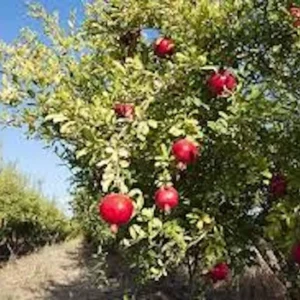
Overview
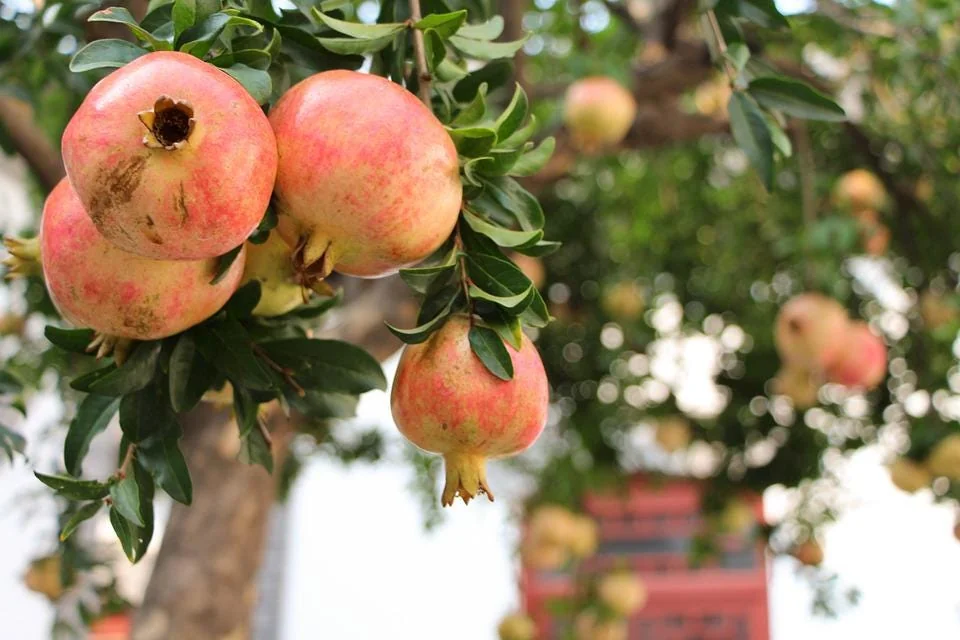
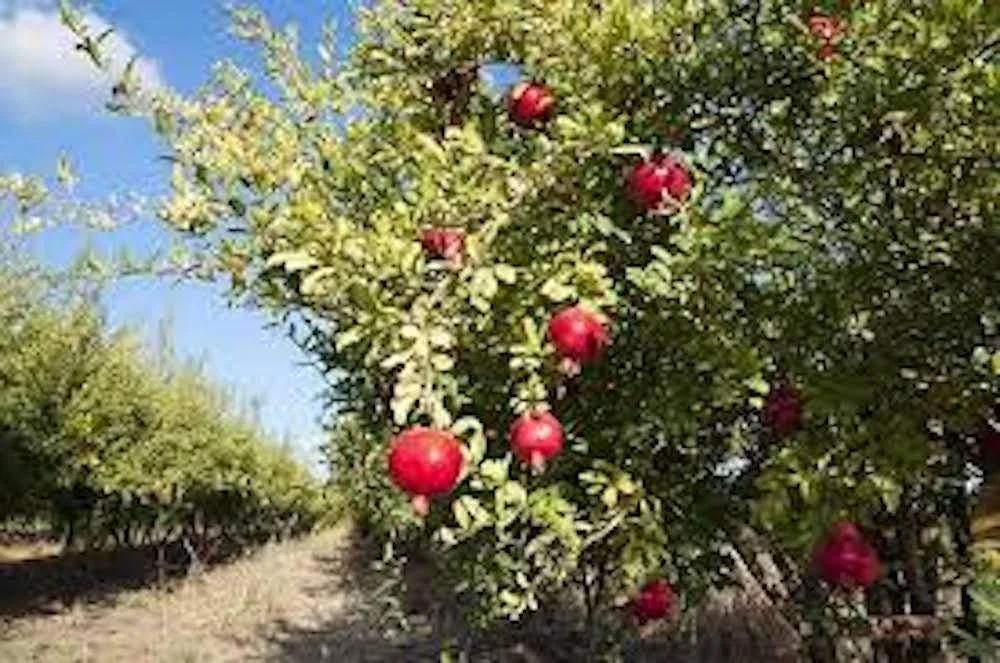
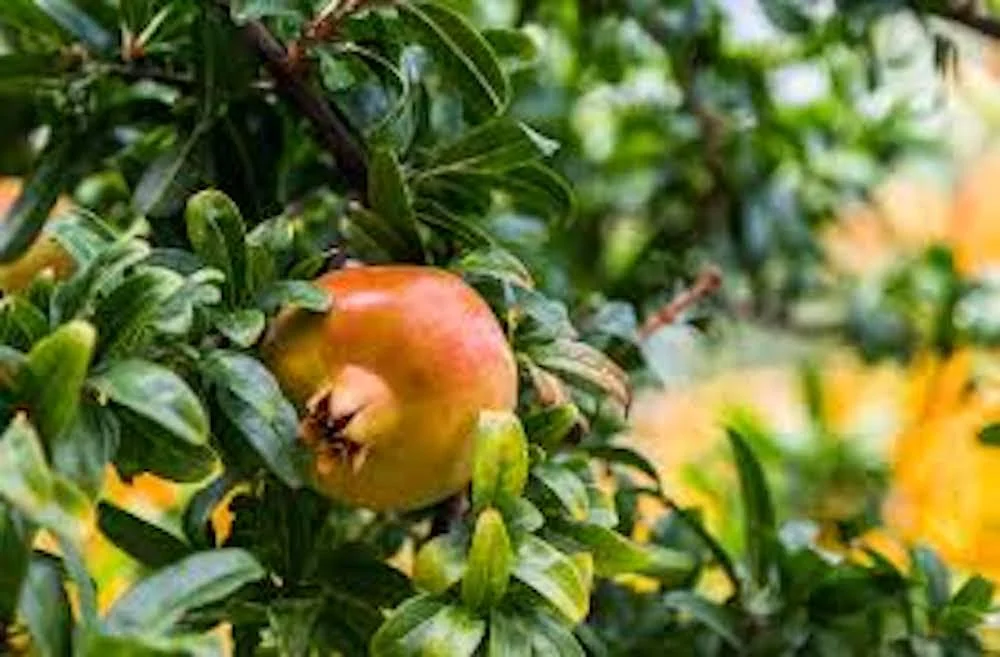
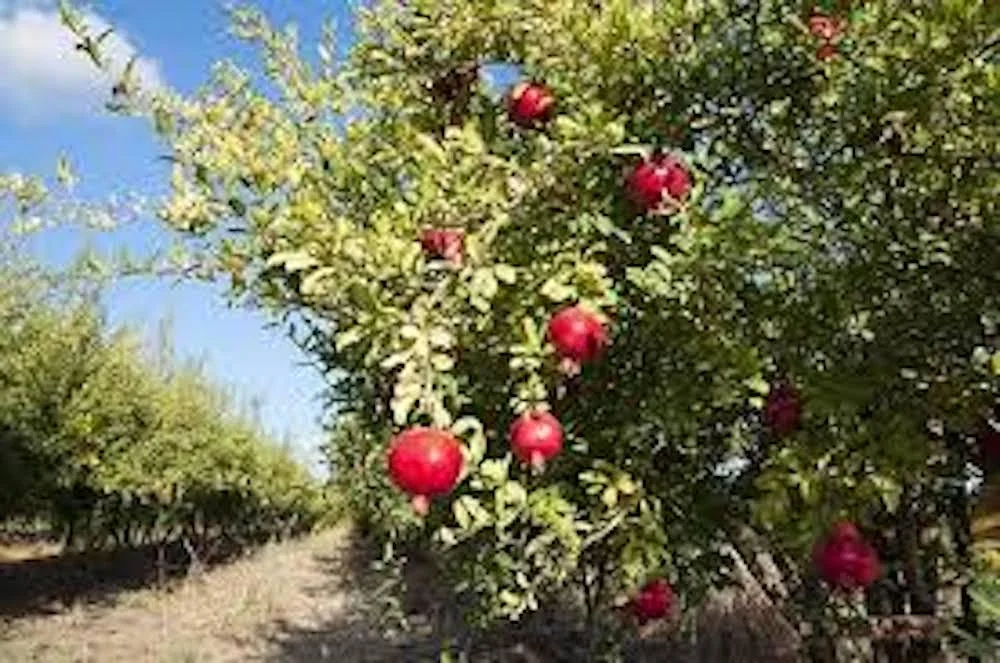
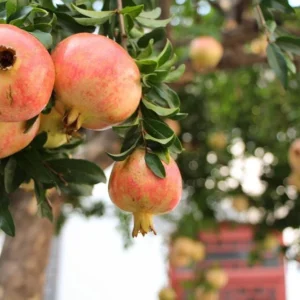
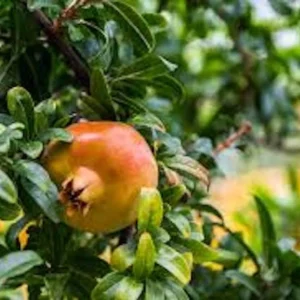
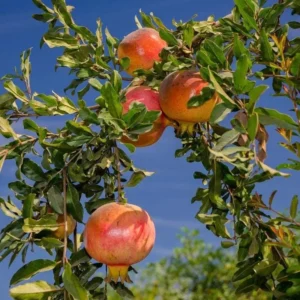
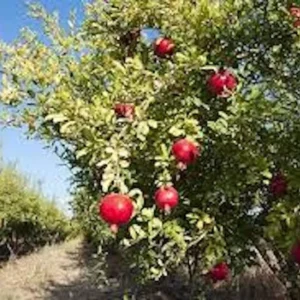
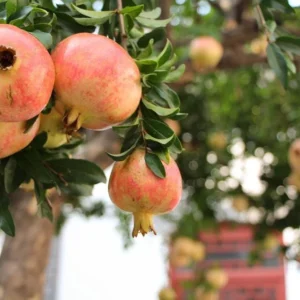
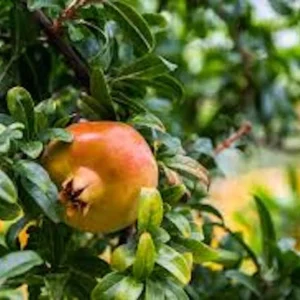
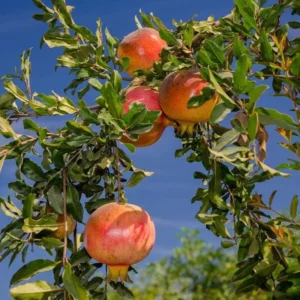
Embark on a delightful gardening journey with the sweet pomegranate tree starter plant, scientifically known as Punica granatum ‘Sweet’. This exceptional variety is celebrated for its remarkably mild, non-tart fruit, making it a favorite among those who prefer a less acidic flavor profile. As a bare root plant, it arrives ready for planting, offering a robust start to your home orchard. The ‘Sweet’ pomegranate is not only a producer of delectable fruit but also an attractive addition to any garden or patio, growing into a beautiful, fruit-bearing specimen. It’s an easy fruit tree to cultivate, perfect for both novice and experienced gardeners.
Originating from regions with arid climates, the sweet pomegranate tree is naturally drought-tolerant pomegranate, requiring less water once established compared to many other fruit trees. This makes it an environmentally friendly choice and reduces the effort needed for its care. Its resilience and adaptability allow it to thrive in various settings, from a sunny spot in your garden to a spacious container pomegranate tree on your deck or patio. Get ready to enjoy an abundant harvest of juicy, sweet pomegranates right from your own backyard.
Key Benefits
The sweet pomegranate tree offers a multitude of benefits, making it an excellent investment for any gardener looking to grow their own fruit. Its unique characteristics contribute to both ease of care and a rewarding harvest.
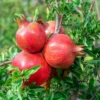
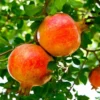
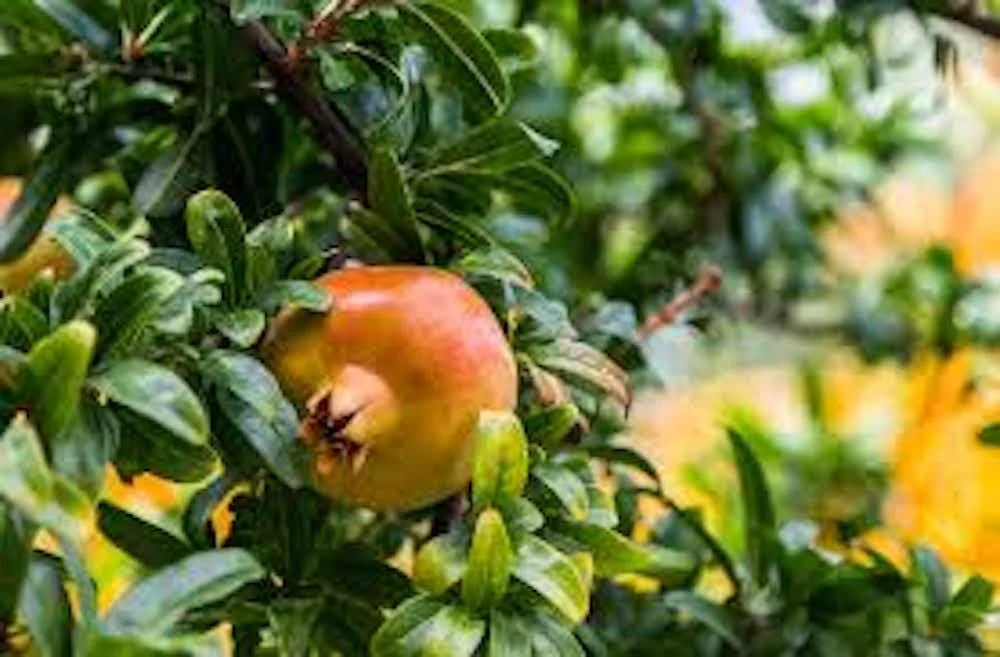
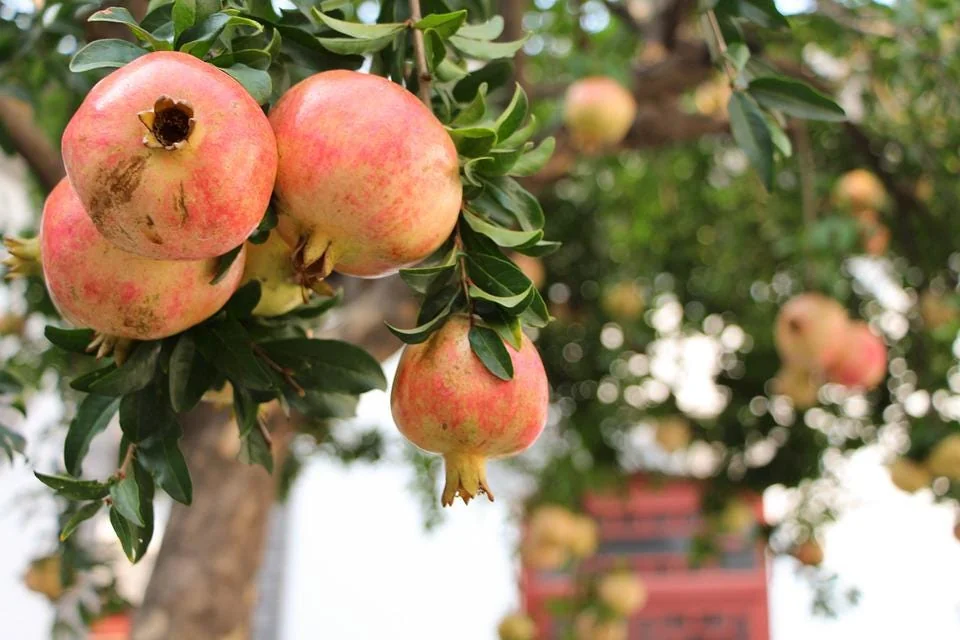
- Delicious, Non-Tart Fruit: Enjoy large pomegranates with light pink, sweet flesh that is prized for its mild, non-acidic flavor. This makes the Punica granatum ‘Sweet’ variety a perfect snack or addition to culinary creations.
- Easy to Grow & Low Maintenance: This variety is incredibly forgiving, making it an easy fruit tree for gardeners of all skill levels. It requires minimal pruning and care once established.
- Drought-Tolerant: Once mature, the sweet pomegranate tree is highly resistant to drought conditions, reducing water needs and making it suitable for water-wise landscapes. This drought-tolerant pomegranate thrives even in drier climates.
- Versatile Planting Options: Whether you have ample garden space or are limited to a patio, this tree can be planted directly in the ground or grown as a beautiful and productive container pomegranate tree.
- Attractive Ornamental Value: Beyond its fruit, the tree boasts attractive foliage and vibrant pink-to-reddish flowers in spring, adding ornamental beauty to your landscape before the fruit even appears.
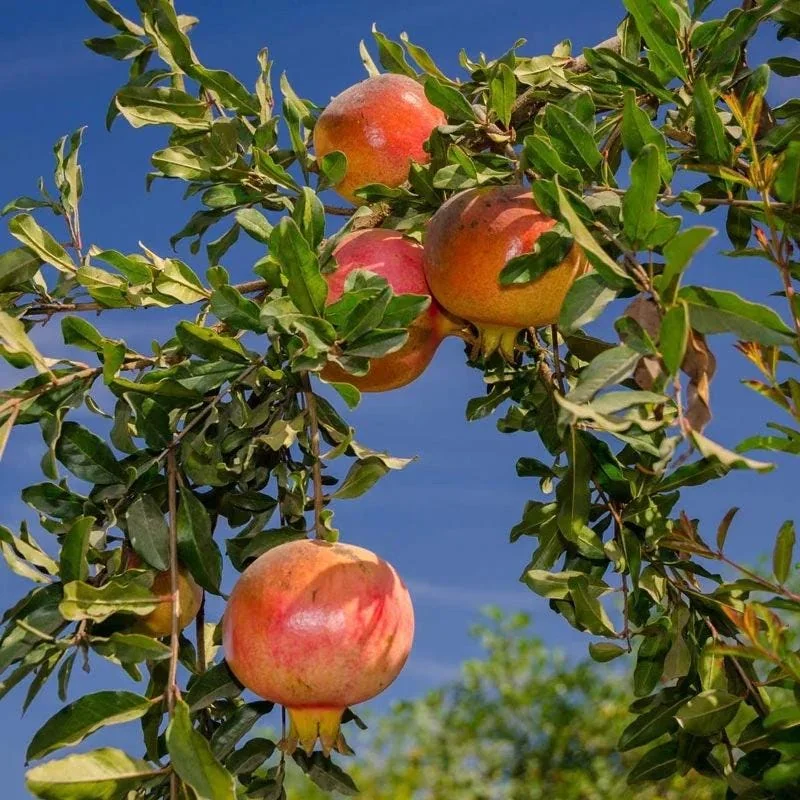
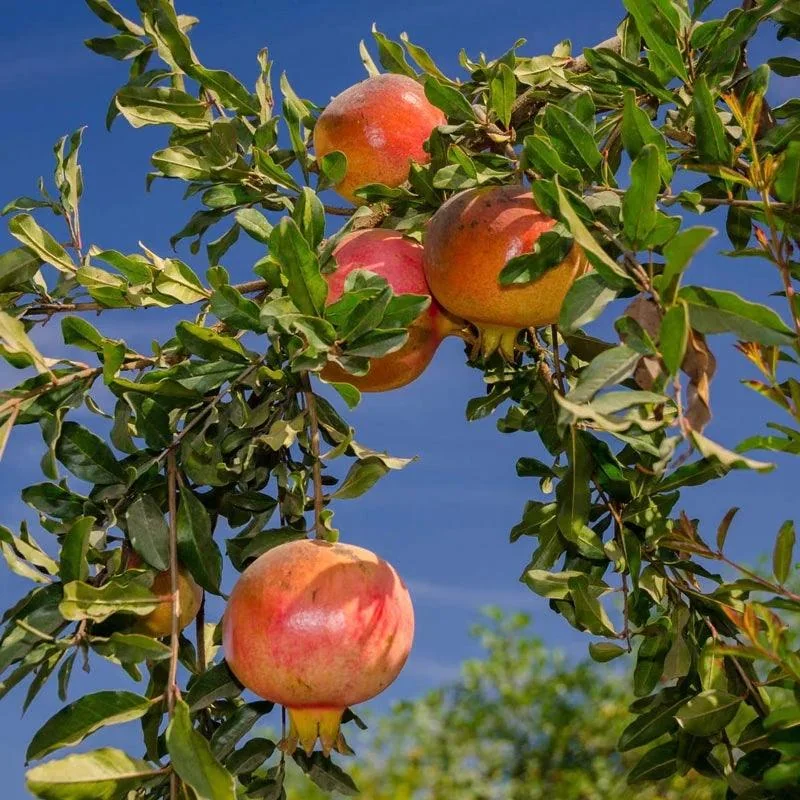
- Abundant Fall Harvest: Look forward to a bountiful harvest of large, colorful pomegranates in the fall, providing fresh, healthy fruit for months.
- Long-Lived and Productive: With proper care, a sweet pomegranate tree can provide delicious fruit for many years, becoming a cherished part of your garden.
Plant Care & Growing Tips
Caring for your sweet pomegranate tree is straightforward, especially given its naturally resilient nature. To ensure optimal growth and a plentiful harvest, understanding its basic needs is crucial. Pomegranates thrive in full sun, meaning they need at least 6-8 hours of direct sunlight daily. Choose a location in your garden that receives ample sun exposure throughout the day. If growing as a container pomegranate tree, place it in the sunniest spot on your patio or balcony. This will encourage robust flowering and fruit development for your Punica granatum ‘Sweet’.
When it comes to watering, while young trees need consistent moisture, established drought-tolerant pomegranate trees are quite resilient. Water regularly during the first year to help the root system establish. Afterward, reduce watering frequency, allowing the soil to dry out between waterings. Overwatering can be more detrimental than underwatering. Pomegranates prefer well-draining soil, ideally a sandy loam. If your soil is heavy clay, amend it with organic matter to improve drainage. They are adaptable to a range of soil pH, but slightly acidic to neutral (pH 5.5-7.0) is ideal. Fertilize in late winter or early spring with a balanced slow-release fertilizer designed for fruit trees. Pruning should be done in late winter to remove dead or crossing branches and to maintain an open structure for better air circulation and sunlight penetration.
The sweet pomegranate tree is generally hardy and resistant to many pests and diseases. Monitor for common issues like aphids or scale, and treat promptly with organic pest control methods if necessary. They are suitable for USDA Zones 7-11, thriving in warmer climates but can tolerate some colder temperatures with protection. During very cold spells, container-grown plants can be moved indoors or to a sheltered location. This easy fruit tree will reward you with years of beautiful foliage and delicious fruit with minimal effort.
Size & Details
This offering is for a sweet pomegranate tree starter plant, typically shipped as a bare root specimen, meaning it will arrive without soil or a pot, ready for immediate planting. Bare root plants are an economical and effective way to establish new trees, as they tend to adapt quickly to their new environment. Upon planting, the Punica granatum ‘Sweet’ will begin to establish its root system and grow vigorously. This variety is known to reach a mature height of 8–12 feet with a similar spread, forming a multi-stemmed shrub or small tree. Its growth rate is moderate, allowing you to enjoy fruit within a few years of planting.
The large fruit, with its light pink, sweet flesh, typically develops in late summer and ripens in the fall, providing a delightful autumn harvest. Whether you choose to grow it in the ground or as a container pomegranate tree, ensure it has adequate space for its mature size. For container growing, select a large pot (at least 15-20 gallons) to accommodate its root system. The tree’s aesthetic appeal, combined with its delicious yield, makes this drought-tolerant pomegranate a fantastic addition to any home garden.
Frequently Asked Questions
- Q: How big does this sweet pomegranate tree get? A: The sweet pomegranate tree typically reaches a mature height of 8–12 feet. Its spread can be similar, forming a dense, bushy shrub or a small tree depending on how it’s pruned.
- Q: Is this an indoor or outdoor plant? A: The Punica granatum ‘Sweet’ is primarily an outdoor plant that thrives in full sun. However, it can be grown in large containers and brought indoors during winter in colder climates, or grown as a container pomegranate tree in warmer regions.
- Q: How much sunlight does the sweet pomegranate tree need? A: For optimal fruit production and health, this easy fruit tree requires at least 6-8 hours of direct full sun per day. Choose a very sunny location for planting.
- Q: Is this plant easy to care for? A: Yes, the sweet pomegranate tree is considered low-maintenance and relatively easy to care for, especially once established. It’s known for its resilience and adaptability, making it an excellent choice for various gardeners.
- Q: What condition will the sweet pomegranate tree arrive in? A: This plant typically ships as a bare root starter plant, meaning it will arrive without soil or a pot. This method ensures the plant is dormant and ready for transplanting.
- Q: How long until it produces fruit? A: A young sweet pomegranate tree can start producing fruit within 2-3 years, with significant yields typically beginning around 3-5 years after planting.
- Q: Will this drought-tolerant pomegranate survive winter in my zone? A: The sweet pomegranate tree is hardy in USDA Zones 7-11. In colder zones, it will need winter protection, or it can be grown in a container and moved indoors to a protected area.
- Q: What kind of soil does the Punica granatum ‘Sweet’ prefer? A: This variety prefers well-draining soil, ideally a sandy loam. It can tolerate a range of soil types but good drainage is essential to prevent root rot.
- Q: Can I grow this as a container pomegranate tree? A: Absolutely! The sweet pomegranate tree adapts very well to container growing, provided the container is large enough (at least 15-20 gallons) and has good drainage.
- Q: What makes this variety ‘sweet’? A: The ‘Sweet’ variety of Punica granatum ‘Sweet’ is specifically bred and chosen for its milder, non-tart flavor profile, which distinguishes it from more acidic pomegranate types.


Reviews
There are no reviews yet.