Overview
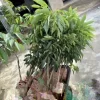
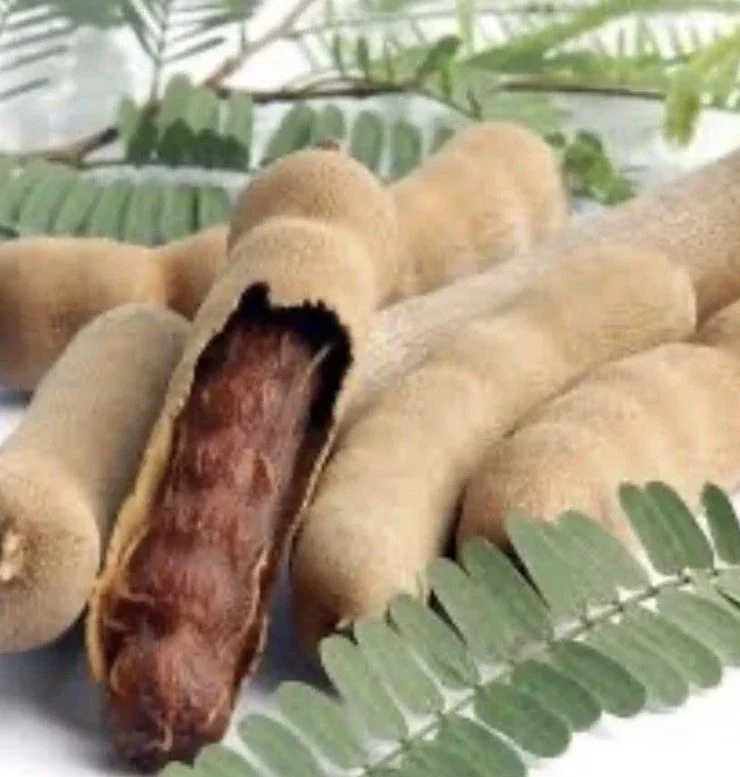
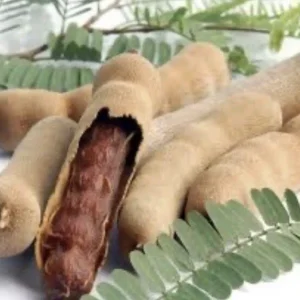
Embark on a tropical gardening adventure with the sweet tamarind tree live plant. This exquisite variety, often referred to as Me Ngọt or Thai sweet tamarind, is celebrated for its delectable, sugary fruit pods. Unlike its sour counterparts, this sweet variant can be enjoyed fresh, offering a unique flavor profile that is both tangy and sweet. Originating from tropical regions, the Tamarindus indica is a beautiful and resilient tree that can thrive in suitable climates, bringing an exotic touch to your garden or patio. Whether you’re a seasoned gardener or a curious beginner, growing your own sweet tamarind offers the rewarding experience of harvesting fresh, flavorful fruit right from your backyard. Discover the joy of cultivating this remarkable exotic fruit tree.
Key Benefits
The sweet tamarind tree live plant offers a multitude of benefits, making it an excellent addition to any garden, especially for those in warmer climates or with suitable indoor growing conditions. Its appeal extends beyond just its delicious fruit.
- Delicious Fruit Production: Enjoy abundant harvests of sweet, edible pods perfect for snacking, desserts, and culinary creations. The Thai sweet tamarind is particularly prized for its low acidity and high sugar content.
- Attractive Ornamental Value: With its graceful, feathery foliage and attractive growth habit, the tamarind tree makes a beautiful landscape specimen, providing shade and visual interest.
- Culinary Versatility: The sweet pulp can be used in a wide array of dishes, from refreshing drinks and candies to savory sauces and chutneys, adding a unique tropical flavor.
- Medicinal Properties: Historically, various parts of the tamarind tree have been used in traditional medicine for their laxative, digestive, and anti-inflammatory properties.
- Drought Tolerance: Once established, tamarind trees are relatively drought-tolerant, making them suitable for regions with less frequent rainfall.
- Long Lifespan: A well-cared-for sweet tamarind tree live plant can live for many decades, providing years of enjoyment and fruit.
Plant Care & Growing Tips
Caring for your sweet tamarind tree live plant ensures a healthy, productive specimen. Tamarind trees are generally robust, but providing optimal conditions will maximize their growth and fruit yield. They thrive in warm, tropical, and subtropical environments. For sunlight, the tamarind tree prefers full sun, meaning at least 6-8 hours of direct sunlight per day. In very hot climates, some afternoon shade can be beneficial for young plants, but mature trees typically handle intense sun well. When grown indoors, place it near a south-facing window or provide supplemental grow lights.
Regarding watering, newly planted trees require consistent moisture, but established trees are quite drought-tolerant. Water deeply when the top 2-3 inches of soil feel dry, allowing the soil to dry out slightly between waterings. Avoid overwatering, as this can lead to root rot. The ideal soil for a tamarind tree care regimen is well-draining, sandy loam with a slightly acidic to neutral pH (6.0-7.0). While adaptable to various soil types including clay, sand, and silt, good drainage is crucial. Fertilize young trees every 2-3 months with a balanced, slow-release fertilizer, gradually reducing frequency to 2-3 times a year for mature trees. Pruning is best done to shape the tree and remove any dead or diseased branches. Protect young trees from frost; they are typically suited for USDA zones 9-11 outdoors. If you are growing this Me Ngọt plant in a cooler climate, it should be brought indoors during winter.
Size & Details
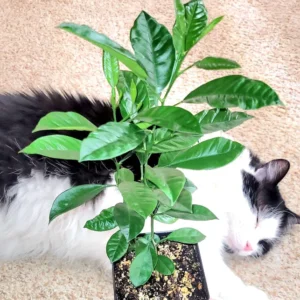
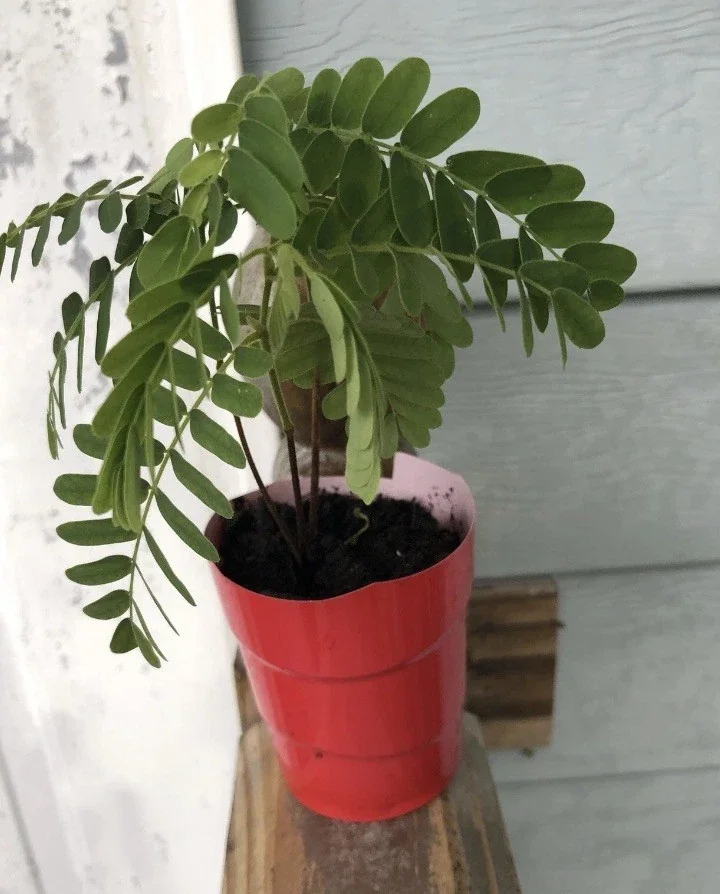
This offering is for a sweet tamarind tree live plant, typically ranging from 4 to 12 inches in height. These young plants are ready to establish themselves in your garden or a larger container. As they mature, tamarind trees can grow quite large, reaching heights of 60-80 feet in their native tropical environments. However, they can be successfully maintained at a more manageable size through pruning, especially when grown in containers. This allows them to be cultivated in patios or even as indoor plants in colder regions. The growth rate is moderate, and with proper care, you can expect your Thai sweet tamarind to begin producing fruit within 3-5 years. Each plant is carefully selected and prepared for shipment to ensure a healthy arrival, ready for planting and continued growth.
Frequently Asked Questions
- Q: How big does this sweet tamarind tree get? A: In the ground in tropical climates, a tamarind tree can reach 60-80 feet. However, when grown in a container or with regular pruning, it can be maintained at a much smaller, more manageable size, often 6-15 feet.
- Q: What size pot does it come in? A: The sweet tamarind tree live plant typically ships in a small nursery pot, suitable for its current size of 4-12 inches. Upon arrival, it’s recommended to transplant it into a slightly larger pot to allow for continued root development.
- Q: Is this an indoor or outdoor plant? A: The sweet tamarind tree is a tropical plant best suited for outdoor growth in USDA zones 9-11. In cooler climates, it can be grown outdoors during warm months and brought indoors as a potted plant before temperatures drop.
- Q: How much sunlight does it need? A: This tree thrives in full sun, requiring at least 6-8 hours of direct sunlight daily for optimal growth and fruit production. Ensure it receives ample light, especially if growing it indoors.
- Q: Is this plant easy to care for? A: Once established, the tamarind tree care is relatively low-maintenance. Young plants require consistent watering and protection from frost, but mature trees are quite resilient. It’s a great choice for those looking for an rewarding exotic fruit tree.
- Q: Can I use the fruit of this Me Ngọt plant in cooking? A: Absolutely! The ‘Me Ngọt’ or Thai sweet tamarind variety is specifically prized for its sweet, less acidic pulp, making it perfect for eating fresh, making juices, desserts, candies, and adding a unique flavor to various culinary dishes.
- Q: How long until it blooms and produces fruit? A: With proper care, a young sweet tamarind tree live plant typically begins to bloom and produce fruit within 3 to 5 years after planting. Fruit production usually increases as the tree matures.
- Q: What’s the minimum temperature this tree can tolerate? A: Tamarind trees are sensitive to cold. While mature trees can tolerate brief drops to around 28-30°F (-2 to -1°C), prolonged exposure to freezing temperatures will damage or kill the plant. Young plants are even more vulnerable.


Reviews
There are no reviews yet.