Overview
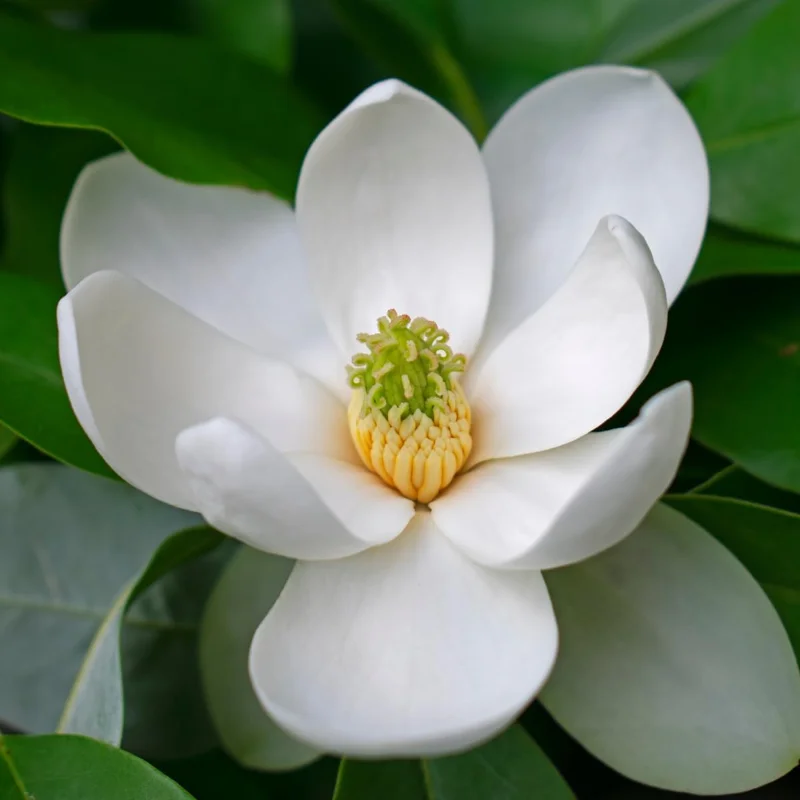
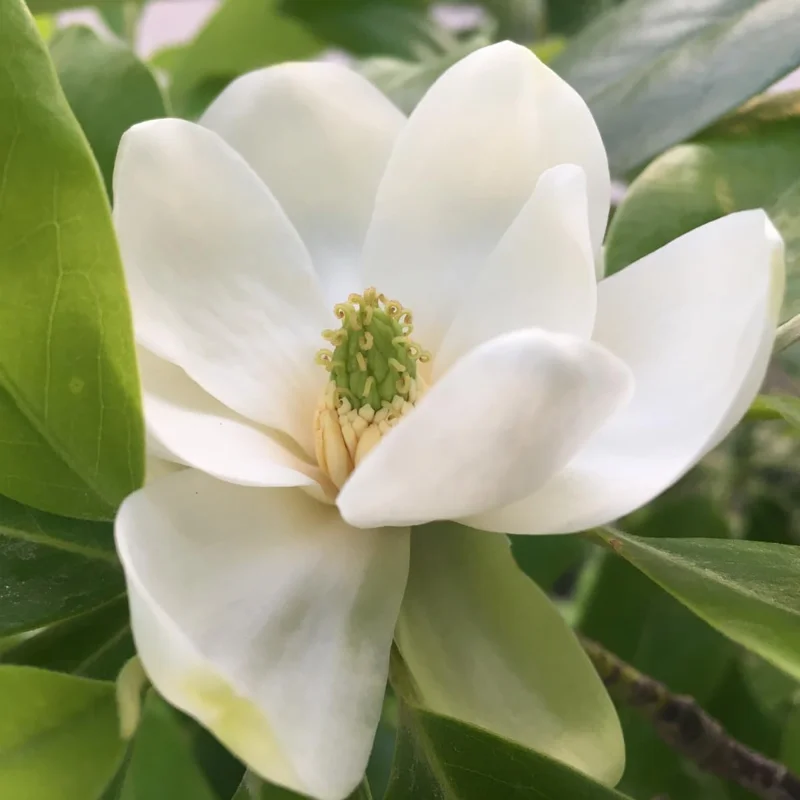
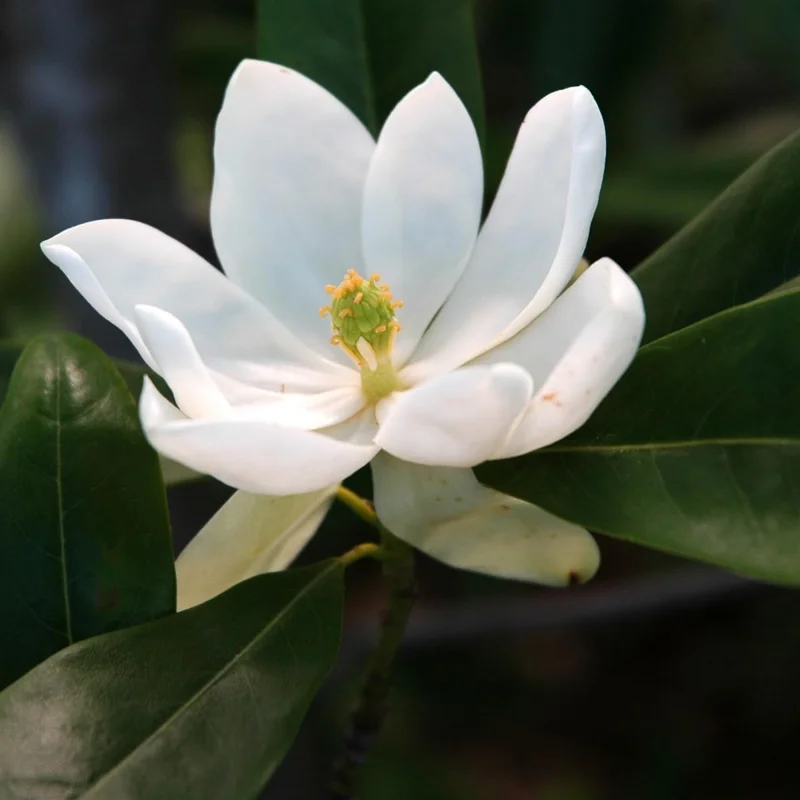
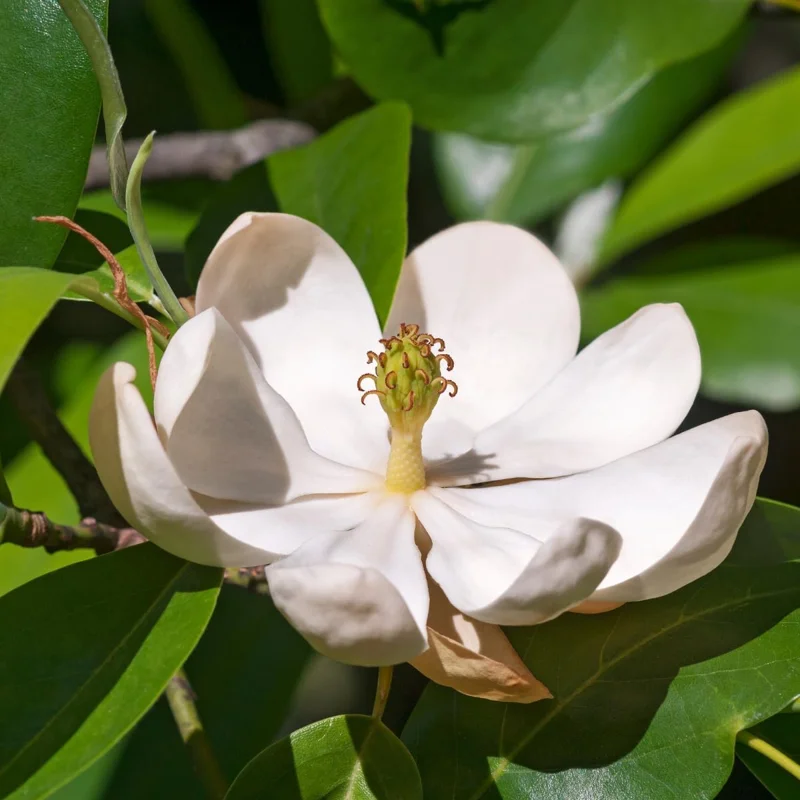
Introduce timeless beauty and intoxicating fragrance to your garden with the exquisite sweetbay magnolia tree. This stunning deciduous (or semi-evergreen in warmer climates) specimen is a true garden gem, celebrated for its delicate, creamy white flowers that release a sweet, lemon-like scent, particularly strong in the evening. Our sweetbay magnolia tree is offered as a healthy, vibrant live plant, measuring 2-3 feet in height and cultivated in a gallon pot, ensuring a robust start in your landscape. Known botanically as Magnolia virginiana, this native North American tree is a versatile choice, perfect for adding a touch of classic charm to various garden styles, from formal to naturalized settings. Its attractive foliage and spectacular blooms make it a focal point in any yard or garden space. Even when dormant in winter, its graceful form adds architectural interest.
The sweetbay magnolia tree is not just about aesthetics; it’s also a remarkably adaptable and low-maintenance plant, making it an excellent choice for both experienced gardeners and those new to cultivating trees. Its ability to thrive in a range of soil conditions and light exposures, coupled with its natural resistance to many common pests and diseases, ensures a rewarding growing experience. Whether you’re looking to create a fragrant oasis, a privacy screen, or a specimen tree, this magnolia tree live plant promises to deliver years of beauty and enjoyment, transforming your outdoor space into a haven of natural elegance.
Key Benefits
The sweetbay magnolia tree offers a wealth of advantages, making it a highly desirable addition to any garden or landscape. Its unique characteristics contribute significantly to both the aesthetic and ecological value of your outdoor space.
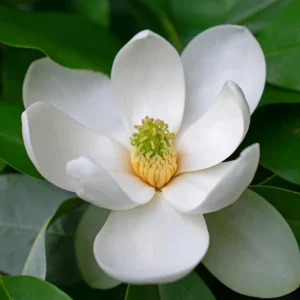
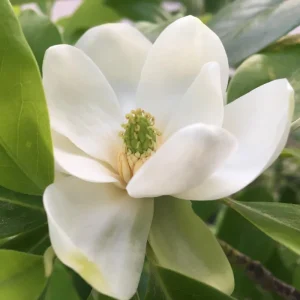
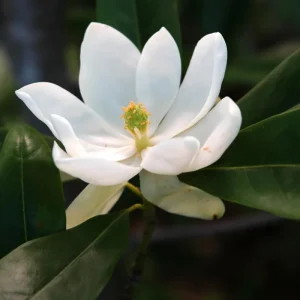
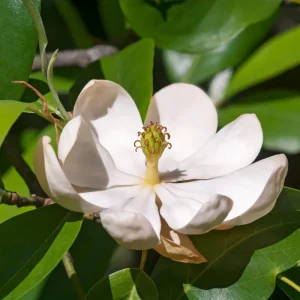
- Exquisite Fragrant Flowers: One of the most cherished features of the sweetbay magnolia tree is its beautiful, cup-shaped white flowers. These blooms appear from late spring through summer, emitting a delightful, lemony fragrance that can perfume an entire garden, especially in the evening.
- Adaptable & Resilient: This magnolia species is remarkably tolerant of various growing conditions, including wet soils, making it suitable for rain gardens or areas with poor drainage. It’s also quite hardy, thriving across a wide range of USDA zones.
- Attractive Foliage: The elliptical leaves are glossy green on top and silvery underneath, creating a shimmering effect when caught by the breeze. In warmer climates, the foliage can remain semi-evergreen, providing year-round interest.
- Low Maintenance: Once established, the magnolia tree live plant requires minimal care, making it an ideal choice for busy gardeners. It’s generally pest and disease resistant, reducing the need for extensive interventions.
- Wildlife Attraction: The flowers attract pollinators like bees and butterflies, while the red seeds that develop in the fall are a food source for various bird species, enhancing biodiversity in your garden.
- Versatile Landscape Use: Its moderate size and attractive form make it suitable as a specimen tree, a component of a mixed border, or even planted in groups for a naturalistic effect. This fragrant magnolia tree is perfect for front yards or home gardens.
- Year-Round Appeal: From its fragrant spring and summer blooms to its attractive foliage and interesting seed pods, the sweetbay magnolia offers visual interest across multiple seasons, even when dormant.
Plant Care & Growing Tips
Caring for your sweetbay magnolia tree is relatively straightforward, thanks to its adaptable nature. Understanding its basic needs will ensure your magnolia tree live plant thrives and produces its beautiful, fragrant flowers for many years. When planting, choose a location that receives full sun to partial shade. While it can tolerate more shade, optimal flowering occurs with at least 4-6 hours of direct sunlight daily. The soil should be consistently moist and well-draining, with a preference for acidic to neutral pH. This species is unique among magnolias for its tolerance to wet conditions, making it suitable for areas where other trees might struggle. Incorporate organic matter into the planting hole to improve soil structure and fertility.
Watering is crucial, especially during the first few years after planting. Keep the soil consistently moist but not waterlogged. Once established, the sweetbay magnolia tree is more drought-tolerant but will benefit from supplemental watering during prolonged dry spells. Fertilize in early spring with a balanced, slow-release granular fertilizer formulated for acid-loving plants. Avoid over-fertilizing, as this can lead to excessive foliage growth at the expense of flowers. Pruning is generally minimal, focused on removing dead, damaged, or crossing branches. You can also prune to shape the tree or maintain a more shrub-like form. The sweetbay magnolia care routine is largely about providing consistent moisture and adequate light.
This magnificent tree is hardy in USDA Zones 5-10, showcasing its broad adaptability across different climates. In colder zones (5-6), it will typically be deciduous, losing its leaves in winter. In warmer zones (7-10), it may remain semi-evergreen, retaining some or all of its foliage throughout the year. Protect young trees from harsh winter winds in the colder parts of its range. Common problems are rare, but watch for leaf spot or powdery mildew in humid conditions, which can usually be managed with good air circulation and appropriate fungicides if severe. Ensuring proper watering and sunlight will help prevent most issues and promote a healthy, vigorous sweetbay magnolia tree.
Size & Details
This offering is for one healthy sweetbay magnolia tree, a live plant carefully cultivated in a gallon pot. The plant stands approximately 2-3 feet in height at the time of shipment, providing a good head start for establishment in your garden. When mature, the sweetbay magnolia tree can reach heights of up to 30 feet, with a spread of 10-30 feet, depending on growing conditions and whether it’s allowed to grow as a multi-stemmed shrub or trained into a single-trunk tree. Its moderate growth rate allows it to establish well without becoming overgrown too quickly. The plant will arrive ready for transplanting into your desired location, whether that’s directly into the ground or into a larger container for patio enjoyment.
During the late fall and winter months, it is natural for the magnolia tree live plant to enter dormancy. This means it may arrive leafless, which is a normal and healthy state for a deciduous plant during its resting period. New growth and the characteristic fragrant white flowers will emerge in spring and summer. The gallon pot provides a sufficient root system for successful transplanting and continued growth. This ornamental tree is a perfect choice for home gardens, front yards, or as a naturalized planting near water features. Expect the first fragrant blooms within a few years of planting, adding a sensory delight to your outdoor living space.
Frequently Asked Questions
- Q: How big will this sweetbay magnolia tree get? A: This sweetbay magnolia tree is currently 2-3 feet tall. At maturity, it can reach heights of up to 30 feet with a spread of 10-30 feet, depending on growing conditions and pruning.
- Q: Is this an indoor or outdoor plant? A: The sweetbay magnolia tree is an outdoor plant, best suited for planting in gardens, yards, or large outdoor containers where it can thrive and reach its mature size.
- Q: How much sunlight does the sweetbay magnolia need? A: This magnolia tree live plant prefers full sun to partial shade. For the best flowering performance, aim for at least 4-6 hours of direct sunlight per day.
- Q: Is this plant easy to care for? A: Yes, the sweetbay magnolia tree is considered a low-maintenance plant once established. It’s adaptable to various soil types and generally resistant to pests and diseases, making sweetbay magnolia care relatively easy.
- Q: What condition will the sweetbay magnolia tree arrive in? A: Your magnolia tree live plant will arrive in a gallon pot, approximately 2-3 feet tall. During late fall and winter, it will be dormant and may be leafless, which is a normal and healthy state.
- Q: When is the best time to plant a sweetbay magnolia? A: The best time to plant a sweetbay magnolia tree is in the spring or early fall, allowing the plant sufficient time to establish its root system before extreme temperatures.
- Q: Will the fragrant magnolia tree survive winter in my zone? A: This fragrant magnolia tree is hardy in USDA Zones 5-10. It is well-adapted to survive winters within this range, though it may be deciduous in colder zones.
- Q: What type of soil does the sweetbay magnolia tree prefer? A: The sweetbay magnolia tree prefers consistently moist, well-draining, acidic to neutral soil. It is notably tolerant of wet soil conditions.
- Q: How long until it blooms? A: You can typically expect your sweetbay magnolia tree to begin producing its fragrant white flowers within a few years of planting, once it has established itself in your garden.
- Q: Is the sweetbay magnolia tree a deciduous magnolia tree? A: Yes, the sweetbay magnolia tree is typically a deciduous magnolia tree in colder climates (Zones 5-6), losing its leaves in winter. In warmer zones (7-10), it can be semi-evergreen.


Reviews
There are no reviews yet.