Overview
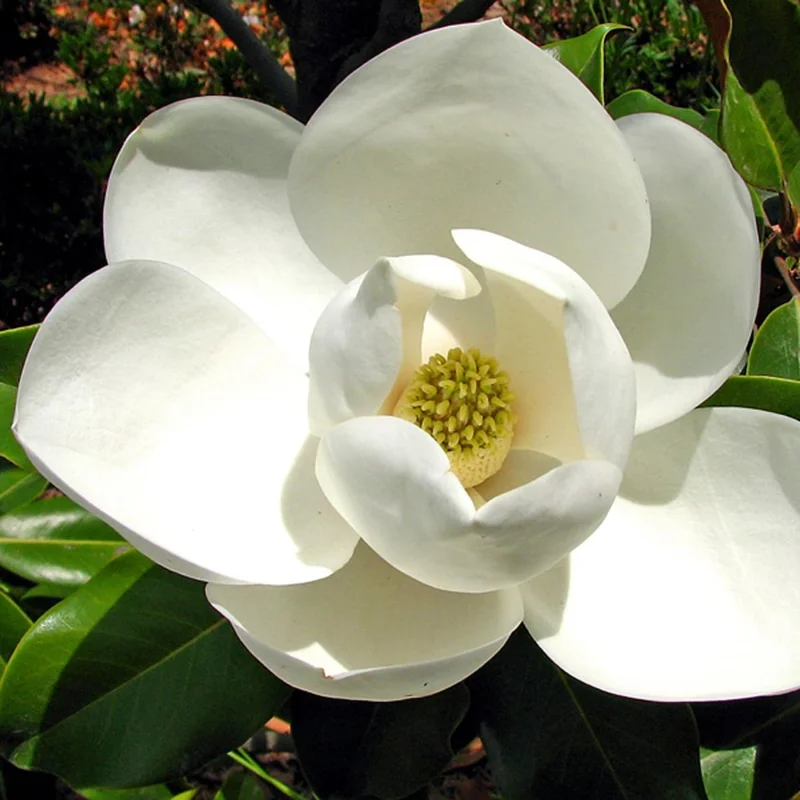
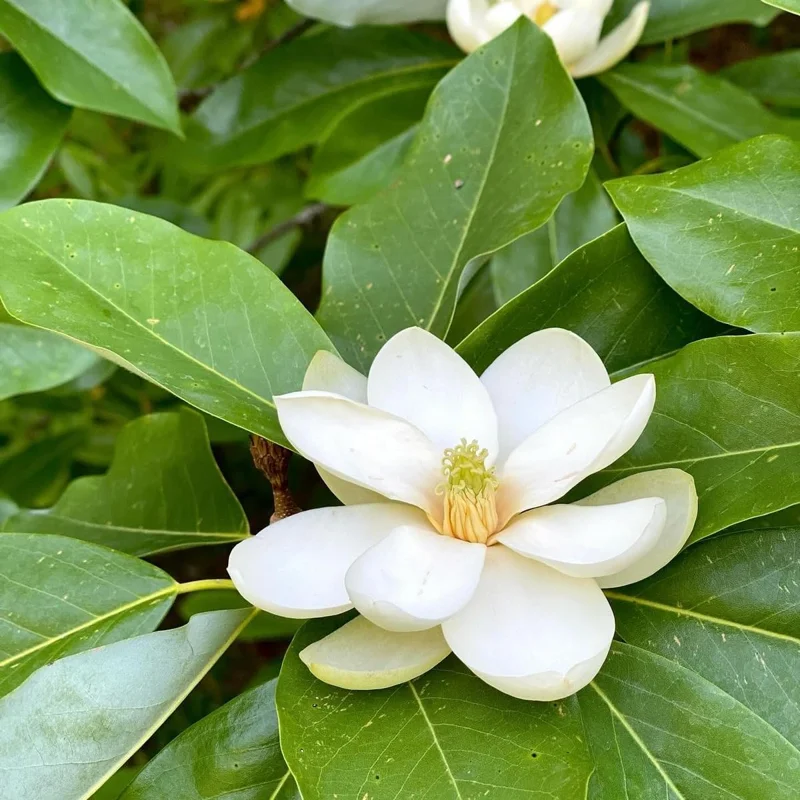
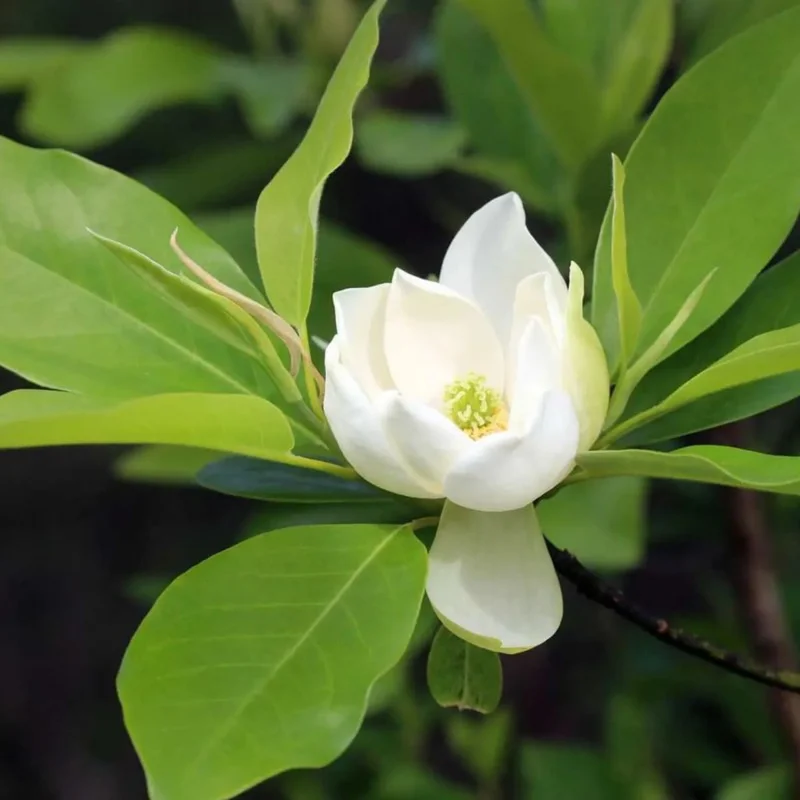
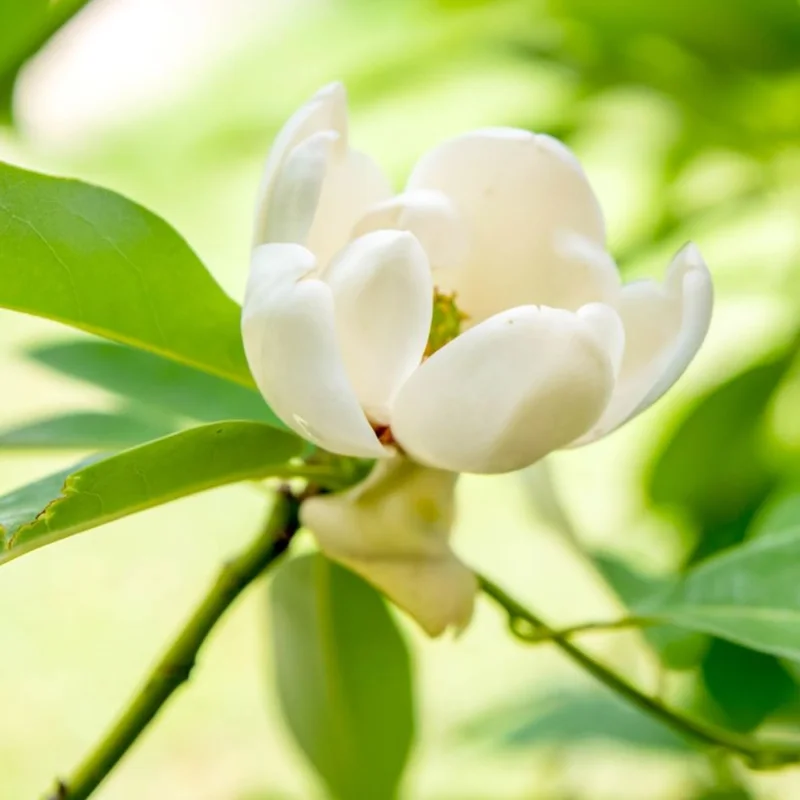
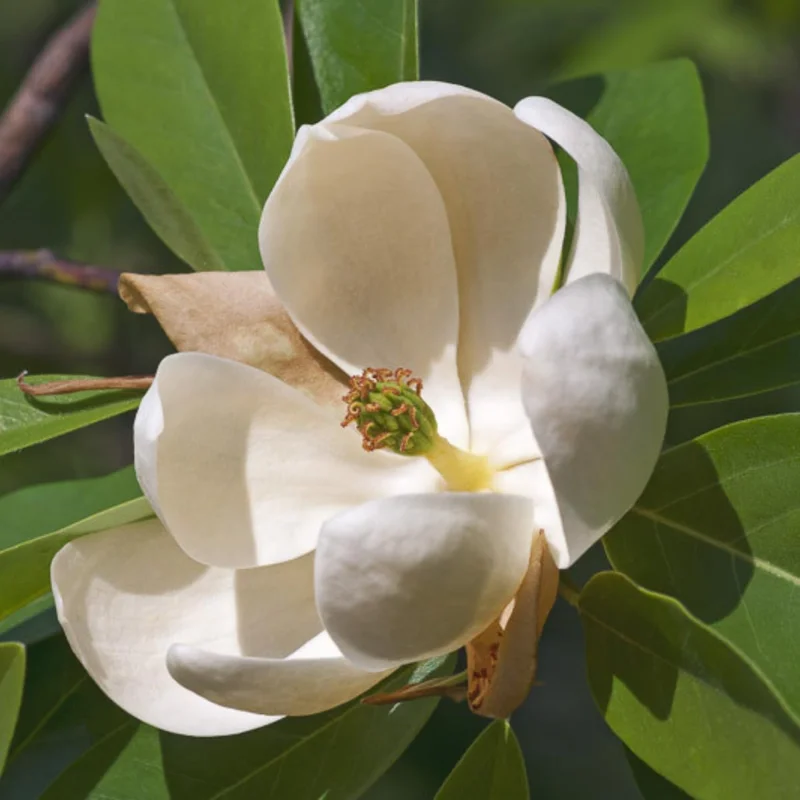
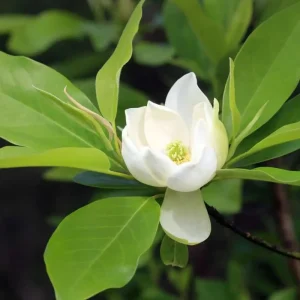
Introduce a touch of Southern charm and intoxicating fragrance to your landscape with the sweetbay magnolia tree live plant. Known botanically as Magnolia virginiana, this beautiful deciduous to semi-evergreen tree is celebrated for its creamy white, lemon-scented flowers that bloom from late spring through summer. Our sweetbay magnolia tree live plant arrives as a healthy specimen, measuring 6-12 inches in height and potted in a 4-inch container, making it easy to transplant into your garden or a larger pot. During late fall and winter, the plant may enter dormancy and appear leafless, which is a natural and healthy part of its life cycle, ensuring vigorous growth in the spring. This resilient tree is a fantastic choice for adding vertical interest and a sensory experience to any outdoor space.
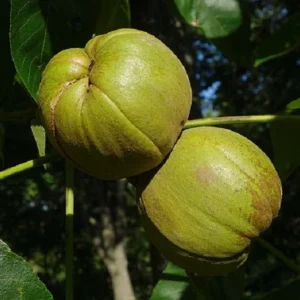
The Sweetbay Magnolia is an excellent choice for gardeners seeking a low-maintenance yet highly rewarding tree. Its adaptability to various soil conditions and its moderate size make it suitable for a wide range of garden designs, from formal to naturalistic. Whether you’re looking to create a focal point, add a specimen tree, or enhance a garden border, the sweetbay magnolia tree live plant offers year-round appeal. Its lush foliage provides a beautiful backdrop for its stunning blossoms, and the tree often produces attractive red fruit in the fall, attracting birds.
Key Benefits
The sweetbay magnolia tree live plant offers numerous advantages for any landscape. Its distinctive features and easy care make it a popular choice for both novice and experienced gardeners. Investing in this beautiful tree means enjoying natural beauty and significant benefits for your outdoor environment.
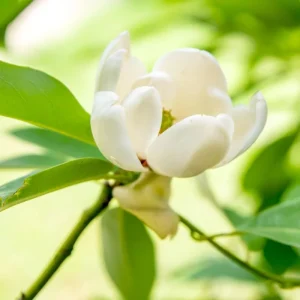
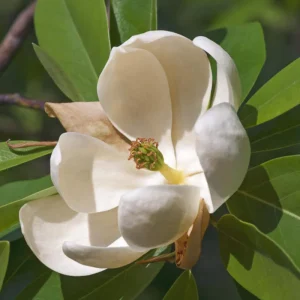
- Fragrant White Flowers: Enjoy the delightful, lemony scent of its beautiful creamy white flowers that bloom for an extended period, enhancing your garden’s aroma.
- Year-Round Interest: Provides attractive foliage, stunning blooms, and often red cone-like fruit in the fall, ensuring visual appeal throughout the seasons.
- Versatile Landscape Use: Perfect as a specimen tree, for naturalizing, or as part of a mixed border, fitting seamlessly into various garden styles.
- Low Maintenance: Once established, the sweetbay magnolia tree live plant requires minimal care, making it an ideal choice for busy gardeners.
- Adaptable & Hardy: Thrives in a wide range of soil types and is hardy in USDA Zones 5-10, making it suitable for many climates.
- Wildlife Attraction: The flowers attract pollinators, and its fall fruits provide a food source for local birds, contributing to local biodiversity.
- Drought Tolerance: Exhibits good drought tolerance once established, reducing the need for constant watering.
Plant Care & Growing Tips
Proper care is essential for ensuring your sweetbay magnolia tree live plant thrives and reaches its full potential. This adaptable tree is relatively forgiving, but understanding its basic needs will help it flourish. For optimal growth, choose a planting site that receives full sun to partial shade. Full sun (at least 6 hours of direct sunlight per day) will encourage the most prolific flowering, while partial shade (4-6 hours of sun, especially afternoon shade in hotter climates) can help protect the foliage from scorching. When considering sweetbay magnolia care, ensure the location allows for its mature size, which can range from 10-20 feet in cooler zones and up to 30-35 feet in warmer climates.
The Sweetbay Magnolia prefers moist, acidic, well-draining soil, but it is remarkably adaptable to various soil conditions, including heavy clay. Ensure the planting hole is twice as wide as the root ball and just as deep. Water thoroughly after planting and maintain consistent moisture, especially during its first growing season. Once established, it becomes more drought-tolerant. Fertilize in early spring with a balanced, slow-release granular fertilizer formulated for trees and shrubs. Pruning is generally not necessary beyond removing dead, damaged, or crossing branches to maintain a healthy structure. This magnolia tree outdoor specimen is typically hardy in USDA Zones 5-10. During winter dormancy, it’s normal for the plant to lose its leaves, only to re-emerge with fresh growth in spring. Protect young plants from harsh winter winds in colder zones.
Monitoring for common pests and diseases is part of good sweetbay magnolia care. While generally robust, it can occasionally be affected by scale insects or leaf spots. Addressing these issues promptly with appropriate organic or chemical treatments will keep your tree healthy. Providing good air circulation and avoiding overhead watering can help prevent fungal issues. Remember that a healthy plant is more resistant to problems, so focusing on proper watering, sunlight, and soil conditions is key to ensuring your sweetbay magnolia tree live plant remains vibrant and beautiful for years to come.
Size & Details
Your sweetbay magnolia tree live plant will arrive as a healthy, young specimen, typically measuring 6-12 inches in height. It is securely potted in a 4-inch nursery pot, providing a stable environment for its initial growth and making it easy to transplant. The mature size of a Sweetbay Magnolia can vary significantly based on its growing conditions and climate. In cooler zones, it generally reaches a height of 10-20 feet, while in warmer climates, it can grow up to 30-35 feet tall, developing into a stately ornamental tree. This tree exhibits a moderate growth rate, establishing itself well within a few seasons.
The plant is shipped in its nursery pot with soil, ensuring it arrives in the best possible condition, ready for planting. During late fall and winter, it is common for the plant to be dormant and leafless; this is a natural process and not a cause for concern, as new growth will emerge in the spring. The fragrant magnolia tree is a versatile choice for yards and outdoor gardens, providing a beautiful focal point and aromatic blooms. Its adaptable nature means it can thrive in a variety of settings, from suburban landscapes to more naturalized areas. The sweetbay magnolia zones of hardiness are 5-10.
Frequently Asked Questions
- Q: How big does this plant get? A: This sweetbay magnolia tree live plant typically reaches 10-20 feet in height in cooler zones and can grow up to 30-35 feet in warmer climates. Its mature size depends on growing conditions and environment.
- Q: What size pot does it come in? A: The plant is shipped in a 4-inch nursery pot, providing a good foundation for its initial growth before transplanting into your garden or a larger container.
- Q: Is this an indoor or outdoor plant? A: The Sweetbay Magnolia is primarily an outdoor magnolia tree. It thrives in various outdoor garden settings, from full sun to partial shade, and is hardy in USDA Zones 5-10.
- Q: How much sunlight does it need? A: For best results, the sweetbay magnolia tree live plant prefers full sun (6+ hours of direct sun) to partial shade (4-6 hours of sun daily), especially benefiting from afternoon shade in hot climates.
- Q: Is this plant easy to care for? A: Yes, Sweetbay Magnolias are considered low-maintenance once established. They are adaptable to various soil types and are quite resilient, making sweetbay magnolia care relatively straightforward.
- Q: What condition will it arrive in? A: Your plant will arrive in a healthy, live condition, securely packaged in its 4-inch nursery pot with soil. During dormancy in winter, it may arrive leafless, which is normal.
- Q: When is the best time to plant a Sweetbay Magnolia? A: The best time to plant is typically in spring or early fall, allowing the plant sufficient time to establish its root system before extreme weather.
- Q: Will it survive winter in my zone? A: This sweetbay magnolia tree live plant is hardy in USDA Zones 5-10. If you are within these zones, it should successfully overwinter, though protection may be needed for young plants in the colder parts of its range.
- Q: What are the flowers like? A: The Sweetbay Magnolia produces beautiful, creamy white flowers that are highly fragrant, often described as having a lemony scent. They bloom from late spring through summer.
- Q: What kind of soil does it prefer? A: While adaptable, it prefers moist, acidic, well-draining soil. However, it can tolerate a range of soil types, including heavier clays.


Reviews
There are no reviews yet.