Overview
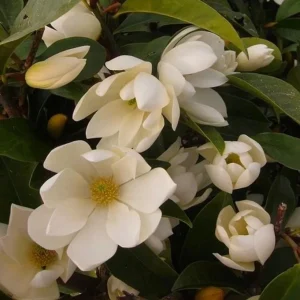
Discover the timeless elegance of the sweetbay magnolia tree, a captivating live plant renowned for its stunning, fragrant white blooms. This deciduous shrub or small tree, scientifically known as Magnolia virginiana, offers a sophisticated touch to any garden or landscape. Unlike some of its larger relatives, the sweetbay magnolia plant is typically more compact, making it an excellent choice for a variety of outdoor spaces. Each plant is carefully cultivated to provide a well-established start, arriving ready to be transplanted into your desired location. Its ability to adapt to different growing conditions and its breathtaking floral display make it a favorite among gardeners seeking both beauty and resilience.
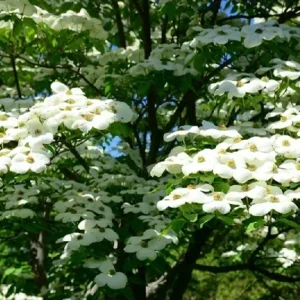
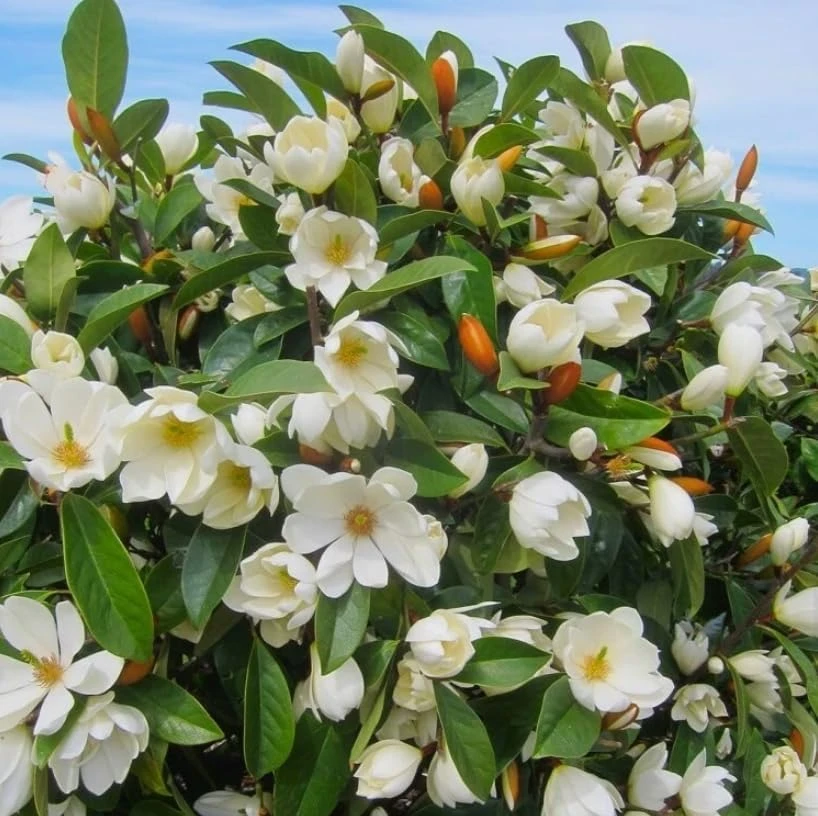
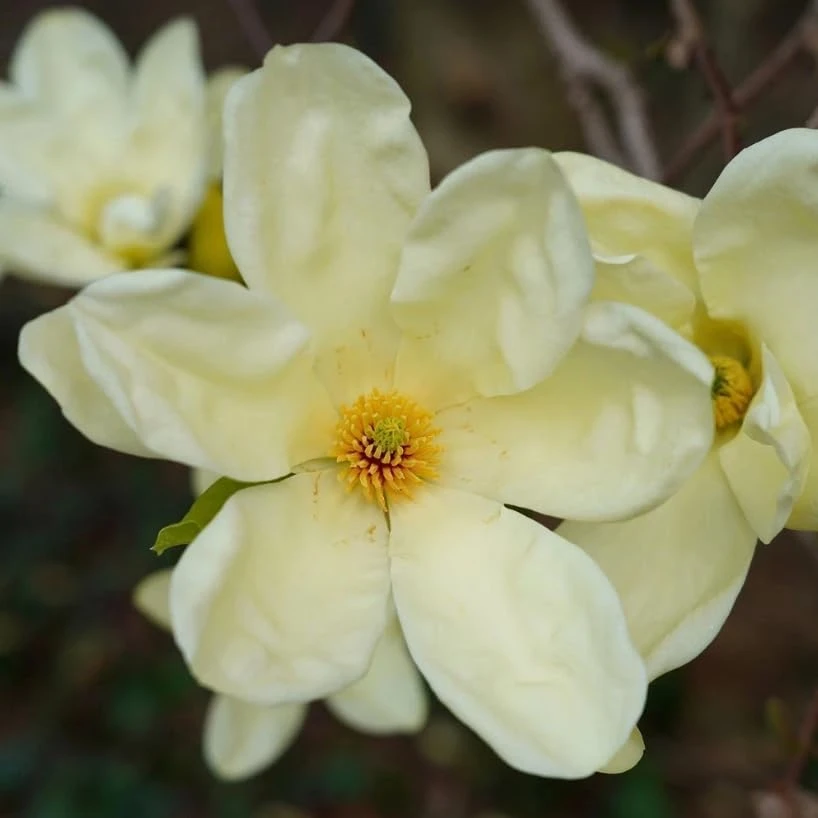
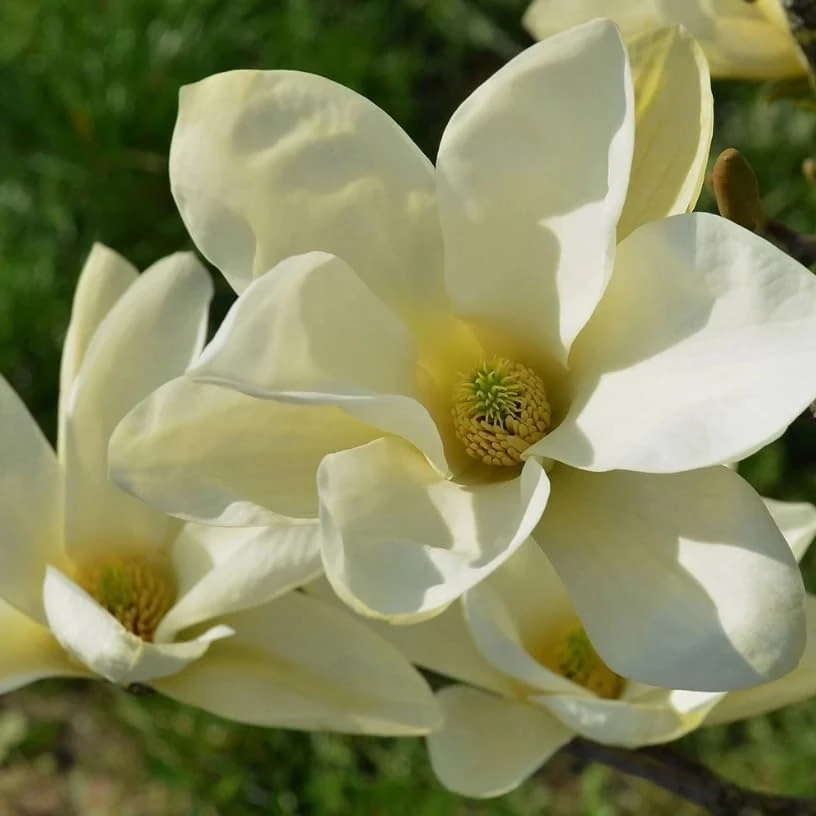
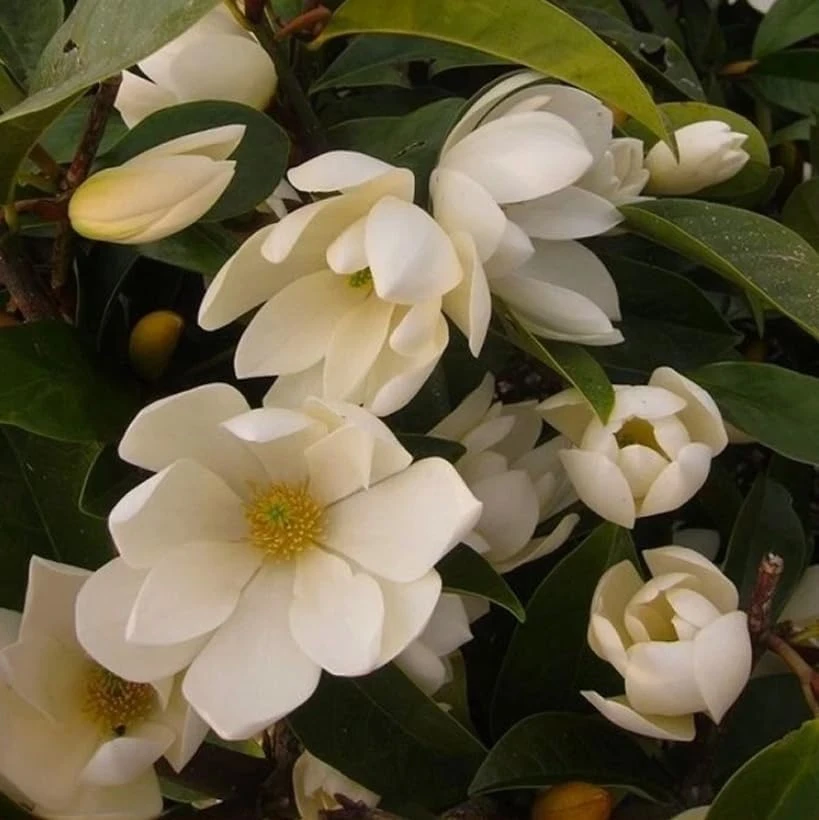
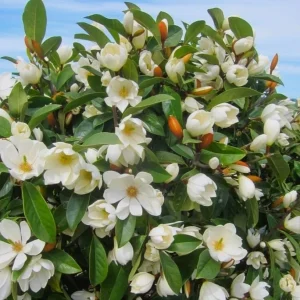
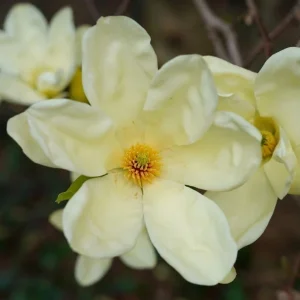
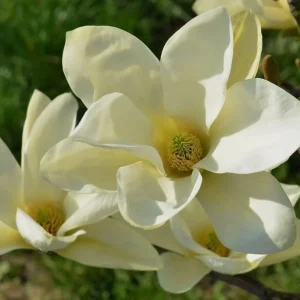
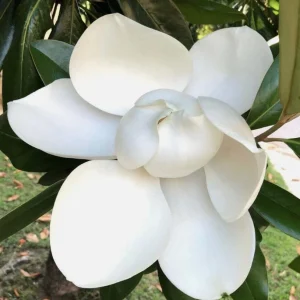
The sweetbay magnolia tree is particularly cherished for its creamy white, cup-shaped flowers that release a delightful lemon-like fragrance, especially on warm evenings. These blooms appear from late spring through summer, providing a prolonged period of beauty. Whether you envision it as a stately specimen tree, a lush privacy screen, or a charming border shrub, this magnolia variety offers exceptional versatility. Its glossy green leaves, often with a silvery underside, contribute to its year-round appeal, ensuring your garden remains vibrant even when not in bloom. Embrace the classic charm and intoxicating scent of this magnificent plant.
Key Benefits
Incorporating a sweetbay magnolia tree into your garden brings a multitude of advantages, from aesthetic appeal to ecological benefits. Its striking features and adaptable nature make it a highly desirable addition for both novice and experienced gardeners.
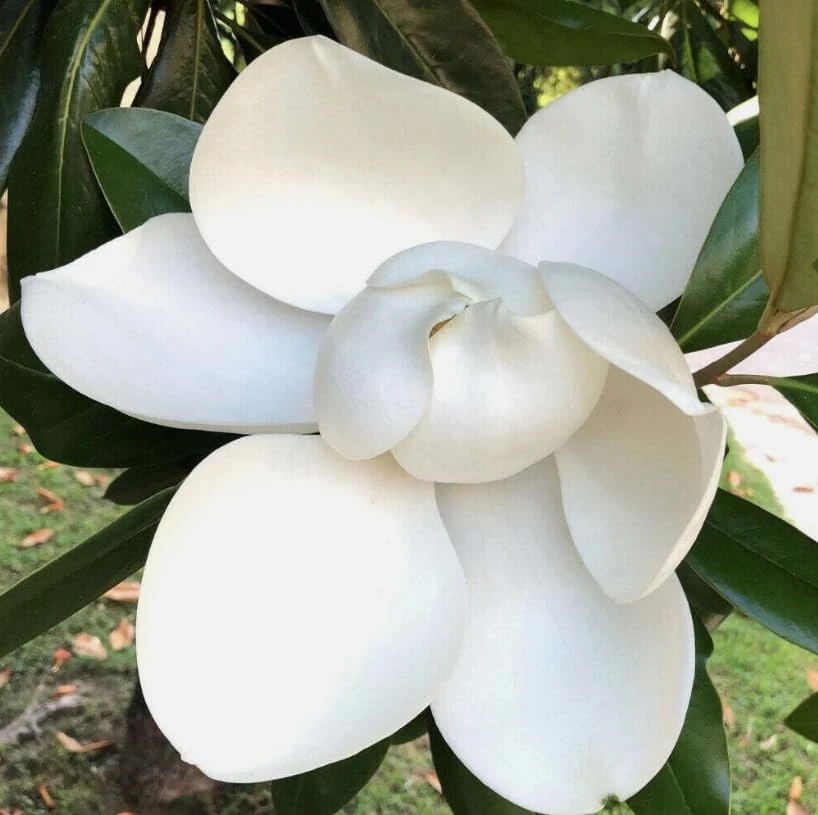
- Stunning Fragrant Blooms: The primary allure of this plant is its production of large, showy, white magnolia blossoms that emit a captivating, sweet, lemon-like fragrance. These blooms create an elegant and sensory-rich atmosphere in any outdoor setting.
- Versatile Landscape Use: This sweetbay magnolia plant can be cultivated as a multi-stemmed shrub or trained into a small, attractive tree, offering flexibility in garden design. It performs beautifully as a specimen plant, a privacy screen, or an ornamental border.
- Adaptable Growing Conditions: Thrives in a range of light conditions, from full sun to partial shade, and adapts well to various soil types, including moist areas where other magnolias might struggle. This resilience makes it suitable for diverse garden environments.
- Extended Bloom Season: Enjoy its beautiful flowers from late spring through summer, providing a longer period of interest compared to many other flowering trees and shrubs. The continuous display enhances garden beauty for months.
- Attractive Foliage: Beyond its flowers, the magnolia virginiana boasts glossy green leaves with silvery undersides, offering visual interest even when not in bloom. In warmer climates, it can be semi-evergreen, retaining some leaves through winter.
- Wildlife Attraction: The flowers attract pollinators such as bees, and its small red fruits (follicles) are a food source for birds, contributing to local biodiversity and supporting garden ecosystems.
- Low Maintenance: Once established, the white magnolia shrub is relatively low-maintenance, requiring minimal care to thrive. Its natural vigor and disease resistance make it an easy-care choice for busy gardeners.
Plant Care & Growing Tips
Caring for your sweetbay magnolia tree is straightforward, ensuring it flourishes and provides years of beauty. Understanding its specific needs for sunlight, water, and soil will help you cultivate a healthy and vibrant plant. This magnolia is known for its adaptability, making it a rewarding choice for many gardeners.
For optimal growth, plant your sweetbay magnolia plant in a location that receives full sun to partial shade. Full sun encourages more prolific flowering, while partial shade, especially in hotter climates, can protect its foliage from scorching. It prefers consistently moist, acidic soil that is rich in organic matter and well-draining. While it tolerates a range of soil types, including clay, it performs best when the soil is not overly dry. Water regularly, especially during dry spells and in its first year after planting, to establish a strong root system. Once established, it becomes more tolerant of varying moisture levels, though it appreciates consistent hydration.
The sweetbay magnolia tree is hardy in USDA zones 5-9. Fertilize in early spring with a balanced, slow-release fertilizer formulated for trees and shrubs. Avoid over-fertilizing, which can lead to excessive foliage growth at the expense of flowers. Pruning is generally not required, but you can remove dead, damaged, or crossing branches in late winter or early spring to maintain its shape and health. This versatile plant is generally pest and disease resistant, making it a robust addition to your landscape. Monitoring for common issues like leaf spot or scale and addressing them promptly will ensure the continued vigor of your fragrant white flowers.
Size & Details
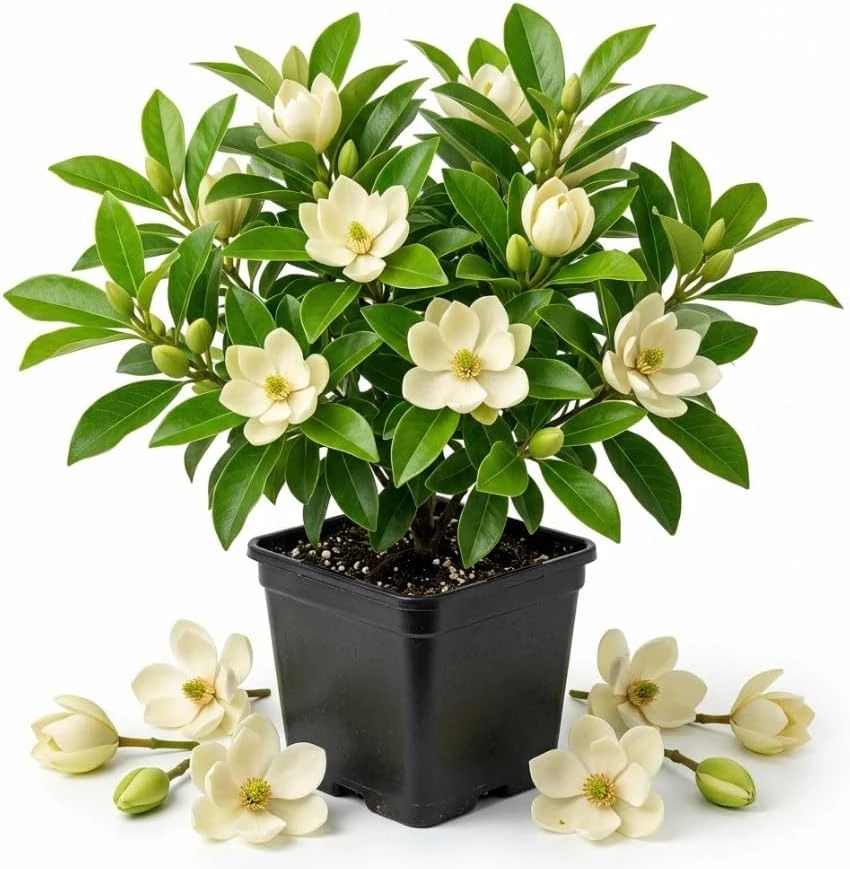
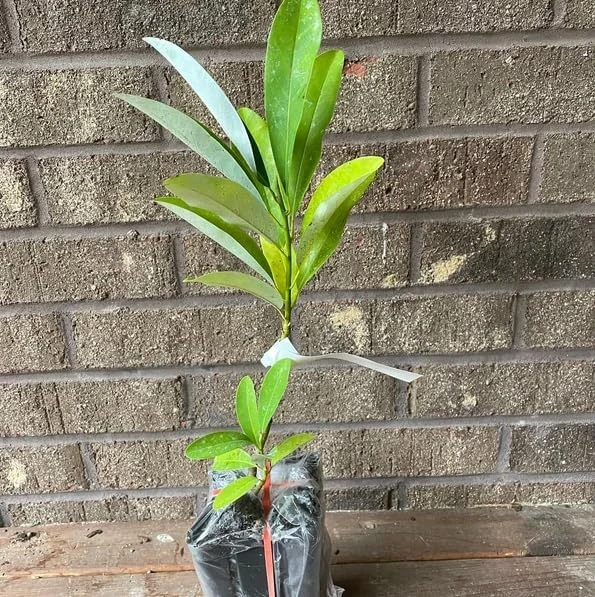
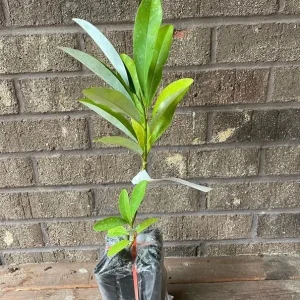
This sweetbay magnolia tree arrives as a vibrant live plant, carefully nurtured in a quart-sized container. Each plant stands approximately 9 to 18 inches tall from the base of the pot, providing a well-established specimen ready for transplanting. This size offers an excellent balance, being robust enough to handle transplant shock effectively while still being manageable for planting in your chosen garden spot.
The growth rate of the sweetbay magnolia plant is moderate, typically adding 1-2 feet per year once established. Over time, it can reach a mature height of 15-20 feet and a spread of 10-15 feet, depending on whether it’s grown as a multi-stemmed shrub or trained into a small tree. Expect to see its beautiful fragrant white flowers from late spring through summer, usually within the first few years after planting. The plant is shipped with its root ball intact within the quart pot, ensuring minimal disturbance and a smooth transition to your garden. Its compact size upon arrival makes it easy to handle and integrate into various landscape designs, from small urban gardens to larger estates.
Frequently Asked Questions
- Q: How big does this plant get? A: The sweetbay magnolia tree typically grows to a mature height of 15-20 feet and can spread 10-15 feet wide, depending on growing conditions and if it’s maintained as a shrub or small tree. Its moderate growth rate allows for careful planning in your landscape.
- Q: What size pot does it come in? A: Each sweetbay magnolia plant arrives in a quart-sized container, with the plant itself standing 9-18 inches tall from the base of the pot. This size is ideal for immediate transplanting and establishing in your garden.
- Q: Is this an indoor or outdoor plant? A: The sweetbay magnolia tree is an outdoor plant, highly suitable for garden landscapes, patios, and yards. It is not typically grown as an indoor houseplant due to its size and specific environmental needs.
- Q: How much sunlight does it need? A: This magnolia thrives in both full sun and partial shade. While full sun encourages more abundant flowering, partial shade can be beneficial in regions with intense afternoon heat, protecting the leaves from scorch.
- Q: Is this plant easy to care for? A: Yes, the sweetbay magnolia tree is considered relatively easy to care for once established. It’s adaptable to various soil conditions and light exposures, making it a good choice for gardeners of different experience levels.
- Q: What condition will it arrive in? A: Your sweetbay magnolia plant will arrive as a healthy, live plant, carefully packaged in its quart pot with soil, ready for transplanting. We take great care to ensure it reaches you in excellent condition.
- Q: How long until it blooms? A: The sweetbay magnolia tree typically begins to produce its beautiful white magnolia shrub flowers within the first few years after planting, often starting in late spring and continuing through summer. Established plants will have more prolific blooms.
- Q: Will it survive winter in my zone? A: This plant is cold-hardy and thrives in USDA Zones 5-9. If you are within these zones, your magnolia virginiana should successfully overwinter with proper care and establishment before the cold season.
- Q: What’s the minimum temperature it can tolerate? A: The sweetbay magnolia tree can tolerate temperatures down to approximately -20°F (Zone 5), making it a robust choice for many temperate climates. Protection during extreme cold snaps for young plants can be beneficial.
- Q: What is the best time to plant? A: The ideal time to plant your sweetbay magnolia tree is in spring or early fall. This allows the plant sufficient time to establish its root system before the stress of summer heat or winter cold.


Reviews
There are no reviews yet.