Overview
Introduce an exotic touch to your garden with the magnificent Tard Tamarind live plant. This impressive specimen, typically arriving 2 to 3 feet tall in a 3-gallon pot, is ready to establish itself and grow into a stately tree. The tamarind, scientifically known as Tamarindus indica, is celebrated for its elegant form and the culinary versatility of its fruit. Commonly found flourishing in tropical and subtropical regions, this tree is not only a source of delicious pods but also a beautiful landscape addition. Growing a Tard Tamarind live plant offers the unique opportunity to harvest your own fresh tamarind, a staple in many global cuisines.
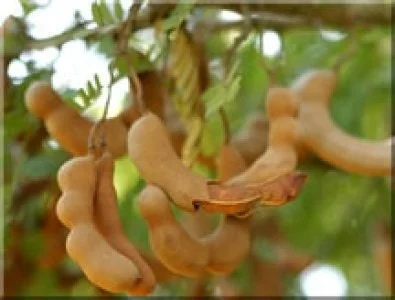
The tamarind tree is characterized by its dense foliage and graceful branches, making it a focal point in any garden. Its fruit, encased in a peapod-like legume, is typically six to eight inches long and hangs in attractive clusters. This tropical fruit tree is a long-lived species, providing years of bountiful harvests and aesthetic pleasure. If you’re looking to cultivate an unusual and rewarding fruit tree, the Tard Tamarind live plant is an excellent choice.
Key Benefits
The Tard Tamarind live plant offers a multitude of benefits, from its ornamental appeal to its delicious and versatile fruit. Growing your own tamarind ensures a fresh supply for all your culinary needs.
- Gourmet Culinary Ingredient: The fruit of the Tard Tamarind live plant is highly prized for its sweet and sour pulp. It’s eaten fresh, used in candies, and is a primary ingredient in sauces like Worcestershire, jerk, and various barbeque concoctions, adding a unique depth of flavor to your dishes.
- Beautiful Ornamental Tree: With its graceful form and dense, feathery foliage, the tamarind tree makes a stunning addition to any landscape. It provides shade and an exotic ambiance, enhancing the visual appeal of your garden.
- Long-Lived and Productive: Once established, tamarind trees are known for their longevity and consistent fruit production, offering many years of delicious harvests for you and your family.
- Adaptable to Warm Climates: Thriving in warm, tropical, and subtropical environments, this tree is well-suited for regions with mild winters, such as Southern Florida or similar climates.
- Unique Home Garden Addition: For those who enjoy growing unusual fruits, a tropical fruit tree like the tamarind provides a rewarding challenge and a conversation starter among garden enthusiasts.
- Potential for Shade: As it matures, the tamarind tree develops a broad canopy, providing excellent natural shade for your garden or patio area.
- Good for Wildlife: The flowers can attract pollinators, and the fruit may be enjoyed by local wildlife, contributing to your garden’s ecosystem.
Plant Care & Growing Tips
Caring for your Tard Tamarind live plant involves understanding its tropical origins to provide the best growing conditions. Tamarind trees thrive in climates with abundant sunshine and warm temperatures. They prefer a location that receives full sun, meaning at least 6-8 hours of direct sunlight per day. In very hot climates, some afternoon shade can be beneficial, especially for younger plants. They are somewhat drought-tolerant once established, but consistent watering is crucial during their initial growth phase and during dry spells to encourage fruit production. Ensure the soil is moist but not waterlogged.
The ideal soil for a growing tamarind tree is well-draining, sandy loam with a slightly acidic to neutral pH (6.0-7.0). Good drainage is paramount to prevent root rot. While they can tolerate a range of soil types, amending heavy clay soils with organic matter and sand will improve their performance. Tamarind trees are sensitive to cold and are best suited for USDA Zones 10-11, where temperatures rarely drop below freezing. If you’re in a cooler zone, consider growing it in a large container that can be moved indoors during winter. Fertilize young trees every 2-3 months with a balanced fertilizer, reducing frequency to 2-3 times a year for mature trees. Pruning should focus on shaping the tree and removing dead or diseased branches.
Size & Details
Your Tard Tamarind live plant will arrive as a vigorous young tree, typically measuring 2 to 3 feet in height from the base of the pot to the top of the foliage. It will be shipped securely in a 3-gallon nursery pot, providing a healthy root system for successful transplanting. The growth rate of a tamarind plant care depends on environmental conditions, but they are generally moderate growers, adding a foot or two of height per year under optimal conditions. Expect the tree to begin producing fruit within 3-5 years after planting, with yields increasing as the tree matures. This plant is a fantastic investment for anyone interested in edible tamarind fruit and establishing a long-term productive garden feature.
The ultimate size of a mature tamarind tree can vary, but in ideal conditions, it can reach heights of 40-80 feet with a similar spread, forming a dense, rounded canopy. However, it can be kept smaller with regular pruning, making it manageable for home gardens. The tree is delivered as a live, actively growing specimen, ready for immediate planting in its permanent spot or a larger container.
Frequently Asked Questions
- Q: How big does this Tard Tamarind live plant get? A: This plant will arrive 2 to 3 feet tall. In ideal conditions, a mature tamarind tree can grow quite large, reaching 40-80 feet, but can be maintained at a smaller size with regular pruning.
- Q: What size pot does it come in? A: The Tard Tamarind live plant is shipped in a 3-gallon nursery pot, providing a strong root system for healthy growth after transplanting.
- Q: Is this an indoor or outdoor plant? A: The tamarind is a tropical tree best suited for outdoor planting in USDA Zones 10-11. In cooler climates, it can be grown in a large container and moved indoors during winter.
- Q: How much sunlight does it need? A: This tree thrives in full sun, requiring at least 6-8 hours of direct sunlight daily to ensure optimal growth and fruit production.
- Q: Is this plant easy to care for? A: While tropical, tamarind trees are relatively low-maintenance once established, especially when planted in their preferred climate with well-draining soil and adequate sunlight. Consistent watering is key for young plants.
- Q: What condition will it arrive in? A: Your Tard Tamarind live plant will arrive as a healthy, actively growing specimen, carefully packaged to ensure its safe transit and readiness for planting.
- Q: Can I use the fruit of this edible tamarind fruit in cooking? A: Yes, tamarind fruit is highly versatile. It’s excellent for eating fresh, making candies, and is a key ingredient in many sauces, curries, and beverages due to its unique sweet and sour flavor.
- Q: How long until it produces fruit? A: Under optimal growing conditions and with good tamarind plant care, you can typically expect your tamarind tree to begin fruiting within 3-5 years after planting.
- Q: What’s the best soil for a growing tamarind tree? A: Tamarind trees prefer well-draining sandy loam soil with a slightly acidic to neutral pH. Good drainage is crucial to prevent root issues.
- Q: Will it survive winter in my zone? A: Tamarind trees are tropical and are sensitive to frost. They are best suited for USDA Hardiness Zones 10-11 and above. If you’re in a colder zone, provide winter protection or grow it in a container indoors.


Reviews
There are no reviews yet.