Overview
Discover the joy of growing your own berries with the exceptional Tatran red currant live plant. This robust and highly productive edible shrub is renowned for its vigorous growth and generous yields of large, succulent red currants. Originating from Czechoslovakia, the Tatran Red Currant is a prized variety known for its outstanding flavor profile, making it a versatile choice for fresh consumption, culinary creations, and juicing. As a live plant, it arrives ready to establish in your garden, offering the promise of delicious fruit for years to come. This plant is a fantastic addition to any edible landscape, providing both ornamental beauty and a bountiful harvest.
The Tatran red currant live plant is a self-pollinating shrub, meaning you only need one plant to produce fruit, though planting multiple can increase yields. It is perfectly suited for a wide range of climates, thriving in USDA Hardiness Zones 3 through 8. Gardeners seeking a reliable and low-maintenance fruiting plant will find this red currant an excellent choice. Its adaptability and disease resistance contribute to its popularity among home growers and commercial producers alike, ensuring a successful and rewarding growing experience.
Key Benefits
The Tatran red currant live plant offers numerous advantages for the home gardener, making it a highly desirable addition to any garden or orchard. Its easy care and generous production stand out among fruiting shrubs.
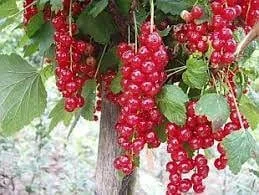
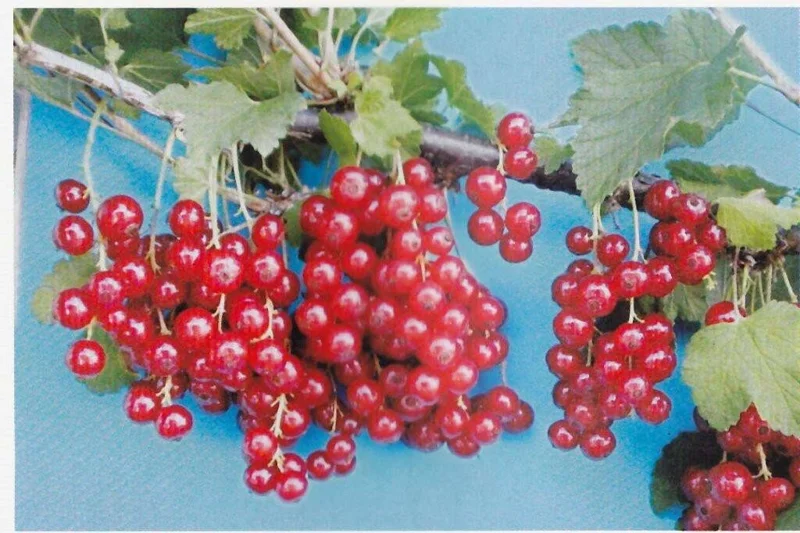
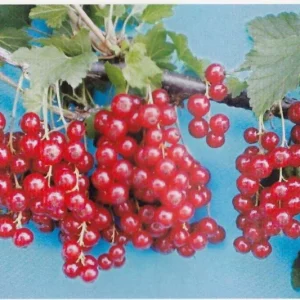
- Abundant and Flavorful Harvest: This variety is celebrated for its very productive late-season yield of bright red berries. The large, 10 mm diameter fruits grow in impressive clusters, averaging 25 berries per cluster, making them ideal for fresh markets and home use.
- Self-Pollinating Convenience: As a self-pollinating plant, you don’t need a second currant bush for fruit production, simplifying garden planning and ensuring a harvest even with limited space. This feature makes it a truly hassle-free edible fruiting plant.
- Cold Hardy and Resilient: Thriving in USDA Zones 3-8, this cold hardy currant is incredibly resilient, capable of withstanding harsh winter conditions and bouncing back to produce fruit reliably each year.
- Versatile Culinary Uses: The Tatran red currants are perfect for eating fresh, cooking into jams, jellies, and pies, or juicing for refreshing drinks. Their tart-sweet flavor is highly sought after.
- Vigorous Growth & Easy Care: The bush exhibits high vigor, reaching 3-5 feet tall, and is relatively low maintenance, requiring minimal intervention once established. It’s an excellent choice for both experienced and novice gardeners.
- Pesticide-Free Growing: These plants are grown naturally without chemicals or pesticides, ensuring a healthy and environmentally friendly addition to your garden and a safe harvest for your family.
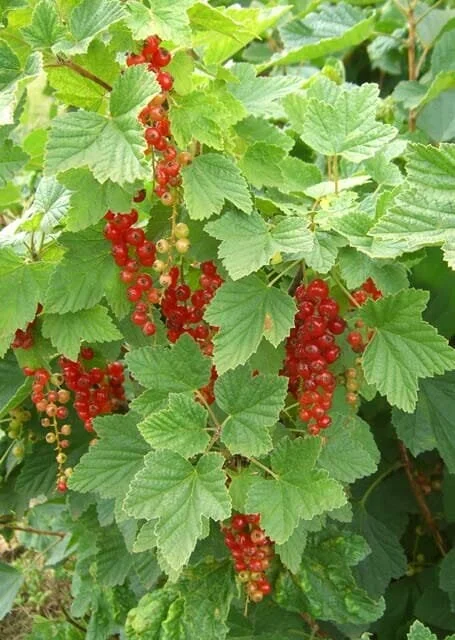
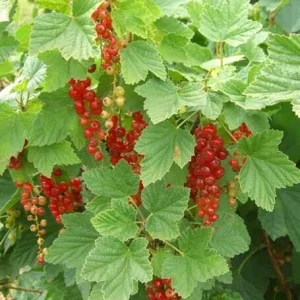
- Attractive Garden Addition: Beyond its fruit, the red currant shrub offers attractive foliage and vibrant red berries, adding ornamental value to your landscape throughout the growing season.
Plant Care & Growing Tips
Caring for your Tatran red currant live plant is straightforward, ensuring a bountiful harvest with proper attention. These plants prefer a location with full sun to partial shade. Full sun (at least 6-8 hours of direct sunlight daily) will generally lead to the best fruit production. In hotter climates, some afternoon shade can prevent scorching. Ensure your planting site has well-draining soil, as currants do not tolerate soggy conditions. A slightly acidic to neutral pH (6.0-7.0) is ideal. Amending heavy clay soils with organic matter like compost will improve drainage and fertility.
Watering is crucial, especially during dry spells and fruit development. Keep the soil consistently moist but not waterlogged. Deep watering once or twice a week is usually sufficient, adjusting based on weather conditions. Fertilize in early spring with a balanced, slow-release fertilizer or a layer of compost around the base of the plant. Pruning is essential for maintaining plant health and maximizing fruit yield. In late winter or early spring, remove any dead, damaged, or weak branches. Thin out older, less productive stems to encourage new growth, as currants fruit best on 2-3 year old wood. This practice helps ensure your self-pollinating currant remains productive.
Protect your Tatran red currant live plant from pests and diseases by maintaining good air circulation and practicing good garden hygiene. While generally robust, watch for common issues like powdery mildew or currant borers. Choosing resistant varieties and prompt action can mitigate problems. The plant enters a semi-dormant period in summer where it may lose leaves, then grow new ones in fall, which is a natural part of its cycle. Given its cold-hardy nature, it will tolerate winter dormancy well in its recommended zones. For optimal growth and fruiting, ensure consistent care throughout the seasons.
Size & Details
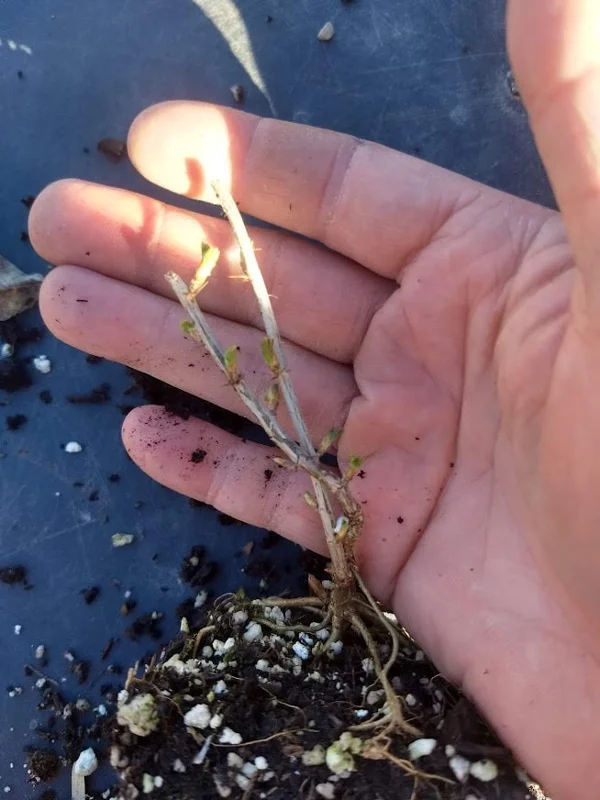
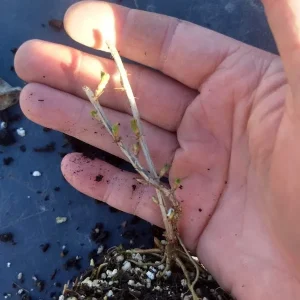
You will receive one rooted starter plant of the Tatran red currant live plant. These plants are shipped out of their growing pot to ensure safe transit and are carefully packaged in a box to protect them during delivery. The plants are grown naturally without pesticides, ensuring a healthy start for your garden. While the size of the starter plant may vary slightly upon arrival, they are vigorous growers and establish quickly.
Once mature, the red currant shrub will typically reach a height of 3-5 feet. It is a very productive late-season variety, with fruit expected to develop the year after planting. Each bush can yield up to 20 pounds (10 kg) of large, bright red berries annually when fully mature. The berries are approximately 10 mm in diameter and form long clusters, averaging 25 berries per cluster, with clusters reaching up to 10 cm in length. This makes them highly desirable for both fresh consumption and processing. This edible fruiting plant offers a significant return on your gardening efforts.
Frequently Asked Questions
- Q: How big does this Tatran red currant live plant get? A: This red currant shrub will typically reach a mature height of 3-5 feet tall, forming a robust and productive bush. Its vigorous growth habit helps it establish quickly in your garden.
- Q: Is this an indoor or outdoor plant? A: The Tatran red currant live plant is an outdoor fruiting shrub. It thrives in garden settings and requires outdoor conditions to produce fruit effectively. It is not suitable as an indoor houseplant.
- Q: How much sunlight does this cold hardy currant need? A: For best fruit production, this plant prefers full sun, meaning at least 6-8 hours of direct sunlight per day. In very hot climates, it can tolerate some afternoon shade.
- Q: What condition will the Tatran red currant arrive in? A: You will receive one rooted starter plant. It is shipped out of its growing pot and carefully packaged in a box to protect it during transit. The plant may be dormant depending on the season.
- Q: Is this plant easy to care for, especially for beginners? A: Yes, the Tatran red currant live plant is considered relatively easy to care for. It’s a vigorous grower and self-pollinating, making it a great choice for both experienced and novice gardeners looking for an edible fruiting plant.
- Q: What USDA Hardiness Zones is this red currant suitable for? A: This plant is very cold hardy and thrives in USDA Hardiness Zones 3 through 8, making it adaptable to a wide range of climates.
- Q: When can I expect fruit from my self-pollinating currant plant? A: Under optimal growing conditions, you can typically expect your Tatran red currant live plant to begin producing fruit the year after it is planted. Yields will increase as the plant matures.
- Q: Can I use the berries for juicing or cooking? A: Absolutely! The Tatran red currants are highly versatile. They are excellent for fresh eating, but also perfect for making delicious jams, jellies, pies, and refreshing juices.
- Q: Is this a self-pollinating currant? A: Yes, the Tatran red currant is a fully self-pollinating variety, meaning you only need one plant to get a harvest. However, planting multiple bushes can often lead to even higher yields.
- Q: Are these plants grown without pesticides? A: Yes, these plants are grown naturally without the use of chemicals or pesticides, ensuring a healthy and environmentally conscious product for your garden.


Reviews
There are no reviews yet.