Overview
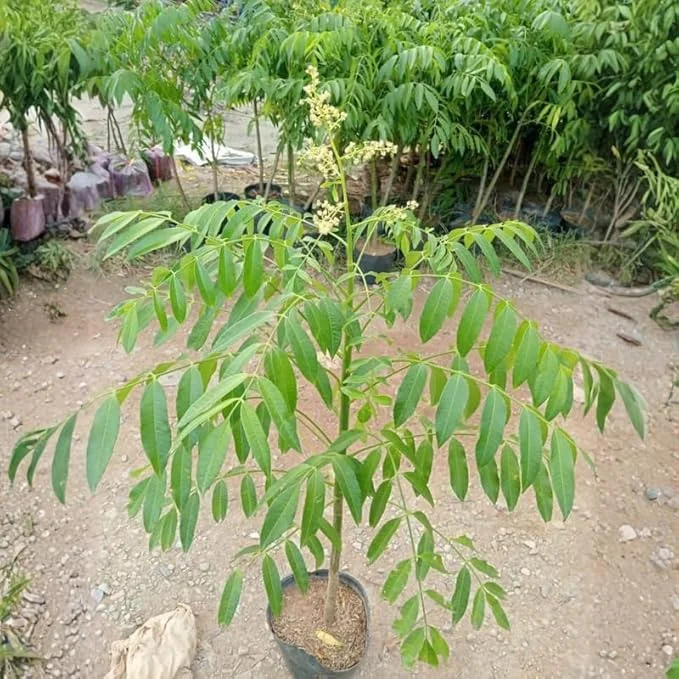
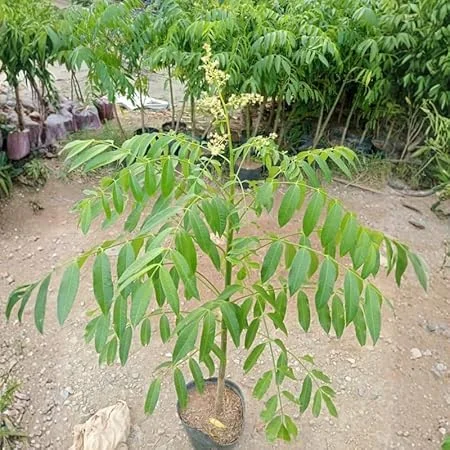
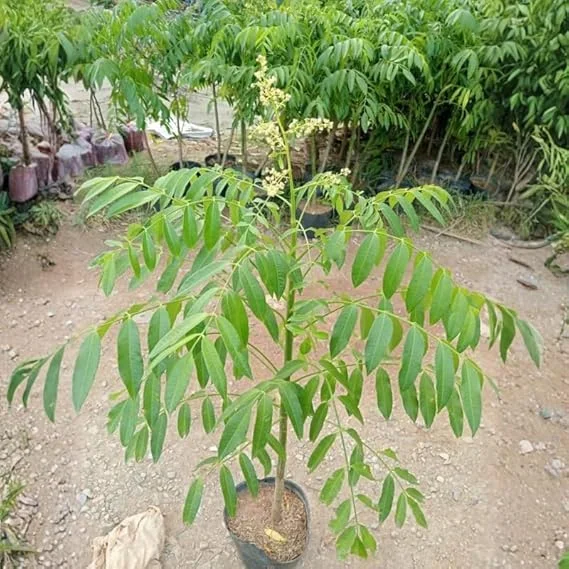
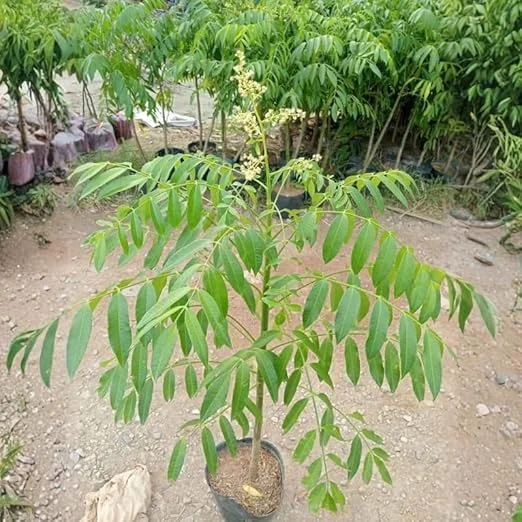
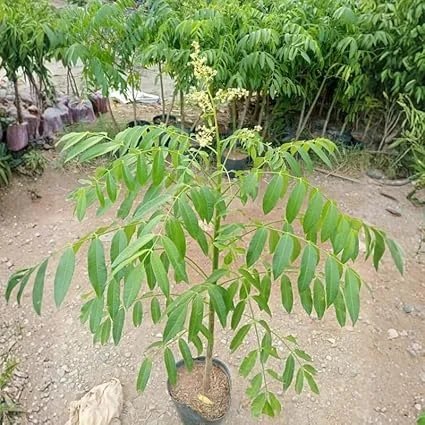
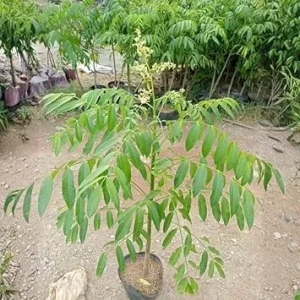
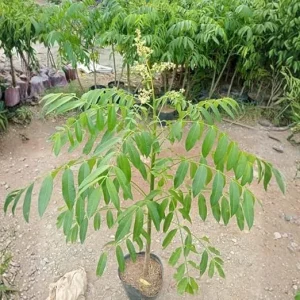
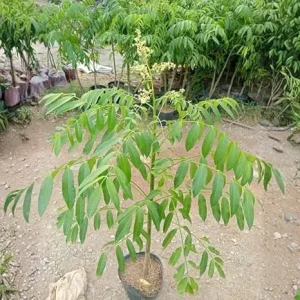
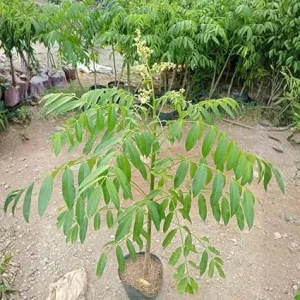
Cultivate your own exotic harvest with the robust Thai June Plum Tree live plant. Also known as Ambarella or Spondias dulcis, this tropical fruit tree is celebrated for its distinctive, tangy, and crunchy fruit. Originating from the South Pacific, the June Plum has found a beloved place in warm climates worldwide, prized for its refreshing taste and versatility. This particular specimen arrives as a healthy, well-established plant, approximately 2-3 years old, carefully nurtured in a 3-gallon container. It’s perfectly poised for transplanting, whether you choose to integrate it into your garden landscape or maintain it as a magnificent container plant on your patio. The June Plum is not just a source of delicious fruit; its lush green foliage adds a vibrant tropical aesthetic to any setting, making it a wonderful addition for both edible landscaping and ornamental appeal. Prepare to enjoy the unique flavors and beauty this exceptional tree brings to your home.
The Thai June Plum Tree live plant is a fantastic choice for gardeners seeking a productive and attractive fruit tree. Its rapid growth rate ensures you won’t have to wait long to see results, and its adaptability means it can thrive in a variety of warm settings. This well-rooted plant promises a strong start, allowing you to quickly establish a fruitful presence in your outdoor space.
Key Benefits
Adding a Thai June Plum Tree live plant to your garden offers a multitude of rewards, from its delicious fruit to its easy-care nature:
- Produces Delicious, Tangy Fruit: Enjoy an abundant harvest of unique June Plums, known for their crisp texture and refreshing, tangy flavor. Perfect for eating fresh, making juices, or culinary creations.
- Fast-Growing & Adaptable: This tree establishes quickly, allowing you to enjoy its benefits sooner. It’s also highly adaptable to various warm climate conditions, making it a resilient choice for many gardeners.
- Versatile Planting Options: Whether you have ample garden space or prefer container gardening, the Thai June Plum Tree live plant can be successfully grown in the ground or in large pots, offering flexibility for different garden styles.
- Strong, Healthy Start: Each plant is well-rooted and robust, ensuring it arrives ready to thrive in its new environment. Its vibrant green leaves indicate excellent health and vigor.
- Tropical Aesthetic Appeal: Beyond its fruit, the June Plum tree provides a beautiful tropical look to your landscape or patio, enhancing the visual appeal of your outdoor living spaces.
- Low Maintenance: Once established, the June Plum care requirements are relatively straightforward, making it suitable for both experienced gardeners and those new to growing tropical fruit.
- Excellent for Warm Climates: Thrives in subtropical and tropical regions, bringing an authentic taste of the tropics to your home garden.
Plant Care & Growing Tips
Caring for your Thai June Plum Tree live plant is a rewarding experience, leading to bountiful harvests and lush foliage. This tropical tree thrives in warm, sunny conditions. It requires at least 6-8 hours of direct sunlight per day to produce the best fruit. In very hot climates, some afternoon shade can be beneficial to prevent leaf scorch. When planting, ensure the soil is well-draining, as June Plums do not tolerate waterlogged conditions. A slightly acidic to neutral soil pH (6.0-7.0) is ideal. Amending heavy clay soils with organic matter like compost or perlite can significantly improve drainage and aeration.
Watering is crucial, especially during dry periods and when the tree is young. Keep the soil consistently moist but never soggy. Allow the top few inches of soil to dry out slightly between waterings. Once established, the tree can tolerate some drought but will produce more fruit with regular irrigation. Fertilize your Spondias dulcis plant regularly during the growing season (spring and summer) with a balanced, slow-release fertilizer or one formulated for fruit trees. Follow the product instructions for application rates. Pruning should focus on maintaining a manageable size, removing dead or diseased branches, and encouraging good air circulation within the canopy. This also helps improve fruit production and accessibility.
The June Plum growing tips emphasize protection from cold. While mature trees can tolerate brief dips in temperature, young plants are more susceptible to frost damage. If you live in an area with occasional cold snaps, consider growing your tree in a large container that can be moved indoors or provide temporary frost protection. Common pests are generally not a severe issue, but monitor for aphids or mealybugs and treat with insecticidal soap if necessary. With proper care, your tropical fruit tree will flourish, providing you with delicious fruit for years to come.
Size & Details
This offering is for one healthy Thai June Plum Tree live plant, which arrives well-established in a 3-gallon nursery pot. The plant is approximately 2-3 years old, indicating a robust root system and a strong start for continued growth. At this age, the tree typically stands between 2 to 4 feet tall, though exact measurements may vary slightly due to natural plant growth. June Plum trees are known for their fast growth rate, and under optimal conditions, they can reach mature heights of 30-60 feet when planted in the ground. However, they can be effectively maintained at a smaller, more manageable size through regular pruning, especially when grown in containers. The plant is shipped with soil intact, ensuring minimal transplant shock and providing a seamless transition to your garden or larger pot. Expect vibrant green leaves and a sturdy trunk, ready to develop into a productive and beautiful fruit-bearing tree.
Frequently Asked Questions
- Q: How big does this Thai June Plum Tree get? A: When planted in the ground, a mature Thai June Plum Tree can reach heights of 30-60 feet. However, it can be kept much smaller and more manageable through regular pruning, especially if grown in a large container.
- Q: What size pot does it come in? A: This Thai June Plum Tree live plant is shipped in a 3-gallon nursery pot, providing ample space for its well-developed root system and ensuring a strong start.
- Q: Is this an indoor or outdoor plant? A: The Thai June Plum Tree is a tropical outdoor plant. It thrives in warm climates and is best suited for growing outdoors in full sun. In colder regions, it can be grown in a container and brought indoors during winter.
- Q: How much sunlight does it need? A: This tree requires at least 6-8 hours of direct sunlight per day to produce the best fruit and maintain vigorous growth. Full sun exposure is ideal for optimal health and fruit production.
- Q: Is this plant easy to care for? A: The June Plum care is considered relatively easy, especially in appropriate climates. It requires consistent watering, good drainage, and regular fertilization. It’s a great choice for gardeners looking for a tropical fruit tree without overly complex needs.
- Q: What condition will it arrive in? A: Your Thai June Plum Tree live plant will arrive well-rooted and healthy, carefully packaged in its 3-gallon pot with soil. We take great care to ensure it reaches you in excellent condition, ready for transplanting.
- Q: Can I use June Plum fruit in cooking? A: Absolutely! June Plums are highly versatile. They can be eaten fresh, used in salads, made into juices, jams, or even pickled. Their tangy flavor adds a unique twist to many dishes.
- Q: How long until it produces fruit? A: Since this plant is already 2-3 years old, it is well on its way to maturity. Under ideal growing conditions, you can expect fruit production within 1-2 years after planting, possibly even sooner.
- Q: What is the best soil for a June Plum tree? A: June Plum trees prefer well-draining soil with a slightly acidic to neutral pH (6.0-7.0). A good quality potting mix for fruit trees or a loamy garden soil amended with organic matter works well.
- Q: Will it survive winter in my zone? A: The Thai June Plum Tree is a tropical plant and is not frost-tolerant. It thrives in USDA zones 9-11. If you are in a colder zone, it’s best to grow it in a pot and provide winter protection or bring it indoors.


Reviews
There are no reviews yet.