Overview
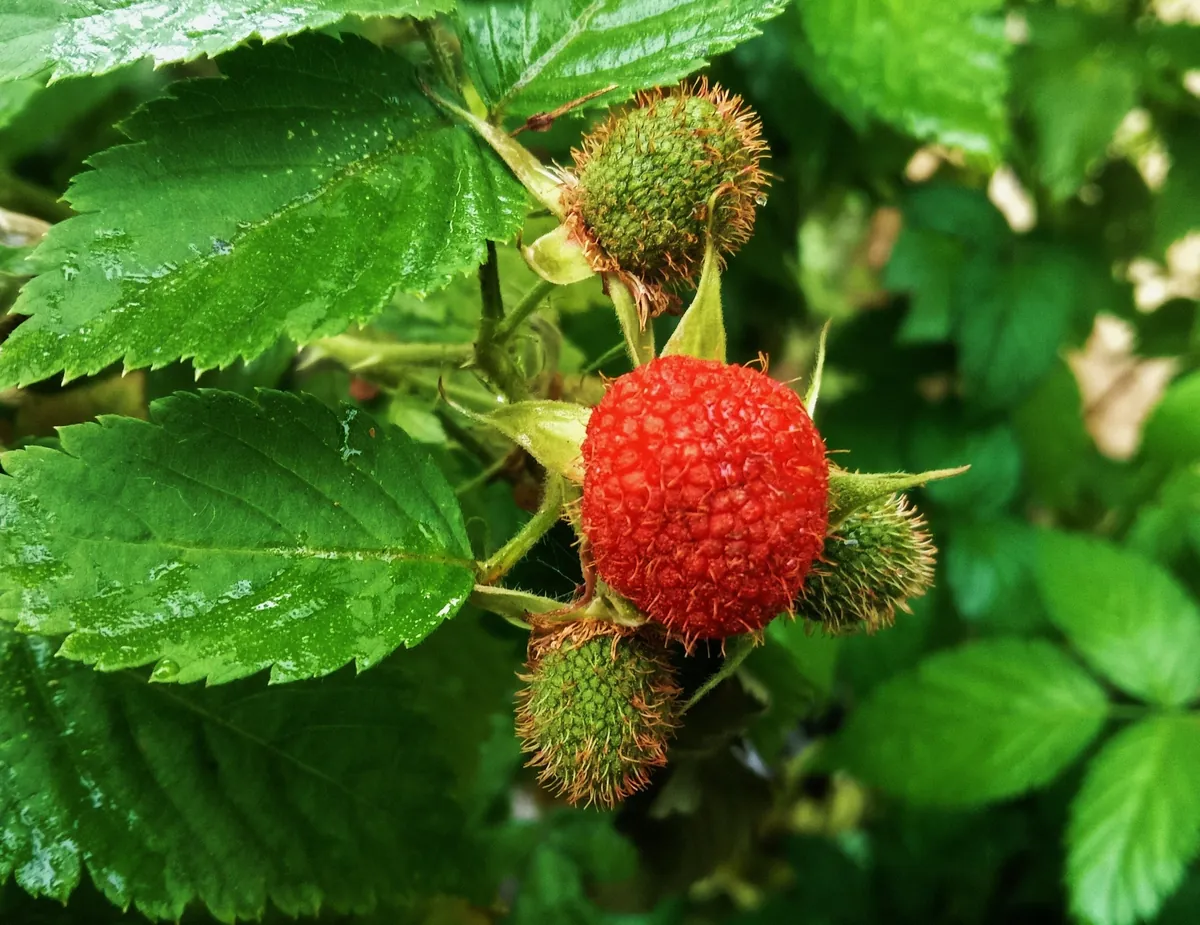
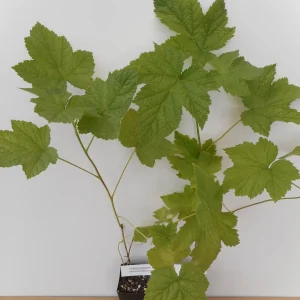
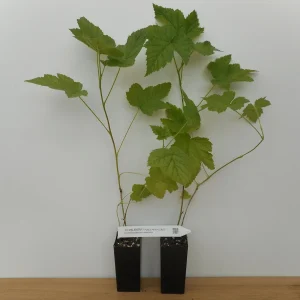
Introduce a touch of native wilderness and delicious flavor to your garden with the thimbleberry live plant, scientifically known as Rubus parviflorus. This remarkable deciduous shrub is celebrated for its rich, tart berries, reminiscent of raspberries but with a distinct, bolder taste. Our thimbleberry live plant arrives as a 2-year-old starter plant, typically 8-14 inches tall, rooted in a 3 1/2 inch pot, ready to establish itself in your landscape. Native to various regions across western and northern North America, the thimbleberry is an excellent choice for those seeking an ornamental fruiting plant that also supports local ecosystems. Its thornless nature makes it a safe and enjoyable addition to any garden, particularly in areas frequented by children or pets. Beyond its culinary appeal, Rubus parviflorus contributes significantly to wildlife habitats, providing food and shelter for various species.
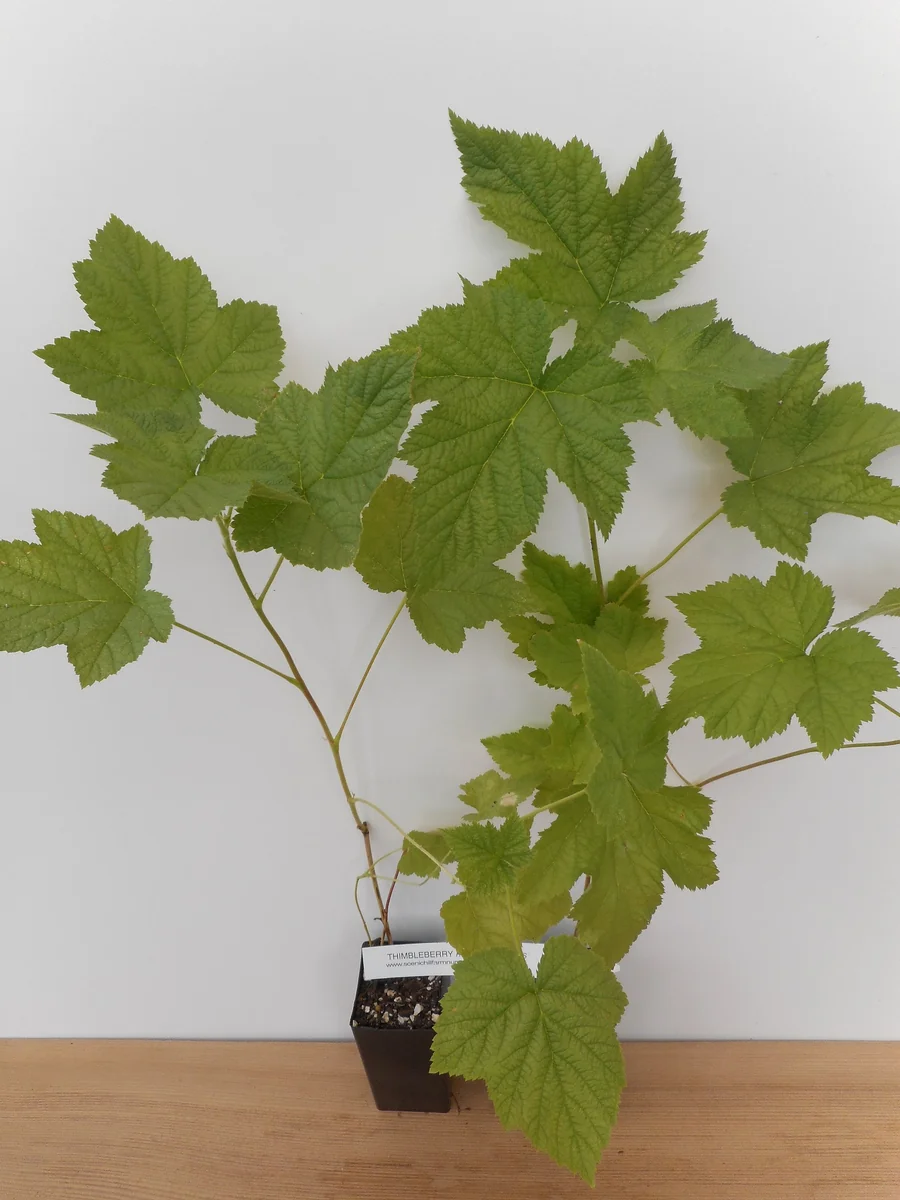
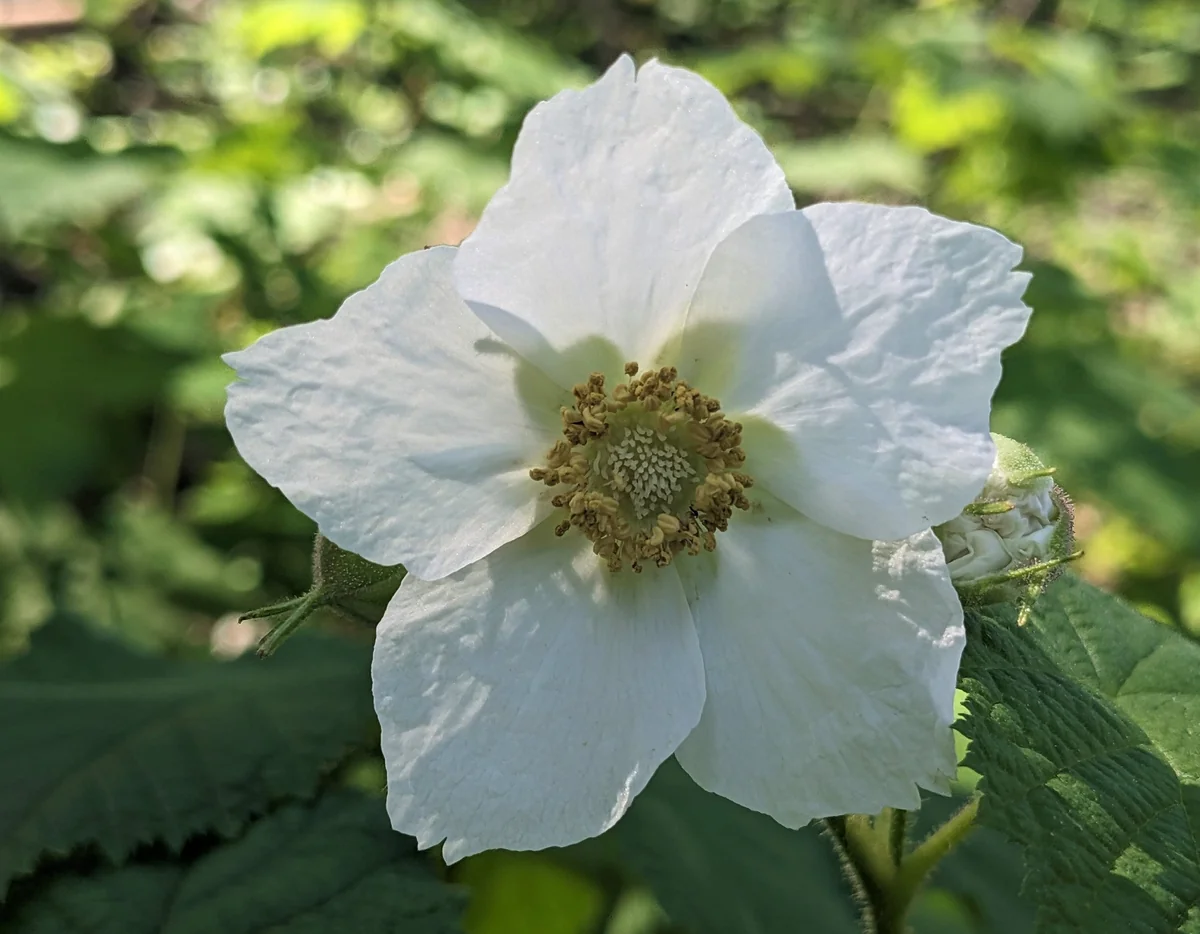
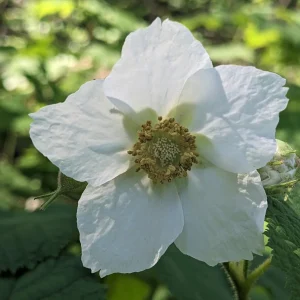
The beauty of the thimbleberry live plant extends beyond its fruit. It features large, soft, maple-looking leaves that provide a lush, textural contrast to other garden shrubs, culminating in a vibrant golden-yellow display in the fall. Fragrant white flowers, appearing in clusters, herald the arrival of its flavorful berries. Whether you’re looking to enhance a woodland garden, create an erosion control solution, or engage in habitat restoration, this versatile native plant thimbleberry offers both aesthetic and ecological benefits.
Key Benefits
Choosing a thimbleberry live plant for your garden offers a multitude of advantages, blending ornamental beauty with practical applications and ecological value. This robust shrub is a fantastic investment for any gardener looking to cultivate a dynamic and productive landscape.
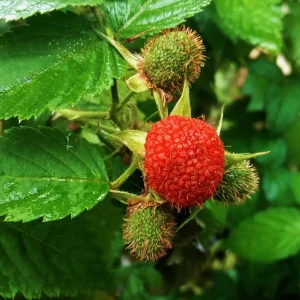
- Delicious Edible Berries: Enjoy a bounty of flavorful berries that boast a richer, more tart taste than traditional raspberries. These berries are excellent for fresh eating, making jams, jellies, and other culinary delights, providing a unique taste experience from your own backyard.
- Thornless Growth Habit: Unlike many other berry-producing plants, the thornless berry plant nature of the thimbleberry makes it incredibly easy and safe to harvest fruit and manage without the worry of painful pricks, ideal for family gardens.
- Attractive Ornamental Features: With large, soft, maple-like leaves that turn a striking golden yellow in fall, and fragrant white blossoms in spring, the thimbleberry offers year-round visual interest and contributes significantly to garden aesthetics.
- Supports Local Wildlife: As a native plant thimbleberry, it provides essential food and habitat for various birds, pollinators, and other small wildlife, helping to foster biodiversity and ecological balance in your garden.
- Erosion Control and Habitat Restoration: This plant spreads by underground roots, forming dense thickets that are highly effective for stabilizing soil on slopes and in disturbed areas. It’s a valuable species for ecological restoration projects.
- Low Maintenance and Adaptable: Once established, the thimbleberry live plant is relatively low maintenance, thriving in a range of conditions and proving to be a resilient addition to diverse garden settings, from woodland borders to open landscapes.
- Fragrant Flowers and Berries: Both the blossoms and the ripe fruit emit a delightful fragrance, adding an extra sensory dimension to your garden experience.
Plant Care & Growing Tips
Caring for your thimbleberry live plant (Rubus parviflorus) is straightforward, making it an excellent choice for both novice and experienced gardeners. This adaptable native shrub thrives when its basic needs for sunlight, water, and soil are met, ensuring a healthy plant that produces an abundance of delicious berries.
For optimal growth and fruit production, plant your thimbleberry live plant in a location that receives full sun to part shade. While it can tolerate some shade, more sunlight generally leads to more prolific flowering and fruiting. Aim for at least 4-6 hours of direct sunlight daily. The thimbleberry prefers rich, organic, acidic, and moist well-drained soils. Incorporating compost or other organic matter into the planting site will significantly benefit its growth. Ensure consistent moisture, especially during dry spells and the plant’s establishment phase, as it requires regular watering to thrive. However, good drainage is crucial to prevent root rot. You can enhance the soil’s acidity if needed by adding peat moss or pine needles.
The thimbleberry live plant is hardy in USDA Zones 3-8, making it suitable for a wide range of climates. It typically grows to a height of 2-8 feet and spreads by underground roots, forming dense thickets. Plant individual plants 3-4 feet apart to allow for proper air circulation and growth. Pruning can be done in late winter or early spring to remove dead or weak canes and to maintain the desired shape and size. Fertilization is generally not heavily required if planted in rich soil, but a balanced, slow-release organic fertilizer in early spring can promote vigorous growth. This Rubus parviflorus care guide focuses on providing the ideal conditions for your plant to flourish, ensuring it becomes a productive and beautiful part of your landscape. The plant is naturally resistant to many pests and diseases, further simplifying its care.
Size & Details
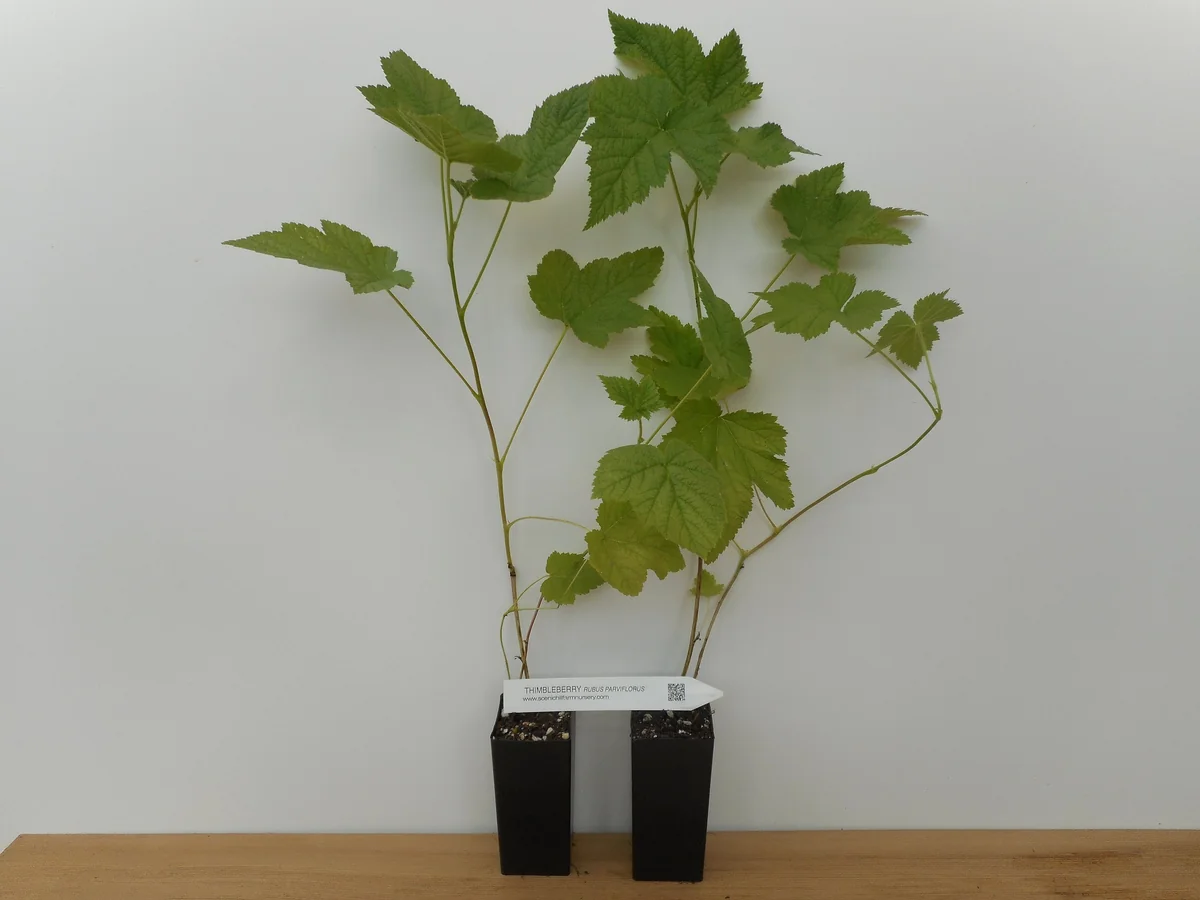
Each thimbleberry live plant you receive is a robust 2-year-old starter plant, cultivated for strong establishment in your garden. These plants typically measure between 8-14 inches tall upon arrival, providing a substantial foundation for future growth. They are carefully shipped rooted in soil within 3 1/2 inch tall pots, ensuring minimal transplant shock and a smooth transition to your landscape. While these are young plants, they are expected to begin fruiting next year, offering a relatively quick reward for your gardening efforts.
The mature size of the thimbleberry live plant ranges from 2 to 8 feet in height, with a similar spread as it forms dense thickets via underground roots. Its growth rate is moderate, allowing it to establish and expand effectively without becoming overly aggressive. The large, soft, maple-looking leaves provide excellent foliage contrast throughout the growing season, culminating in a beautiful golden-yellow fall color. These plants are completely thornless, making them a safe and pleasant addition to any garden area. They are well-suited for USDA Zones 3-8, demonstrating excellent cold hardiness. When planting, space individual plants 3-4 feet apart to accommodate their mature size and spreading habit.
Frequently Asked Questions
- Q: How big does this thimbleberry live plant get? A: Thimbleberry plants typically grow to a mature height of 2 to 8 feet and can spread similarly through underground roots, forming dense thickets. The size can be managed with pruning to fit your garden space.
- Q: What size pot does it come in? A: Your thimbleberry live plant will arrive rooted in soil in a 3 1/2 inch tall nursery pot, ready for transplanting into your garden or a larger container.
- Q: Is this an indoor or outdoor plant? A: The thimbleberry live plant is an outdoor shrub, native to North America and best suited for garden beds, woodland areas, or as part of a hedge. It thrives in outdoor conditions within its recommended USDA hardiness zones.
- Q: How much sunlight does it need? A: This plant performs best in full sun to part shade. For optimal fruit production, aim for at least 4-6 hours of direct sunlight daily. It can tolerate more shade but may produce fewer berries.
- Q: Is this plant easy to care for? A: Yes, the thimbleberry live plant is considered relatively easy to care for, especially once established. It requires consistent moisture and well-draining soil, but is otherwise quite resilient and low-maintenance, making Rubus parviflorus care manageable for most gardeners.
- Q: What condition will it arrive in? A: Your 2-year-old starter plant will arrive rooted in soil within its nursery pot. During fall and winter, plants ship dormant without leaves, which is a natural and healthy state for deciduous shrubs.
- Q: How long until it fruits? A: These are 2-year-old starter plants and are expected to begin producing fruit in the year following planting, offering a relatively quick turnaround for fresh berries.
- Q: Will it survive winter in my zone? A: The thimbleberry live plant is hardy in USDA Zones 3-8, meaning it is well-adapted to survive cold winters in a wide range of temperate climates.
- Q: Is this a thornless berry plant? A: Yes, one of the key advantages of Rubus parviflorus is its completely thornless canes, making it very pleasant and safe to handle and harvest berries from.
- Q: Why should I choose a native plant thimbleberry for my garden? A: Choosing a native plant like thimbleberry supports local ecosystems, provides food and habitat for wildlife, and is generally well-adapted to regional climates, requiring less intervention once established. It’s an excellent choice for a sustainable and biodiverse garden.


Reviews
There are no reviews yet.