

Overview
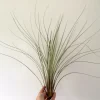
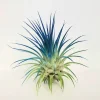
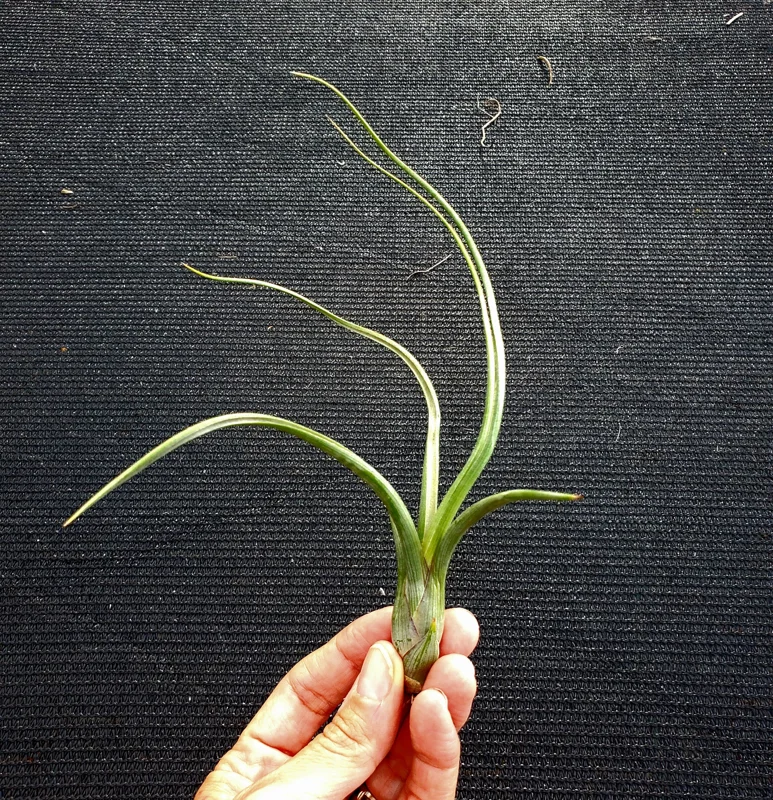
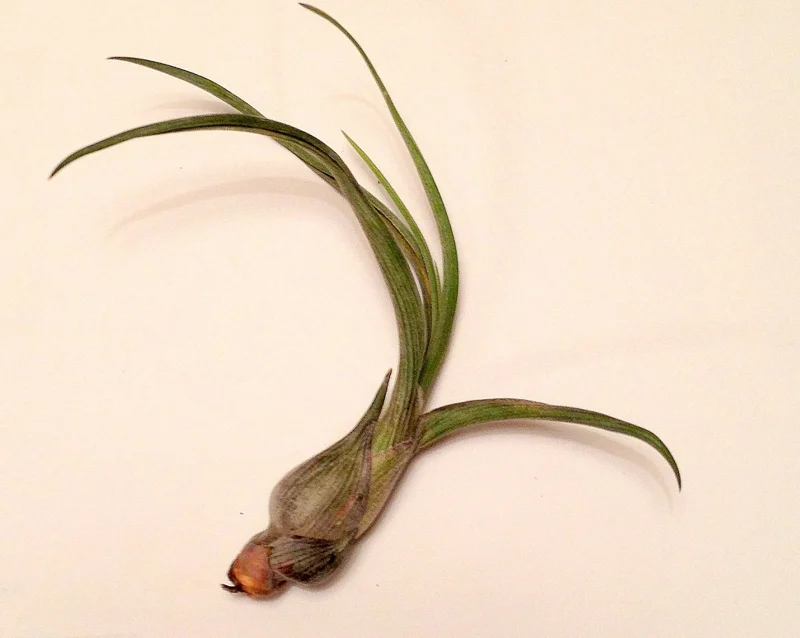
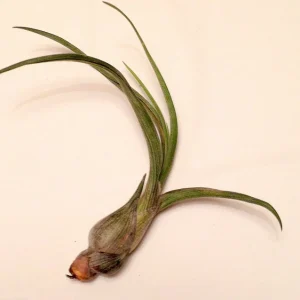
Transform your living space with the exquisite Tillandsia Pseudobaileyi air plant, a fascinating and low-maintenance indoor plant that brings a touch of tropical elegance. Known for its unique, bulbous base and gracefully arching, silvery-green leaves, this particular species, often referred to as ‘baylii’, is highly sought after by collectors and plant enthusiasts. Unlike traditional potted plants, the Tillandsia Pseudobaileyi air plant doesn’t require soil, making it incredibly versatile for display in terrariums, on driftwood, or simply nestled in decorative containers. This live air plant is a true marvel of nature, adapting to its environment by absorbing nutrients and moisture directly from the air, making it an ideal choice for busy individuals or those looking for a novel botanical accent. Its distinctive appearance and straightforward care routine make the Tillandsia Pseudobaileyi air plant a delightful addition to any home or office decor.
Key Benefits
The Tillandsia Pseudobaileyi air plant offers numerous advantages, making it an excellent choice for both seasoned plant parents and novices. Its unique growth habit and stunning aesthetics contribute to a serene and captivating environment, enhancing any indoor setting.
- Low Maintenance & Soil-Free: One of the most significant benefits of the Tillandsia Pseudobaileyi air plant is its minimal care requirements. As an epiphyte, it doesn’t need soil, eliminating concerns about potting mix, root rot, or messy repotting. This makes it a perfect choice for those with limited gardening space or time.
- Unique Decorative Appeal: With its striking form and silvery foliage, this live air plant serves as a living piece of art. It can be creatively displayed in various ways, from hanging in glass globes to adorning shelves, adding a modern and natural aesthetic to your home.
- Air Purifying Qualities: Like many plants, Tillandsias contribute to a healthier indoor environment by absorbing carbon dioxide and releasing oxygen. While not as potent as larger plants, they still play a small role in improving air quality.
- Versatile Placement: The soil-free nature of the Tillandsia Pseudobaileyi air plant allows for incredible flexibility in placement. You can easily move it around to find the perfect spot, whether it’s in a bathroom, office, or living room, adapting to various design schemes.
- Compact Size: Generally staying compact, the Tillandsia Pseudobaileyi air plant is ideal for small spaces, apartments, or desk decor. It brings the beauty of nature without taking up much room.
- Conversation Starter: Its unusual appearance and unique growth habit often spark curiosity and conversation, making it a great focal point in any room. Many people are unfamiliar with the concept of a live air plant, making it an intriguing topic.
- Easy to Propagate: Over time, mature Tillandsia Pseudobaileyi air plant specimens will produce ‘pups’ or offsets, which can be gently separated once they reach a suitable size, allowing you to easily grow your collection or share with friends.
Plant Care & Growing Tips
Caring for your Tillandsia Pseudobaileyi air plant is relatively simple once you understand its basic needs. These fascinating plants thrive on consistency and proper hydration. The key to successful Tillandsia care lies in providing adequate light, appropriate watering, and good air circulation. Remember that while they are low maintenance, they are still living organisms that require attention.
Sunlight Requirements: Provide bright, indirect light for your Tillandsia Pseudobaileyi air plant. A spot near a window that receives filtered sunlight for several hours a day is ideal. Avoid direct, intense sunlight, especially during the hottest parts of the day, as this can scorch the leaves. If natural light is limited, a grow light can be used, keeping it a few feet above the plant. Good air circulation is also crucial; stagnant air can lead to rot.
Watering Schedule: The most common method for watering is soaking. Submerge your live air plant in room-temperature water for 20-30 minutes once or twice a week. After soaking, gently shake off excess water and place it upside down on a towel or rack to dry completely within 2-3 hours. This prevents water from settling in the base, which can cause rot. Misting can supplement hydration between soaks, especially in dry environments, but should not replace full soaks. Adjust watering frequency based on humidity levels and plant appearance; a drier environment or thirsty plant may need more frequent watering.
Temperature & Humidity: These unique air plants prefer temperatures between 60-80°F (15-27°C). They can tolerate slightly cooler temperatures but should be protected from freezing. High humidity is beneficial, mimicking their natural tropical habitat. If your home is very dry, consider placing your air plant near a humidifier or in a bathroom where it can benefit from steam. The Tillandsia care for temperature and humidity is crucial for their overall health.
Fertilization: While not strictly necessary, you can fertilize your Tillandsia Pseudobaileyi air plant every 2-4 weeks during the growing season (spring and summer) using a specialized Tillandsia fertilizer or a very diluted orchid/bromeliad fertilizer. Dilute it to 1/4 strength and add it to the soaking water. Avoid fertilizers with urea nitrogen, which can harm air plants.
Common Problems: The most common issues are underwatering (leaves curl excessively, appear dry) and overwatering/poor drying (base turns brown/black and soft, indicating rot). Adjust your watering routine and ensure thorough drying after each soak. Brown tips can indicate low humidity or too much direct sun. If you notice your Tillandsia baylii looking dull, it might be dehydrated.
Size & Details
Each Tillandsia Pseudobaileyi air plant is a unique specimen, typically ranging from 3 to 6 inches in height and width, though mature plants can grow larger over time. The plant features a prominent, bulbous base (pseudobulb) that stores water and nutrients, topped with gracefully arching, somewhat stiff, silvery-green leaves covered in fine trichomes. These trichomes are responsible for absorbing moisture and nutrients from the air. The growth rate is moderate, and with proper Tillandsia care, these plants can thrive for many years. Occasionally, mature plants may produce a beautiful inflorescence with small, vibrant flowers before producing offsets or ‘pups’. Your live air plant will arrive bare-root, ready for you to display in your preferred creative setting. As each plant is natural, slight variations in shape, size, and color are to be expected, ensuring you receive a truly individual piece of living art. The plant may or may not be in bloom upon arrival, as blooming is a seasonal event.
Frequently Asked Questions
- Q: How big does the Tillandsia Pseudobaileyi air plant get? A: This particular live air plant typically grows to about 3 to 6 inches in height and width, although some mature specimens can become slightly larger over many years with optimal care. Its size makes it versatile for various decorative uses.
- Q: Is this an indoor or outdoor plant? A: The Tillandsia Pseudobaileyi air plant is primarily grown as an indoor plant in most climates. It can be placed outdoors in shaded areas during warm, humid weather, but must be brought indoors when temperatures drop below 50°F (10°C).
- Q: How much sunlight does my Tillandsia Pseudobaileyi air plant need? A: It thrives in bright, indirect light. Place it near a window where it receives plenty of ambient light but is protected from harsh, direct sunlight, especially during the afternoon.
- Q: Is this plant easy to care for? A: Yes, the Tillandsia Pseudobaileyi air plant is considered relatively easy to care for, making it suitable for beginners and experienced plant enthusiasts alike. The main aspects of its Tillandsia care involve regular soaking and ensuring proper drying.
- Q: What condition will my live air plant arrive in? A: Your air plant will arrive healthy and carefully packaged, typically bare-root, ready for you to display. We ensure it’s a happy and vibrant plant before shipment.
- Q: How often should I water my Tillandsia Pseudobaileyi air plant? A: Generally, you should soak your air plant in water for 20-30 minutes once or twice a week. Adjust frequency based on your home’s humidity and how quickly the plant dries.
- Q: Does the Tillandsia baylii need soil? A: No, Tillandsia Pseudobaileyi air plant, like all air plants, are epiphytes and do not require soil. They absorb all their water and nutrients through their leaves.
- Q: How can I tell if my unique air plants are getting enough water? A: If the leaves start to curl more tightly or appear dull and less vibrant, your air plant might be dehydrated. Proper Tillandsia care means keeping an eye on these visual cues.
- Q: When is the best time to plant this? A: Since it doesn’t require planting in soil, the Tillandsia Pseudobaileyi air plant can be acquired and displayed at any time of the year.
- Q: Can I use tap water for my live air plant? A: Yes, most tap water is fine, but if your tap water is very hard or heavily chlorinated, it’s better to use filtered water, rainwater, or distilled water.


Reviews
There are no reviews yet.