Overview
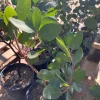
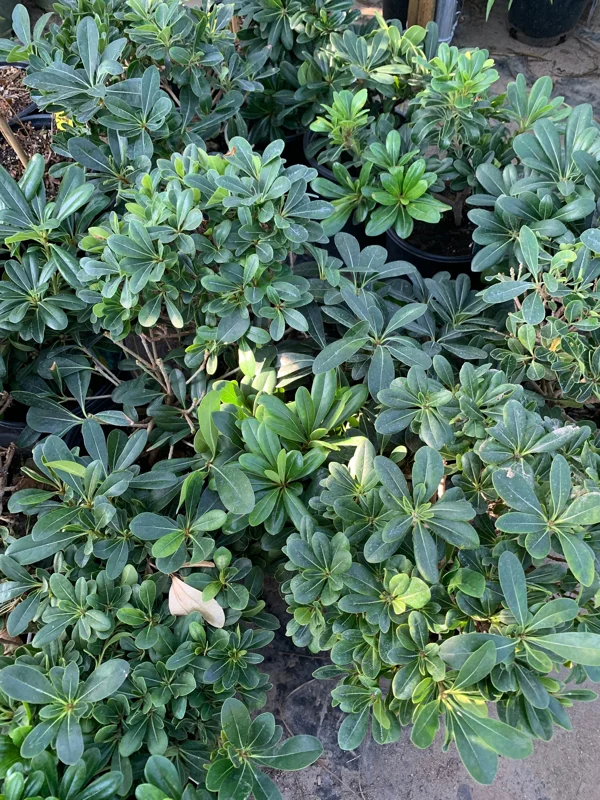
Introduce an elegant and resilient evergreen to your garden with the Tobira live plant, also known scientifically as Pittosporum tobira. This versatile shrub is celebrated for its dense, glossy green foliage and its ability to adapt to a variety of growing conditions, making it a popular choice for both seasoned gardeners and beginners. Originating from East Asia, the Tobira live plant is a cornerstone of many landscape designs, providing year-round visual interest and structure. Its leathery leaves offer a lush backdrop, and in spring, it produces clusters of small, fragrant white flowers that mature into attractive seed capsules. Whether you’re looking to create a low hedge, a privacy screen, or a distinctive specimen plant, the Tobira offers reliable beauty and low maintenance.
Key Benefits
The Tobira live plant offers a multitude of benefits that make it an excellent addition to any outdoor space. Its hardiness and aesthetic appeal contribute significantly to a vibrant and easy-to-maintain garden:
- Exceptional Hardiness: This plant is remarkably resilient, tolerating a wide range of soil types and environmental conditions, including coastal exposures and urban pollution. This makes the Tobira live plant a durable choice for many landscapes.
- Year-Round Greenery: As an evergreen shrub, the Tobira maintains its lush, dark green foliage throughout all seasons, providing continuous color and structure in your garden, even during winter months.
- Fragrant Blooms: In spring, the Tobira produces small, creamy-white flowers that emit a delightful orange-blossom-like fragrance, adding a sensory dimension to your outdoor living areas.
- Versatile Landscaping Use: Its dense growth habit makes it ideal for creating formal or informal hedges, privacy screens, foundation plantings, or as a sturdy groundcover in larger areas. It can also be grown in containers.
- Low Maintenance: Once established, the green Pittosporum requires minimal care, making it an excellent choice for gardeners seeking beauty without extensive upkeep. It is relatively pest and disease resistant.
- Drought Tolerance: The Tobira is known for its good drought tolerance once mature, reducing the need for frequent watering and making it suitable for water-wise landscaping.
- Deer Resistant: Generally, deer tend to avoid Tobira, which is a significant advantage for gardens in areas where deer browsing is a concern.
Plant Care & Growing Tips
Caring for your Tobira live plant is straightforward, ensuring it remains a healthy and attractive feature in your garden for years to come. This robust evergreen thrives with proper attention to its basic needs, primarily focusing on light, water, and soil conditions. For optimal growth, ensure your green Pittosporum receives adequate sunlight.
Sunlight Requirements: The Tobira plant prefers full sun to partial shade. In hotter climates, some afternoon shade can protect the foliage from scorching. Aim for at least 6 hours of direct sunlight per day for the best flowering and densest growth. However, it is quite adaptable and can tolerate more shaded conditions, though growth may be less vigorous.
Watering Schedule & Soil Moisture: When first planted, water your Tobira regularly to establish a strong root system. Once established, it is relatively drought-tolerant. Water deeply when the top 2-3 inches of soil feel dry to the touch. Avoid overwatering, as this can lead to root rot. Good drainage is crucial for this plant.
Soil Type & Drainage: The Tobira is not particular about soil type and can grow in sandy, loamy, or clay soils, as long as they are well-draining. A slightly acidic to neutral pH (6.0-7.0) is ideal. Amend heavy clay soils with organic matter to improve drainage and aeration. Ensure the planting site does not retain standing water.
Temperature Range & USDA Hardiness Zone: This plant is hardy in USDA Zones 8-10. It can tolerate temperatures down to about 10-20°F (-12 to -6°C). In colder parts of its range, provide some winter protection or plant it in a sheltered location. The outdoor Tobira is resilient to heat and humidity within its zone.
Fertilization Schedule & Type: Fertilize your Tobira in early spring with a balanced, slow-release granular fertilizer formulated for evergreen shrubs. Follow the product instructions for application rates. Avoid over-fertilizing, which can burn the roots. Established plants may require less frequent fertilization.
Common Problems & Solutions: Tobira is generally pest and disease resistant. Occasionally, aphids or scale insects may appear. Treat with insecticidal soap or horticultural oil if necessary. Root rot can occur in poorly drained soils; ensure proper drainage to prevent this. Yellowing leaves can indicate nutrient deficiency or overwatering.
Size & Details
This Tobira live plant arrives ready for planting, standing approximately 6-8 inches tall from the top of the soil and shipped in a sturdy 1 gallon nursery pot. This size provides a robust start for establishing the plant in your garden or a larger container. The growth rate of the green Pittosporum is moderate, typically adding 12-24 inches of height per year under ideal conditions. When mature, Tobira can reach a height of 6-15 feet and spread equally wide, though it can be easily pruned to maintain a desired size and shape. Its dense evergreen foliage contributes to its substantial presence in the landscape. This particular specimen is well-rooted and prepared for transplanting, ensuring a smooth transition to its new home. The plant is expected to begin flowering and developing its characteristic fragrance within 1-2 years of planting, depending on care and growing conditions.
Frequently Asked Questions
- Q: How big does this plant get? A: A mature Tobira live plant can typically reach a height of 6-15 feet and spread 6-15 feet wide. However, it responds well to pruning and can be maintained at a smaller size for hedges or container growing.
- Q: What size pot does it come in? A: This Tobira live plant is shipped in a 1 gallon nursery pot, with the plant itself measuring approximately 6-8 inches tall from the soil line. It’s a good size for immediate planting.
- Q: Is this an indoor or outdoor plant? A: The Tobira (green Pittosporum) is primarily an outdoor plant, thriving in USDA Zones 8-10. While it can be briefly overwintered indoors in very cold climates, it performs best when planted in the ground outdoors.
- Q: How much sunlight does it need? A: This shrub prefers full sun to partial shade. For best growth and flowering, aim for at least 6 hours of direct sunlight daily. It can tolerate more shade but may become leggy.
- Q: Is this plant easy to care for? A: Yes, the Tobira live plant is considered very easy to care for. It’s drought-tolerant once established, adaptable to various soils, and relatively pest and disease free, making it ideal for low-maintenance landscapes.
- Q: What condition will it arrive in? A: Your Tobira will arrive carefully packaged in its 1 gallon nursery pot, well-rooted and ready for planting. We take great care to ensure it reaches you in excellent condition, ready to thrive.
- Q: Can I use green Pittosporum for hedging? A: Absolutely! Its dense growth habit and ability to tolerate pruning make the green Pittosporum an excellent choice for creating formal or informal hedges and privacy screens.
- Q: How long until it blooms? A: Depending on the age of the plant and growing conditions, your Tobira may produce its fragrant white flowers within 1-2 years after planting. Blooms typically appear in spring.
- Q: What’s the minimum temperature this plant can withstand? A: The Tobira is hardy in USDA Zones 8-10, meaning it can generally tolerate winter temperatures down to about 10-20°F (-12 to -6°C). Protection is recommended in the lower end of its hardiness range.
- Q: Is the outdoor Tobira resistant to deer? A: Yes, Tobira plants are generally considered deer resistant. Deer typically avoid browsing on them, which is a significant benefit for gardens in areas with deer populations.


Reviews
There are no reviews yet.