Overview
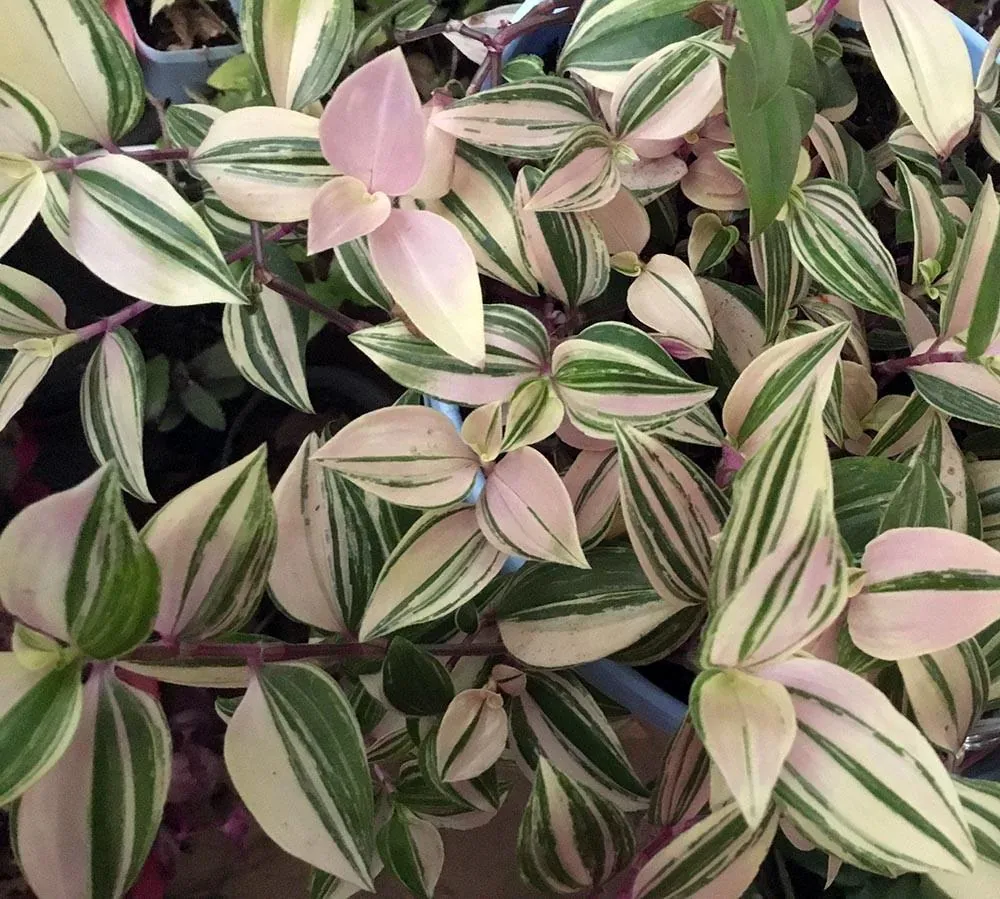
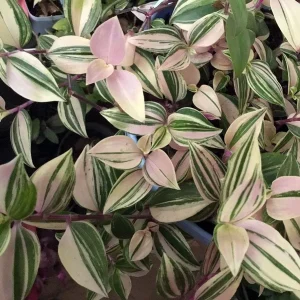
The Rainbow Tradescantia albiflora is a truly captivating live plant, celebrated for its stunningly colorful and variegated foliage. Often referred to simply as Rainbow Tradescantia, this beautiful specimen is a fantastic choice for anyone looking to add a splash of vibrant color to their indoor plant collection. As a trailing houseplant, it’s perfectly suited for hanging baskets, elevated shelves, or as a vibrant groundcover in larger planters. Its leaves display a mesmerizing blend of white, fuchsia, pinkish-blue, green, and mauve stripes and blotches, creating a dynamic visual appeal that changes with light exposure and maturity. Originating from tropical regions, this plant thrives indoors with proper care, bringing a touch of botanical artistry to your living space. The Tradescantia albiflora species is known for its vigorous growth and adaptability, making it a rewarding plant for both novice and experienced plant enthusiasts alike.
This particular variety, the ‘Rainbow’, stands out due to its intense and diverse variegation. Unlike some other foliage plants, the color on the Rainbow Tradescantia albiflora is not just a subtle hint but a bold declaration, ensuring it catches the eye wherever it’s placed. Its cascading growth habit makes it ideal for softening edges or creating a lush, overflowing look. While primarily grown for its foliage, it can also produce small, delicate white flowers. This plant is a living piece of art, constantly evolving and showcasing its unique palette of colors. It’s an excellent way to introduce natural beauty and a sense of calm into your home environment.
Key Benefits
The Rainbow Tradescantia albiflora offers numerous benefits, making it a popular choice for indoor gardening. Its ease of care combined with its striking appearance makes it a standout. Here are some of the key advantages of adding this beautiful trailing houseplant to your collection:
- Stunning Visual Appeal: The most prominent benefit is its incredibly vibrant and diverse foliage. The mix of white, green, pink, fuchsia, and mauve creates a rainbow effect that brightens any room and serves as an instant focal point. This plant truly lives up to its ‘Rainbow’ name.
- Easy to Grow: This plant is remarkably forgiving and low-maintenance, making it an excellent choice for beginners or those with busy schedules. It adapts well to various indoor conditions, reducing the stress often associated with plant care.
- Versatile Display Options: Its trailing habit makes it perfect for hanging baskets, allowing its colorful stems to cascade gracefully. It also looks fantastic on shelves, in terrariums, or as part of a mixed container arrangement, providing flexible décor options.
- Air Purification Qualities: Like many houseplants, the Rainbow Tradescantia albiflora contributes to a healthier indoor environment by helping to filter out common airborne toxins. This adds to its appeal as more than just a beautiful decorative item.
- Rapid Growth: This plant is a fast grower, meaning you won’t have to wait long to see it fill out and create a lush display. Its quick growth also makes it easy to propagate and share with friends.
- Enhances Home Decor: The unique coloration and graceful form of this plant can elevate the aesthetic of any room, adding a natural, organic touch that complements various interior design styles. It’s an excellent way to introduce living color.
- Propagates Easily: For those who enjoy expanding their plant collection, this variety of variegated tradescantia is incredibly easy to propagate from cuttings, allowing you to create more plants for yourself or as gifts.
Plant Care & Growing Tips
Caring for your Rainbow Tradescantia albiflora is straightforward, making it a joy for plant enthusiasts of all levels. To maintain its vibrant coloration and ensure robust growth, understanding its basic needs is key. This trailing houseplant thrives in conditions that mimic its tropical origins, primarily focusing on light, water, and humidity. Providing the right environment will allow its unique ‘Rainbow’ variegation to truly shine.
Sunlight Requirements: The ‘Rainbow’ variety needs good light saturation to maintain its rich variegation. Place your plant in a spot where it receives bright, indirect light for at least 4-6 hours a day. An east or west-facing window is often ideal. Direct, harsh afternoon sun can scorch the delicate leaves and cause the colors to fade, while insufficient light will lead to less vibrant variegation and leggy growth. If you notice the colors becoming dull, try moving it to a brighter location.
Watering Schedule and Soil Moisture: Water thoroughly when the top inch of soil feels dry to the touch. Allow excess water to drain completely from the bottom of the pot to prevent root rot. These plants prefer consistently moist but not waterlogged soil. Reduce watering slightly during the cooler, darker winter months. Overwatering is a common issue, so always check the soil moisture before watering again. Using a well-draining potting mix is crucial for healthy roots.
Soil Type and Drainage: A good quality, well-draining potting mix is essential. A standard indoor potting mix amended with perlite or orchid bark for added drainage works well. The goal is a mix that retains some moisture but doesn’t become soggy. Ensure your pot has drainage holes to prevent water from sitting at the bottom. For optimal Tradescantia care, avoid heavy, compacted soils.
Temperature Range and Humidity: This plant prefers average room temperatures, ideally between 65-75°F (18-24°C). Avoid temperatures below 50°F (10°C), as it is not frost-tolerant. As a tropical plant, it appreciates higher humidity. You can increase humidity by misting the leaves regularly, placing the pot on a pebble tray with water, or using a humidifier. This helps prevent crispy leaf edges and promotes lush growth for your colorful foliage plant.
Fertilization: Feed your Rainbow Tradescantia albiflora with a balanced liquid fertilizer diluted to half strength every 2-4 weeks during the growing season (spring and summer). Reduce or stop fertilization during fall and winter when growth slows. Over-fertilization can lead to salt buildup in the soil, which can harm the plant.
Common Problems and Solutions: Watch out for reversions to green foliage; these should be removed immediately by pruning to encourage the variegated growth. Pests like spider mites and aphids can sometimes be an issue; treat with insecticidal soap if spotted. Yellowing leaves can indicate overwatering, while brown, crispy edges suggest insufficient humidity or underwatering. Adjust your care routine accordingly to ensure a healthy and vibrant plant.
Size & Details
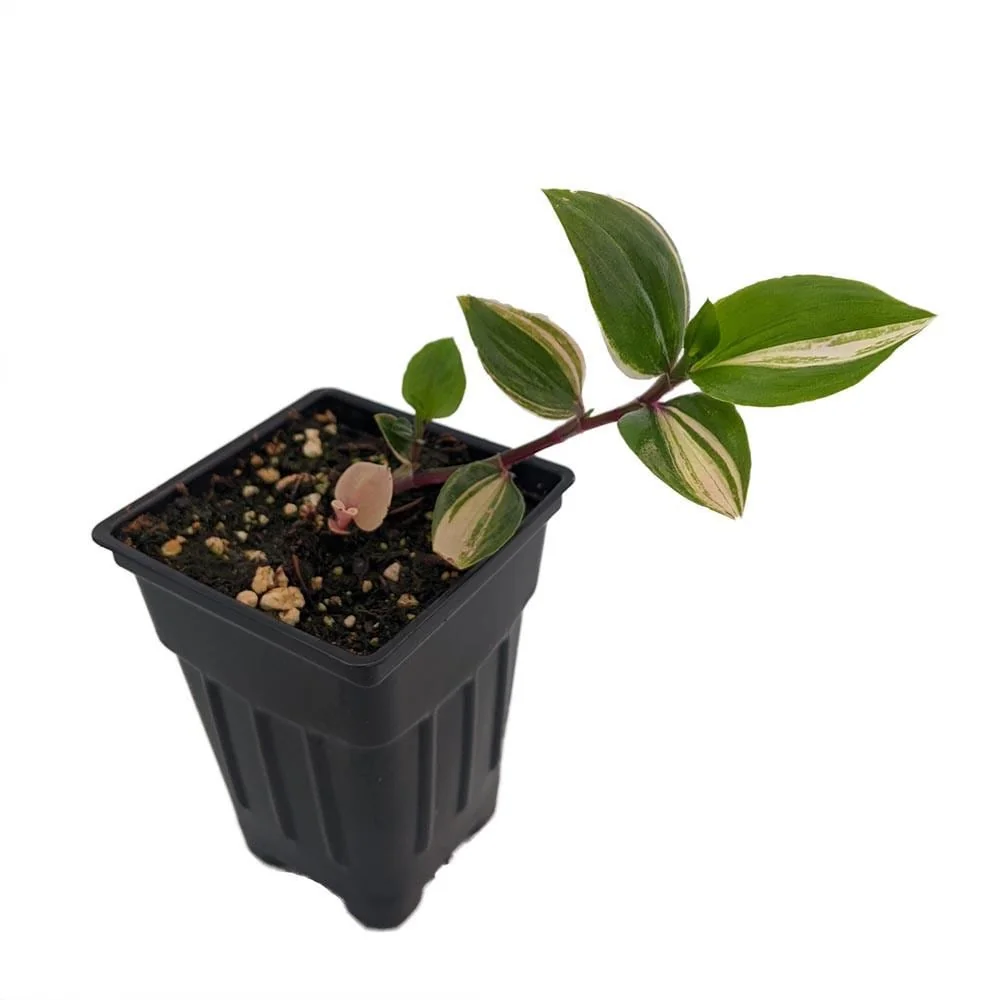
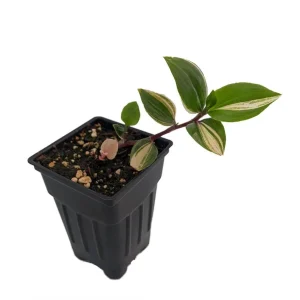
This offering includes one vibrant Rainbow Tradescantia albiflora live plant, carefully grown in a 2.5-inch growers pot. At this starter size, the plant is well-established with several trailing stems, ready to begin its journey in your home. The compact size makes it ideal for shipping and allows it to easily adapt to its new environment. Expect the plant to arrive similar in size and appearance to a healthy, young specimen, already showcasing its distinctive white, fuchsia, pinkish-blue, green, and mauve variegation. The fleshy leaves are a mixture of these vibrant stripes and blotches, providing instant color.
As a fast-growing trailing houseplant, this Tradescantia can quickly expand its reach. With proper care, its stems can trail several feet long, creating a beautiful cascading effect. While exact dimensions upon arrival are approximate, a 2.5-inch pot typically houses a plant that is already developing its characteristic trailing habit. This plant ships as a potted specimen, ensuring minimal transplant shock and a smooth transition to its new home. It’s an excellent choice for those looking for a plant that provides both immediate beauty and satisfying growth over time. Expect it to fill out a small hanging basket or shelf space within a few months, demonstrating the vigorous growth inherent to this variegated tradescantia.
Frequently Asked Questions
- Q: How big does this plant get? A: The Rainbow Tradescantia albiflora is a fast-growing trailing plant. Its stems can eventually reach several feet in length, creating a beautiful cascading effect, though its spread depends on the pot size and growing conditions.
- Q: What size pot does it come in? A: This particular plant is supplied in a 2.5 inch growers pot, making it a perfect starter size for transplanting into a decorative pot or hanging basket.
- Q: Is this an indoor or outdoor plant? A: While it can tolerate outdoor conditions in very warm, frost-free climates (USDA zones 9-11), the Rainbow Tradescantia albiflora is primarily grown as an indoor houseplant in most regions due to its tropical nature.
- Q: How much sunlight does it need? A: For the best color and growth, this colorful foliage plant requires bright, indirect light for several hours a day. Too little light will cause variegation to fade, while too much direct sun can scorch the leaves.
- Q: Is this plant easy to care for? A: Yes, the Tradescantia care requirements are relatively simple, making it an excellent choice for beginners. It’s quite forgiving and adapts well to various indoor conditions.
- Q: What condition will it arrive in? A: Your plant will arrive as a healthy, live starter plant in its 2.5-inch growers pot, carefully packaged to ensure it reaches you in good condition, ready to thrive.
- Q: Is it pet-safe? A: Tradescantia plants are generally considered mildly toxic to pets if ingested and may cause irritation. It’s best to keep this trailing houseplant out of reach of curious pets.
- Q: When is the best time to plant? A: As an indoor plant, it can be planted and enjoyed year-round. If you’re transplanting, spring or early summer is ideal, but it will adapt well any time of year indoors.
- Q: What kind of soil is best for Rainbow Tradescantia? A: A well-draining potting mix is crucial. You can use a standard indoor potting mix, perhaps with some added perlite for improved drainage, to ensure optimal growth for your variegated tradescantia.
- Q: How often should I fertilize this plant? A: Fertilize every 2-4 weeks during the active growing season (spring and summer) with a diluted liquid fertilizer. Reduce or stop fertilizing during fall and winter.


Reviews
There are no reviews yet.