Overview
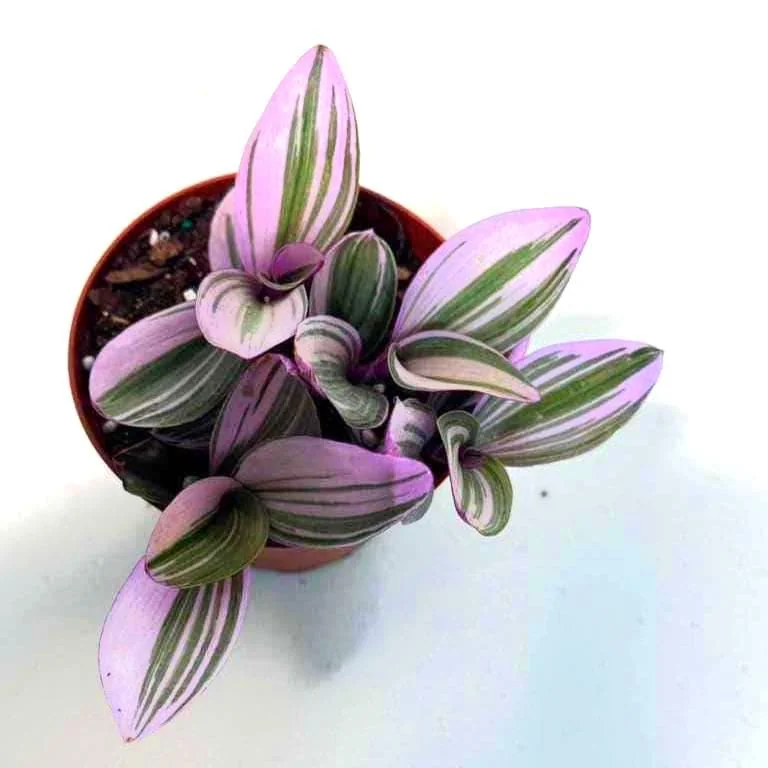
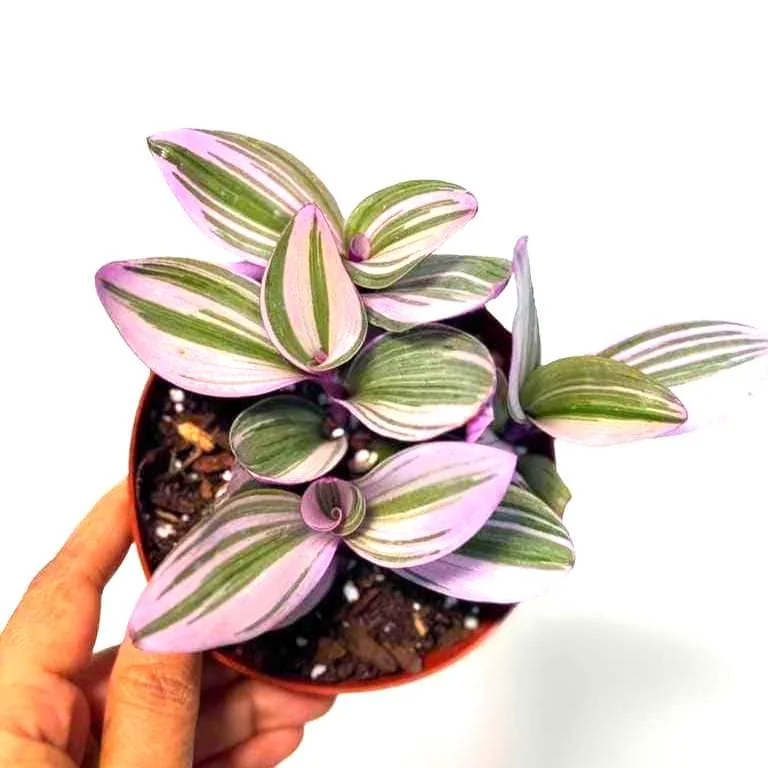
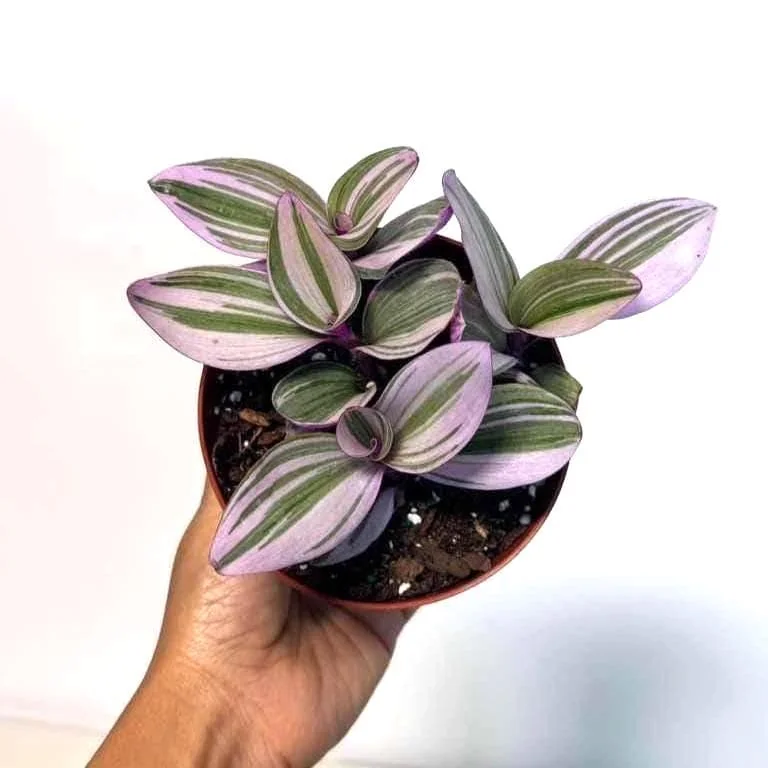
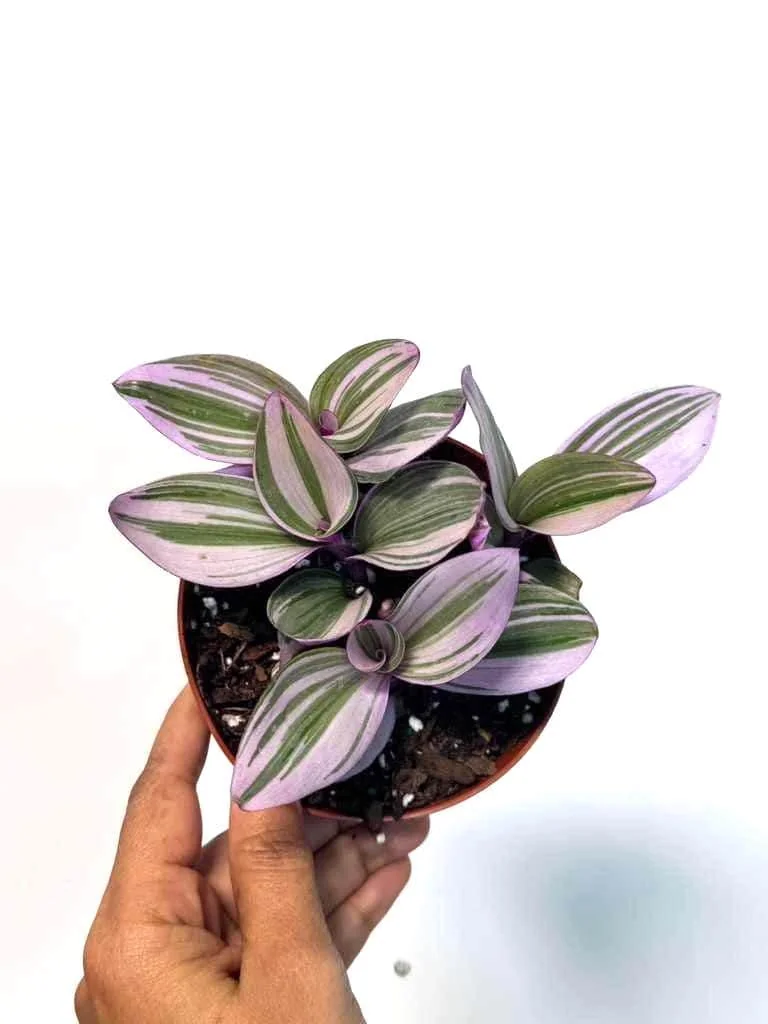
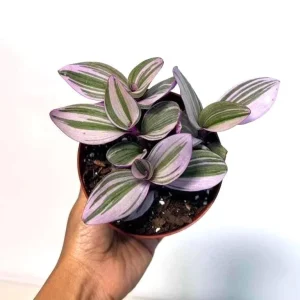
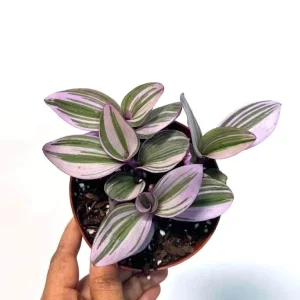
Introduce a splash of vibrant color and unique texture to your indoor plant collection with the stunning Tradescantia Nanouk Lilac. This captivating live plant is celebrated for its intricate foliage, showcasing a beautiful blend of pink, green, and lilac hues that create a visual spectacle. Often referred to as ‘Pink Wandering Jew’ due to its trailing growth habit and colorful leaves, the Tradescantia Nanouk is a popular choice for both novice and experienced plant enthusiasts. It’s a relatively fast-growing plant that can quickly fill out a pot or gracefully cascade from a hanging planter, adding dynamic visual interest to any room. Each plant is carefully cultivated and delivered in a 3 inch pot, ensuring it arrives healthy and ready to flourish in its new home. Its striking appearance and adaptable nature make it an excellent focal point or a complementary piece in a larger plant arrangement.
The Tradescantia Nanouk is a cultivar of Tradescantia albiflora, known for its robust growth and ease of propagation. Its distinctive variegated leaves are what truly set it apart, with each leaf displaying a unique pattern of stripes and splashes. This particular variety has been bred for its enhanced color, providing a more intense and consistent display of pinks and purples. As a live plant, it offers not just aesthetic appeal but also the joy of nurturing a living organism, observing its growth, and enjoying its ever-changing beauty. Whether you’re looking to brighten a desk, adorn a shelf, or create a lush indoor jungle, the Tradescantia Nanouk Lilac is an exceptional choice that promises to impress.
Key Benefits
The Tradescantia Nanouk Lilac offers numerous advantages, making it a highly desirable addition to any plant lover’s home. Its vibrant appearance and straightforward care requirements contribute to a rewarding ownership experience.
- Stunning Visual Appeal: The primary benefit of the Tradescantia Nanouk Lilac is its breathtaking foliage. The leaves feature a gorgeous tapestry of pink, green, and lilac, providing a constant display of vibrant color that can brighten any indoor setting. Its unique variegation ensures no two leaves are exactly alike.
- Easy Care Houseplant: This plant is renowned for being incredibly low maintenance, making it an ideal choice for busy individuals, beginners, or those who desire beautiful plants without extensive fuss. It tolerates a range of indoor conditions and is forgiving of occasional neglect, making it a truly easy care houseplant.
- Versatile Decor Piece: With its trailing growth habit, the Tradescantia Nanouk is perfect for various display options. It looks fantastic in standard pots, on shelves where its foliage can spill over, or in hanging baskets, adding a touch of natural elegance wherever it’s placed.
- Air Purification Qualities: Like many houseplants, the Tradescantia Nanouk contributes to a healthier indoor environment by helping to filter common airborne toxins. While not as powerful as some larger plants, it still plays a role in improving air quality.
- Rapid Growth & Propagation: This plant is a relatively fast grower, quickly producing new foliage and stems. It’s also incredibly easy to propagate from cuttings, allowing you to expand your collection or share with friends and family, making it an excellent option for those interested in learning about plant propagation.
- Adaptable to Light Conditions: While it thrives in bright indirect light, the Tradescantia Nanouk can adapt to slightly lower light conditions, though its colors might be less intense. This adaptability makes finding a suitable spot in your home much easier.
- Adds Texture and Interest: Beyond color, the unique texture and growth pattern of the pink wandering jew add a dynamic element to your plant arrangements. Its lush, dense foliage provides a rich backdrop or a striking focal point, enhancing the overall aesthetic of your space.
Plant Care & Growing Tips
Caring for your Tradescantia Nanouk Lilac is straightforward, ensuring that even beginners can enjoy its beauty. Understanding its basic needs will help it thrive and maintain its vibrant coloration. This plant is known for being an easy care houseplant, making it a joy to grow.
Sunlight: The Tradescantia Nanouk thrives in bright, indirect sunlight. Place it near a window that receives plenty of light but avoids direct, harsh sun, especially during the hottest parts of the day, as this can scorch its delicate leaves. An east or north-facing window is often ideal. If the light is too low, the vibrant pink and purple hues may fade, and the plant might become leggy. Conversely, too much direct sun can bleach the leaves. Aim for a spot where it receives several hours of bright, filtered light daily to encourage the best color development for your Tradescantia plant.
Watering: Water your Tradescantia Nanouk when the top 1-2 inches of soil feel dry to the touch. This typically means watering every 5-7 days in summer and reducing frequency to every 7-10 days in winter, or when the soil is completely dry. It’s crucial to avoid overwatering, as this can lead to root rot. Ensure the pot has good drainage. When watering, thoroughly soak the soil until water drains from the bottom, then discard any excess water from the saucer. Always check the soil moisture before watering.
Soil: This plant prefers a well-draining potting mix. A standard indoor potting soil amended with perlite or coarse sand for extra drainage works well. The goal is to provide a medium that retains some moisture but doesn’t become waterlogged. A ceramic or terracotta pot with a drainage hole is highly recommended to prevent water accumulation at the roots. Good soil aeration is key for a healthy indoor plant care routine.
Temperature & Humidity: Tradescantia Nanouk prefers average room temperatures between 65-75°F (18-24°C). Avoid exposing it to temperatures below 50°F (10°C) or sudden cold drafts. While it tolerates average household humidity, it appreciates higher levels. If your home is very dry, especially in winter, consider misting the plant occasionally or placing it near a humidifier. This helps keep the foliage lush and prevents crispy leaf edges.
Fertilization: During the growing season (spring and summer), feed your Tradescantia Nanouk with a balanced liquid fertilizer diluted to half strength every 2-4 weeks. Reduce or stop fertilization during the fall and winter months when the plant’s growth slows down. Over-fertilization can lead to nutrient burn, so always follow the product instructions.
Care on Receiving the Plant: Upon arrival, allow your new Tradescantia Nanouk Lilac to acclimate to its new environment for at least 15 days before considering repotting. During this period, water sparingly, only when the soil is dry, to prevent overwatering stress. Place it in a bright, indirect light spot to help it recover from travel. Avoid immediate repotting, as this can cause additional shock to the plant.
Size & Details
The Tradescantia Nanouk Lilac live plant is delivered in a convenient 3 inch pot, making it a perfect size for immediate display on windowsills, desks, or as a vibrant accent in a larger plant arrangement. At maturity, this plant typically forms a lush, trailing mound, with stems that can reach lengths of 12 to 24 inches or more, gracefully cascading over the edges of its container. Its growth rate is considered medium to fast, quickly filling out its pot with new, colorful foliage. The leaves themselves are small to medium-sized, displaying the distinctive pink, green, and purple variegation that makes this variety so popular. It ships as a healthy, established plant, similar in appearance to the product images, ready to continue its growth journey in your home. With proper indoor plant care, you can expect continuous growth and vibrant color throughout the year.
Frequently Asked Questions
- Q: How big does this plant get? A: The Tradescantia Nanouk Lilac typically has trailing stems that can grow 12 to 24 inches long, creating a full and cascading effect from its 3 inch pot. Its size can be managed with pruning to maintain a desired shape.
- Q: Is this an indoor or outdoor plant? A: While it can tolerate shaded outdoor conditions in very warm climates (USDA zones 10-11), the Tradescantia Nanouk Lilac is primarily cultivated as an easy care houseplant in most regions of the US due to its sensitivity to cold and direct harsh sunlight.
- Q: How much sunlight does it need? A: This Tradescantia plant thrives in bright, indirect sunlight. Too much direct sun can scorch its leaves, while too little light can cause its vibrant pink and purple colors to fade and lead to leggy growth.
- Q: Is this plant easy to care for? A: Yes, the Tradescantia Nanouk Lilac is considered a very easy-care plant, ideal for beginners. It requires consistent bright indirect light and watering when the topsoil dries out.
- Q: What condition will it arrive in? A: Your Tradescantia Nanouk Lilac will arrive as a healthy, established live plant in its 3 inch pot, carefully packaged to ensure its safe journey to your home.
- Q: How often should I water my Tradescantia Nanouk? A: Water when the top 1-2 inches of soil feel dry to the touch. This usually means every 5-7 days in warmer months and less frequently in winter. Always check soil moisture before watering to prevent overwatering.
- Q: Can I propagate this plant? A: Absolutely! The pink wandering jew is very easy to propagate from stem cuttings. Simply snip a healthy stem, remove the lower leaves, and place it in water or moist soil. Roots typically form within a few weeks.
- Q: Why are the colors on my Tradescantia Nanouk fading? A: Fading colors are often a sign of insufficient light. Move your Tradescantia Nanouk Lilac to a brighter spot with more indirect sunlight to encourage its vibrant pink and purple hues to return.
- Q: What kind of soil does it need? A: A well-draining potting mix is essential for this indoor plant care. You can use a standard potting mix amended with perlite or sand to improve drainage.
- Q: Is the Tradescantia Nanouk Lilac pet-safe? A: Unfortunately, Tradescantia varieties are generally considered mildly toxic to pets if ingested, potentially causing irritation. It’s best to keep this plant out of reach of curious pets.


Reviews
There are no reviews yet.