Overview
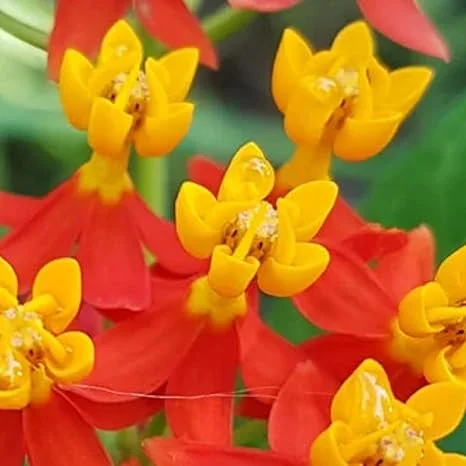
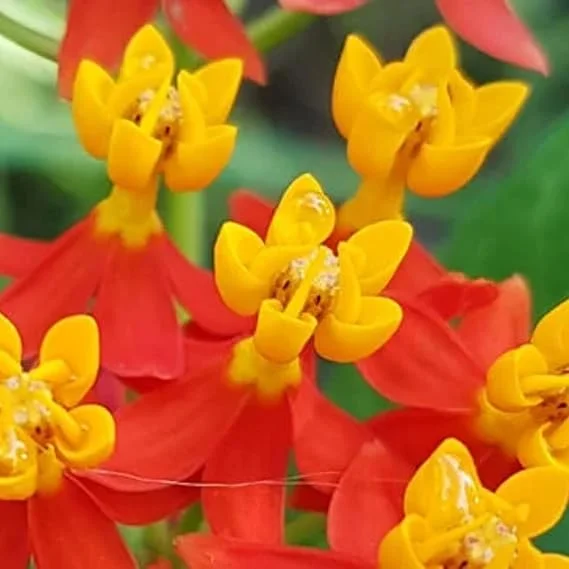
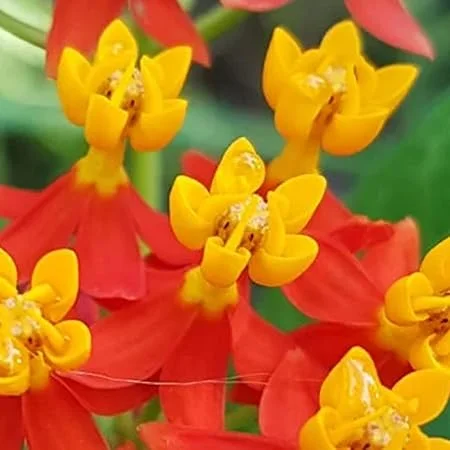
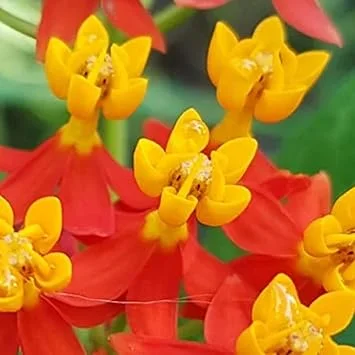
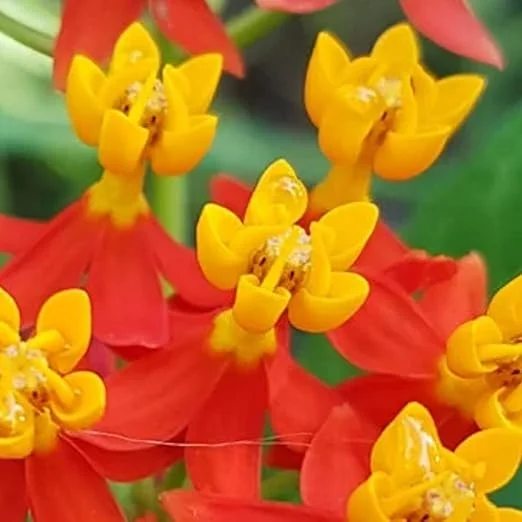
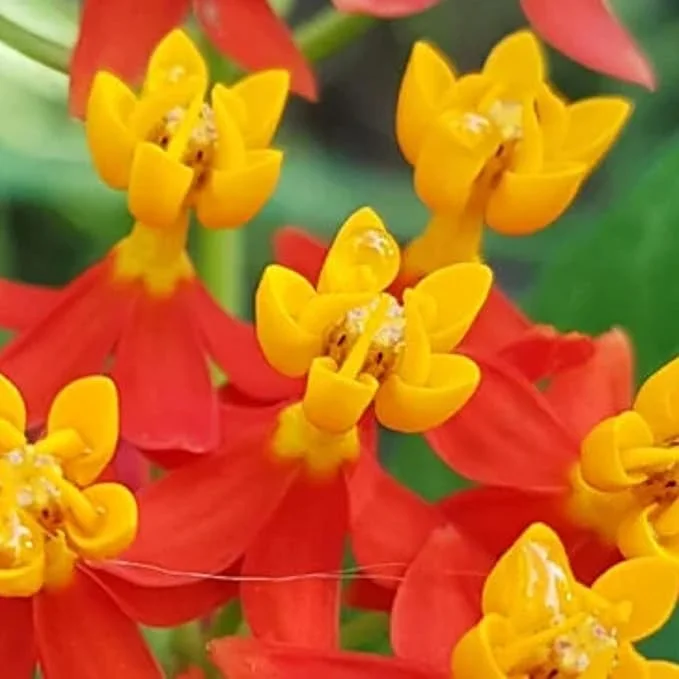
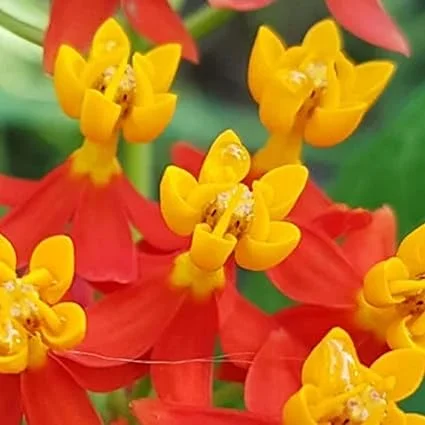
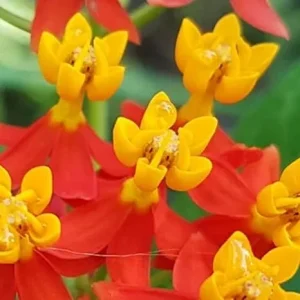
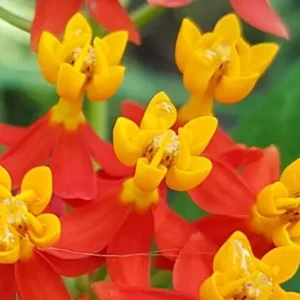
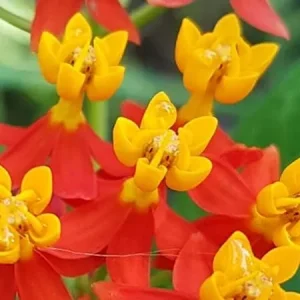
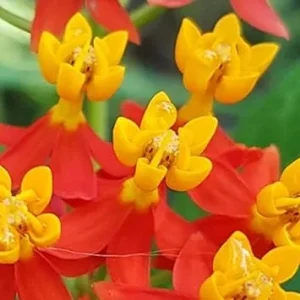
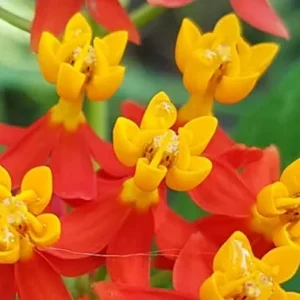
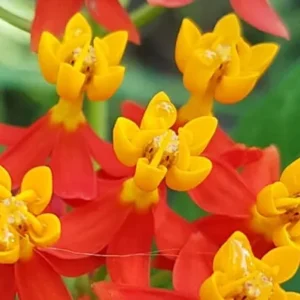
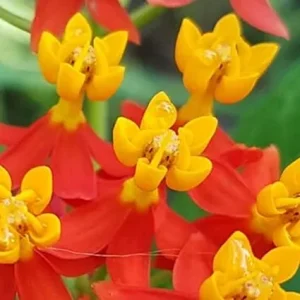
Introduce a burst of color and ecological benefit to your garden with our tropical milkweed live plant. This offering includes a set of four vibrant live plants, ready to thrive in your outdoor environment. Known for their striking red flowers, these plants are also commonly referred to as Bloodflower Milkweed. Tropical Milkweed (Asclepias curassavica) is a perennial in warmer climates and often grown as an annual elsewhere, blooming profusely from mid-summer to early fall. These cheerful plants are a must-have for any gardener looking to support local ecosystems, especially monarch butterflies, which rely solely on milkweed for their larval stage. Our healthy, established plants ensure a strong start for your garden, providing beauty and vital habitat.
Cultivating a tropical milkweed live plant in your garden not only adds aesthetic appeal but also plays a crucial role in conservation efforts. The bright red and orange blooms are a beacon for various pollinators, including bees and hummingbirds, making your garden a lively hub of activity. These resilient plants are relatively low-maintenance, making them an excellent choice for both experienced gardeners and beginners alike. Plant them in garden beds, borders, or large containers to enjoy their continuous bloom and the fascinating wildlife they attract throughout the growing season.
Key Benefits
Adding a tropical milkweed live plant to your landscape offers a multitude of advantages beyond just its stunning appearance. These plants are celebrated for their ecological value and ease of cultivation.
- Pollinator Magnetism: The bright red and orange flowers of the tropical milkweed live plant are highly attractive to a wide range of pollinators, including bees, hummingbirds, and especially monarch butterflies. Planting these helps create a vital food source and breeding ground for these essential garden visitors.
- Monarch Butterfly Host Plant: As a primary host plant for monarch butterfly caterpillars, these red milkweed plants are indispensable for supporting the monarch life cycle. Gardeners can observe the fascinating transformation from caterpillar to chrysalis to butterfly right in their own backyard.
- Vibrant Garden Color: With their vivid red and yellow blooms, these plants provide continuous, cheerful color from summer through fall, enhancing the visual appeal of any outdoor garden space. They stand out beautifully against green foliage.
- Low Maintenance & Drought Tolerant: Once established, bloodflower milkweed care is relatively simple. These plants are known for their hardiness and ability to withstand periods of drought, making them a sustainable choice for various climates and busy gardeners.
- Adaptable & Versatile: Suitable for a range of climates (USDA zones 3-9), tropical milkweed can be grown as a perennial in warmer regions or as an annual in cooler areas. They thrive in garden beds, borders, and containers, offering flexibility in garden design.
- Easy to Grow: These live plants arrive ready to be planted, making the gardening process straightforward. They establish quickly and require minimal intervention to flourish, producing abundant blooms.
- Educational Value: For families and educators, observing the monarch life cycle on a monarch butterfly plant provides an invaluable educational experience about nature and conservation.
Plant Care & Growing Tips
Proper bloodflower milkweed care ensures a healthy and thriving plant. These hardy plants are relatively easy to grow, making them a popular choice for many gardeners. For optimal growth, tropical milkweed requires full sun exposure, meaning at least 6 hours of direct sunlight per day. In very hot climates, a little afternoon shade can be beneficial, but generally, the more sun, the better for abundant flowering. When it comes to watering, these plants prefer regular moisture, especially during dry spells and when they are first establishing. However, it’s crucial to avoid overwatering, as they do not tolerate soggy conditions.
The ideal soil type for your tropical milkweed live plant is well-drained soil. A sandy or loamy soil mix that allows water to pass through easily is perfect. While they are not overly picky about soil fertility, incorporating some organic matter can promote vigorous growth. These plants generally grow well in USDA zones 3-9, blooming from mid-summer to early fall. Fertilization is usually not heavily required; a balanced, slow-release fertilizer once in spring is often sufficient. Watch out for common pests like aphids, which can be managed with a strong spray of water or insecticidal soap. Pruning spent flowers can encourage more blooms and prevent excessive self-seeding, which is part of effective outdoor garden milkweed management.
To encourage bushier growth and more flowers, consider pinching back the stems when the plants are young. Deadheading spent blooms will also extend the flowering period and prevent the plant from putting all its energy into seed production. In regions where tropical milkweed is perennial, cutting the plant back to the ground in late fall or early winter can help manage its size and prevent the spread of OE spores, a parasite that can affect monarch butterflies. For those in colder zones, treat your red milkweed plants as annuals or bring them indoors before the first frost. Ensuring good air circulation around the plants can also help prevent fungal issues.
Size & Details
This offering includes a set of 4 tropical milkweed live plant specimens, each carefully nurtured to ensure a strong start in your garden. The plants arrive in a healthy, established condition, typically measuring around 5x2x2 inches, ready for immediate planting. When mature, these plants can reach heights of 2 to 4 feet tall and spread 1 to 2 feet wide, forming attractive, upright clumps. They are shipped as live, potted plants, ensuring minimal transplant shock and rapid establishment in their new environment. Expect these plants to begin flowering from mid-summer and continue through early fall, providing a long season of vibrant color and pollinator activity. The growth rate is moderate, allowing them to quickly fill out garden spaces.
Each outdoor garden milkweed plant is robust and designed to integrate seamlessly into your existing landscape. The compact size upon arrival makes them easy to handle and plant, while their mature dimensions provide a significant visual impact. These plants are ideal for creating focal points, adding to mixed perennial beds, or planting in containers on patios and balconies. The set of four allows for grouping to create a more substantial display or for distributing throughout different areas of your garden. With proper bloodflower milkweed care, these plants will flourish, becoming a cherished part of your garden for seasons to come.
Frequently Asked Questions
- Q: How big does this tropical milkweed live plant get? A: A mature tropical milkweed live plant typically grows to a height of 2 to 4 feet tall and spreads about 1 to 2 feet wide, forming an upright, bushy plant.
- Q: Is this an indoor or outdoor plant? A: These red milkweed plants are primarily intended for outdoor use. They thrive in full sun conditions in garden beds, borders, or large outdoor containers.
- Q: How much sunlight does tropical milkweed need? A: Tropical milkweed requires full sun exposure, meaning at least 6 hours of direct sunlight per day, to produce the most abundant blooms.
- Q: Is this plant easy to care for? A: Yes, these plants are considered easy to care for. Once established, they are quite drought-tolerant and require minimal maintenance, making bloodflower milkweed care straightforward for gardeners of all experience levels.
- Q: What condition will the plants arrive in? A: Your tropical milkweed live plant will arrive as healthy, established live plants, typically measuring around 5x2x2 inches, carefully packaged to ensure their safe journey.
- Q: How long until it blooms? A: These plants typically bloom from mid-summer and continue producing flowers until early fall, providing a long season of vibrant color.
- Q: Will it survive winter in my zone? A: Tropical milkweed is perennial in USDA zones 8-11. In colder zones (3-7), it is often grown as an annual or can be brought indoors to overwinter.
- Q: Is this a good plant for attracting monarch butterflies? A: Absolutely! Tropical milkweed is a critical host plant for monarch butterfly caterpillars and its flowers are a significant nectar source for adult monarchs, making it an excellent monarch butterfly plant.
- Q: What type of soil is best for outdoor garden milkweed? A: This plant thrives in well-drained soil, such as loamy or sandy soil. Good drainage is essential to prevent root rot.
- Q: Do I need to fertilize my red milkweed plants? A: While not heavy feeders, a balanced, slow-release fertilizer applied in the spring can encourage vigorous growth and more blooms for your outdoor garden milkweed.


Reviews
There are no reviews yet.