Overview
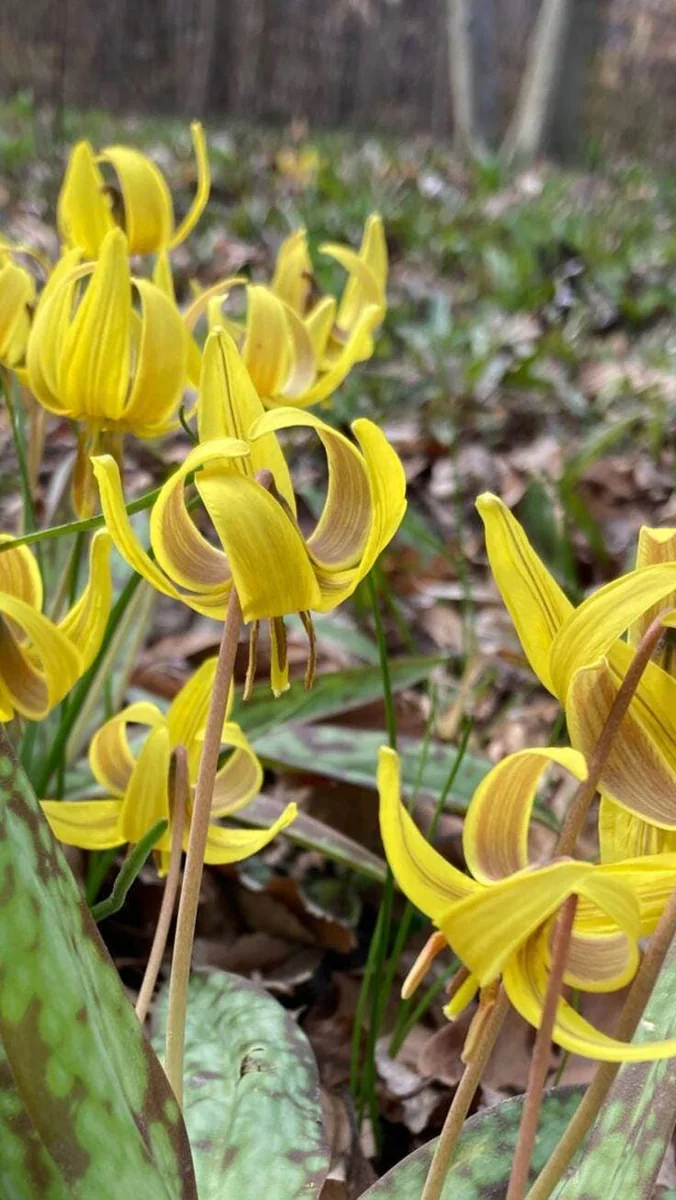
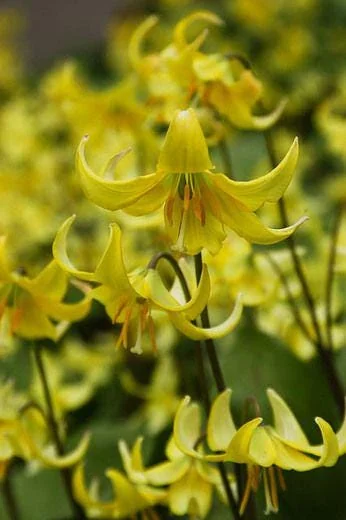
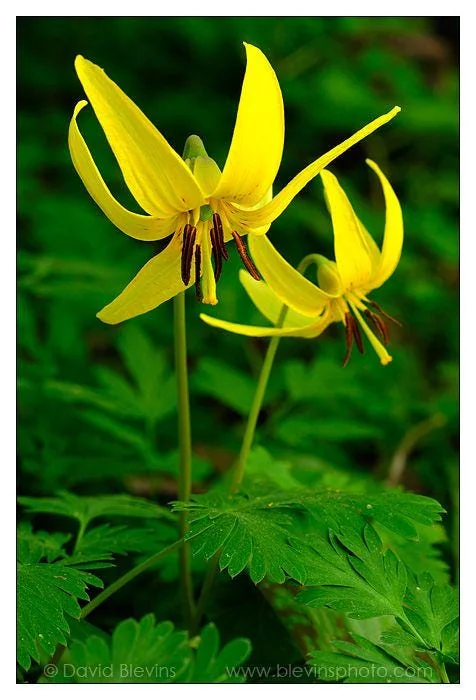
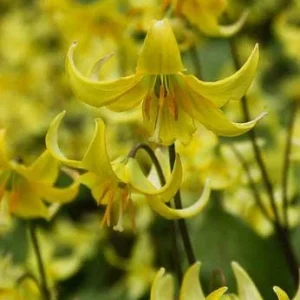
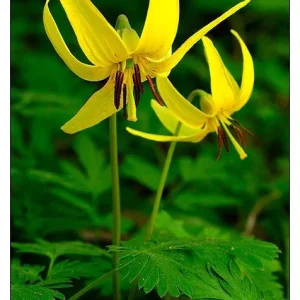
Introduce a touch of woodland charm to your garden with trout lily bulbs, scientifically known as Erythronium Americanum. These unique bulbs offer an enchanting display of early spring color, making them a prized addition for gardeners looking to naturalize shaded areas. The trout lily is celebrated for its distinctive yellow, nodding flowers and beautifully mottled brown and green leaves that resemble a trout’s skin, giving the plant its common name. As a native perennial, it’s an excellent choice for creating a serene, naturalistic landscape, especially in areas where other plants struggle due to lack of direct sunlight. Planting erythronium americanum bulbs ensures a delightful seasonal spectacle that returns year after year with minimal fuss.
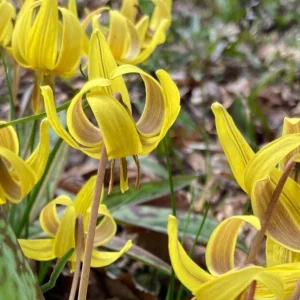
Each bulb develops into a short-stalked plant topped with a single, elegant flower. The petals curve gracefully upward, revealing bronze hues on the outside and bright yellow within, often with a subtle reddish-brown or purple tinge. These early bloomers provide essential nectar for pollinators emerging in March to May. Beyond their aesthetic appeal, trout lily bulbs are remarkably hardy and can establish themselves well in suitable environments, forming charming colonies over time. They are a fantastic way to bring early spring life and delicate beauty to your garden.
Key Benefits
Adding trout lily bulbs to your garden offers a range of wonderful benefits, from enhancing visual appeal to supporting local ecosystems. These unique plants are more than just pretty flowers; they are a resilient and rewarding choice for many landscapes.
- Early Spring Bloom: Enjoy vibrant yellow flowers from March to May, providing much-needed color and nectar when many other plants are just beginning to emerge. This early bloom helps kickstart the garden season.
- Distinctive Foliage: The mottled brown and green leaves are highly ornamental, adding texture and visual interest even before and after the flowering period. This unique foliage makes the erythronium americanum stand out.
- Shade Loving Perennial: Perfectly suited for shaded or woodland gardens, these bulbs thrive in conditions where many other flowering plants might struggle, making them ideal for challenging spots.
- Low Maintenance: Once established, trout lily bulbs require minimal care, making them an excellent choice for busy gardeners or those seeking an easy-to-grow native plant.
- Naturalizing Capabilities: These bulbs will gradually spread and form charming colonies over time, creating a beautiful, naturalized look in your garden without aggressive growth.
- Pollinator Friendly: The early spring flowers provide a valuable food source for early-emerging bees and other pollinators, contributing to local biodiversity.
- Unique Garden Appeal: With their nodding flowers and distinctive leaves, trout lily bulbs offer a unique aesthetic that can transform a shaded corner into a captivating display.
Plant Care & Growing Tips
Caring for trout lily bulbs is relatively straightforward, especially when planted in their preferred conditions. Understanding their needs will ensure a robust and beautiful display each spring. For successful growth, the key is to mimic their natural woodland habitat as closely as possible.
Sunlight Requirements: Trout lilies thrive in partial to full shade. They prefer dappled sunlight, similar to what they would receive under a deciduous tree canopy. While they can tolerate some morning sun, intense afternoon sun can scorch their delicate leaves. For optimal bloom and plant health, ensure they receive at least 4-6 hours of indirect or filtered light daily, or full shade. This light preference is crucial for healthy trout lily plant care and vibrant flowers.
Watering Schedule and Soil Moisture: These plants prefer consistently moist but not waterlogged soil, especially during their active growing season in spring. Once the foliage begins to yellow and die back in early summer, the bulbs enter dormancy and require less water. Good drainage is essential to prevent bulb rot. During dry spells in spring, supplement with regular watering to keep the soil evenly moist. Proper moisture management is a key aspect of nurturing erythronium americanum.
Soil Type and Drainage: Trout lilies flourish in rich, well-draining soil that is high in organic matter. Amend heavy clay soils with compost or leaf mold to improve drainage and fertility. A slightly acidic to neutral pH (6.0-7.0) is ideal. A good quality woodland soil mix or a blend of garden soil with plenty of organic compost will provide the perfect environment for these bulbs to thrive. The right soil ensures strong root development for your shade garden bulbs.
Temperature Range and USDA Hardiness Zone: Trout lilies are hardy perennials, typically thriving in USDA Zones 3-8. They require a cold dormancy period to flower effectively. They are well-adapted to temperate climates, tolerating winter freezes and emerging reliably each spring. Protection from harsh winter winds or extreme temperature fluctuations can be beneficial in marginal zones.
Fertilization Schedule and Type: Generally, trout lilies do not require heavy fertilization if planted in rich, organic soil. An annual top-dressing of compost or a balanced, slow-release granular fertilizer applied in early spring can provide a gentle nutrient boost. Avoid high-nitrogen fertilizers, which can promote leafy growth at the expense of flowers. Over-fertilization can harm the bulbs.
Common Problems and Solutions: Trout lilies are relatively pest and disease resistant. Slugs and snails may occasionally nibble on young foliage; organic slug baits or hand-picking can manage this. Ensure proper drainage to prevent fungal issues like bulb rot. If plants fail to bloom, it might be due to insufficient light, overcrowded bulbs, or lack of a cold dormancy period. Dividing overcrowded clumps every few years can rejuvenate blooming. Understanding these aspects will greatly assist in your trout lily plant care routine.
Size & Details
These trout lily bulbs (Erythronium Americanum) are supplied as dormant bulbs, ready for planting in fall or early spring. Once planted, they typically emerge in early spring, reaching a modest height of approximately 6 to 12 inches (15-30 cm) tall. Each stalk supports a single, striking yellow flower that is about an inch wide. The distinctive mottled leaves, which are large and elliptical, usually appear in pairs on mature plants, while younger plants may only have one leaf. Trout lilies have a moderate growth rate and will gradually naturalize, forming beautiful clumps over several years. They are shipped as healthy, ready-to-plant bulbs, ensuring a strong start for your garden. Expect blooms from March to May, depending on your specific climate and planting time. These yellow trout lily plants are a charming addition to any shaded landscape.
Frequently Asked Questions
- Q: How big do these trout lily bulbs get when mature? A: Once mature, the trout lily bulbs will produce plants that typically reach a height of 6 to 12 inches (15-30 cm) with their single flower stalk. The leaves are basal and grow close to the ground.
- Q: Is this an indoor or outdoor plant? How much sunlight does it need? A: Trout lily bulbs are outdoor plants, best suited for shade gardens. They thrive in partial to full shade, especially dappled light under deciduous trees, and should be protected from intense afternoon sun.
- Q: Is this plant easy to care for? Is it good for beginners? A: Yes, trout lilies are considered relatively easy to care for, especially once established. They are an excellent choice for beginners looking to add early spring color to shaded areas with minimal ongoing maintenance. Proper initial planting in good soil is key for optimal trout lily plant care.
- Q: What condition will the bulbs arrive in? Is it shipped in soil? A: The trout lily bulbs will arrive dormant and bare, not in soil. This is the ideal condition for planting, allowing them to acclimate to your garden soil. They are carefully packaged to ensure freshness upon arrival.
- Q: When is the best time to plant trout lily bulbs, and how long until they bloom? A: The best time to plant erythronium americanum bulbs is in the fall, allowing them to establish roots before winter. They will then bloom the following spring, typically from March to May. Spring planting is also possible but may result in a delayed or less robust bloom in the first year.
- Q: Will it survive winter in my zone? What’s the minimum temperature? A: Trout lilies are very hardy and will survive winter in USDA Zones 3-8. They require a cold dormancy period to thrive and are well-adapted to freezing temperatures, making them a reliable perennial for many climates.
- Q: What kind of soil is best for these bulbs? A: For best results, plant trout lily bulbs in rich, well-draining soil that is high in organic matter. A slightly acidic to neutral pH is preferred. Amending with compost or leaf mold will provide an ideal growing medium for these shade garden bulbs.
- Q: How often do trout lily plants need to be watered? A: Keep the soil consistently moist, but not waterlogged, during their active growing season in spring. Once the foliage dies back in early summer, they enter dormancy and require very little water. Always ensure good drainage to prevent bulb rot.
- Q: Are these yellow trout lily flowers fragrant? A: While trout lily flowers are beautiful, they are not typically known for a strong fragrance. Their primary appeal lies in their charming appearance and early spring bloom.
- Q: Can I grow these in containers? A: While possible, trout lily bulbs are best suited for in-ground planting where they can naturalize. If growing in containers, ensure excellent drainage, use a rich potting mix, and provide adequate winter protection for the bulbs.


Reviews
There are no reviews yet.