
Overview
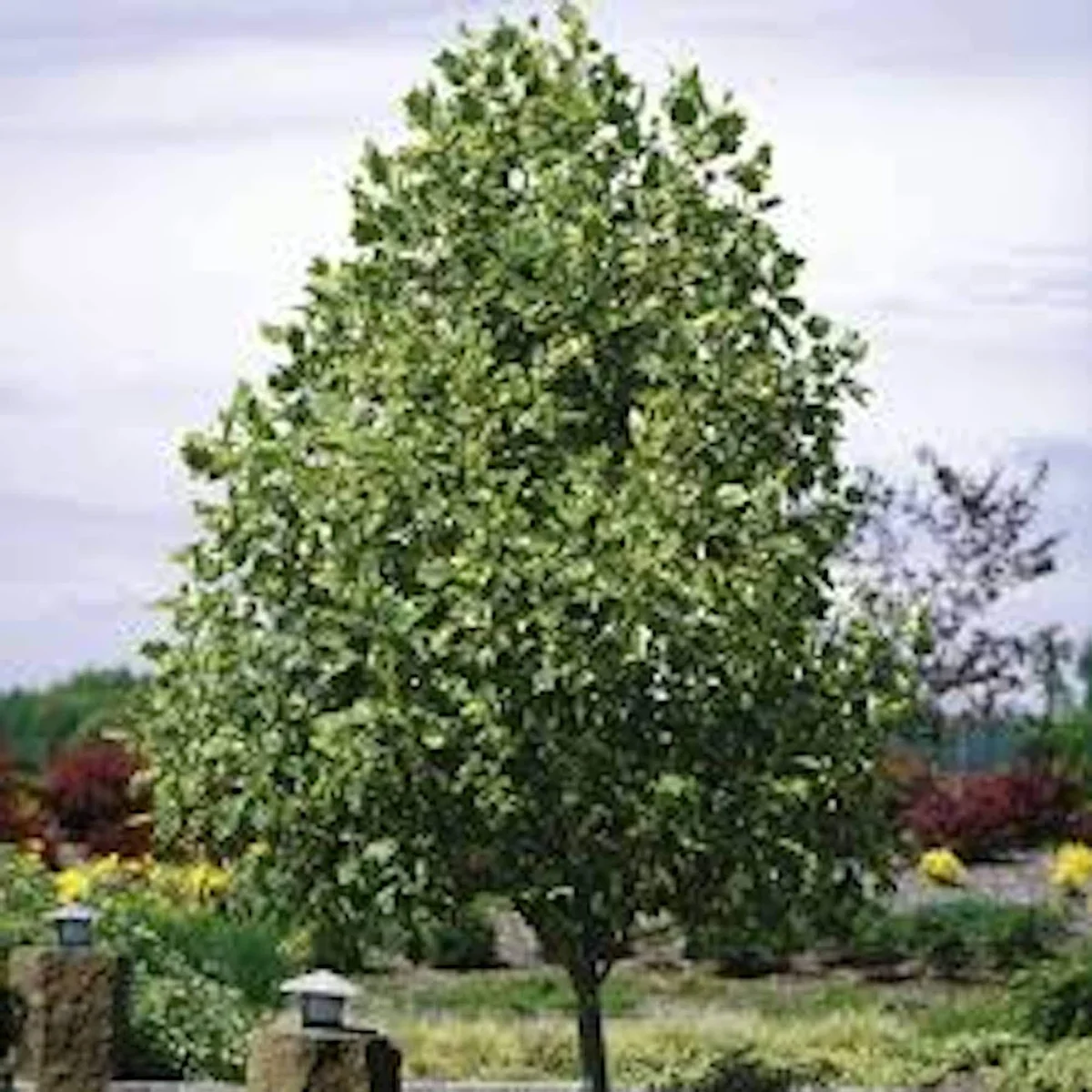
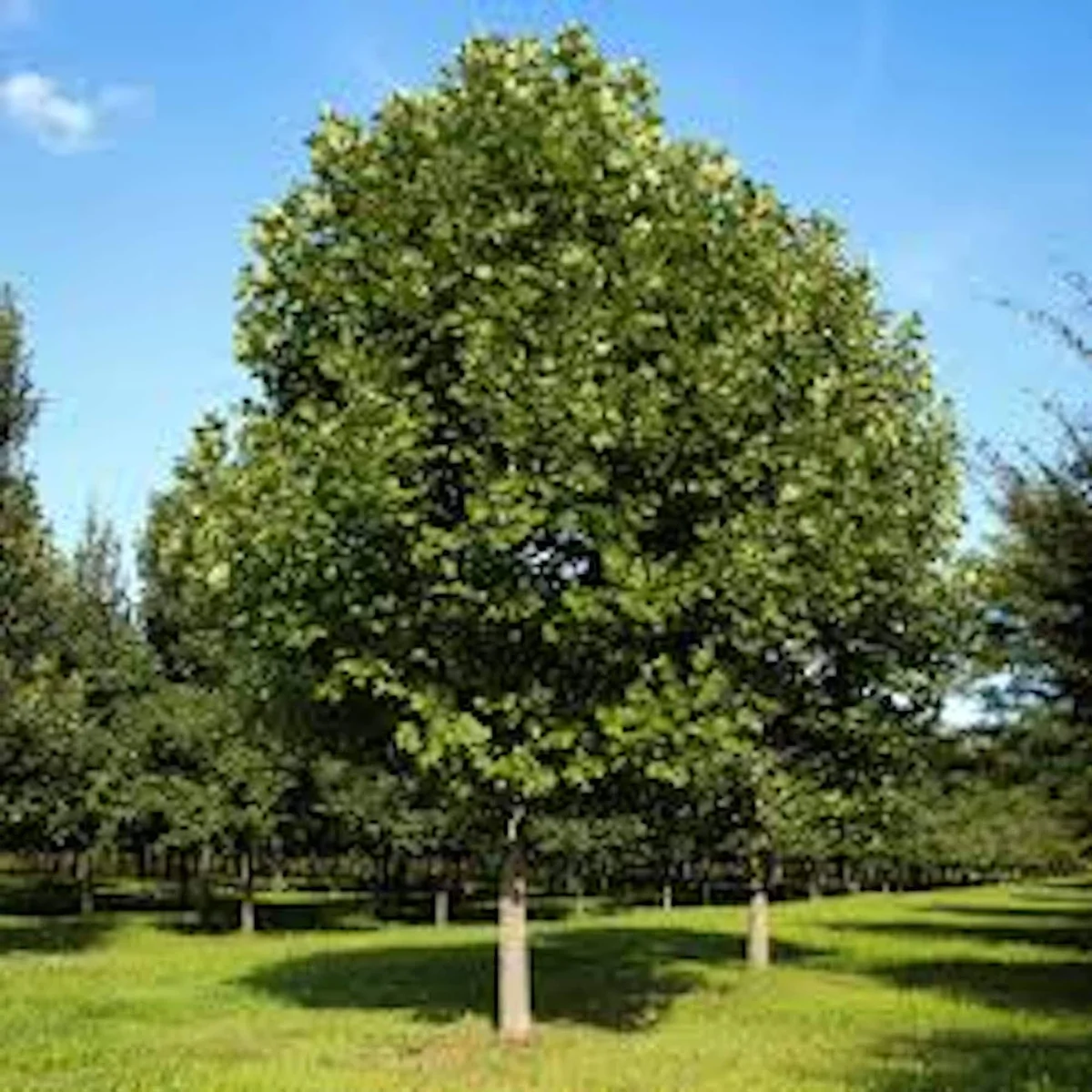
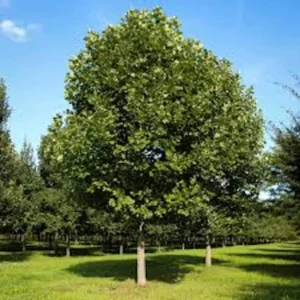
Introduce the majestic tulip poplar tree (Liriodendron tulipifera) to your garden. This offering is for a 12-24 inch bare root live plant, ready to establish itself and transform your outdoor space. Often called the tulip tree, this deciduous beauty is renowned for its strikingly unique tulip-shaped leaves and vibrant, cup-shaped flowers that bloom in late spring to early summer. Despite its common name, the tulip poplar tree is not a true poplar but belongs to the magnolia family, making it a distinctive and elegant choice. Native to eastern North America, these trees are celebrated for their impressive size, often reaching heights of over 100 feet at maturity, and their remarkably fast growth rate, quickly providing substantial shade and a grand presence in any landscape. This tulip tree bare root specimen is an excellent way to start cultivating this magnificent species, ensuring a strong foundation for future growth and enjoyment. It’s a robust addition that brings both aesthetic appeal and ecological benefits to your property.
Key Benefits
The tulip poplar tree offers a multitude of benefits, making it a highly desirable choice for gardeners and landscapers alike. Its unique features contribute to both the beauty and ecological health of your environment.
- Rapid Growth & Shade: Known as a fast growing shade tree, the tulip poplar quickly establishes itself, providing ample shade and cooling benefits to your home and garden within a few years of planting. Its vigorous growth makes it an excellent choice for new landscapes.
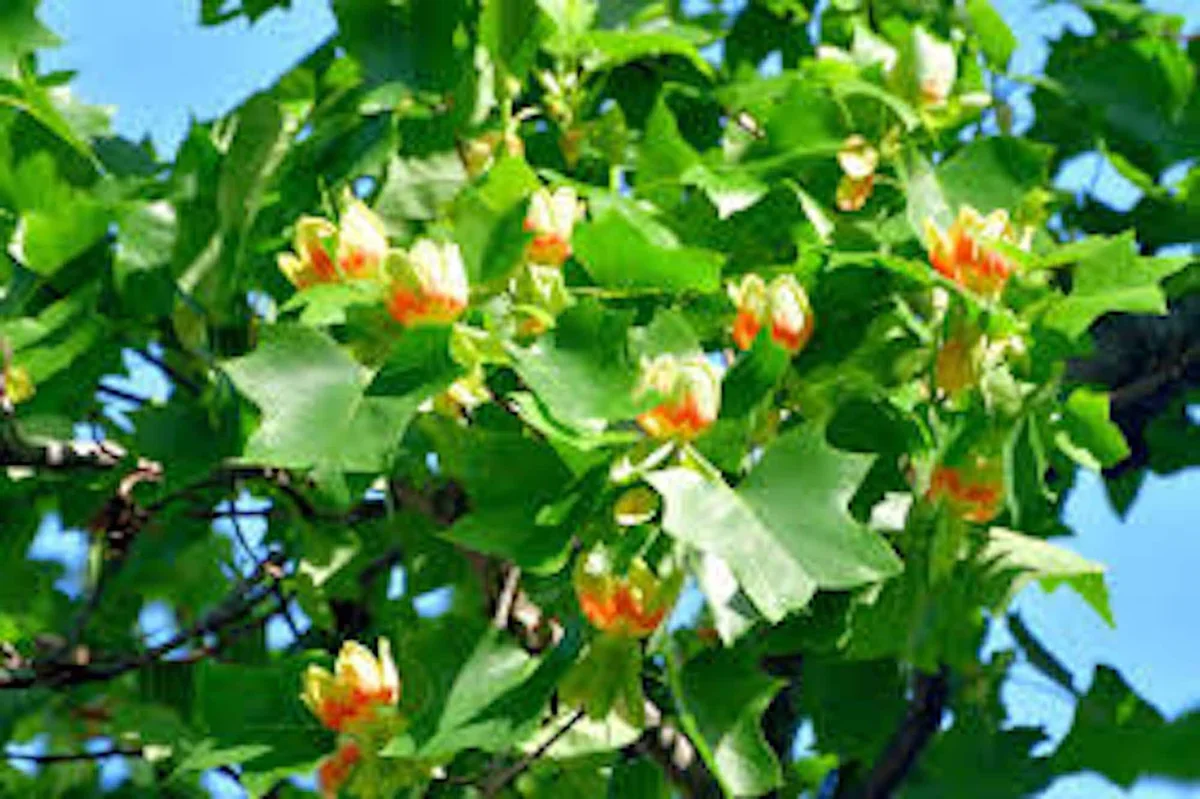
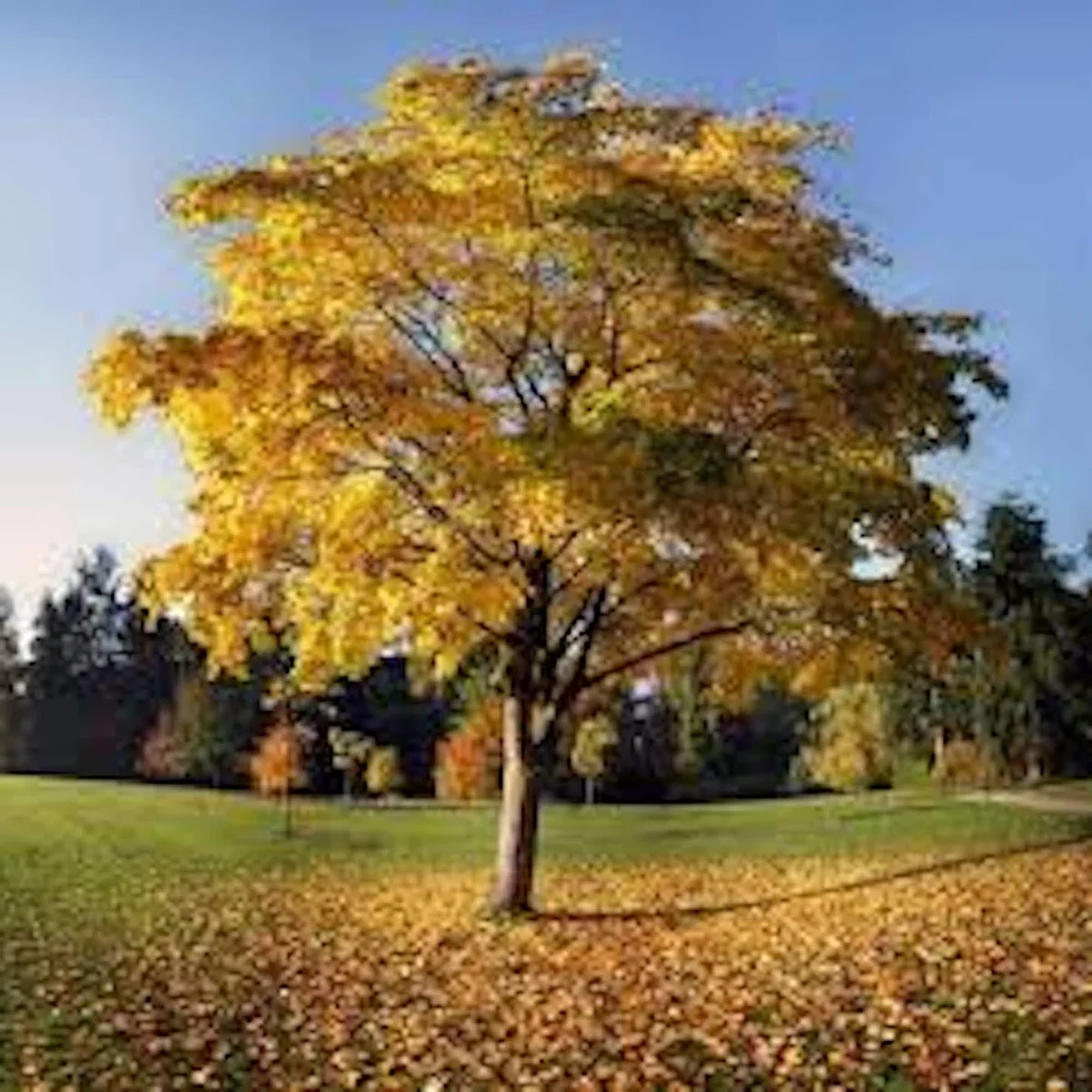
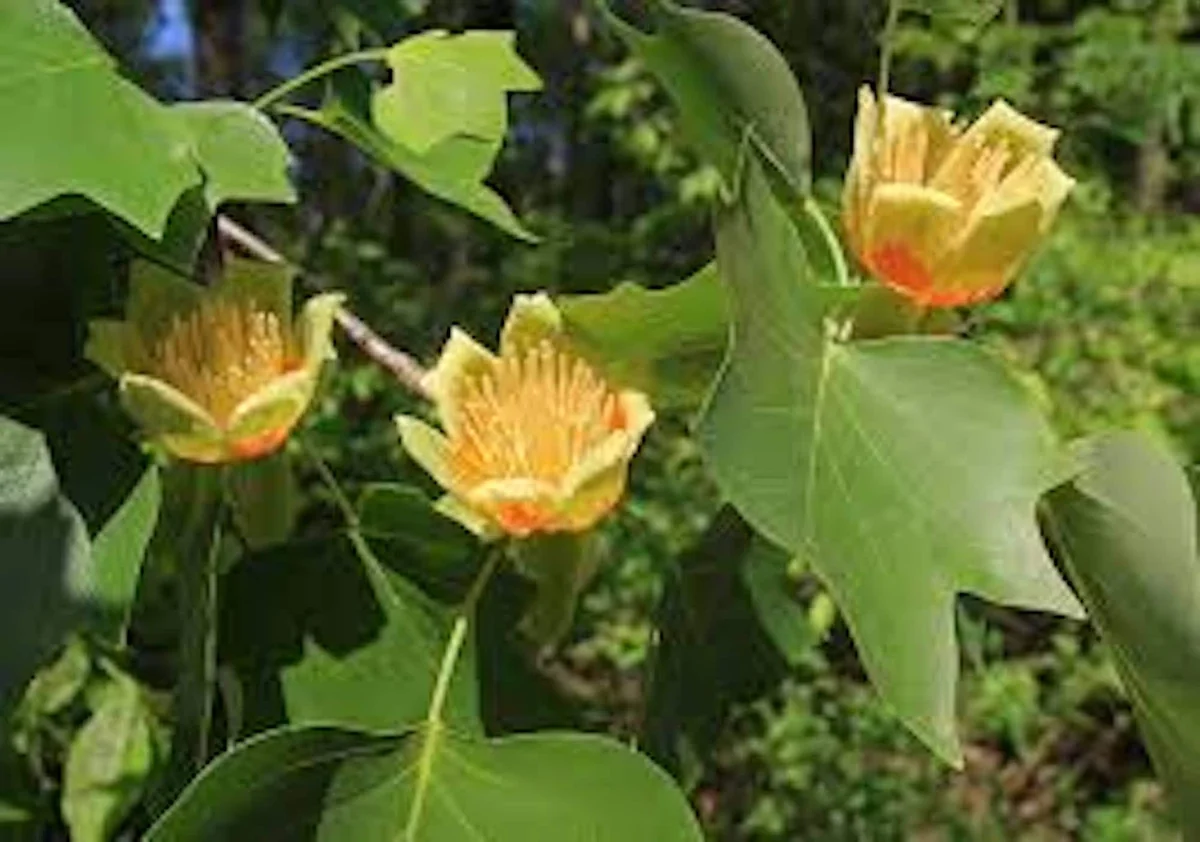
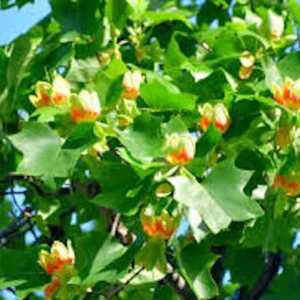
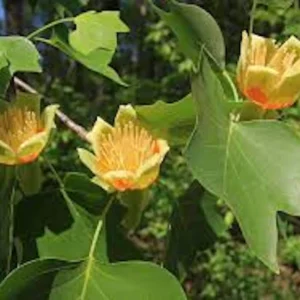
- Distinctive Foliage & Flowers: Enjoy the unique, four-lobed, tulip-shaped leaves that turn a beautiful golden-yellow in autumn. The greenish-yellow, orange-banded flowers resemble tulips, adding an exotic touch to your spring and early summer garden.
- Attracts Pollinators: The nectar-rich flowers are a favorite of bees, hummingbirds, and other pollinators, contributing to the biodiversity and health of your local ecosystem. This makes the tulip poplar tree a vital component of a thriving garden.
- Low Maintenance: Once established, this tree is relatively low-maintenance, requiring minimal care. It’s adaptable to various soil types and generally resistant to pests and diseases, making it a resilient choice for many climates.
- Strong Timber: Beyond its ornamental value, the wood of the liriodendron tulipifera is highly valued for its strength and workability, often used in furniture, cabinetry, and other construction applications.
- Wildlife Habitat: The large canopy provides excellent shelter and nesting sites for various bird species, while the flowers and seeds offer food sources for local wildlife.
- Erosion Control: Its extensive root system helps to stabilize soil, making it valuable for erosion control on slopes or in areas prone to soil degradation.
Plant Care & Growing Tips
Cultivating a healthy tulip poplar tree begins with proper planting and ongoing care. This tulip tree bare root specimen thrives when given the right conditions from the start. Tulip poplars prefer a location with full sun, meaning at least 6 hours of direct sunlight per day, to ensure vigorous growth and abundant flowering. They are adaptable to a wide range of well-drained soils, including acidic, loamy, or clay soils. However, they perform best in moist, fertile, slightly acidic soils. Avoid planting in areas with poor drainage, as this can lead to root rot.
When planting your tulip poplar tree, dig a hole that is twice as wide as the root spread and just deep enough so that the root collar (the point where the roots meet the stem) is level with the ground. Spread the bare roots out evenly in the hole, backfill with soil, and water thoroughly to settle the soil around the roots. Mulch around the base of the tree with a 2-4 inch layer of organic material to conserve moisture, regulate soil temperature, and suppress weeds, keeping the mulch a few inches away from the trunk. Water regularly during the first growing season to help establish a strong root system, especially during dry periods. Once established, the liriodendron tulipifera is quite drought-tolerant but will benefit from occasional watering during prolonged dry spells. Fertilize in early spring with a balanced, slow-release fertilizer designed for trees, following the product instructions. Pruning is generally not required for shape, but remove any dead, damaged, or crossing branches to maintain tree health. This fast growing shade tree is hardy in USDA Zones 4 through 9, making it suitable for a broad range of climates.
Size & Details
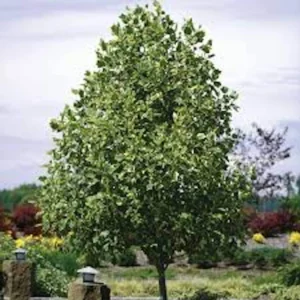
This offering is for one tulip poplar tree, provided as a tulip tree bare root specimen, measuring approximately 12-24 inches in height. Bare root trees are dormant plants shipped without soil around their roots, making them an economical and efficient way to plant. They establish quickly once planted in the ground, as their roots are directly exposed to the soil, encouraging rapid growth. Upon planting and establishment, this fast growing shade tree will begin its journey towards maturity, eventually reaching impressive heights of over 100 feet with a spread of 40-50 feet. The growth rate is typically fast, adding 12-24 inches or more per year under ideal conditions. Expect to see the characteristic tulip-shaped leaves and flowers emerge in spring and early summer once the tree is established and mature enough to bloom. The mature form of the liriodendron tulipifera is stately and upright, with a straight trunk and a relatively narrow, oval crown, making it an excellent choice for large landscapes or as a street tree.
Frequently Asked Questions
- Q: How big will this 12-24 inch bare root tulip poplar tree get? A: Once established, a tulip poplar tree can reach impressive heights of over 100 feet and a spread of 40-50 feet at maturity, making it a very large and grand tree.
- Q: Is this an indoor or outdoor plant? A: The tulip poplar tree is an outdoor plant, best suited for large landscapes where it has ample space to grow and thrive. It is not suitable for indoor cultivation.
- Q: How much sunlight does a tulip poplar need? A: Tulip poplars prefer full sun, meaning they need at least 6 hours of direct sunlight per day to grow vigorously and produce their distinctive flowers.
- Q: Is this plant easy to care for? A: Yes, once established, the liriodendron tulipifera is relatively easy to care for. It requires regular watering during its establishment phase but becomes quite tolerant of various conditions afterward.
- Q: What condition will the bare root tree arrive in? A: Your tulip tree bare root will arrive dormant, without leaves or soil, carefully packaged to protect the roots during transit. This is normal for bare root trees and ensures successful planting.
- Q: When is the best time to plant a bare root tulip poplar? A: The best time to plant bare root trees like the tulip poplar tree is in late winter or early spring, while the tree is still dormant, before new growth begins.
- Q: What USDA Hardiness Zones are suitable for the tulip poplar? A: The tulip poplar tree is hardy in USDA Hardiness Zones 4 through 9, making it adaptable to a wide range of temperate climates across North America.
- Q: What kind of soil does a tulip poplar prefer? A: Tulip poplars thrive in well-drained soil, including acidic, loamy, or clay soils. They prefer moist, fertile soil but can tolerate a range of conditions.
- Q: Will the flowers attract pollinators? A: Yes, the distinctive greenish-yellow flowers of the tulip poplar tree are a significant source of nectar and are highly attractive to bees, hummingbirds, and other beneficial pollinators.
- Q: How fast does a tulip poplar grow? A: The tulip poplar tree is a fast growing shade tree, typically adding 12-24 inches or more in height per year under optimal growing conditions.


Reviews
There are no reviews yet.