Overview
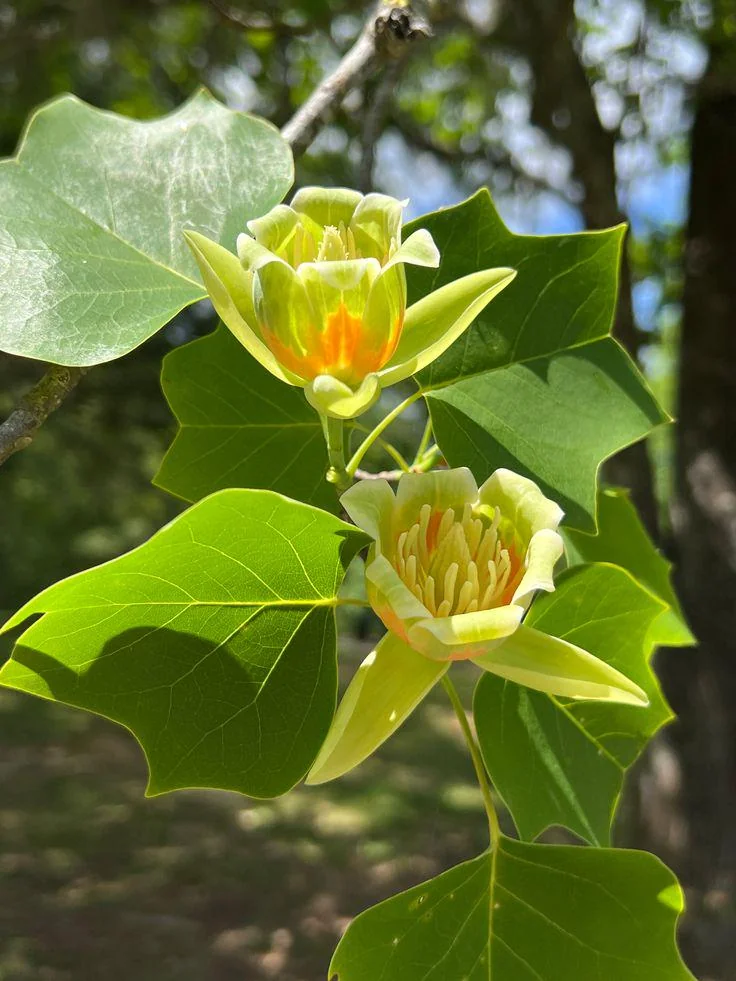
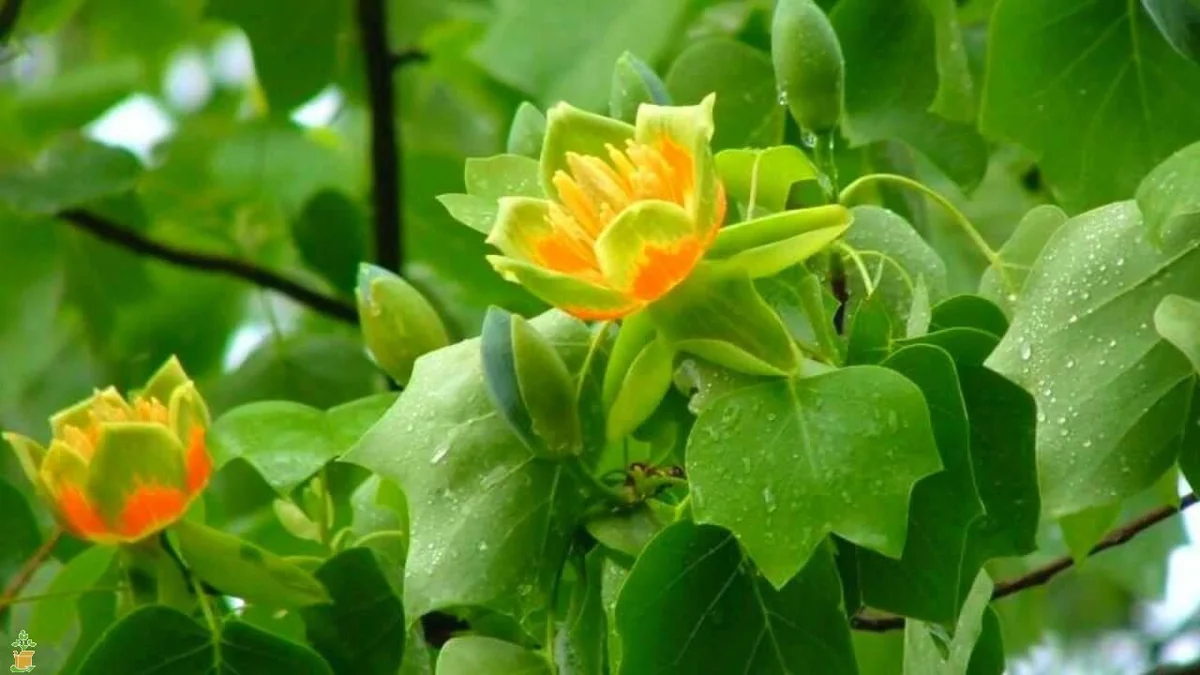
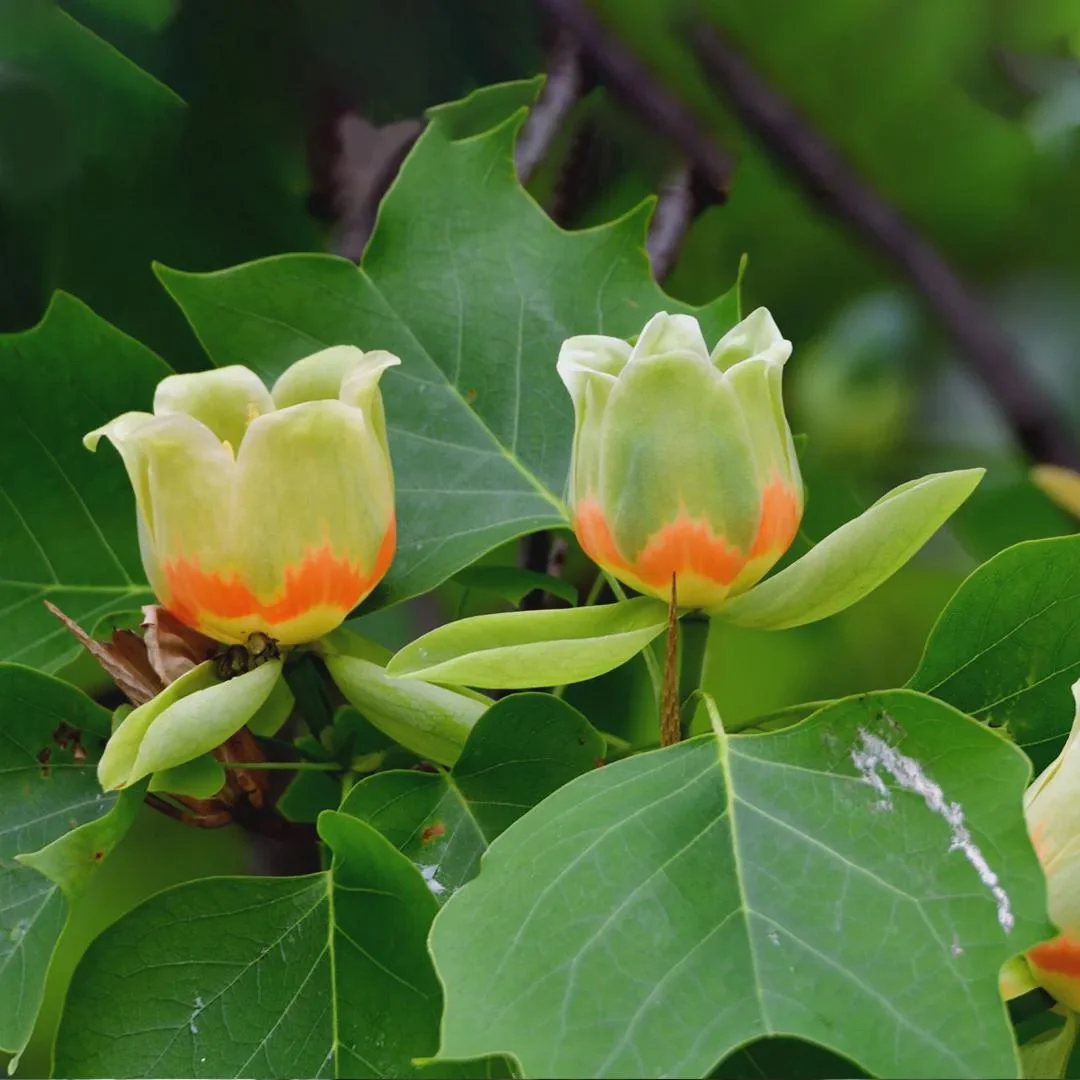
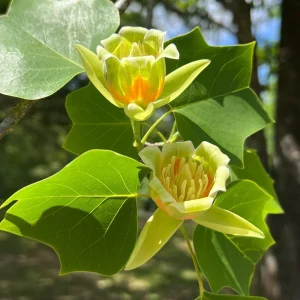
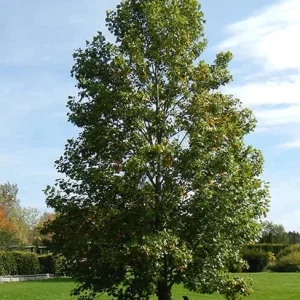
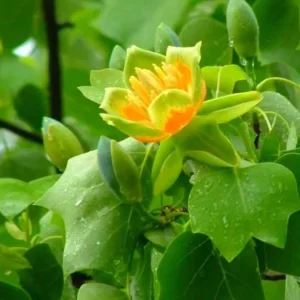
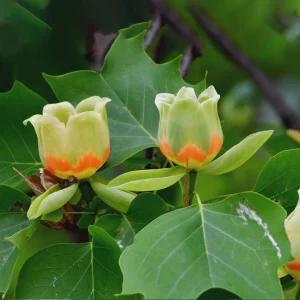
Transform your garden into a majestic haven with the addition of a tulip poplar tree bare-root. Known scientifically as Liriodendron tulipifera, this magnificent eastern hardwood is celebrated for its rapid growth and stately presence. Our offering includes 2 high-quality liriodendron tulipifera bare-roots, providing an excellent foundation for establishing these iconic trees in your landscape. As one of the tallest and most beautiful native hardwoods, the Tulip Poplar boasts a long, straight trunk and a crown that gracefully spreads with age. Its most enchanting feature is undoubtedly its large, showy flowers, which bear a striking resemblance to tulips or lilies, appearing in beautiful yellow-orange hues during late spring to early summer. These deciduous trees are not just a visual delight but also contribute significantly to the local ecosystem, attracting pollinators and providing ample shade.
Often referred to as the yellow poplar tree, this species is a true gem for any large garden or park setting. Its distinctive, star-shaped foliage is waxy and smooth, turning a dependable, brilliant gold in the fall, creating a spectacular display of autumnal color. Even without its blooms, the tree offers year-round interest. The cone-shaped seedheads persist after the leaves have fallen, adding texture to the winter landscape. Whether you are looking to create a naturalized area, establish a grand shade tree, or simply appreciate native flora, these bare-roots provide an economical and effective way to introduce this stunning species to your property.
Key Benefits
Planting a tulip poplar tree bare-root offers a multitude of benefits, enhancing both the aesthetic and ecological value of your property. These adaptable trees are a fantastic investment for long-term landscape beauty and environmental health.
- Spectacular Floral Display: Enjoy unique, showy yellow-orange flowers that resemble tulips, adding an exotic touch to your landscape in late spring to early summer. While often high in the canopy, their beauty is undeniable.
- Brilliant Autumn Foliage: The distinctive, star-shaped leaves reliably turn a vibrant, bright gold in the fall, providing a breathtaking seasonal display that brightens any garden.
- Impressive Shade Provider: As a fast growing shade tree, the Tulip Poplar quickly develops a dense canopy, offering ample shade to cool your home and garden during hot summer months, reducing energy costs.
- Ecological Value: Attracts a variety of pollinators, including bees and hummingbirds, with its nectar-rich flowers, supporting biodiversity in your local environment.
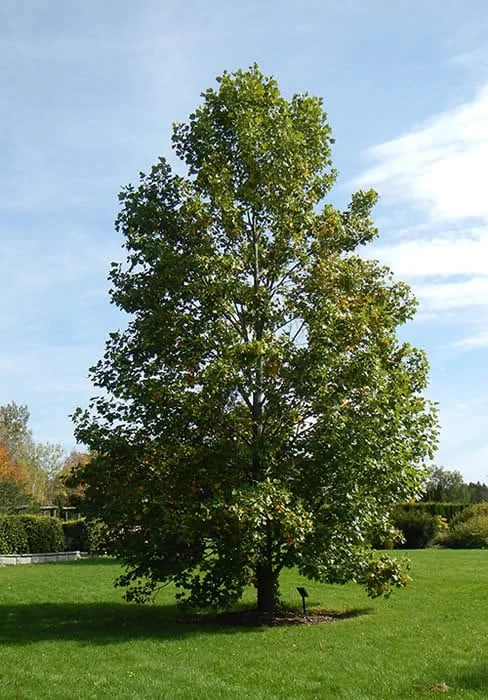
- Stately & Grand Presence: With its potential to grow exceptionally tall and develop a massive trunk, this native eastern hardwood creates a majestic focal point, adding a sense of grandeur and permanence to any large landscape.
- Low Maintenance Once Established: Once rooted, these trees are quite resilient and require minimal care, making them a suitable choice for gardeners seeking high impact with less effort.
- Hardy & Adaptable: Tolerant of a wide range of soil conditions and climates within its hardiness zones, ensuring successful growth in various settings.
Plant Care & Growing Tips
To ensure your tulip poplar tree bare-root thrives, proper care and planting techniques are essential. These trees are generally robust but benefit greatly from a good start. For optimal growth, select a site that receives full sun, meaning at least 6 hours of direct sunlight per day. While they can tolerate partial shade, full sun promotes the best flowering and strongest growth. When planting your liriodendron tulipifera bare-roots, dig a hole that is wide enough to accommodate the roots without bending them and deep enough so that the root flare is at or just above ground level. Amend heavy clay soils with organic matter to improve drainage.
Watering is crucial during the establishment phase. Keep the soil consistently moist but not waterlogged, especially during dry spells in the first one to two years after planting. Once established, the yellow poplar tree is relatively drought-tolerant, though it will benefit from supplemental watering during prolonged dry periods. These trees prefer deep, rich, well-draining soil with a slightly acidic to neutral pH. Fertilization can be done in early spring with a balanced, slow-release tree fertilizer, but avoid over-fertilizing young trees. The Tulip Poplar is hardy in USDA zones 4-9, making it suitable for a wide range of climates. Protect young trees from deer browsing and ensure adequate air circulation to prevent fungal issues. Regular mulching around the base helps retain soil moisture and regulate temperature.
While generally resistant to many pests and diseases, watch for common issues like aphids or powdery mildew, especially in stressed trees. Address these promptly with appropriate organic or chemical treatments. Pruning is typically minimal, focusing on removing dead, damaged, or crossing branches to maintain a strong structure. Avoid heavy pruning, as it can stress the tree. With proper care, your fast growing shade tree will quickly mature into a magnificent specimen, providing beauty and shade for generations.
Size & Details
Each purchase includes 2 high-quality tulip poplar tree bare-root specimens, ready for planting. These bare-roots are typically supplied without soil, allowing for easier transport and less shock upon planting. When mature, the Liriodendron tulipifera is a truly impressive specimen, capable of reaching heights of up to 150 feet or even taller in ideal conditions, with a spread of 40-50 feet. It is indeed a native eastern hardwood that commands attention.
The growth rate of a yellow poplar tree is considered fast, often adding 12-18 inches or more per year under favorable conditions, quickly establishing itself as a significant landscape feature. The characteristic tulip-like flowers typically appear when the tree is 10-15 years old, though this can vary. These trees are sent dormant, making late winter to early spring the ideal planting period for successful establishment. With proper siting and care, these bare-roots will quickly develop into stately trees, providing decades of beauty and ecological benefits.
Frequently Asked Questions
- Q: How tall will a tulip poplar tree bare-root grow? A: A tulip poplar tree bare-root can grow to impressive heights, often reaching up to 150 feet or more under optimal conditions, making it one of the tallest native eastern hardwoods. Its height and spread will depend on growing conditions and age.
- Q: Is this an indoor or outdoor plant? A: This liriodendron tulipifera bare-root is an outdoor tree, meant for planting in large landscapes, parks, or spacious gardens where it has ample room to grow to its full mature size. It is not suitable for indoor cultivation.
- Q: How much sunlight does a yellow poplar tree need? A: A yellow poplar tree thrives in full sun, requiring at least 6 hours of direct sunlight per day for the best growth and flowering. While it can tolerate some partial shade, its performance will be superior in a sunny location.
- Q: How long does it take for a tulip poplar tree to flower? A: The beautiful, tulip-like flowers typically begin to appear when the tree is between 10 to 15 years old, though this can vary based on growing conditions and specific tree vigor.
- Q: What condition will the bare-roots arrive in? A: Your tulip poplar tree bare-root will arrive dormant, carefully packaged to protect the roots. This is the ideal state for planting, as it minimizes transplant shock and encourages rapid establishment once planted.
- Q: When is the best time to plant a tulip poplar tree bare-root? A: The best time to plant a fast growing shade tree like the Tulip Poplar bare-root is in late winter or early spring, before the tree breaks dormancy. This allows the roots to establish before the stress of summer heat.
- Q: What USDA hardiness zones are suitable for Liriodendron tulipifera? A: Liriodendron tulipifera is hardy in USDA Zones 4 through 9, making it adaptable to a wide range of climates across the United States. Ensure your local zone falls within this range for successful growth.
- Q: Is the tulip poplar tree a good choice for attracting wildlife? A: Yes, the native eastern hardwood is an excellent choice for wildlife. Its flowers attract pollinators like bees and hummingbirds, and its seeds can provide food for birds and small mammals, enhancing local biodiversity.
- Q: What kind of soil does a tulip poplar tree prefer? A: The tulip poplar tree bare-root prefers deep, rich, well-draining soil with a slightly acidic to neutral pH. It can tolerate a variety of soil types but performs best in moist, fertile conditions.
- Q: How quickly will my tulip poplar tree bare-root grow? A: This is a fast growing shade tree, and with proper care and ideal conditions, you can expect it to grow 12-18 inches or more per year, quickly establishing itself as a prominent feature in your landscape.


Reviews
There are no reviews yet.