Overview
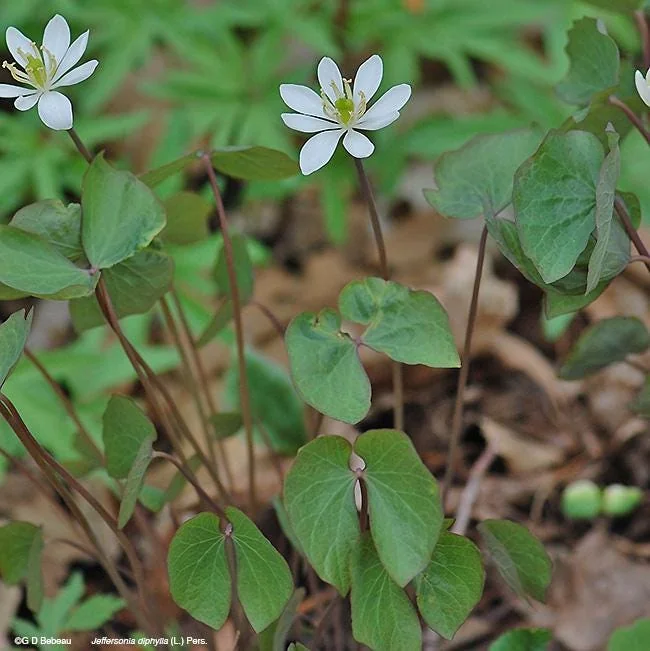
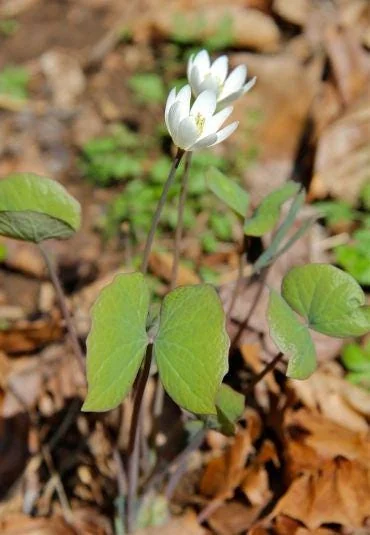
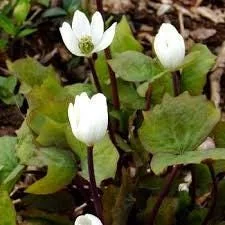
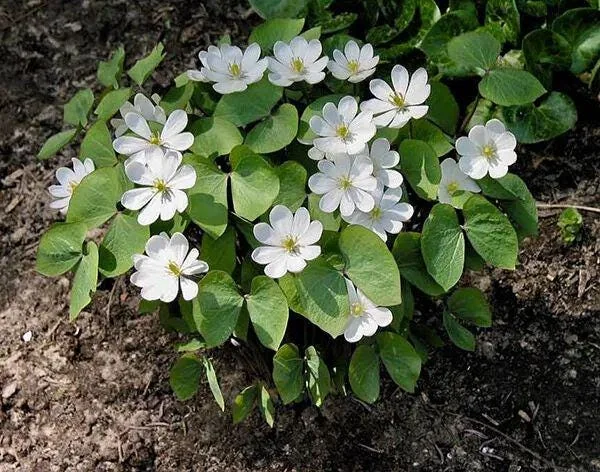
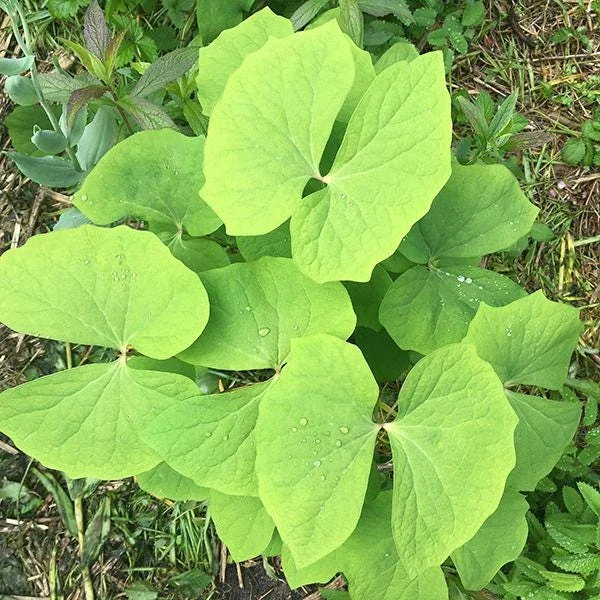
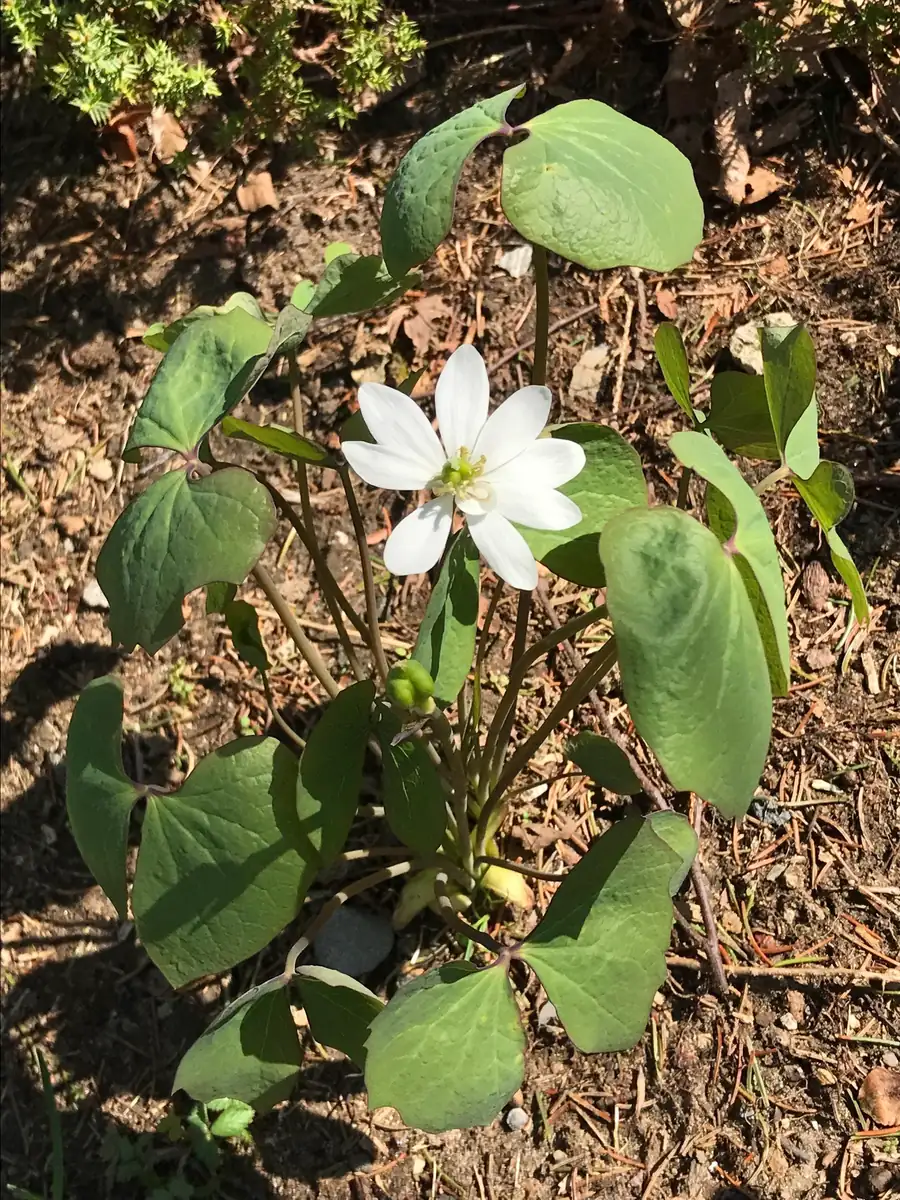
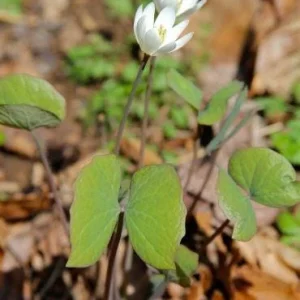
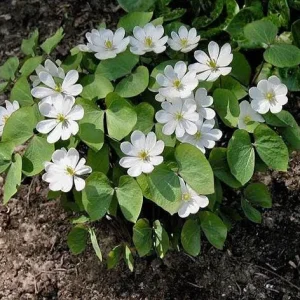
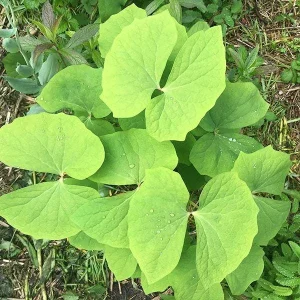
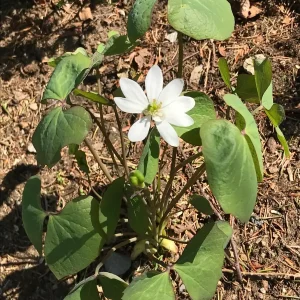
Introduce a touch of native woodland elegance to your garden with Twinleaf bare roots (Jeffersonia diphylla). This fascinating perennial is an early spring wildflower, celebrated for its unique foliage and delicate blooms. The common name, Twinleaf, perfectly describes its most striking feature: basal leaves deeply divided into two symmetrical, wing-like halves. Emerging early in the spring, often before other plants have fully awakened, these bare roots quickly establish to produce a single, pristine white, cup-shaped flower. Resembling a miniature bloodroot, the flower provides a beacon of beauty in the awakening landscape, making it a prized addition for gardeners seeking unusual and charming native plants.
Growing from a robust rhizome, Jeffersonia diphylla is a hardy and long-lived addition to shaded garden beds. Its presence signals the true arrival of spring, offering a serene display before the canopy above fully leafs out. These bare roots are an economical and effective way to establish this coveted plant, ensuring a strong start for healthy growth and prolific flowering in subsequent seasons. Ideal for naturalizing, rock gardens, or shaded borders, Twinleaf provides both botanical interest and ecological value.
Key Benefits
The Twinleaf bare roots offer numerous advantages for the discerning gardener looking to enhance their outdoor space:
- Unique Foliage and Blooms: The distinctive two-part leaves are a conversation starter, followed by charming white, cup-shaped flowers that add a delicate beauty to the early spring landscape. This makes it a standout among woodland garden plants.
- Early Spring Interest: As one of the first wildflowers to emerge, Twinleaf provides essential visual appeal and nectar for early pollinators when other plants are still dormant, extending the gardening season.
- Low Maintenance Perennial: Once established, Jeffersonia diphylla is remarkably self-sufficient, requiring minimal care and returning year after year with increasing vigor.
- Shade Garden Specialist: Thrives in shaded and semi-shaded environments, making it an excellent choice for difficult-to-plant areas under trees or on the north side of buildings.
- Native Plant Appeal: As a native species, it supports local ecosystems and provides habitat and food sources for native wildlife, contributing to biodiversity. If you’re looking for rare native plants, Twinleaf is an excellent choice.
- Long-Lived and Spreading: With proper care, Twinleaf will naturalize and gently spread over time, creating beautiful colonies without becoming invasive.
Plant Care & Growing Tips
Caring for your Twinleaf bare roots ensures successful establishment and a vibrant display for years to come. Plant in a location that receives partial to full shade; direct afternoon sun can scorch the delicate leaves. Morning sun is generally acceptable, but dappled shade throughout the day is ideal, mimicking its natural woodland habitat. The soil should be rich in organic matter, consistently moist but well-draining. Amend heavy clay soils with compost or leaf mold to improve texture and drainage, or sandy soils to enhance moisture retention. A slightly acidic to neutral pH (6.0-7.0) is preferred.
Water regularly, especially during dry spells and in the first year after planting, to help the bare roots establish a strong root system. Avoid waterlogging, as this can lead to rhizome rot. Once established, Twinleaf is somewhat drought-tolerant but performs best with consistent moisture. Fertilize sparingly; a light application of balanced, slow-release organic fertilizer in early spring can be beneficial, but excessive feeding is not necessary. Mulch with leaf litter or shredded bark to help retain soil moisture, suppress weeds, and provide a steady supply of organic nutrients as it decomposes. This also helps protect the bare roots during winter. Twinleaf is hardy in USDA zones 4-7, tolerating cold winters and hot summers within this range. Division can be done carefully in early spring or fall, though it often prefers to be left undisturbed.
Size & Details
These Twinleaf bare roots are dormant, ready for planting and rapid establishment in your garden. Each bare root is typically a healthy, robust rhizome with dormant buds, ensuring a strong start. Once established, the plant will typically grow to a height of 6-12 inches (15-30 cm) with a similar spread, forming attractive clumps. The single white flower, approximately 1 inch (2.5 cm) wide, appears atop a leafless stalk in April-May, followed by a unique pear-shaped capsule fruit. Twinleaf has a moderate growth rate, establishing well in its first year and expanding its presence in subsequent seasons. It is best planted in groups for a more impactful display, creating a naturalized look in woodland settings. Expect the plant to bloom from its second year onwards, with more prolific flowering as it matures.
Frequently Asked Questions
- Q: How do I plant Twinleaf bare roots? A: Dig a hole wide enough to spread out the roots and deep enough so the crown (where roots meet stem) is at soil level. Cover with well-draining, organically rich soil and water thoroughly.
- Q: Is this an indoor or outdoor plant? A: Twinleaf (Jeffersonia diphylla) is an outdoor woodland perennial, best suited for shaded garden beds and naturalized areas. It is not typically grown as a houseplant.
- Q: How much sunlight does Twinleaf need? A: Twinleaf thrives in partial to full shade. Avoid direct afternoon sun, which can scorch its delicate leaves. Dappled light or morning sun is ideal for this woodland garden plant.
- Q: Is this plant easy to care for? A: Yes, once established, Twinleaf is a relatively low-maintenance plant, making it a good choice for gardeners seeking easy-care early spring wildflowers. Consistent moisture and shade are key.
- Q: What condition will the bare roots arrive in? A: Your Twinleaf bare roots will arrive dormant, carefully packaged to ensure freshness and viability, ready for immediate planting upon arrival.
- Q: When is the best time to plant Twinleaf bare roots? A: The best time to plant bare roots is in early spring or fall, allowing them to establish roots before the heat of summer or the deep cold of winter.
- Q: What USDA hardiness zones are suitable for Twinleaf? A: Jeffersonia diphylla is hardy in USDA Zones 4-7, making it suitable for a wide range of temperate climates.
- Q: How big does a Twinleaf plant get? A: Mature Twinleaf plants typically reach a height and spread of 6-12 inches (15-30 cm), forming attractive, compact clumps.
- Q: Are Twinleaf plants considered rare native plants? A: While not critically endangered, Twinleaf is a native plant that is becoming less common in its natural habitats, making it a valuable addition for those interested in preserving and growing rare native plants.
- Q: What kind of soil does Twinleaf prefer? A: Twinleaf prefers moist, well-draining soil that is rich in organic matter, mimicking the conditions of a forest floor.


Reviews
There are no reviews yet.