Overview
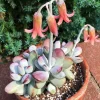
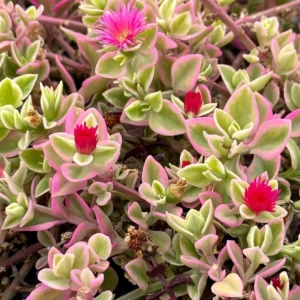
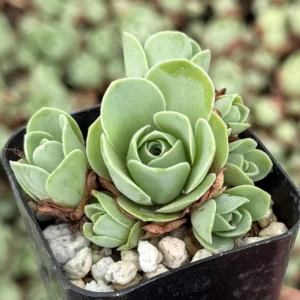
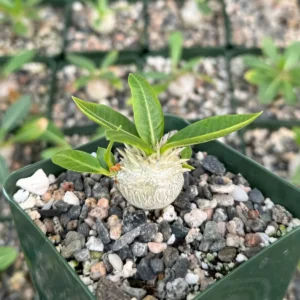
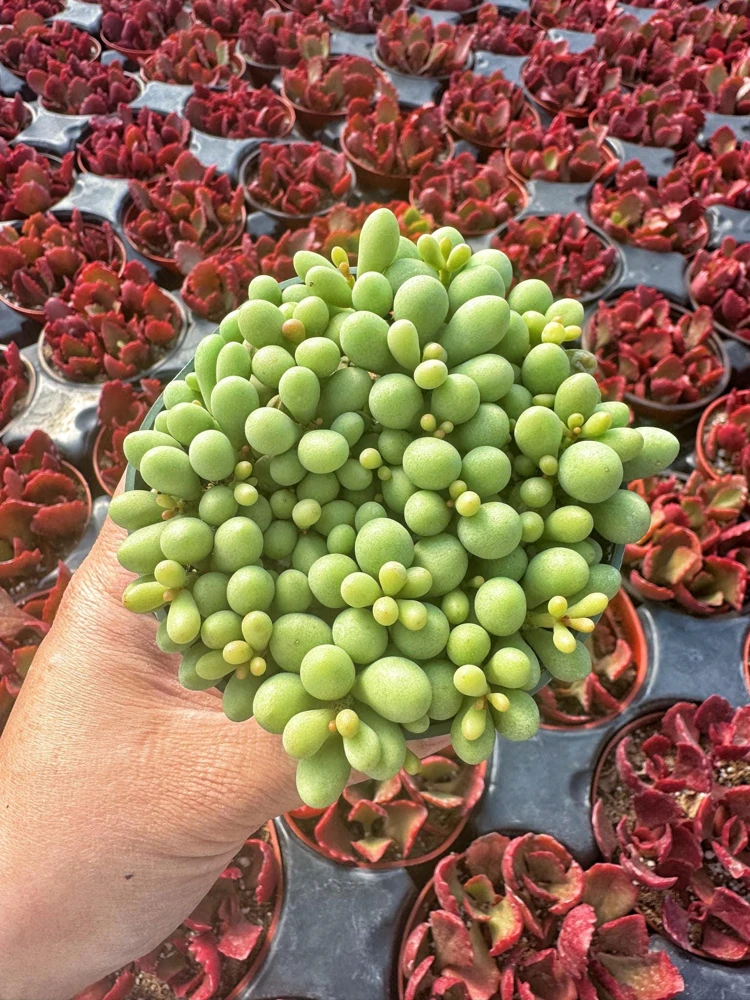
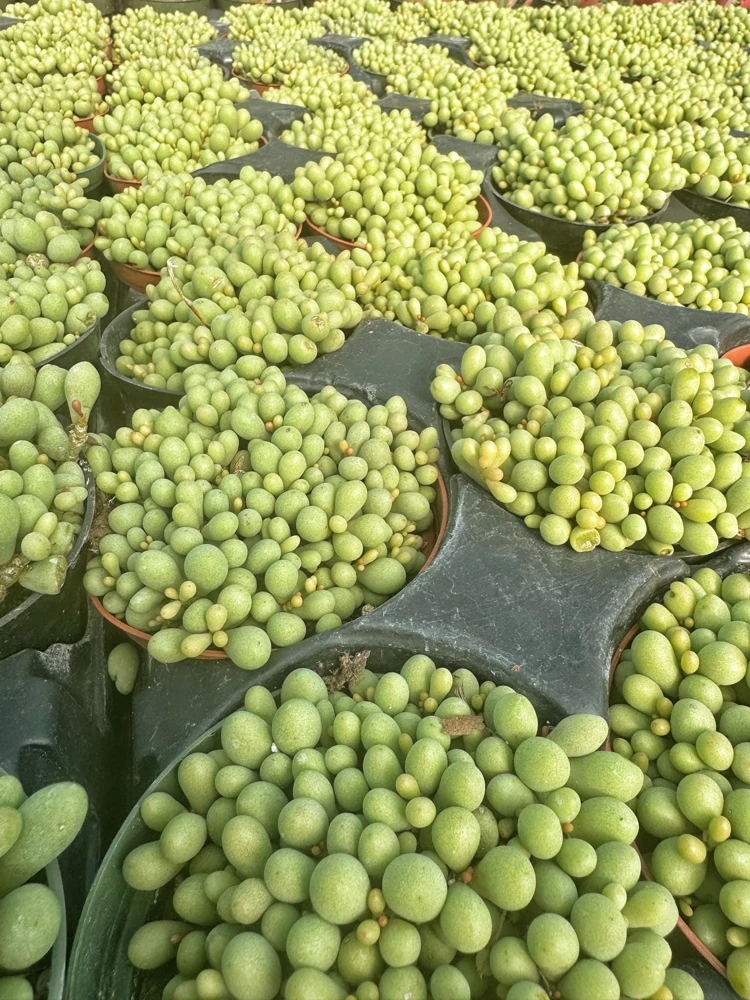
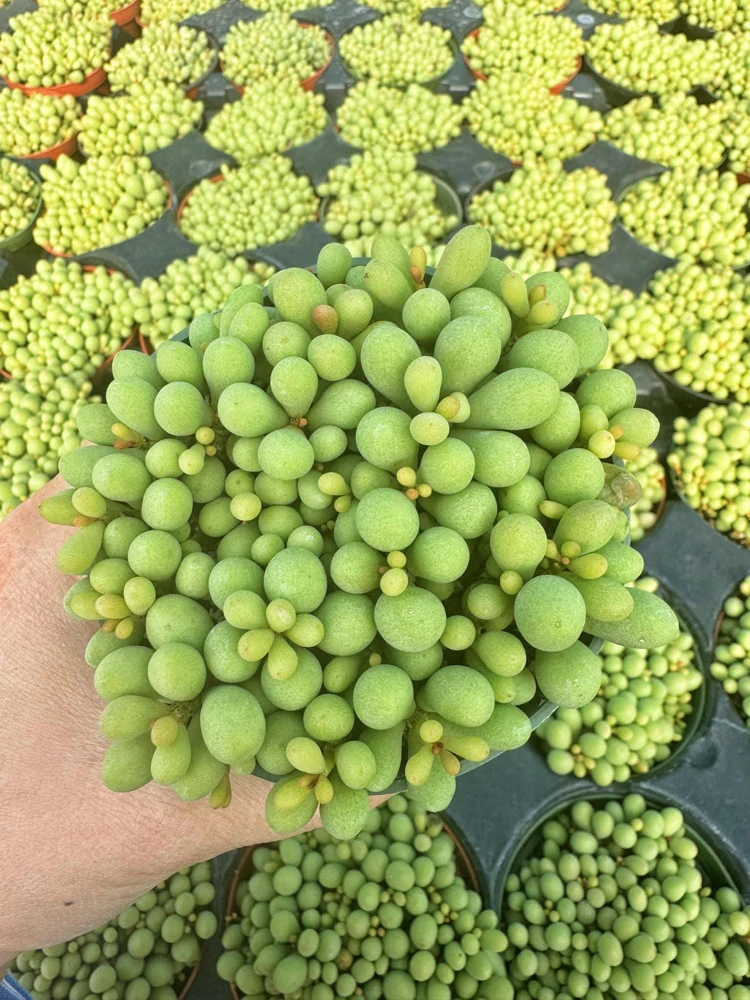
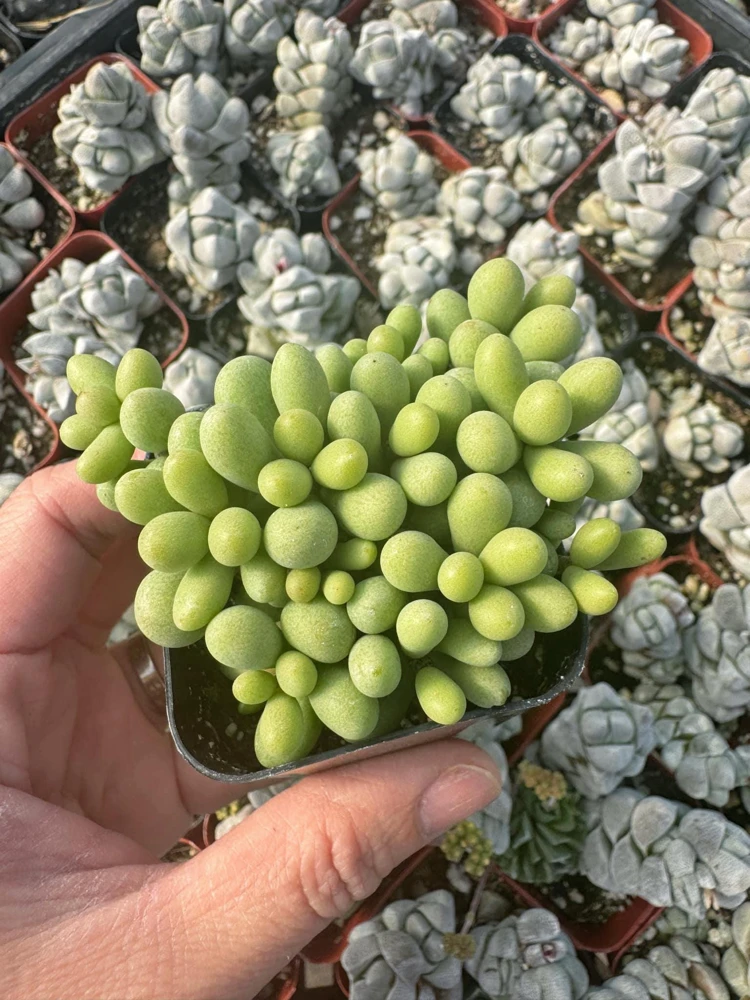
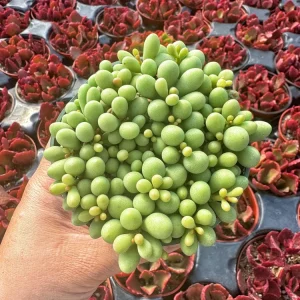
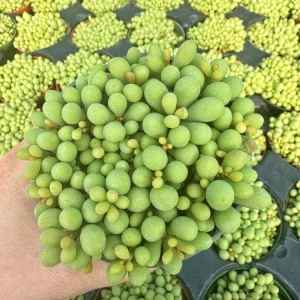
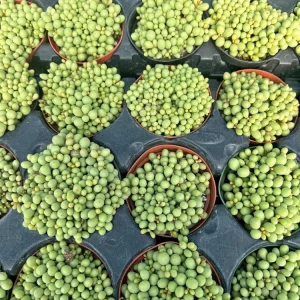
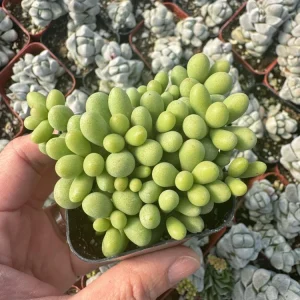
Introduce an extraordinary botanical specimen to your collection with the Tylecodon Schaeferianus live plant. This rare and exotic succulent, often referred to as the ‘dragon egg’ plant due to its unique appearance, is a true conversation starter. Native to the rocky flats and cliffsides of Namibia, Tylecodon Schaeferianus (Tölken) develops gnarled, sculptural stems and features distinctive green, egg-shaped foliage beautifully speckled with pink. It’s a slow grower but branches freely over time, with its bark becoming increasingly knobbly, adding to its ancient, bonsai-like appeal. This fascinating succulent goes dormant and sheds its leaves in summer, only to surprise with delicate pink to white blooms in late summer. It’s an exceptional choice for those seeking a unique and low-maintenance addition to their indoor plant collection or a captivating subject for bonsai artistry.
The allure of the Tylecodon Schaeferianus live plant lies in its architectural beauty and resilience. It thrives on neglect, making it perfect for busy plant enthusiasts or those new to succulent care. Its unique growth habit and seasonal changes provide continuous interest, transforming from lush foliage to a striking caudiciform structure during dormancy. This miniature succulent is not only visually appealing but also incredibly rewarding to cultivate, offering a glimpse into the diverse flora of arid regions.
Key Benefits
The Tylecodon Schaeferianus live plant offers a multitude of benefits, making it a highly desirable addition to any plant collection. Its unique characteristics contribute to both aesthetic appeal and ease of care, providing a rewarding experience for growers.
- Unique Aesthetic Appeal: The gnarled stems and speckled, egg-shaped foliage of the Tylecodon Schaeferianus live plant create a distinctive and exotic look, unlike most common succulents. It adds an artistic and sculptural element to any indoor space, making it a focal point.
- Low Maintenance: This miniature succulent care is surprisingly simple. As a drought-tolerant plant, it requires infrequent watering and thrives on minimal attention, making it perfect for busy individuals or beginner plant enthusiasts.
- Bonsai Potential: With its naturally gnarled stems and slow growth, the Tylecodon Schaeferianus live plant is an excellent candidate for bonsai projects. Its unique form lends itself well to shaping and training, creating living art.
- Dormancy Interest: Unlike many plants, this exotic Tylecodon enters a summer dormancy, losing its leaves to reveal its intricate stem structure. This seasonal change provides continuous visual interest and a deeper appreciation for its natural cycles.
- Rare Collector’s Item: Due to its unique appearance and specific care requirements (though minimal), the Tylecodon Schaeferianus plant for sale is often sought after by succulent collectors, adding a valuable and uncommon piece to their assortment.
- Adaptable to Indoor Environments: While native to harsh climates, this succulent adapts well to indoor conditions, provided it receives adequate light and proper watering. It’s a resilient plant that can thrive in various home settings.
- Compact Size: Its miniature stature makes it ideal for small spaces, windowsills, or office desks. It doesn’t require much room to grow, offering beauty without demanding extensive space.
Plant Care & Growing Tips
Proper care is essential for the longevity and health of your Tylecodon Schaeferianus live plant. This succulent thrives when its specific needs are met, particularly regarding light, water, and soil. For successful miniature succulent care, understanding its natural habitat is key.
Sunlight Requirements: The Tylecodon Schaeferianus live plant prefers bright, indirect light when grown indoors. A south or west-facing window with some protection from intense midday sun is ideal. If grown outdoors, place it in a shady area where it receives minimal direct sunlight, especially during the hottest parts of the day. Avoid prolonged exposure to harsh, direct sunlight which can scorch its delicate foliage and stems. During its summer dormancy, it can tolerate slightly less light, but consistent bright conditions are generally best for robust growth.
Watering Schedule and Soil Moisture: This succulent is extremely drought-tolerant. Water infrequently, allowing the soil to completely dry out between waterings. Typically, watering no more than once a week is sufficient, and often less, depending on your climate and the humidity levels in your home. Overwatering is the most common cause of root rot and plant death for this species. During its summer dormancy, significantly reduce watering, providing just enough to prevent the caudex from shriveling excessively. When watering, ensure water drains freely from the pot.
Soil Type and Drainage Requirements: The Tylecodon Schaeferianus live plant requires a fast-draining soil mix to prevent waterlogging. A good substrate consists of mostly peat moss and/or a succulent and cactus planting mix, generously amended with ample amounts of perlite, pumice, or coarse sand. If kept indoors, planting in a well-draining terracotta pot is highly recommended, as terracotta helps wick away excess moisture from the soil, further preventing root rot. Good drainage is paramount for healthy root development.
Temperature Range and USDA Hardiness Zone: This exotic succulent is not frost-tolerant. It thrives in warmer temperatures, ideally between 60-80°F (15-27°C). It is best suited for indoor cultivation in most regions. If grown outdoors in a suitable climate, it would fall into USDA zones 9-11, where temperatures rarely drop below freezing. Protect it from cold drafts and temperatures below 40°F (4°C).
Fertilization: Fertilize your Tylecodon Schaeferianus live plant sparingly. During its active growing season (typically fall through spring), fertilize once per month with a diluted houseplant food specifically formulated for succulents or cacti. Avoid fertilizing during its summer dormancy. Over-fertilization can harm the plant, so err on the side of caution.
Common Problems and Solutions: The most common issue is overwatering, leading to root rot. Ensure proper drainage and allow soil to dry completely. Watch for mealybugs or spider mites; treat with insecticidal soap or neem oil if infestations occur. If leaves shrivel during dormancy, it’s normal; if during the growing season, it may indicate underwatering or stress.
Size & Details
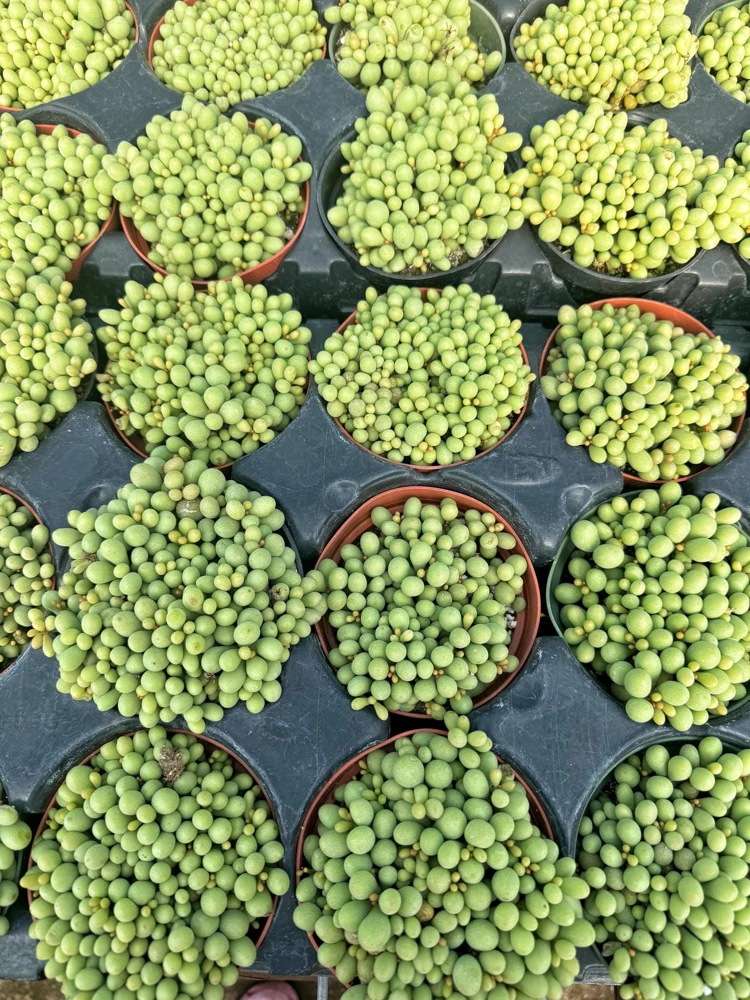
This offering includes one live Tylecodon Schaeferianus live plant, carefully cultivated in a 2-inch nursery pot. At this miniature size, it is perfect for windowsills, terrariums, or as a desk companion, embodying the charm of a miniature succulent care specimen. While slow-growing, this plant will gradually develop its characteristic gnarled stems and increase in size, eventually branching freely to form a more substantial caudex. The included plant will be a healthy, actively growing specimen, ready to establish in its new home. It is shipped securely in a protective shipping box with appropriate filler to ensure its safe arrival. As living organisms, individual plants may vary slightly in color and shape from the product images but will always represent the high quality of this unique exotic Tylecodon.
The 2-inch pot size makes it an ideal starting point for those interested in cultivating a bonsai succulent. Expect the plant to mature into a more pronounced, knobbly specimen over several years, rewarding patient growers with its evolving form. This plant typically remains compact, reaching a mature height of approximately 4-6 inches, with a similar spread, making it a perfect choice for small-space gardening or detailed succulent arrangements. It is a robust and resilient plant, promising years of enjoyment with proper care.
Frequently Asked Questions
- Q: What size pot does the Tylecodon Schaeferianus come in? A: Each Tylecodon Schaeferianus live plant is shipped in a 2-inch nursery pot, perfectly sized for its miniature succulent form. This allows for easy transplanting into your preferred decorative container upon arrival.
- Q: Is this an indoor or outdoor plant? A: While native to arid outdoor environments, the Tylecodon Schaeferianus live plant is best grown as an indoor plant in most climates, especially where temperatures drop below freezing. It can be moved outdoors in warm, frost-free weather, but ensure it’s in a shaded spot.
- Q: How much sunlight does it need? A: This miniature succulent care requires bright, indirect light. Avoid harsh, direct afternoon sun, which can scorch its leaves. A spot near a south or west-facing window is usually ideal for indoor growth.
- Q: Is this plant easy to care for? A: Yes, the Tylecodon Schaeferianus live plant is considered relatively easy to care for, especially for those familiar with succulents. Its main requirement is infrequent watering and well-draining soil, making it quite forgiving.
- Q: What condition will it arrive in? A: Your Tylecodon Schaeferianus live plant will arrive as a healthy, live plant in a 2-inch pot, securely packaged with protective filler. While some minor imperfections from shipping can occur, the plant will be viable and ready for planting.
- Q: Can Tylecodon Schaeferianus be used for bonsai? A: Absolutely! The natural gnarled stems and slow growth habit of this exotic Tylecodon make it an excellent choice for a bonsai succulent project. Its unique form lends itself well to artistic shaping.
- Q: When is the best time to water this plant? A: Water your Tylecodon Schaeferianus live plant only when the soil has completely dried out. During its active growing season (fall to spring), this might be once a week or every two weeks. Reduce watering significantly during its summer dormancy.
- Q: What type of soil is best for Tylecodon Schaeferianus? A: Use a fast-draining soil mix, such as a succulent and cactus blend amended with perlite or pumice. Good drainage is crucial to prevent root rot, especially for successful bonsai succulent cultivation.
- Q: How big does this plant get? A: The Tylecodon Schaeferianus live plant is a miniature succulent, typically growing to about 4-6 inches in height and spread when mature, though its growth is slow and can be influenced by pot size and care.
- Q: Will it produce flowers? A: Yes, this Tylecodon plant for sale produces delicate pink to white blooms in late summer, usually after its summer dormancy period, adding another layer of interest to this already unique succulent.


Reviews
There are no reviews yet.