Overview
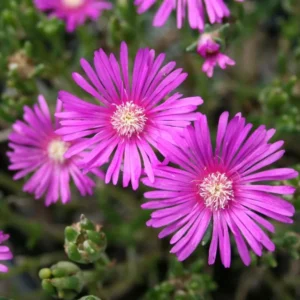
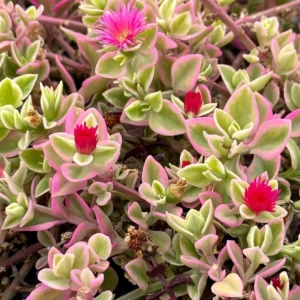
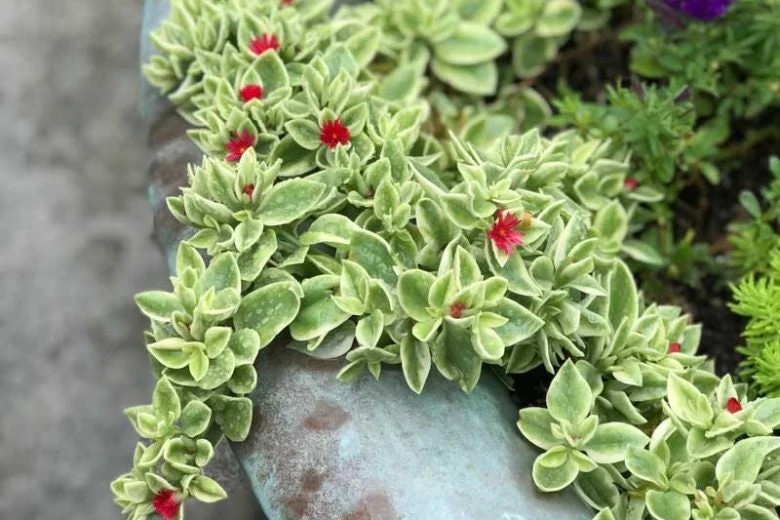
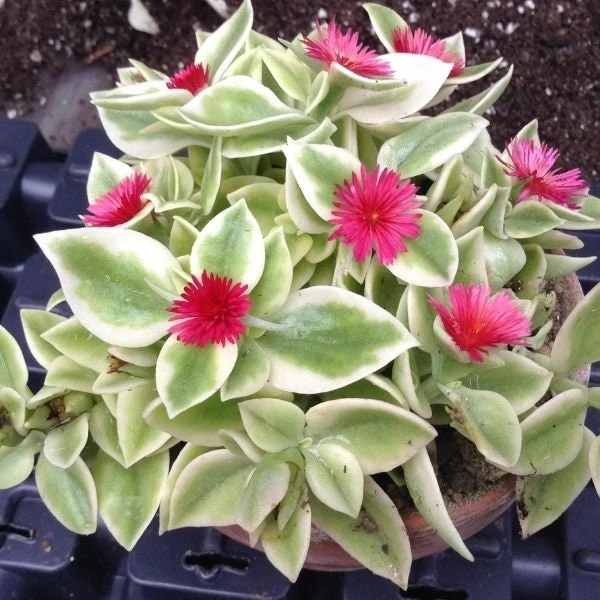
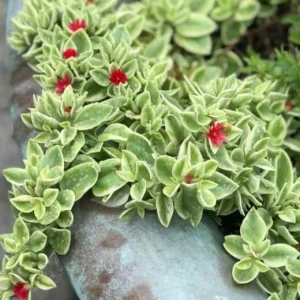
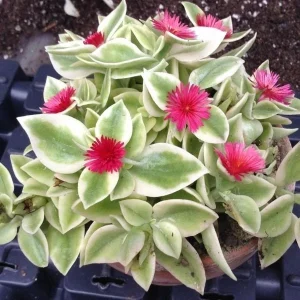
Introduce a splash of vibrant color and an impressive trailing display to your garden with the Variegated Aptenia Cordifolia live plant, commonly known as ‘Red Apple’ ice plant. This captivating succulent perennial forms a dense, cascading carpet of fleshy, heart-shaped leaves, beautifully edged with creamy white variegation. Throughout spring and summer, and often year-round in warmer climates, it produces a profusion of bright pink or purplish daisy-like flowers that truly stand out. Aptenia cordifolia ‘Variegata’ is a popular choice for gardeners seeking a low-maintenance yet visually stunning plant, ideal for ground cover, rock gardens, containers, or hanging baskets. Its robust nature and attractive foliage make it a versatile addition to various outdoor settings, providing continuous interest with minimal fuss.
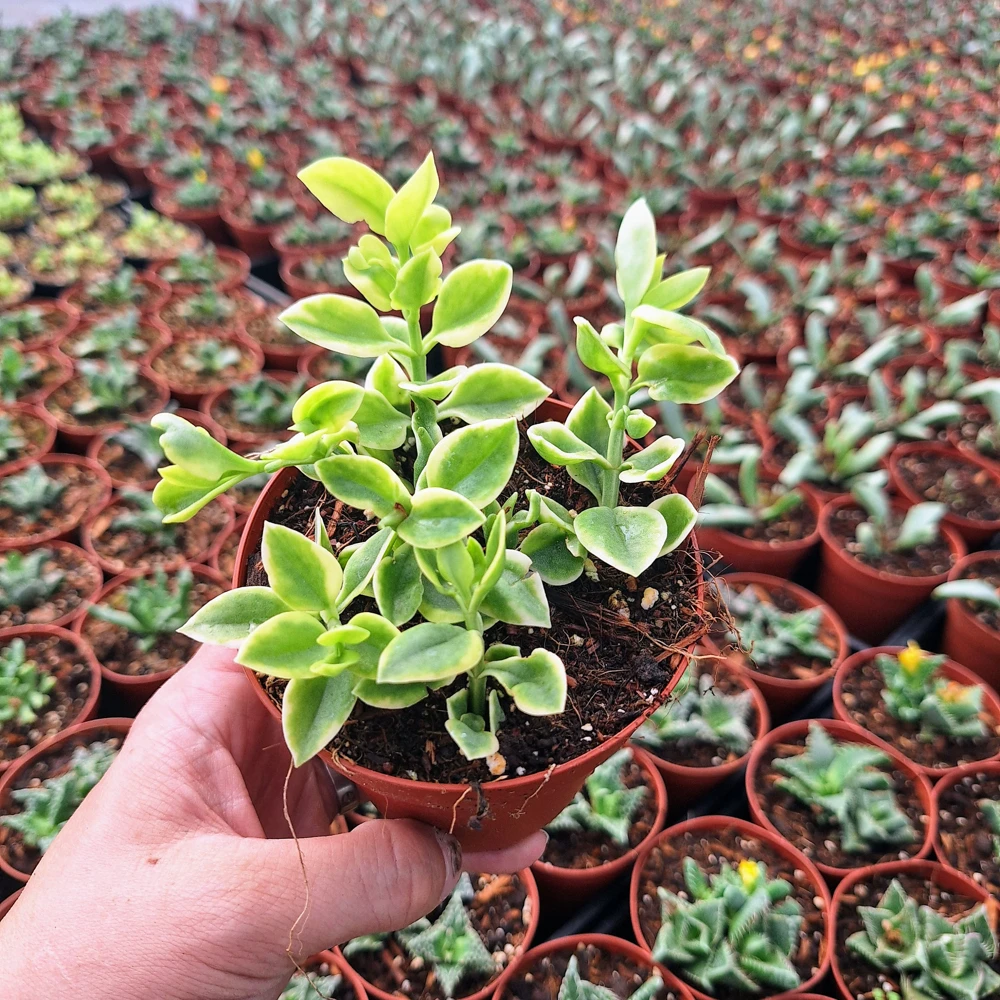
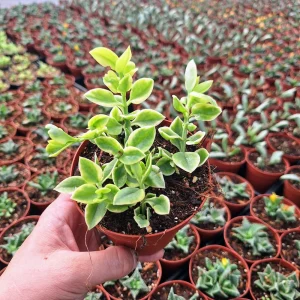
This particular variety, often referred to as Red Apple ice plant, is celebrated for its vigorous growth and ability to thrive in challenging conditions. As a drought-resistant succulent, it’s an excellent choice for water-wise landscaping, requiring less irrigation once established. The plant is shipped as a live specimen in a 4-inch pot, ready to be transplanted into its new home. Its adaptability and striking appearance ensure it will become a focal point in any garden space, offering both beauty and practicality.
Key Benefits
The Variegated Aptenia Cordifolia live plant offers numerous advantages for both novice and experienced gardeners, making it a highly desirable addition to any landscape. Its unique characteristics contribute to its popularity and ease of care.
-
Stunning Visual Appeal: Features glossy, heart-shaped green leaves with creamy-white edges and a profusion of bright pink to purplish daisy-like flowers. This provides continuous color and texture, making it an attractive Aptenia cordifolia ground cover.
-
Exceptional Drought Resistance: Once established, this succulent requires minimal watering, making it an ideal choice for xeriscaping and water-conscious gardens. Its ability to tolerate dry conditions is a key benefit for gardeners in arid regions.
-
Low Maintenance: This plant is incredibly easy to care for, requiring little more than occasional watering and light fertilization. It’s generally pest and disease-free, reducing the need for constant attention and chemical treatments.
-
Versatile Landscaping Use: Perfect as a ground cover, in rock gardens, containers, or hanging baskets. It cascades beautifully over walls and edges, adding a dynamic element to your garden design. The Red Apple ice plant adapts well to various applications.
-
Erosion Control: Its vigorous trailing habit makes it an excellent choice for preventing soil erosion on banks and slopes, providing a practical and beautiful solution for challenging garden areas.
-
Year-Round Interest: In tropical and sub-tropical climates, it can flower nearly year-round, ensuring your garden remains vibrant even outside peak seasons. The variegated foliage itself provides consistent visual appeal.
-
Thrives in Full Sun: This plant loves bright light and performs best in sunny locations, making it suitable for exposed areas where other plants might struggle. Understanding trailing Aptenia care often starts with proper sunlight.
Plant Care & Growing Tips
Caring for your Variegated Aptenia Cordifolia live plant is straightforward, thanks to its resilient and adaptable nature. Providing the right conditions will ensure a healthy and vibrant display. This plant is a semi-succulent, meaning it stores water in its leaves and stems, making it quite tolerant of dry spells but intolerant of overly wet conditions. Good drainage is paramount for its survival and overall health.
For sunlight, the ‘Red Apple’ ice plant thrives in full sun, meaning it needs at least 6 hours of direct sunlight per day to produce the best foliage color and a profusion of flowers. While it can tolerate some partial shade, too little light will result in leggy growth and fewer blooms. When it comes to watering, allow the soil to dry out completely between waterings. Overwatering is the most common cause of problems for this plant, leading to root rot and fungal infections. During its dormant period in autumn and winter, reduce watering significantly. In spring and summer, keep the soil lightly moist, but always err on the side of underwatering rather than overwatering. The ideal soil type is sandy, well-drained soil. If planting in a container, use a succulent or cactus potting mix, or amend regular potting soil with perlite or sand to improve drainage. The plant is generally hardy in USDA Zones 9-11, preferring warmer climates.
Fertilization should be very light, applied once in early spring as new growth begins. Use a balanced, slow-release fertilizer or a diluted liquid feed specifically formulated for succulents. This drought-resistant succulent is generally pest and disease-free, but watch out for signs of overwatering, such as yellowing leaves or a mushy stem, which indicate potential root rot. Ensuring proper drainage and careful watering are the best preventative measures for maintaining a healthy Variegated Aptenia Cordifolia live plant. Following these simple trailing Aptenia care guidelines will help your plant flourish.
Size & Details
This offering includes one healthy Variegated Aptenia Cordifolia live plant, commonly known as ‘Red Apple’ ice plant, shipped in a 4-inch nursery pot. The plant is well-rooted and ready for transplanting upon arrival. As a trailing perennial, it typically forms a dense mat, spreading up to 2-3 feet wide and reaching a height of 4-8 inches. Its growth rate is moderate to fast, allowing it to quickly establish itself as a vibrant ground cover or fill out a hanging basket.
The plant’s fleshy, heart-shaped leaves are approximately 1-2 inches long, displaying a striking variegation of green with creamy-white margins. Flowers are small, daisy-like, and appear in bright pink or purplish hues, blooming primarily in spring and summer. This Aptenia cordifolia ground cover is ideal for covering large areas or adding a cascading effect to containers and walls. The 4-inch pot provides a robust starter plant, ensuring a strong foundation for future growth in your garden or indoor space.
Frequently Asked Questions
-
Q: How big does this plant get? A: The Variegated Aptenia Cordifolia live plant typically spreads 2-3 feet wide and grows 4-8 inches tall, forming a dense ground cover. Its trailing habit makes it excellent for cascading.
-
Q: What size pot does it come in? A: This ‘Red Apple’ ice plant is shipped in a 4-inch nursery pot, providing a healthy start for your new plant.
-
Q: Is this an indoor or outdoor plant? A: While primarily an outdoor plant in USDA zones 9-11, it can be grown indoors in a bright, sunny spot if provided with adequate light and proper trailing Aptenia care, especially during colder months.
-
Q: How much sunlight does it need? A: The Red Apple ice plant thrives in full sun, requiring at least 6 hours of direct sunlight daily for optimal growth and flowering. It can tolerate some partial shade but will flower less profusely.
-
Q: Is this plant easy to care for? A: Yes, the Variegated Aptenia Cordifolia live plant is considered very easy to care for, making it suitable for beginners. Its drought tolerance and general pest resistance contribute to its low-maintenance nature.
-
Q: What condition will it arrive in? A: Your plant will arrive as one live, healthy specimen in a 4-inch pot, carefully packaged to ensure its safe journey. It will be ready for immediate transplanting.
-
Q: How often should I water my Aptenia? A: Water sparingly. Allow the soil to dry out completely between waterings. Overwatering is detrimental to this drought-resistant succulent. Reduce watering in winter.
-
Q: What kind of soil does it prefer? A: It thrives in sandy, well-drained soil. For potted plants, use a succulent or cactus mix, or amend regular potting soil with perlite or sand to ensure excellent drainage, which is crucial for Aptenia cordifolia ground cover.
-
Q: Will it survive winter in my zone? A: This plant is hardy in USDA Zones 9-11. In colder zones, it should be brought indoors or treated as an annual, or provided with winter protection.
-
Q: Is it good for preventing erosion? A: Absolutely. Its vigorous, mat-forming habit makes it an excellent choice for stabilizing soil on banks and slopes, effectively preventing erosion.


Reviews
There are no reviews yet.