Overview
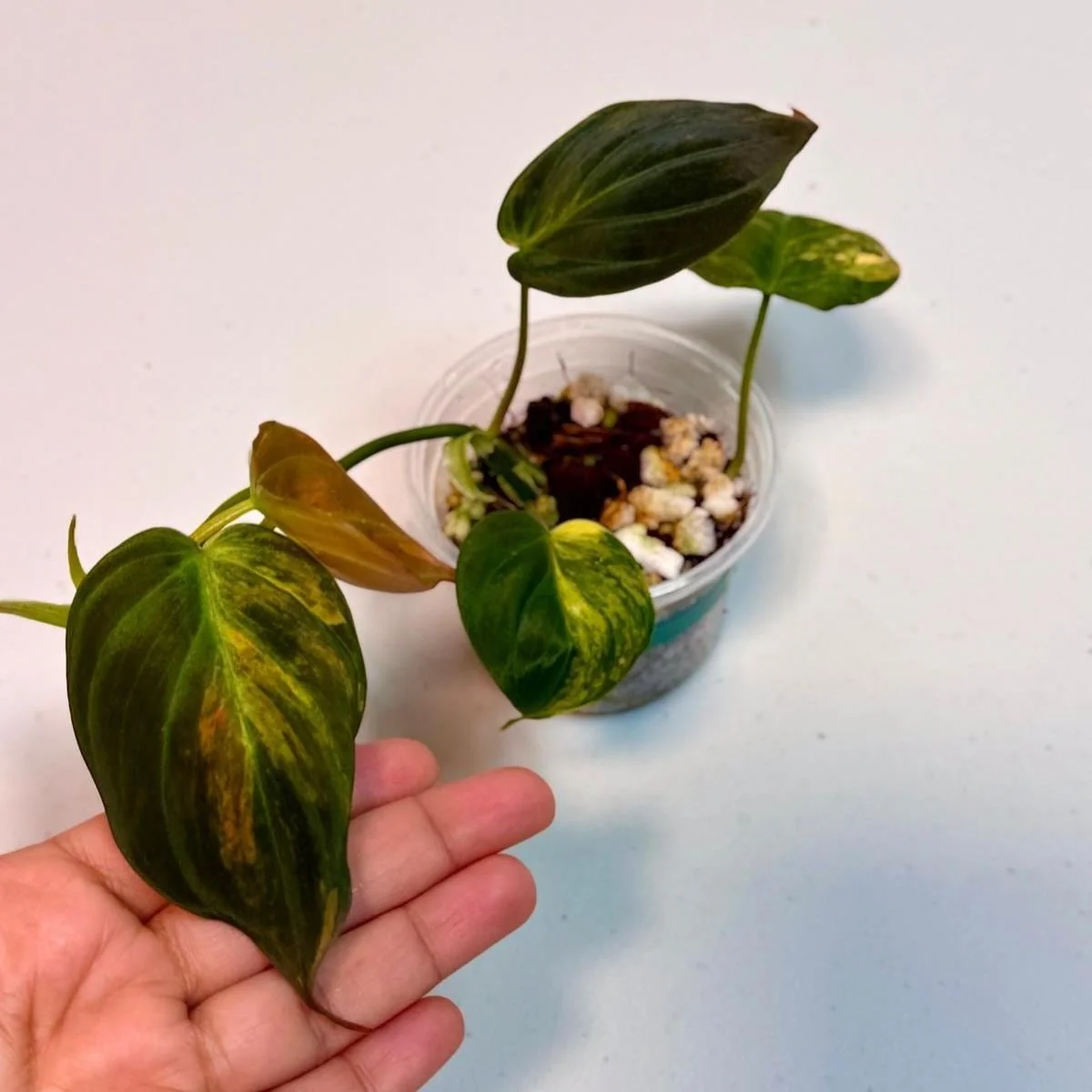
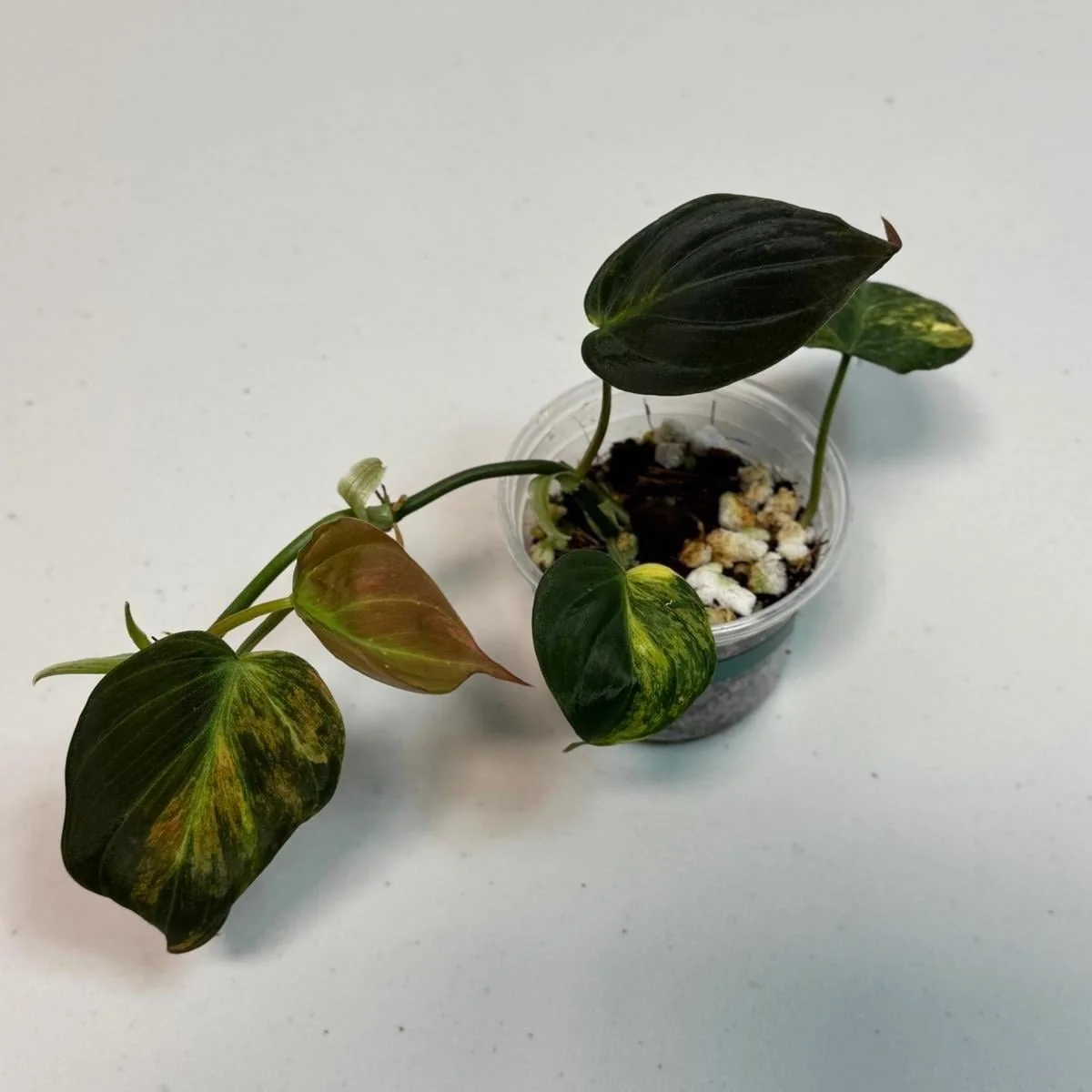
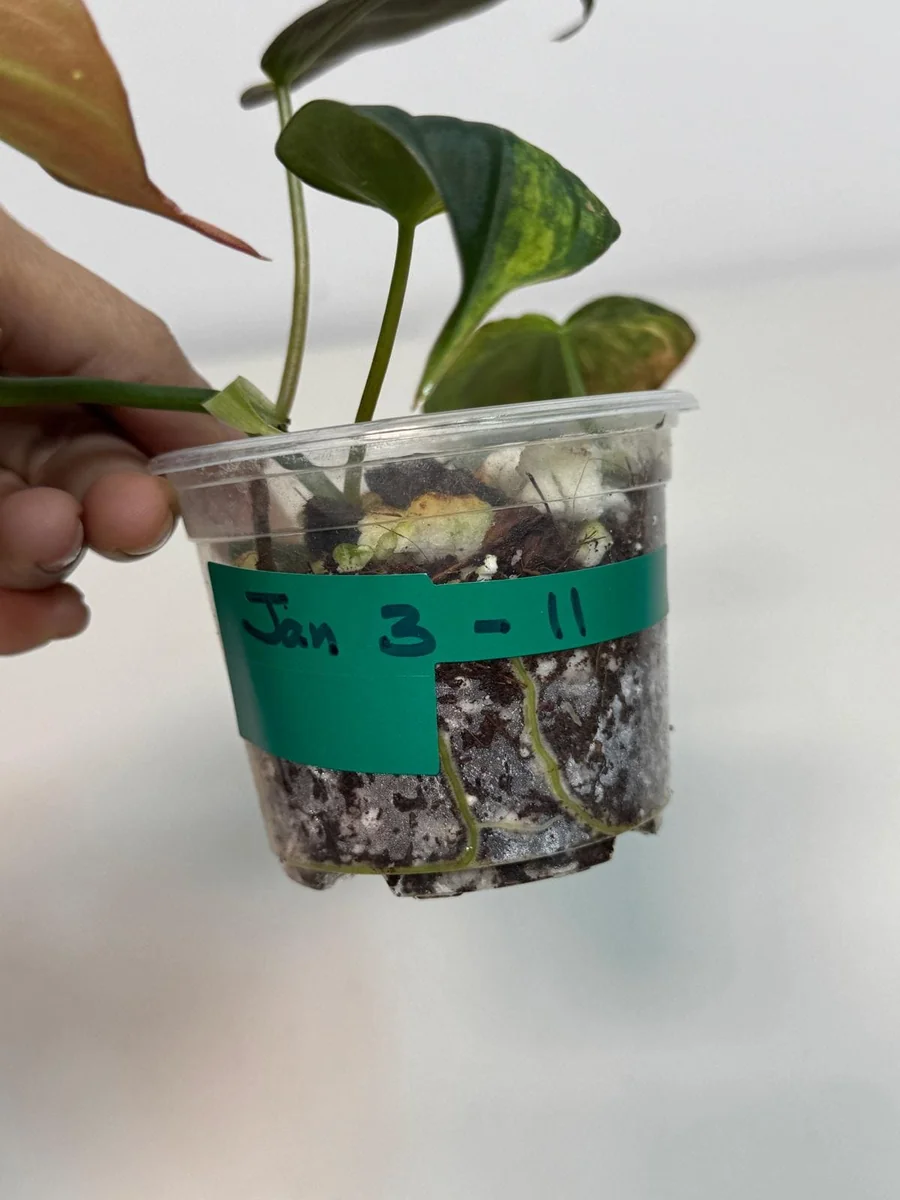
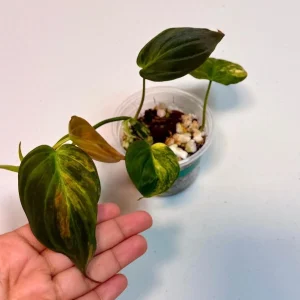
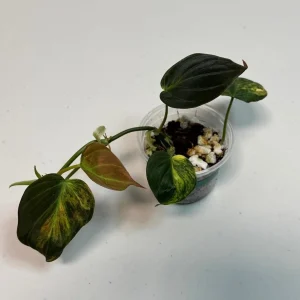
Experience the allure of the variegated philodendron mican aurea, a highly sought-after live plant renowned for its exceptional beauty and dynamic foliage. This rare philodendron variety captivates with its deep green, velvety leaves adorned with striking yellow variegation. As the leaves mature, their colors transform, emerging as neon green, hardening off to a golden hue, and eventually maturing to a deep orange before settling into a creamy yellow. This continuous color evolution makes the variegated philodendron mican aurea a fascinating addition to any plant collection. It’s a fast-growing plant that thrives indoors, making it an ideal choice for both seasoned collectors and those new to rare houseplants. Each plant offers a unique display of color, ensuring your specimen is truly one-of-a-kind. This is a live potted plant, ready to bring vibrant life and sophisticated charm to your home or office.
The Philodendron Micans ‘Aurea’ is a cultivar of the popular Philodendron hederaceum, known for its heart-shaped leaves and vining growth habit. This specific variegated form elevates its aesthetic appeal, making it a prized possession among plant enthusiasts. Its unique coloration sets it apart from common philodendron varieties, offering a touch of exotic elegance. The plant’s ability to change leaf color with light exposure adds another layer of intrigue, allowing for a personalized growing experience.
Key Benefits
The variegated philodendron mican aurea offers numerous advantages, making it a standout choice for indoor gardening enthusiasts. Its vibrant appearance and relatively straightforward care contribute to its popularity and desirability.
- Stunning Variegated Foliage: Enjoy the ever-changing spectacle of deep green leaves with brilliant yellow variegation, which can sometimes blush pink under specific grow lights. This dynamic coloring provides continuous visual interest.
- Rare Collector’s Item: This is a truly rare philodendron plant, making it a valuable addition for collectors seeking unique and hard-to-find specimens to enhance their botanical assortments.
- Air Purifying Qualities: Like many philodendrons, the mican aurea houseplant helps improve indoor air quality by filtering out common airborne toxins, contributing to a healthier living environment.
- Easy to Care For: Despite its rare status, the philodendron micans care requirements are moderate, making it accessible for a wide range of plant parents, from beginners to experts.
- Fast Growing Vining Plant: Its vigorous vining habit allows for versatile display options, whether cascading from a hanging basket or climbing a moss pole, adding lush greenery and architectural interest.
- Unique Color Evolution: Witness the fascinating transformation of new leaves from neon green to golden, then deep orange, and finally, a creamy yellow variegation, providing a constant source of wonder.
- Adds Exotic Elegance: The distinctive appearance of this variegated philodendron brings a touch of tropical luxury and sophistication to any indoor decor, elevating the aesthetic of your space.
Plant Care & Growing Tips
Providing the right environment is key to ensuring your variegated philodendron mican aurea thrives and displays its most vibrant colors. This plant appreciates consistent attention to its basic needs, which are relatively easy to meet for a houseplant. For optimal growth and variegation, understanding proper philodendron micans care is essential.
For light, your variegated philodendron mican aurea prefers moderate to bright, indirect light. Direct sunlight should be avoided as it can scorch the delicate leaves and diminish the variegation. A spot near an east or north-facing window is often ideal. While it can tolerate lower light, its growth may slow, and the variegation might not be as pronounced. Maintain a temperature range between 65°F to 80°F (18°C to 27°C) for optimal growth. Protect your plant from cold drafts and sudden temperature fluctuations, which can stress it. This tropical plant appreciates moderate to high humidity levels. If your home’s air is dry, consider using a humidifier nearby or placing the pot on a pebble tray with water to increase local humidity around your collector philodendron. When it comes to watering, allow the top inch of the soil to dry out completely before watering thoroughly. Ensure excess water drains from the pot to prevent root rot. Adjust watering frequency based on the season, with less water needed in winter. Use a well-draining, peat-based potting mix that ensures good aeration and moisture retention. A mix designed for aroids or houseplants with added perlite or bark will work well. Fertilize every 2-4 weeks during the growing season (spring and summer) with a balanced liquid fertilizer diluted to half strength. Reduce or stop fertilization in fall and winter.
Size & Details
This offering is for a healthy, live variegated philodendron mican aurea plant, carefully cultivated and ready to thrive in its new home. It comes pre-potted in a standard nursery pot, typically 4-6 inches in diameter, providing a stable environment for its roots during transit and initial acclimation. The plant generally stands between 6-12 inches tall from the base of the pot, with established vining stems that are already showcasing their characteristic variegated foliage. These plants are known for their fast to moderate growth rate, and with proper philodendron micans care, you can expect noticeable growth and elongation of its beautiful trailing vines within a few months. Each plant is a unique specimen, reflecting the natural variations in variegation pattern and intensity. It will arrive as a fully rooted, actively growing live plant, carefully packaged to ensure its safety and vitality upon delivery.
Frequently Asked Questions
- Q: How big does a variegated philodendron mican aurea get? A: This vining plant can grow quite long, with individual vines reaching several feet in length over time. Its overall size depends on whether it’s allowed to trail or climb, and the size of its pot.
- Q: Is this an indoor or outdoor plant? A: The variegated philodendron mican aurea is primarily an indoor houseplant in most climates. It can be grown outdoors in very warm, humid, frost-free environments (USDA zones 10-11) but is most commonly enjoyed indoors.
- Q: How much sunlight does a collector philodendron need? A: It thrives in moderate to bright, indirect light. Avoid direct sun exposure, which can burn its leaves. Filtered light or a north/east-facing window is ideal for this mican aurea houseplant.
- Q: Is this plant easy to care for? A: Yes, despite its rare status, the variegated philodendron mican aurea is considered relatively easy to care for. It’s quite forgiving and makes a great choice for those looking to expand their plant collection.
- Q: What condition will it arrive in? A: Your plant will arrive as a healthy, live, potted specimen with established roots and foliage. It will be carefully packaged to minimize stress during shipping, ensuring it reaches you in the best possible condition.
- Q: When is the best time to repot a variegated philodendron mican aurea? A: The best time to repot is during the spring or early summer when the plant is actively growing. Repot only when it becomes root-bound, moving up one pot size.
- Q: How often should I water my philodendron micans care for it properly? A: Water when the top inch of soil feels dry to the touch. This typically means watering every 7-10 days, but it can vary based on humidity, temperature, and pot size. Always ensure good drainage.
- Q: Is the variegated philodendron mican aurea pet-safe? A: No, like many philodendrons, this plant is toxic if ingested by pets or humans due to calcium oxalate crystals. Keep it out of reach of children and pets.
- Q: What kind of soil is best for this rare philodendron plant? A: A well-draining, airy potting mix is ideal. A blend of peat moss, perlite, and orchid bark provides the perfect balance of moisture retention and drainage.
- Q: Will the variegation change or fade? A: The variegation is generally stable, but its intensity can be influenced by light. More indirect bright light tends to encourage more vibrant variegation. New leaves will also show a progression of colors as they mature.


Reviews
There are no reviews yet.