Overview
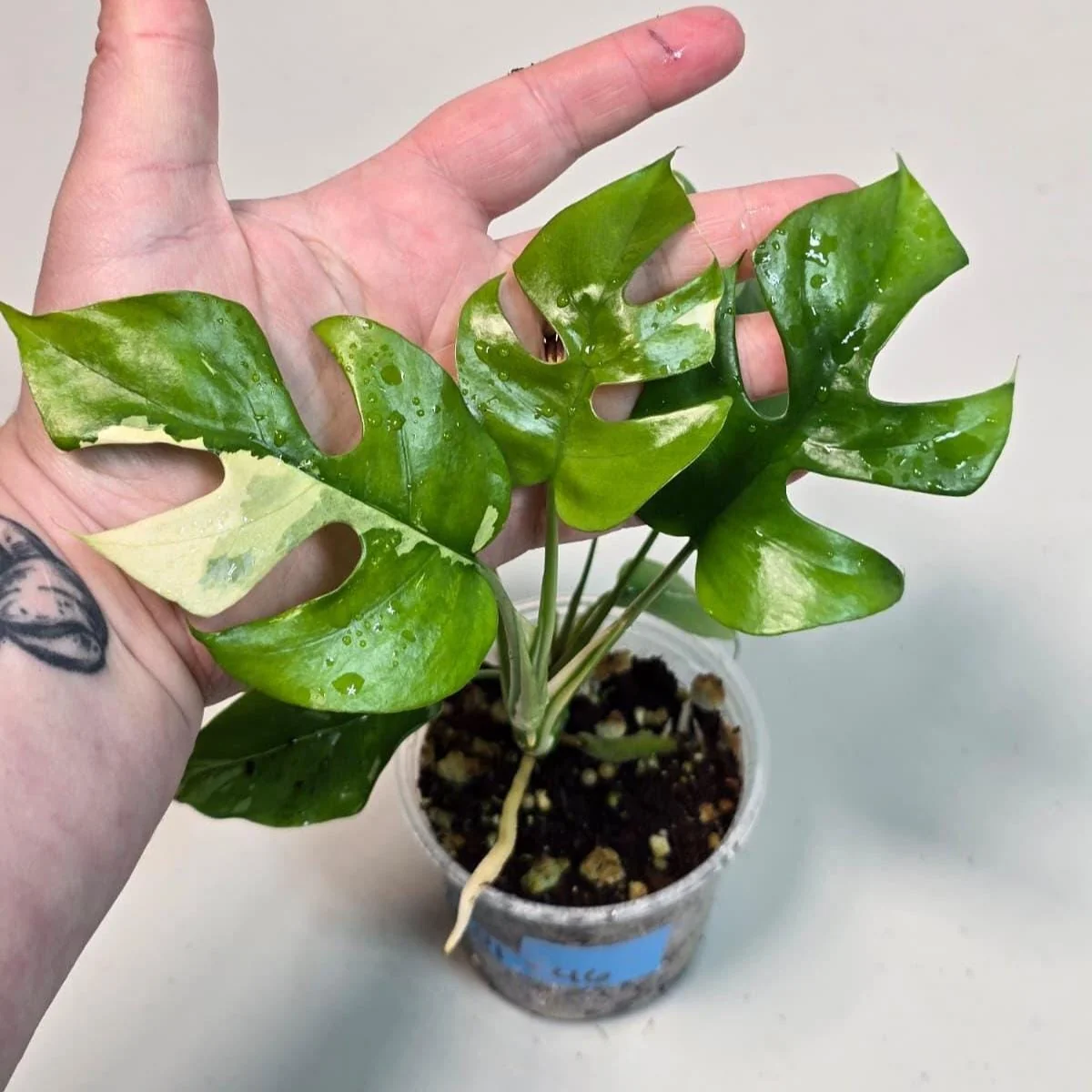
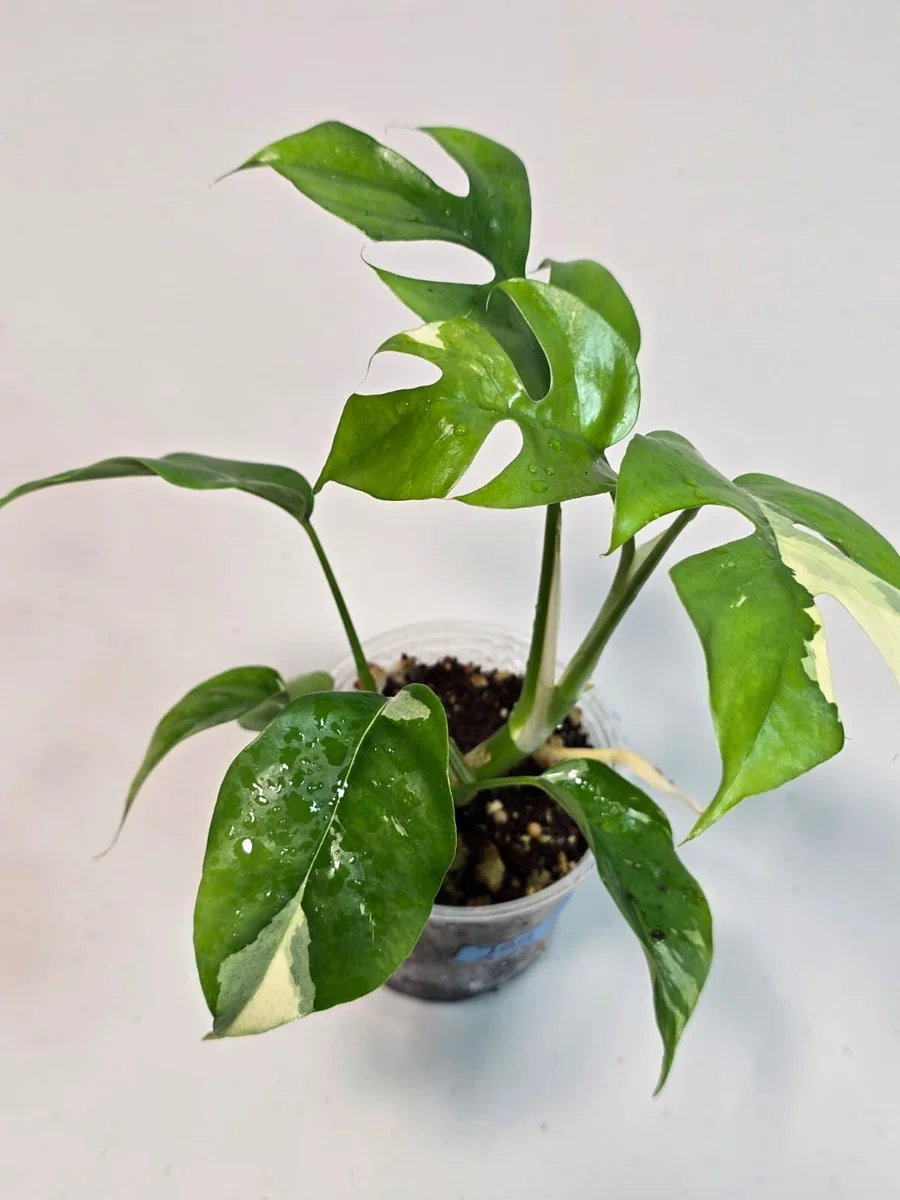
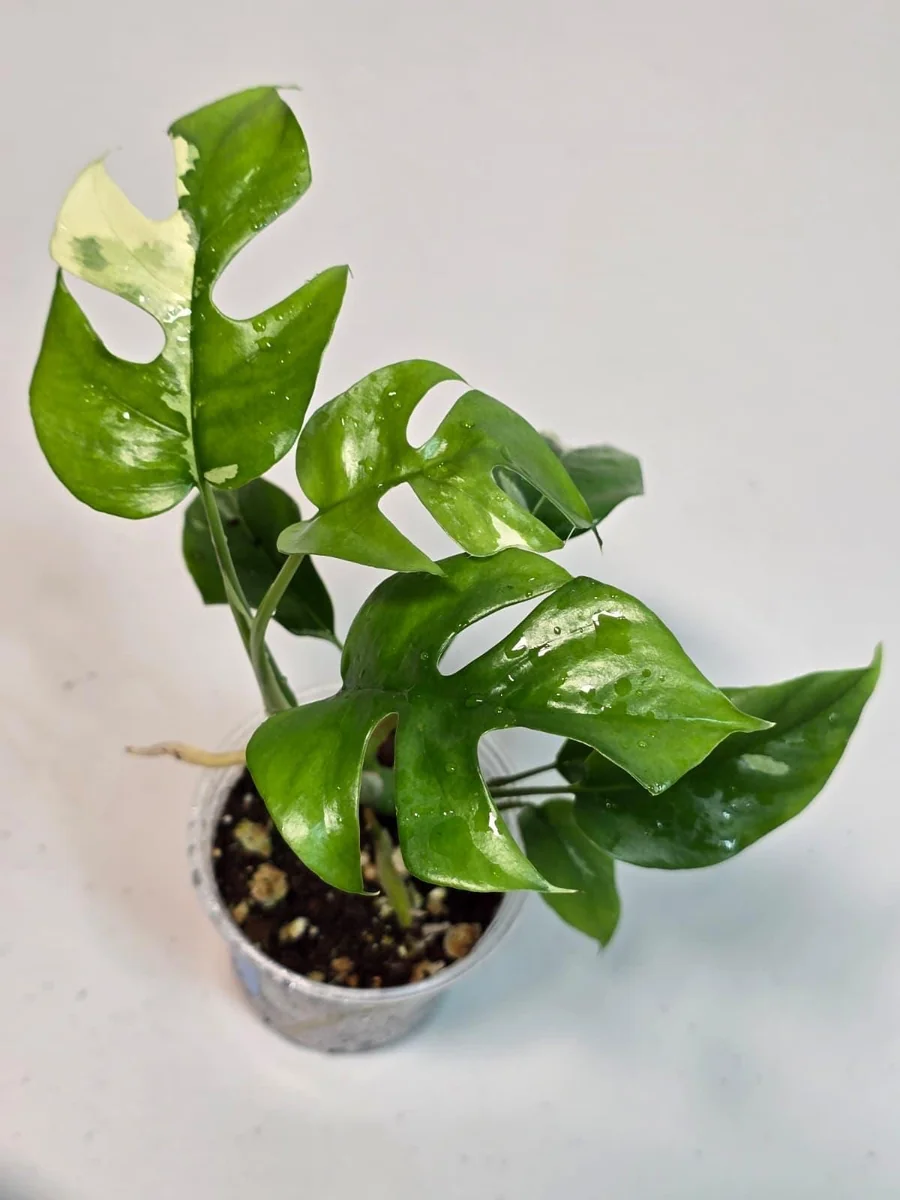
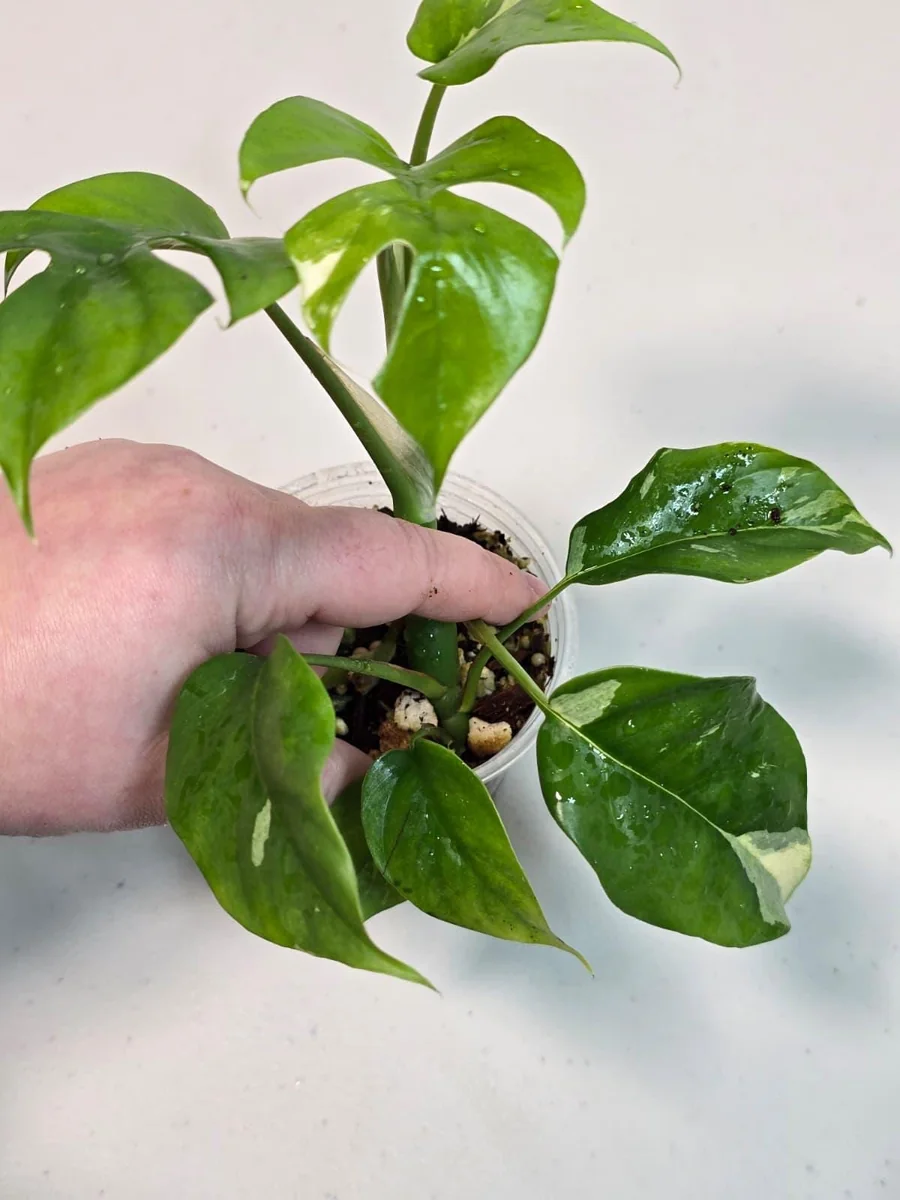
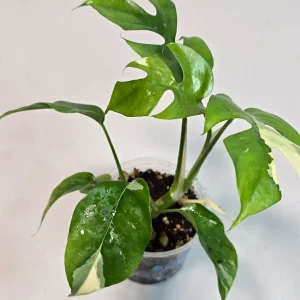
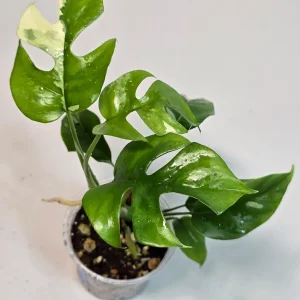
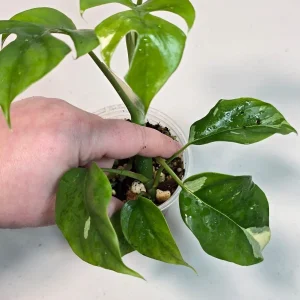
Introducing the highly sought-after Variegated Rhaphidophora Tetrasperma live plant, a magnificent botanical specimen that captivates with its distinct and vibrant foliage. Often affectionately known as “Mini Monstera variegated” or “Ginny Philodendron rare,” this plant is a must-have for enthusiasts and collectors alike. Its striking variegation, featuring splashes of creamy white and yellow against lush green leaves, makes it a true showstopper in any indoor setting. This particular offering provides the exact plant as pictured, ensuring you receive the unique specimen you desire. A member of the Araceae family, the Rhaphidophora Tetrasperma, with its added variegation, elevates its appeal, making it a focal point in any room. It’s a fantastic choice for those looking to expand their collection with something truly special and a conversation starter.
The charm of the Variegated Rhaphidophora Tetrasperma live plant lies not only in its aesthetic appeal but also in its relatively manageable care requirements for a rare plant. It’s an excellent opportunity to own a piece of botanical artistry, bringing a touch of the exotic into your home. Its vining nature allows for versatile display options, whether trailing from a shelf or climbing a moss pole, showcasing its intricate leaves and vibrant patterns. This plant represents a unique blend of rarity and beauty, making it a prized possession for any discerning plant lover.
Key Benefits
The Variegated Rhaphidophora Tetrasperma live plant offers numerous benefits, making it an exceptional addition to your home or as a thoughtful gift. Its unique characteristics provide both aesthetic pleasure and a fulfilling gardening experience.
- Stunning Variegated Foliage: The primary draw of this plant is its eye-catching variegation. Each leaf is a unique artwork, with splashes of creamy white or yellow contrasting beautifully against the deep green, providing an unparalleled visual appeal that brightens any indoor space. This makes it a perfect choice for those seeking a visually dynamic plant.
- Rare Collector’s Item: As a rare houseplant collector‘s dream, owning a variegated Rhaphidophora Tetrasperma signifies a sophisticated taste in indoor gardening. Its scarcity and unique beauty make it a prized possession, enhancing the prestige of any plant collection.
- Air Purification Qualities: Like many houseplants, the Variegated Rhaphidophora Tetrasperma live plant contributes to a healthier indoor environment by helping to filter airborne toxins and improve air quality, promoting a fresher and more pleasant living space.
- Engaging Growth Habit: This plant exhibits a lovely vining growth habit. With proper support, it can climb and create a lush, vertical display, adding dimension and interest to your interior decor. Without support, it will gracefully trail, making it versatile for hanging baskets or shelves.
- Conversation Starter: Its rarity and stunning appearance make it an instant conversation piece. Guests will be intrigued by its unique patterns and vibrant colors, allowing you to share your passion for rare plants.
- Adaptable to Indoor Environments: While considered rare, with the right care, this plant adapts well to typical indoor conditions, thriving in environments that provide consistent warmth and humidity, making it a rewarding experience for dedicated plant parents.
- Potential for Propagation: As the plant matures, it offers opportunities for propagation, allowing you to expand your collection or share its beauty with fellow plant enthusiasts, further extending its value and enjoyment.
Plant Care & Growing Tips
Caring for your Variegated Rhaphidophora Tetrasperma live plant involves understanding its specific needs to ensure its vibrant variegation and overall health. Providing the right environment will help this beautiful plant thrive and flourish in your home. This plant, sometimes called Mini Monstera variegated, appreciates consistent care.
Light: Provide bright, indirect sunlight for your Variegated Rhaphidophora Tetrasperma live plant. It thrives in well-lit areas but must be protected from intense, direct sunlight, as this can scorch its delicate variegated leaves and cause the colors to fade. A spot near a north- or east-facing window with filtered light or some morning sun is ideal. If you notice the variegation becoming less prominent, it might indicate insufficient light, while browning edges suggest too much direct exposure. Rotate the plant periodically to ensure even light distribution and growth.
Watering: Water the plant when the top inch of the soil feels dry to the touch. It’s crucial to ensure that the pot has proper drainage to prevent overwatering, which can lead to root rot. Avoid letting the plant sit in standing water. During the growing season (spring and summer), it may require more frequent watering, while in dormant periods (fall and winter), watering can be reduced. Always check the soil moisture before watering to avoid either under or overwatering. The goal is consistently moist, but not waterlogged, soil.
Soil: Use a well-draining potting mix that retains some moisture but doesn’t become waterlogged. A mix containing peat moss, perlite, and a bit of orchid bark or coco coir works exceptionally well. This type of substrate provides the necessary aeration for the roots while ensuring adequate moisture retention. Good drainage is key to preventing fungal issues and promoting healthy root development for your Ginny Philodendron rare.
Temperature & Humidity: This tropical plant thrives in warm temperatures, ideally between 65-80°F (18-27°C). Avoid sudden temperature fluctuations or exposure to cold drafts. High humidity is beneficial for the Variegated Rhaphidophora Tetrasperma live plant, mimicking its natural jungle habitat. Aim for humidity levels of 60% or higher. You can increase humidity by misting the leaves regularly, placing the pot on a pebble tray with water, or using a humidifier, especially in drier indoor environments. This helps prevent leaf crisping and promotes lush growth.
Fertilization: During the active growing season (spring and summer), feed your plant with a balanced liquid fertilizer diluted to half strength every 2-4 weeks. Reduce or stop fertilization during the fall and winter months when the plant’s growth slows down. Over-fertilizing can lead to nutrient burn, so always follow the product instructions carefully.
Pruning: Pruning can be done to maintain the desired shape and size, or to encourage bushier growth. You can also prune to remove any yellowing or damaged leaves. Use clean, sharp shears to make cuts just above a node. This also provides opportunities for propagation.
Size & Details
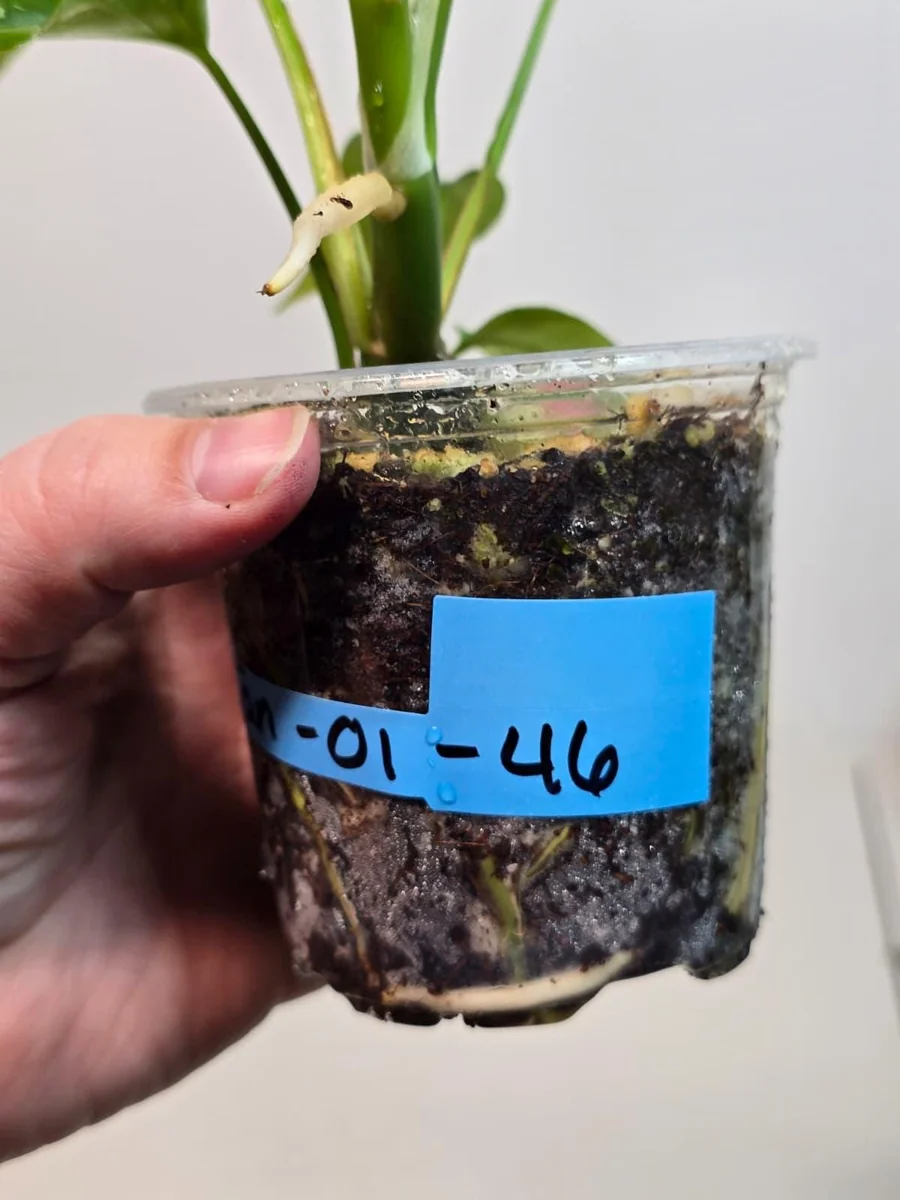
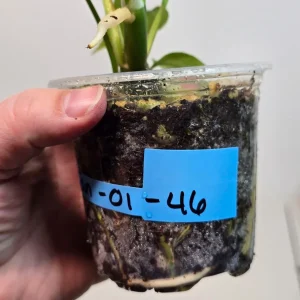
This offering is for the exact same potted plant as per your choice, ensuring you receive the unique specimen you select. The Variegated Rhaphidophora Tetrasperma live plant typically exhibits a vigorous vining growth habit. While individual plant sizes will vary based on the specific specimen chosen, you can expect a healthy, established plant with visible variegation ready to thrive in its new home. It will arrive carefully packaged in its nursery pot, with soil intact, minimizing transplant shock and ensuring a smooth transition.
With proper care, this plant can grow quite rapidly, potentially reaching several feet in length. Its leaves, featuring the distinctive fenestrations and variegation, will continue to develop as it matures. The specific size and leaf count will be visible in the product images, allowing you to gauge the current stage of growth. This plant is a fantastic investment for anyone passionate about rare and beautiful foliage, offering continuous growth and evolving beauty over time.
Frequently Asked Questions
- Q: How big does this Variegated Rhaphidophora Tetrasperma live plant get? A: With proper care and support, the Variegated Rhaphidophora Tetrasperma can grow several feet long as a vining plant. Its mature leaf size can vary, but it will continue to produce larger, more fenestrated leaves over time.
- Q: Is this an indoor or outdoor plant? A: The Variegated Rhaphidophora Tetrasperma live plant is primarily an indoor houseplant in most climates. It thrives in warm, humid indoor environments and is not frost-tolerant, making it unsuitable for prolonged outdoor exposure in many regions.
- Q: How much sunlight does the Mini Monstera variegated need? A: This plant requires bright, indirect light. Direct sunlight can scorch its leaves, especially the variegated parts, while too little light can reduce the vibrancy of its variegation and slow growth.
- Q: Is this plant easy to care for, especially for beginners? A: While not as demanding as some rare plants, the Variegated Rhaphidophora Tetrasperma live plant requires consistent attention to its light, watering, and humidity needs. It’s best suited for intermediate plant enthusiasts or beginners willing to learn and provide specific care.
- Q: What condition will the plant arrive in? A: Your Variegated Rhaphidophora Tetrasperma live plant will arrive as the exact plant pictured, carefully packaged in its nursery pot with soil. We take great care to ensure it reaches you in excellent condition, ready to be unboxed and enjoyed.
- Q: What kind of soil is best for Rhaphidophora Tetrasperma care? A: A well-draining, airy potting mix is ideal, such as one containing peat moss, perlite, and orchid bark or coco coir. This ensures good aeration for the roots and prevents waterlogging.
- Q: Is the Ginny Philodendron rare pet-safe? A: Like many plants in the Araceae family, Rhaphidophora Tetrasperma contains calcium oxalate crystals, which can be irritating if ingested by pets. It’s best to keep it out of reach of curious animals.
- Q: What’s the minimum temperature this plant can tolerate? A: This tropical plant prefers temperatures above 60°F (15°C). It is sensitive to cold and should be protected from temperatures below 55°F (13°C) to prevent damage.
- Q: How often should I fertilize my Variegated Rhaphidophora Tetrasperma live plant? A: Fertilize every 2-4 weeks during the spring and summer growing season with a balanced liquid fertilizer diluted to half strength. Reduce or stop fertilizing in fall and winter.
- Q: How can I encourage more variegation in my plant? A: Providing ample bright, indirect light is key to maintaining and encouraging vibrant variegation. Sufficient light ensures the plant has the energy to produce colorful, patterned leaves.


Reviews
There are no reviews yet.