Overview
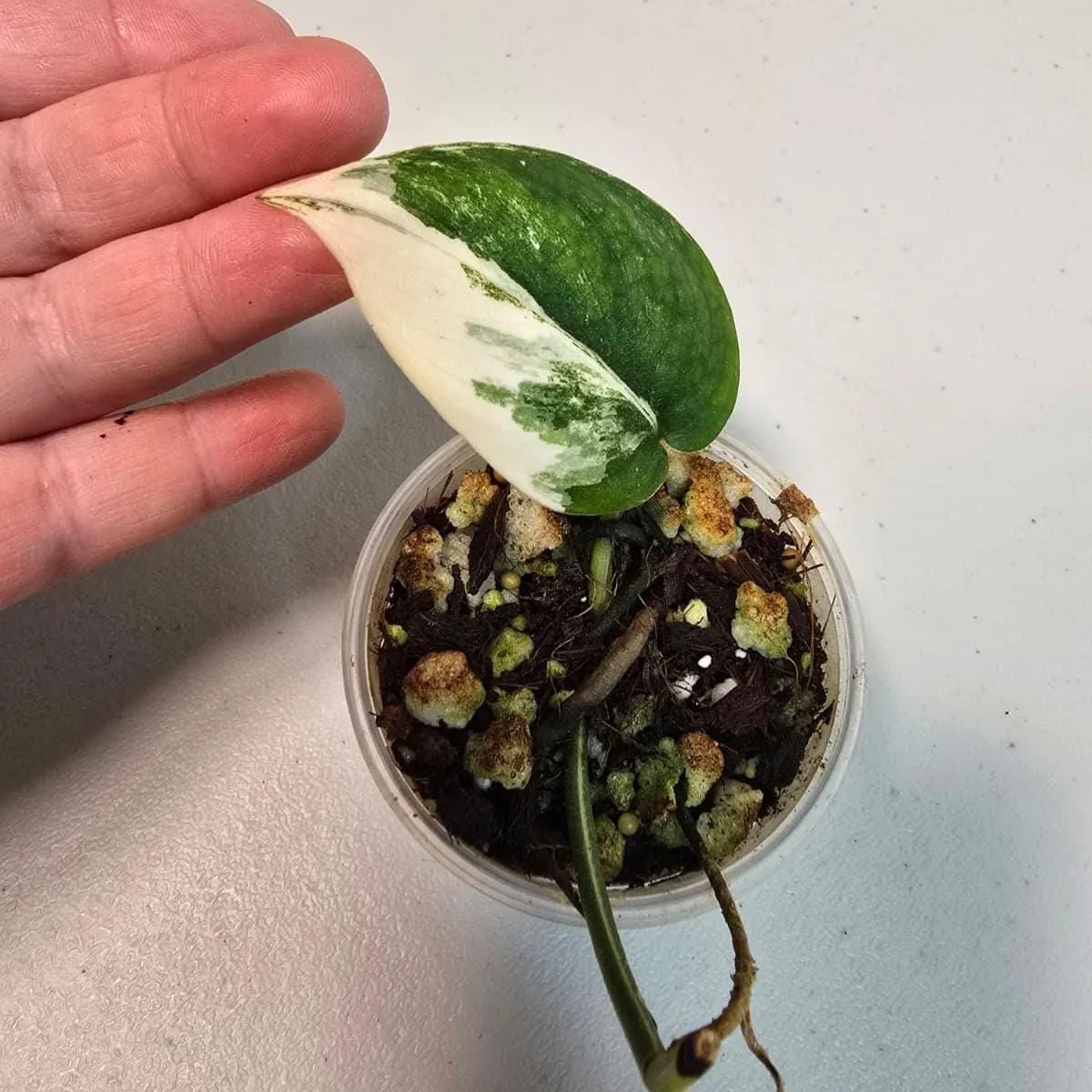
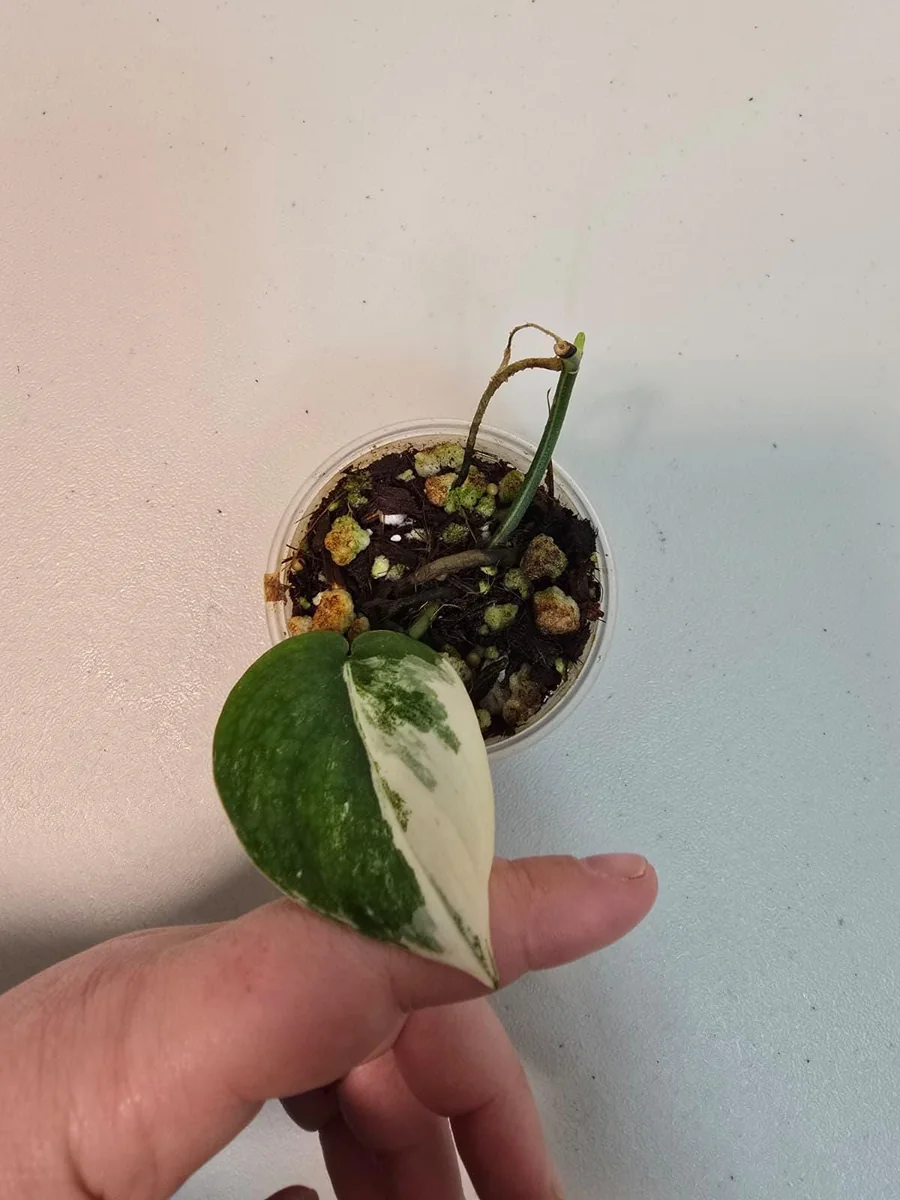
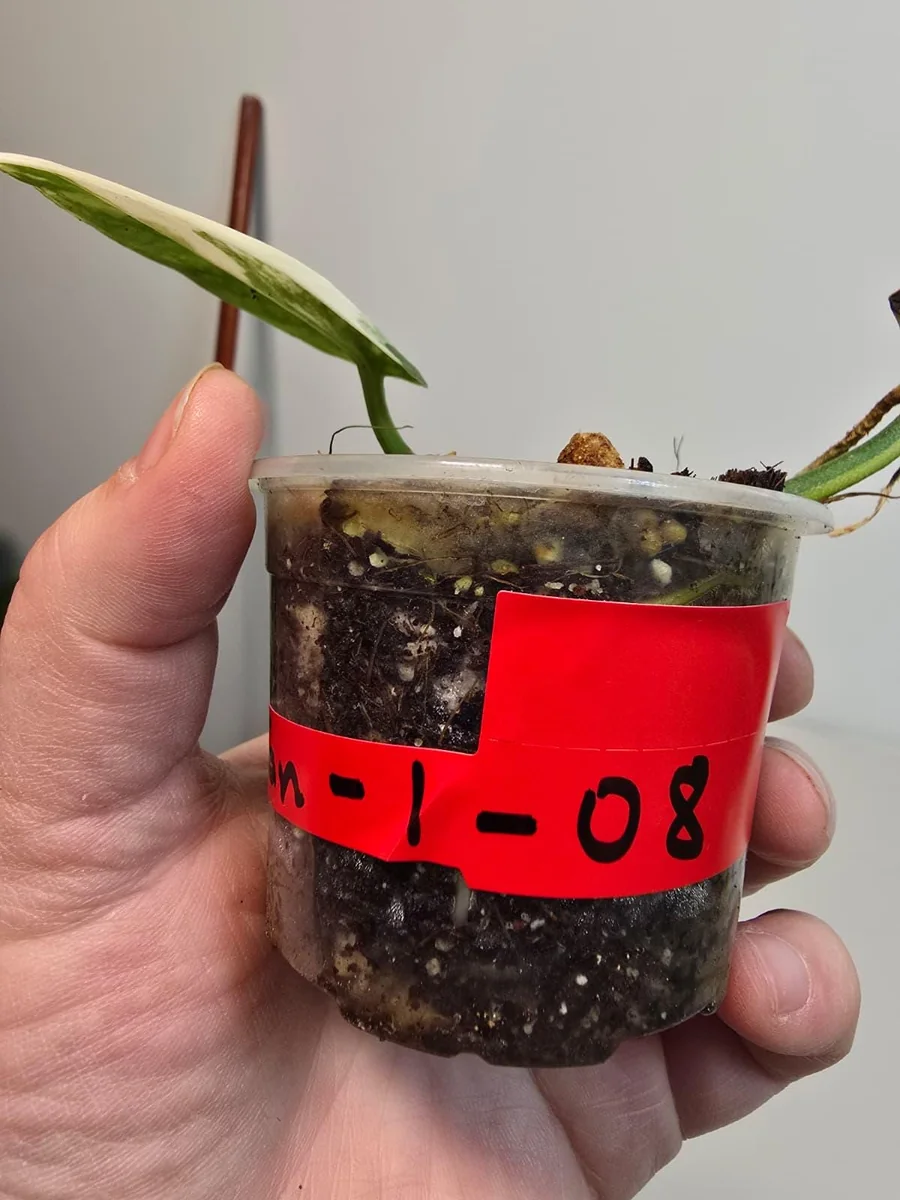
The variegated scindapsus pictus jade satin is a truly captivating live plant, renowned for its luxurious foliage and graceful vining habit. This particular variety, ‘Jade Satin’, stands out with its heart-shaped leaves adorned with a striking pattern of creamy-white to light yellow marbling and patches against a rich, dark green background. As a member of the Araceae family, this tropical beauty is often referred to as Satin Pothos, though it is distinctly different from true Pothos (Epipremnum aureum). It is a perfect choice for those looking to add a touch of elegance and natural artistry to their indoor spaces. Its cascading stems make it ideal for hanging baskets or elevated shelves, allowing its variegated beauty to be fully appreciated. This plant is not just a decorative item; it’s a living piece of art that brings tranquility and a refreshing aesthetic to any room.
Originating from the tropical rainforests of Southeast Asia, the variegated scindapsus pictus jade satin thrives in warm, humid environments, making it perfectly suited for most indoor home conditions. Its relatively low maintenance requirements, combined with its stunning visual appeal, contribute to its popularity among houseplant enthusiasts. Whether you are a seasoned collector of rare indoor plants or just beginning your green journey, this Scindapsus ‘Jade Satin’ offers a rewarding and beautiful experience. Each leaf is a unique masterpiece, showcasing nature’s intricate design, and as the plant matures, its vining stems create a lush, dynamic display.
Key Benefits
Adding a variegated scindapsus pictus jade satin to your home offers numerous advantages beyond its obvious beauty. This plant is an excellent choice for enhancing indoor living spaces with minimal effort.
- Exceptional Aesthetic Appeal: The primary draw of the variegated scindapsus pictus jade satin is its stunning foliage. The unique silver and green variegation creates a sophisticated and eye-catching display, instantly elevating the decor of any room.
- Air Purification Qualities: Like many houseplants, Scindapsus Pictus varieties are known to help purify indoor air by absorbing common toxins, contributing to a healthier home environment.
- Low Maintenance & Easy Care: This plant is remarkably forgiving, making it an ideal choice for both beginner and experienced plant parents. It tolerates a range of conditions and doesn’t demand constant attention. Learning about scindapsus jade satin care is straightforward.
- Versatile Display Options: Its vining nature allows for diverse display styles. Grow it in a hanging basket to showcase its cascading foliage, let it trail from a shelf, or train it to climb a moss pole for a more upright presentation.
- Collector’s Item: For those interested in rare indoor plants, the ‘Jade Satin’ cultivar is a desirable addition, offering a unique variation that stands out from more common houseplants. It’s often sought after by plant enthusiasts looking for something special.
- Boosts Mood & Well-being: Studies suggest that having plants in the home can reduce stress, improve focus, and enhance overall well-being. The serene beauty of this plant contributes positively to mental health.
- Pet-Friendly (with caution): While not entirely non-toxic, it’s generally considered less harmful than some other aroids. However, ingestion can cause mild irritation, so it’s best to keep it out of reach of curious pets and children.
Plant Care & Growing Tips
Proper scindapsus jade satin care ensures your plant thrives and displays its most vibrant variegation. This species prefers conditions that mimic its native tropical habitat. Light is crucial for maintaining the plant’s distinctive coloring; it prefers bright, indirect light. Placing it near an east or north-facing window is ideal, or a few feet away from a south or west-facing window where direct sun won’t scorch its delicate leaves. While it can tolerate lower light, the variegation may become less pronounced, and growth will slow. Avoid direct, harsh sunlight, as this can lead to leaf burn and dulling of the beautiful patterns.
Watering should be done thoroughly, but only when the top 1-2 inches of soil feel dry to the touch. Overwatering is a common mistake that can lead to root rot, so ensuring proper drainage is paramount. Always use a pot with drainage holes. During the active growing season (spring and summer), you may need to water more frequently, while in the dormant period (fall and winter), reduce watering. The leaves may curl slightly or feel a bit soft when the plant is thirsty, signaling it’s time for a drink. The ideal soil for your variegated scindapsus pictus jade satin is a well-draining, peat-based potting mix. Incorporating perlite or orchid bark can significantly improve aeration and drainage, preventing waterlogged conditions that are detrimental to root health. This plant also appreciates higher humidity, which can be provided by misting, using a pebble tray, or placing it near a humidifier. Average room temperatures between 65-80°F (18-27°C) are perfect, and it’s important to protect it from cold drafts.
Fertilize your variegated scindapsus pictus jade satin every 2-4 weeks during the growing season with a balanced liquid fertilizer diluted to half strength. Reduce or stop fertilization during fall and winter. Pests are generally not a major issue, but keep an eye out for common houseplant pests like spider mites or mealybugs. Regular inspection and prompt treatment with neem oil or insecticidal soap can keep your plant healthy. Pruning can encourage bushier growth and maintain the desired shape and size. Simply snip off leggy stems just above a node. This also helps in propagating new plants, allowing you to easily expand your collection of this beautiful rare indoor plants.
Size & Details
This offering is for a live, potted variegated scindapsus pictus jade satin plant, carefully selected for its health and vibrant variegation. It typically arrives in a nursery pot, ready for you to either keep it in its current container or transplant it into a decorative pot of your choice. The plant’s size can vary, but generally, it will have established roots and several healthy leaves, often with some vining already initiated. In optimal conditions, this plant can produce vines that reach several feet in length, creating a dramatic cascading effect. Its growth rate is moderate, allowing you to enjoy its development over time without it becoming unruly too quickly. The individual leaves can grow to be several inches long, each displaying its unique pattern of silver and green.
When considering the growth habit, the variegated scindapsus pictus jade satin is a vining plant that can be allowed to trail freely or can be trained to climb. Its mature size largely depends on the growing conditions and whether it is pruned. Expect a healthy specimen that will continue to grow and flourish in your home, providing ongoing beauty and interest. This plant is shipped as a rooted, live specimen, ensuring a strong start in its new environment. Its resilience and adaptability make it a rewarding plant to cultivate, suitable for various indoor settings from bright offices to cozy living rooms.
Frequently Asked Questions
- Q: How big does this variegated scindapsus pictus jade satin plant get? A: This plant is a vining species, and its vines can grow several feet long, typically 3-6 feet or more, depending on care and growing conditions. The spread can also be significant if allowed to trail.
- Q: What size pot does it come in? A: The plant typically arrives in a standard nursery pot, usually a 4-inch or 6-inch diameter, which is suitable for its current size and allows for easy transplanting into a decorative container.
- Q: Is this an indoor or outdoor plant? A: The variegated scindapsus pictus jade satin is primarily an indoor houseplant in most climates. It can be grown outdoors in very warm, humid, frost-free environments, but it thrives best indoors where conditions can be controlled.
- Q: How much sunlight does it need? A: It prefers bright, indirect light. Direct sunlight can scorch its leaves, while too little light can reduce the vibrancy of its variegation. A spot near an east or north-facing window is often ideal.
- Q: Is this plant easy to care for? A: Yes, the ‘Jade Satin’ Scindapsus is considered relatively easy to care for, making it suitable for both beginners and experienced plant enthusiasts. Consistent watering and proper light are key to successful scindapsus jade satin care.
- Q: Is it good for beginners? A: Absolutely! Its forgiving nature and clear signs of thirst make it an excellent choice for those new to houseplants, especially if they are looking for attractive rare indoor plants.
- Q: What condition will it arrive in? A: Your plant will arrive as a healthy, live potted specimen, carefully packaged to ensure its safety during transit. It will have established roots and vibrant foliage.
- Q: Is it shipped in soil? A: Yes, the plant is shipped in its nursery pot with soil, ensuring it remains hydrated and stable during its journey to your home.
- Q: Is this plant pet-safe? A: While considered less toxic than some other aroids, it can still cause mild irritation if ingested by pets or humans. It’s best to keep it out of reach of curious animals and children.
- Q: What kind of soil is best for pothos jade satin? A: A well-draining, peat-based potting mix is ideal. Adding perlite or orchid bark can further improve drainage and aeration, which is crucial for preventing root rot.


Reviews
There are no reviews yet.